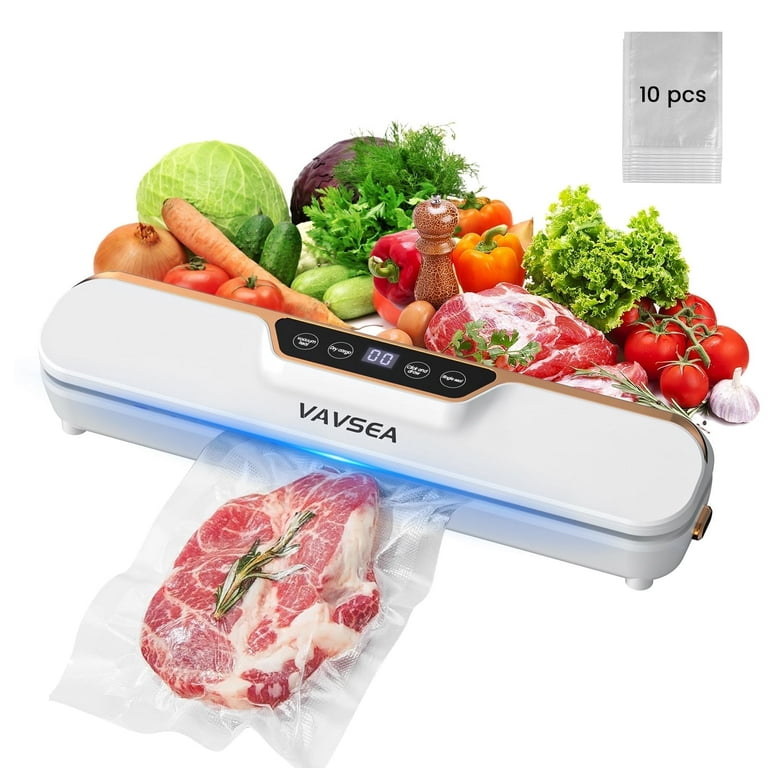
Have you ever wondered how to keep your food fresh for longer or make your storage more efficient? Vacuum sealing might just be the solution you’re looking for.
Imagine opening your pantry or freezer and finding everything neatly organized, with no sign of spoilage. Sounds great, right? This powerful preservation method isn’t just for food; it can revolutionize the way you store everyday items, save money, and even create extra space in your home.
But what exactly can you vacuum seal? We’ll dive into the surprising array of items you can vacuum seal to simplify your life. Stick around to discover how you can transform your storage habits and unlock the full potential of vacuum sealing.

Credit: www.amazon.com
Benefits Of Vacuum Sealing
Vacuum sealing offers more than just a neat way to store your food. It changes how long your groceries last and how much space they take up in your kitchen. Understanding the benefits can help you decide what to vacuum seal and why it’s worth the effort.
Extending Food Freshness
Vacuum sealing removes the air around your food, which slows down the growth of bacteria and mold. This means your fruits, vegetables, meats, and cheeses stay fresh much longer than in regular packaging.
Think about how quickly berries spoil in the fridge. Sealing them tight can keep them fresh for days, even weeks, longer. This gives you more time to enjoy your groceries without rushing to eat them.
Reducing Waste
How often do you throw away food because it went bad too fast? Vacuum sealing helps cut down on that waste by preserving leftovers and bulk buys effectively.
You can portion meals and seal them in advance. This way, you only defrost what you need, reducing the chance of throwing out spoiled food. It’s a smart way to save money and reduce your environmental impact.
Space Saving Advantages
Vacuum sealed bags are compact and stackable, making your fridge and freezer more organized. Without air pockets, packages take up less room, freeing space for other essentials.
Imagine fitting twice as many items in your freezer. That’s what vacuum sealing can do. It’s especially handy if you buy in bulk or like to prep meals ahead of time.
Credit: betweencarpools.com
Foods Ideal For Vacuum Sealing
Vacuum sealing locks in freshness and extends the shelf life of many foods. It removes air, which slows down spoilage and keeps flavors intact. Certain foods work best with vacuum sealing, preserving texture and taste for longer periods.
Meats And Seafood
Raw and cooked meats seal well. Beef, chicken, pork, and fish stay fresh longer without freezer burn. Vacuum sealing stops odors and keeps juices inside. Marinated meats also benefit, as flavors soak in better.
Vegetables And Fruits
Most vegetables and fruits freeze well after vacuum sealing. Blanch vegetables first to keep color and texture. Berries, apples, and stone fruits keep their taste and shape. Avoid sealing soft or mushy fruits directly.
Cheese And Dairy
Hard and semi-hard cheeses last longer sealed. Vacuum sealing prevents mold and dryness. Butter and cream cheese also store well. Avoid sealing fresh cheeses with high moisture content.
Baked Goods And Snacks
Bread, cookies, and crackers stay crisp sealed. Vacuum sealing stops staleness and insect damage. Portion snacks for easy access and freshness. Avoid sealing moist baked goods without drying first.
Items Beyond Food To Vacuum Seal
Vacuum sealing is not just for food. It helps protect many items from air, moisture, and dust. This method extends the life and quality of various objects. You can use vacuum sealing to keep things safe and organized.
Important Documents
Documents like birth certificates, passports, and contracts need protection. Vacuum sealing keeps them dry and safe from damage. It prevents paper from yellowing or tearing. This method also stops mold and mildew growth. Store documents in vacuum-sealed bags to ensure long-term preservation.
Electronics And Accessories
Small gadgets and accessories often get damaged by dust or moisture. Vacuum sealing helps protect items like headphones, chargers, and cables. It stops corrosion on metal parts and keeps everything clean. Place electronics in anti-static vacuum bags for extra safety. This method saves space and keeps items organized.
Clothing And Fabrics
Vacuum sealing clothing saves space and protects fabric quality. It works well for seasonal clothes and delicate items. The process reduces wrinkles and keeps out moisture. Store sweaters, scarves, and blankets in vacuum-sealed bags. This method prevents pests and odors from damaging your fabrics.
Foods To Avoid Vacuum Sealing
Vacuum sealing helps preserve many foods by removing air and slowing spoilage. Some foods do not work well with this method. The texture and safety of these foods can change when vacuum sealed. Avoid sealing these items to keep food fresh and safe.
Soft Cheeses And Fresh Mushrooms
Soft cheeses like brie and ricotta hold moisture and can become slimy. Vacuum sealing traps moisture, causing mold to grow quickly. Fresh mushrooms are delicate and release water when sealed tightly. This moisture makes them soggy and shortens shelf life.
Raw Garlic And Onions
Raw garlic and onions release gases after sealing. These gases cause spoilage and change flavors. Vacuum sealing also traps strong odors that spread to other foods. It’s better to store them in breathable containers.
Certain Fresh Produce
Some fruits and vegetables do not last well when vacuum sealed. Foods like apples, bananas, and avocados can turn brown fast. Vegetables like lettuce and cucumbers become mushy and lose crunch. These items need air to stay fresh and crisp.
Vacuum Sealing Techniques
Vacuum sealing preserves food by removing air and sealing it tightly. This process slows down spoilage and keeps flavors fresh. Using the right techniques ensures your sealed items last longer and stay safe.
Choosing The Right Bags
Select bags designed for vacuum sealing. They are thicker and prevent air from entering. Some bags are textured inside, which helps air removal. Avoid using regular plastic bags; they may tear or leak. For liquids, use bags with extra strength and seal carefully.
Proper Sealing Methods
Place the open end of the bag in the vacuum sealer channel. Make sure the bag edge is clean and dry. Press the seal button and wait for the machine to remove air. After vacuuming, the machine will seal the bag automatically. Check the seal to ensure it is tight and has no gaps.
Freezing Vs Refrigerating
Vacuum sealed food can be refrigerated or frozen. Refrigerated items last longer with less spoilage. Freezing extends shelf life for months, preserving taste and texture. Label bags with dates to track freshness. Avoid refreezing thawed vacuum sealed items to keep quality high.
Tips For Safe Storage
Vacuum sealing is a fantastic way to extend the life of your food, but safe storage is key to keeping it fresh and tasty. Without the right habits, you risk spoilage or even foodborne illness. Paying attention to how you store vacuum-sealed items can save you money and prevent waste.
Labeling And Dating
Always label your vacuum-sealed bags with the contents and the date you sealed them. This simple step helps you keep track of how long each item has been stored.
Use a permanent marker or adhesive labels designed for freezer use to avoid smudging. Imagine reaching into your freezer and instantly knowing what’s inside without guessing or opening the bag.
Avoiding Cross-contamination
Keep raw meats, seafood, and vegetables separate to prevent bacteria from spreading. Vacuum sealing helps by limiting exposure, but it doesn’t replace the need for proper separation.
Store raw items on the bottom shelves of the fridge or freezer to avoid drips onto other foods. Have you noticed how easy it is to forget this step? Taking a moment now prevents a big mess later.
Thawing And Reheating
Thaw vacuum-sealed foods safely by moving them to the refrigerator overnight. Avoid thawing at room temperature, which can encourage bacterial growth.
When reheating, remove the food from the bag unless the packaging is microwave-safe. This keeps your meal safe and preserves the texture and flavor you worked hard to seal in.

Credit: www.foodsaver.com
Frequently Asked Questions
What Types Of Food Can You Vacuum Seal?
You can vacuum seal meats, vegetables, fruits, cheeses, and dry goods. It preserves freshness and extends shelf life effectively. Avoid sealing soft cheeses or delicate berries as they may get crushed.
Can Vacuum Sealing Prevent Freezer Burn?
Yes, vacuum sealing removes air, which causes freezer burn. It protects food texture and flavor. Proper sealing extends food storage duration safely in the freezer.
Is Vacuum Sealing Safe For Liquids And Soups?
Vacuum sealing liquids can be tricky and may cause messes. Use the freeze-first method or special vacuum bags designed for liquids. It helps keep liquids fresh without leaks.
How Long Can Vacuum Sealed Food Last?
Vacuum sealed food lasts 2 to 5 times longer than non-sealed items. For example, meats last up to 2-3 years frozen. Always check food quality before use.
Conclusion
Vacuum sealing helps keep food fresh for longer. You can seal meats, vegetables, fruits, and even dry goods. It also protects items from moisture and air damage. Sealing small items like nuts or herbs works well too. Remember to avoid sealing liquids without freezing first.
This method saves space and reduces waste. Try vacuum sealing to organize your kitchen better. It is simple, effective, and saves money over time. Give it a try and see the difference.