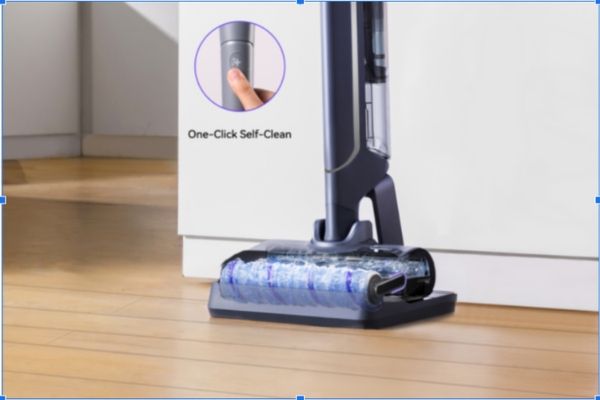
Have you ever wondered what makes your vacuum cleaner so effective at picking up dirt and debris from your floors? The secret often lies in a component you might not even notice: the beater bar.
If you’ve seen this term in your vacuum’s manual or heard it mentioned in cleaning tips, you might be curious about what exactly a beater bar does and why it matters. Understanding this can transform how you view the cleanliness of your home.
Imagine effortlessly achieving a spotless floor every time you vacuum. Intrigued? Keep reading to discover how this seemingly simple part can make a significant difference in your cleaning routine. Whether you’re looking to enhance your vacuum’s performance or simply want to know more about its inner workings, this article will provide you with the insights you need.
Beater Bar Basics
Understanding the basics of a beater bar can change how you clean your floors. This simple tool plays a big role in how effectively your vacuum picks up dirt and debris. Knowing what it does and how it works helps you choose the right vacuum for your needs and use it better.
Design And Function
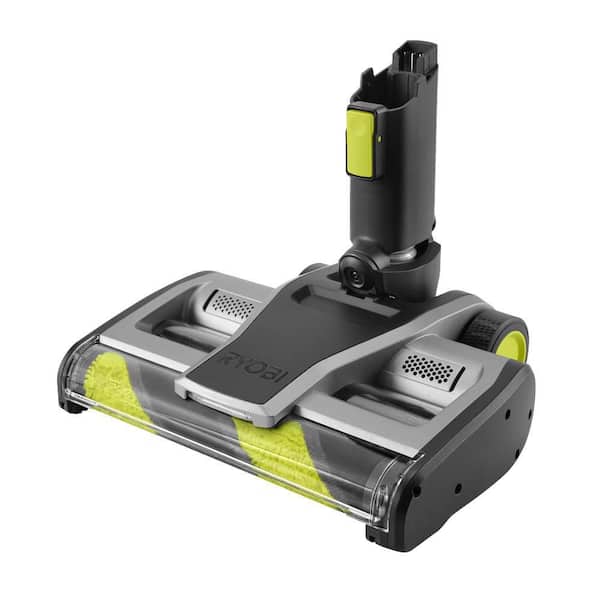
The beater bar is a rotating cylinder fitted with stiff bristles or brushes. It spins rapidly as you vacuum, beating the carpet fibers to loosen dirt and dust. This action makes it easier for the vacuum’s suction to pull out embedded particles.
Most beater bars are located right in front of the vacuum’s suction path. As you move the vacuum, the bar agitates the carpet surface, helping to lift hair, crumbs, and dust from deep inside. This is especially useful on carpets with dense fibers where dirt hides well.
Difference From Brush Roll
People often confuse the beater bar with the brush roll, but they are not exactly the same. A brush roll usually has softer bristles designed to sweep dirt from hard floors without scratching. The beater bar, on the other hand, has firmer bristles meant to dig into carpet fibers.
Some vacuums combine these features into a single component that adjusts depending on the floor type. But understanding whether your vacuum uses a true beater bar or a brush roll can help you protect your floors and clean more effectively. Have you noticed how your vacuum performs differently on rugs versus hardwood? That difference often comes down to these tools.
Credit: www.homedepot.com
How Beater Bars Work
The beater bar is a key part of many vacuum cleaners. It helps to loosen dirt and dust from carpets and floors. This section explains how beater bars work to make cleaning easier and more effective.
Mechanism Of Action
The beater bar is a rotating brush located near the vacuum head. It spins rapidly as the vacuum operates. Its bristles beat into carpet fibers, shaking loose dirt and debris. This motion helps lift particles that are stuck deep in the carpet.
The rotation speed and bristle stiffness are designed to maximize dirt removal. The bar moves dirt upward toward the vacuum’s suction path. It also helps break up hair and other tangled material.
Role In Dirt And Debris Removal
The beater bar plays a vital role in deep cleaning carpets. It agitates the surface, making it easier for the vacuum to pick up dirt. Loose dust, crumbs, and pet hair get lifted from the floor.
Without the beater bar, vacuums might miss embedded particles. The bar’s action increases overall cleaning efficiency. It works especially well on thick or plush carpets.
- Breaks up compacted dirt
- Dislodges hair and fibers
- Improves suction effectiveness
- Enhances vacuum performance on carpets
Benefits Of Beater Bars
The beater bar is a useful feature found on many vacuum cleaners. It offers several benefits that help keep carpets and floors cleaner. This tool works by using a rotating brush to lift dirt and debris from deep within carpet fibers. It can make vacuuming more effective and easier.
Enhanced Carpet Cleaning
The beater bar spins rapidly to loosen dirt and dust trapped in carpets. It reaches deep into carpet fibers where suction alone cannot. This action helps remove more particles, leaving carpets cleaner. The rotating brush also agitates the carpet, helping to prevent dust buildup over time. It works well on thick and plush carpets, improving overall cleanliness.
Improved Pet Hair Removal
Pet hair often sticks tightly to carpets and furniture. The beater bar’s bristles grab and lift pet hair effectively. This makes it easier to collect hair without multiple passes. It reduces allergens and keeps your home fresher. The bar also helps remove dander and small debris that pets leave behind. This feature is especially helpful for pet owners seeking a cleaner living space.
When To Use A Beater Bar
Knowing when to use a beater bar on your vacuum can make a big difference in how clean your floors get. This tool is designed to agitate and lift dirt from surfaces, but it’s not ideal for every floor type. Understanding the right moments to switch it on will help you avoid damage and get the best results.
Suitable Surfaces
Beater bars work best on carpets and rugs with medium to high pile. The rotating brush digs deep to loosen embedded dirt and pet hair that a regular vacuum suction might miss.
Think about your living room rug or bedroom carpet. Using a beater bar there can refresh fibers and improve cleanliness. It’s less effective on low-pile carpets or hard floors, where it might just scatter dust instead of picking it up.
Avoiding Damage To Delicate Floors
Hardwood, laminate, and tile floors require caution. The stiff bristles of a beater bar can scratch or dull these surfaces if used carelessly.
Always switch off the beater bar feature or use a vacuum setting designed for hard floors. This prevents damage and keeps your floors looking new longer.
Have you ever noticed scratches on your wooden floor after vacuuming? That’s a clear sign the beater bar was engaged when it shouldn’t have been. Adjusting your vacuum settings can save you from costly repairs down the line.
Maintenance Tips
Keeping your vacuum’s beater bar in top shape is key to maintaining its cleaning power. Regular maintenance can prevent common problems and extend the life of your vacuum. Let’s look at some simple tips you can use to keep the beater bar running smoothly.
Cleaning The Beater Bar
The beater bar often collects hair, threads, and dust that reduce its efficiency. You should check it at least once a month to remove any tangled debris. Use scissors or a seam ripper carefully to cut away hair and fibers wrapped around the bar.
Wiping the bar with a damp cloth can help clear dust buildup. Avoid using harsh chemicals that might damage the bristles or the bar’s surface. Have you noticed your vacuum losing suction? Cleaning the beater bar might be the simple fix you need.
Troubleshooting Common Issues
If your vacuum isn’t picking up dirt well, the beater bar might be stuck or spinning too slowly. Check for blockages in the brush roll area and clear them out. Also, inspect the belt that drives the beater bar; if it’s loose, cracked, or broken, it needs replacement.
Sometimes, the beater bar makes unusual noises due to worn bearings or debris caught inside. Listen carefully during operation and feel for unusual vibrations. Replacing faulty parts or cleaning hidden dirt can restore normal function quickly.

Credit: us.narwal.com
Alternatives To Beater Bars
Beater bars help clean carpets deeply by agitating dirt and dust. Some floors or carpets need gentler cleaning tools. Different vacuum attachments offer good cleaning without the strong brush action of a beater bar. These options protect delicate surfaces and still remove dirt well.
Soft Brush Attachments
Soft brush attachments have gentle bristles that clean without scratching. They work well on hardwood, tile, and laminate floors. These brushes remove dust and debris from smooth surfaces easily. They also help clean upholstery and curtains without damage. Soft brush tools are ideal for sensitive areas that can’t handle a beater bar’s rough action.
Suction-only Options
Suction-only vacuum heads clean using strong airflow without brushes. They are perfect for delicate rugs and thin carpets. These tools avoid tangling hair or fibers. Suction-only heads reduce wear on fragile floors. They also work well on smooth surfaces to pick up dust and dirt quietly.

Credit: us.narwal.com
Frequently Asked Questions
What Is A Beater Bar On A Vacuum Cleaner?
A beater bar is a rotating brush attached to a vacuum. It agitates carpet fibers, loosening dirt and debris. This improves the vacuum’s cleaning efficiency, especially on carpets.
How Does A Beater Bar Improve Vacuum Cleaning?
The beater bar spins rapidly, beating carpet fibers to dislodge embedded dirt. This action allows the vacuum to suction dirt more effectively than suction alone.
Can A Beater Bar Damage Hardwood Floors?
Yes, using a beater bar on hardwood floors can cause scratches. Many vacuums allow you to turn off the beater bar when cleaning hard floors.
Is A Beater Bar Necessary For All Vacuum Types?
No, beater bars are most useful for carpeted surfaces. Hard floor vacuums or handheld models often don’t include a beater bar.
Conclusion
A beater bar helps loosen dirt and dust from carpets. It spins quickly to lift debris from deep inside. This makes vacuuming more effective and thorough. Not all vacuums have a beater bar, but many do. Knowing its role can help you choose the right vacuum.
It works best on carpets, but less on hard floors. Keep it clean for the best performance. Understanding the beater bar improves your cleaning results. A small part, but it makes a big difference.