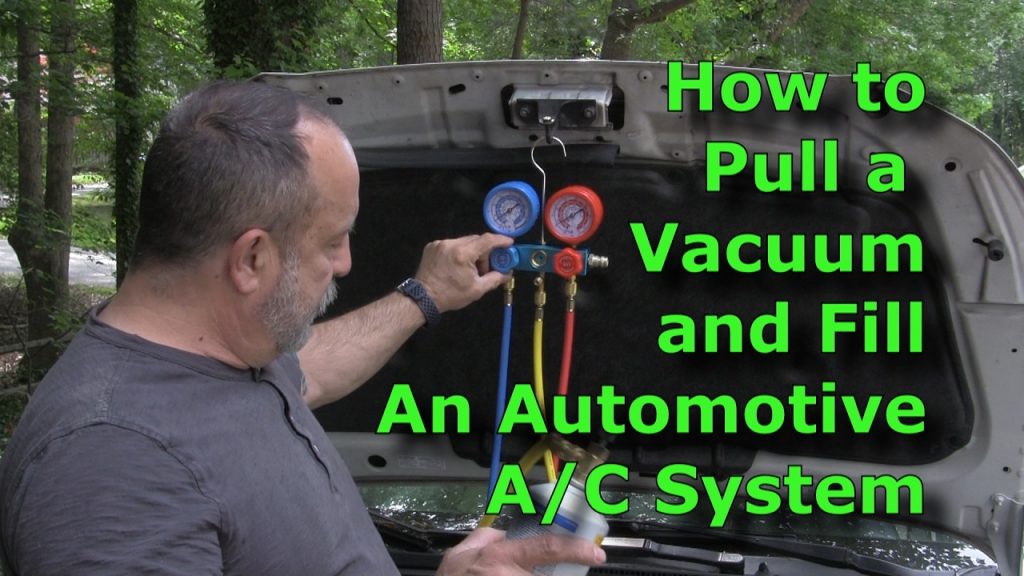
Are you wondering how long it takes to vacuum your car’s AC system? You’re not alone.
Many car owners find themselves puzzled by this crucial step in maintaining their vehicle’s air conditioning system. It might seem like a small detail, but understanding the right time to vacuum your AC can make all the difference in its performance.
Imagine cruising on a hot day with your AC blasting cool air efficiently—sounds great, right? By getting this part right, you ensure your AC system is running smoothly, saving you from unexpected breakdowns and costly repairs. Stick around, and we’ll break down everything you need to know to keep your car’s AC in top shape.

Credit: www.youtube.com
Vacuuming Auto Ac Basics
Vacuuming an auto AC system is a key part of car maintenance. It helps keep the system clean and working well. Understanding the basics of vacuuming can save time and avoid costly repairs.
The vacuum process removes air and moisture from the AC system. This creates a perfect environment for the refrigerant to flow smoothly. Without vacuuming, air and moisture can cause poor cooling and damage parts.
Purpose Of Vacuuming
Vacuuming removes air, moisture, and contaminants inside the AC system. Air can stop the refrigerant from working properly. Moisture causes corrosion and ice formation inside the system. Vacuuming ensures the system is clean and ready for refrigerant.
This step also helps check for leaks. When the system holds the vacuum, it means no leaks are present. If the vacuum drops, there could be a leak that needs fixing.
When To Vacuum
Vacuuming is necessary after any repair or part replacement. It should be done when opening the AC system for work. This includes replacing the compressor, hoses, or condenser.
Vacuuming is also needed before refilling the refrigerant. It ensures the system is free from air and moisture. Regular maintenance may include vacuuming to keep the system efficient.
Ideal Vacuuming Duration
Knowing the ideal vacuuming duration for your auto AC system is key to ensuring it works efficiently. Too short, and moisture or air might remain inside, causing damage. Too long, and you waste time and energy without added benefit.
Typical Timeframes
Most automotive professionals recommend vacuuming your AC system for about 30 to 45 minutes. This timeframe usually allows the vacuum pump to pull a deep vacuum, removing air and moisture effectively. However, some systems may need just 20 minutes if they are smaller or have fewer components.
On the other hand, heavy-duty or older systems with potential leaks might require longer vacuuming—sometimes up to an hour. A common rule is to watch the vacuum gauge: if it holds steady below 500 microns for 15 minutes, the system is usually good to go.
Factors Affecting Duration
Several factors can change how long you should vacuum your AC system:
- System Size:Larger systems hold more air and need more time to evacuate.
- Vacuum Pump Quality:A high-quality pump will reach deep vacuum levels faster.
- Leaks or Moisture:Systems with leaks or trapped moisture take longer to vacuum properly.
- Ambient Temperature and Humidity:High humidity means more moisture in the system, requiring longer evacuation.
Have you ever started vacuuming and wondered if you’re done too soon? Pay attention to your gauge readings and system size rather than relying on a fixed timer. This approach helps you avoid common mistakes and ensures your AC system stays reliable.
Step-by-step Vacuuming Process
Vacuuming your auto AC system is a crucial task that ensures the removal of moisture and air, which can damage the system and reduce its efficiency. Understanding the exact process helps you avoid common mistakes and achieve the best results. Let’s break down the vacuuming process into clear, manageable steps that anyone can follow.
Preparing The System
Start by turning off your vehicle’s engine and disconnecting the battery to ensure safety. Attach the vacuum pump to the AC system’s service ports using the correct hoses and fittings.
Check all connections for tightness to prevent leaks. Before switching on the pump, open the valves on your manifold gauge set to allow air to flow freely through the system.
Running The Vacuum Pump
Turn on the vacuum pump and let it run steadily. The pump removes air and moisture by creating a vacuum inside the AC lines.
Most experts recommend running the vacuum for at least 30 to 45 minutes. However, the exact time can depend on your vehicle’s system size and the pump’s power. Have you ever noticed how shorter vacuum times leave moisture behind? Taking the time here pays off.
Monitoring Pressure Levels
Watch the vacuum gauge closely as the pump runs. The pressure should steadily drop, ideally reaching 29 inches of mercury (inHg) or lower.
Once the vacuum reaches the target level, close the valves and turn off the pump. Keep an eye on the gauge for 10 to 15 minutes to see if the pressure holds steady.
If the gauge rises, it means there’s a leak or residual moisture. This part often surprises people—it’s your system’s way of telling you it’s not ready yet.

Credit: www.reddit.com
Common Mistakes To Avoid
Vacuuming your auto AC system is crucial for maintaining its performance, but many people make avoidable mistakes during the process. Knowing what to watch out for can save you time, money, and frustration. Let’s look at two common pitfalls that often trip up even experienced car owners.
Under Vacuuming Risks
Stopping the vacuum process too soon can leave moisture and air trapped inside your AC system. This can cause poor cooling, corrosion, and even damage to internal components.
Think about the last time you rushed through a task and had to fix it later. The same applies here—cutting the vacuum time short can lead to costly repairs.
- Moisture leads to ice formation inside the AC lines, blocking refrigerant flow.
- Air reduces the system’s efficiency and can cause noisy operation.
- Incomplete vacuuming allows contaminants to remain, shortening system life.
How long do you really need to vacuum? Most experts recommend at least 30 minutes under proper vacuum conditions. Skimping on this step rarely pays off.
Over Vacuuming Consequences
It might seem like vacuuming longer is better, but overdoing it can harm your AC system too. Excessive vacuuming can cause seals to dry out and crack, leading to leaks.
Imagine leaving a window open during a storm for hours—eventually, damage occurs. The same principle applies to your car’s AC seals.
- Prolonged vacuum can pull out lubricant from seals, reducing their effectiveness.
- Extended vacuum times increase wear on the vacuum pump, shortening its lifespan.
- Unnecessary vacuuming wastes time without improving system condition.
Use a vacuum gauge to monitor the process and stop once the desired vacuum level is stable. This protects both your AC and your tools.
Tools And Equipment Tips
Getting the right tools for vacuuming your auto AC system can make all the difference. Using the proper equipment not only speeds up the process but also ensures your system gets the best care. Let’s dive into what tools you really need and how to use them effectively.
Choosing The Right Vacuum Pump
Not all vacuum pumps are created equal. A high-quality pump with a strong micron rating is essential to remove air and moisture thoroughly from your AC system.
Look for pumps that can reach at least 500 microns or lower. This level of vacuum ensures almost all moisture is pulled out, preventing future corrosion or freezing inside your AC lines.
Remember, a pump that runs too slowly or can’t maintain a vacuum can waste your time and damage your system. Investing in a reliable brand can save you headaches and repeated work.
Using Accurate Gauges
Accurate gauges are your eyes during the vacuuming process. Without precise readings, you won’t know if the system is properly evacuated or if leaks exist.
Choose gauges that provide clear, easy-to-read measurements with a wide vacuum range. Digital gauges often give better accuracy and can be easier to read in different lighting conditions.
Pair your pump with gauges designed for automotive AC systems, not generic ones. This match helps you monitor pressure levels precisely and avoid costly mistakes.

Credit: m.youtube.com
Post-vacuum Checks
After vacuuming your car’s AC system, it’s vital to perform post-vacuum checks. These steps ensure the system is sealed correctly and functions well. Skipping these checks can cause leaks or poor cooling performance. Simple tests confirm the system’s health and prevent future issues.
Leak Detection
Leak detection is the first check after vacuuming. Even a small leak can let air or moisture enter the system. Use a leak detector tool or UV dye to find leaks quickly. Watch for bubbles if using soap solution on connections. If you spot a leak, repair it before refilling the system.
System Performance Testing
Testing system performance checks the AC’s cooling power. Start the engine and turn on the AC at the highest setting. Feel the vents for cold air after a few minutes. Measure the pressure with gauges to verify proper levels. If cooling is weak or pressures are off, recheck the vacuum and refrigerant charge.
Frequently Asked Questions
How Long Should I Vacuum My Auto Ac System?
Vacuuming your auto AC system typically takes 30 to 45 minutes. This ensures all moisture and air are removed properly. Proper vacuuming helps maintain system efficiency and prevents refrigerant contamination. Always follow manufacturer guidelines for best results.
Why Is Vacuuming The Ac System Important?
Vacuuming removes moisture and air from the AC system. Moisture can cause corrosion and reduce cooling efficiency. Air contamination affects refrigerant performance. Vacuuming also helps detect leaks before recharging the system. It is essential for a long-lasting, effective auto AC system.
Can I Vacuum The Ac System Too Long?
Vacuuming too long generally won’t harm the system but wastes time. Once the vacuum gauge stabilizes and reaches around 500 microns, it is sufficient. Over-vacuuming does not improve results and may cause unnecessary wear on the vacuum pump.
How Often Should I Vacuum My Auto Ac System?
You should vacuum the AC system each time it is serviced or repaired. Regular vacuuming ensures no moisture or air remains inside. It helps maintain optimal AC performance and prolongs system life. Avoid skipping this step during refrigerant recharge or component replacement.
Conclusion
Vacuuming an auto AC system usually takes 30 to 45 minutes. This time removes air and moisture for better cooling. Proper vacuuming helps avoid damage and keeps the system efficient. Use the right tools and follow safety steps. Regular care extends your AC’s life and improves comfort.
Remember, patience during vacuuming means a cooler ride later.