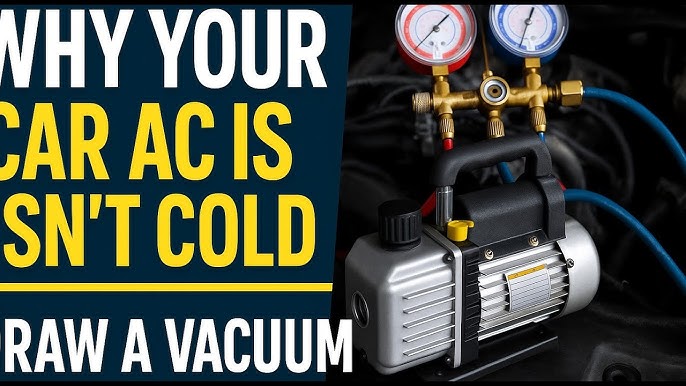
Ever wondered why your car’s air conditioning isn’t as cool as it used to be? One critical factor could be the amount of vacuum in your car’s AC system.
Understanding this aspect not only keeps your car comfortable but also saves you money on potential repairs. If you’ve ever felt lost when it comes to car maintenance, you’re not alone. But don’t worry; this guide is here to help you understand exactly how much vacuum is needed for your car’s AC system to run efficiently.
Get ready to take control of your car’s cooling system, and ensure you’re cruising comfortably, no matter how hot it gets outside. Keep reading, and you’ll discover the key to keeping your car cool and your mind at ease.
Role Of Vacuum In Car Ac
The vacuum plays a critical role in the car air conditioning system. It helps remove air and moisture from the system before refrigerant is added. Without the right vacuum, the system cannot work efficiently. Moisture inside the AC can cause corrosion and damage. Proper vacuuming ensures the AC system stays clean and cools better.
Vacuum’s Impact On Cooling Efficiency
A strong vacuum removes air pockets that block refrigerant flow. Air trapped inside reduces cooling power. Vacuuming also removes moisture that can freeze and block pipes. This blockage lowers the system’s ability to cool the car. A well-vacuumed system helps the refrigerant circulate smoothly. It keeps the cooling consistent and effective.
Why Vacuum Level Matters
The vacuum level shows how much air and moisture is removed. A deep vacuum means most air is gone. A shallow vacuum leaves air and moisture inside. This can cause poor cooling and damage. Technicians use vacuum gauges to check this level. Keeping the vacuum at the correct level extends the AC’s life. It also prevents costly repairs and improves comfort inside the car.

Credit: www.reddit.com
Measuring Vacuum In Ac Systems
Measuring vacuum in a car AC system ensures the system is free from moisture and air. This step is vital before refilling refrigerant. Proper vacuum measurement helps avoid damage and keeps the AC working efficiently.
Using the right tools and following a clear process makes vacuum measurement accurate and safe. The next sections explain what tools you need and how to measure vacuum properly.
Tools Needed For Vacuum Measurement
- Vacuum pump designed for AC systems
- Manifold gauge set with vacuum gauge
- Hoses compatible with your AC system
- Refrigerant recovery machine (optional but recommended)
- Protective gloves and safety glasses
Step-by-step Measurement Process
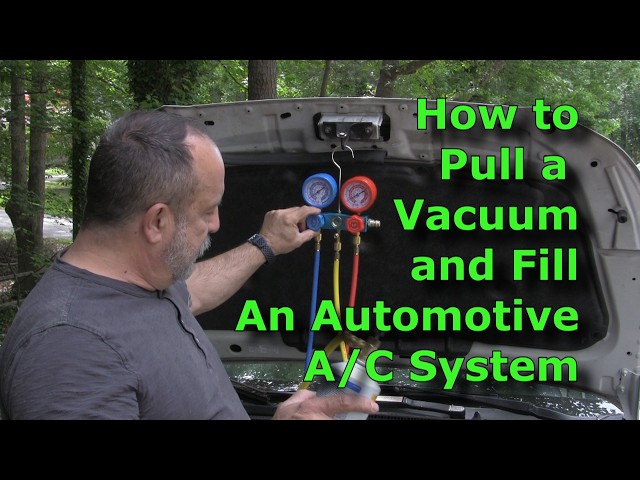
- Connect the manifold gauge to the AC system service ports.
- Attach the vacuum pump to the center port of the manifold gauge.
- Open the valves on the manifold to allow air flow.
- Turn on the vacuum pump and run it for at least 30 minutes.
- Watch the vacuum gauge drop to the recommended level, usually below 500 microns.
- Close the valves and turn off the pump to check if vacuum holds.
- If the vacuum rises, there might be a leak or moisture in the system.
- Repeat the process until the vacuum remains steady for 10 minutes.
Optimal Vacuum Levels
Optimal vacuum levels in a car AC system ensure the best cooling performance. The right vacuum removes air and moisture, preventing damage and maintaining efficiency. Too little or too much vacuum can cause problems. Understanding the correct vacuum range is key to a well-functioning air conditioning system.
Recommended Vacuum Range
For most car AC systems, the ideal vacuum level lies between 500 to 1,000 microns. This range effectively removes air and moisture from the system. Achieving this vacuum level usually takes 15 to 30 minutes with a good vacuum pump. Staying within this range helps keep the AC components safe and efficient.
Effects Of Low Vacuum
Low vacuum means air and moisture remain inside the AC system. Air reduces cooling efficiency and causes uneven temperatures. Moisture leads to corrosion and damages the compressor. It also reacts with refrigerant, forming acids that harm the system. Low vacuum results in poor performance and costly repairs.
Effects Of Excessive Vacuum
Excessive vacuum can cause damage too. It may pull oil out of the compressor, leading to poor lubrication. This increases wear and tear on moving parts. Too much vacuum can also cause seals to shrink or crack. Over time, this leads to leaks and system failure. Maintaining the right vacuum level prevents these issues.
Vacuum Pump Usage Tips
Using a vacuum pump correctly is key to fixing a car’s AC system. It helps remove moisture and air, ensuring the system works well. Follow these tips to use the pump safely and effectively.
Choosing The Right Vacuum Pump
Select a pump that fits the size of your car’s AC system. A pump with at least 3 CFM (cubic feet per minute) works for most cars. Check for a pump with a good vacuum level, around 29 inches of mercury (inHg). Look for a pump that is durable and easy to use.
Proper Pump Operation
- Connect the pump tightly to avoid air leaks.
- Run the pump for at least 30 minutes to remove moisture fully.
- Check the vacuum gauge to ensure the right vacuum level.
- Close valves properly after the pump stops to keep the vacuum.
Maintenance And Safety
- Clean the pump after each use to prevent damage.
- Change the oil regularly if your pump uses oil.
- Wear gloves and eye protection during operation.
- Store the pump in a dry, cool place to extend its life.
Common Vacuum-related Ac Issues
Vacuum plays a critical role in the efficiency of a car’s AC system. It helps remove air and moisture, ensuring smooth refrigerant flow. Without proper vacuum, various issues can arise, affecting cooling performance and system longevity.
Many common AC problems stem from vacuum-related faults. These issues often cause leaks and moisture buildup. Understanding these problems can help in diagnosing and fixing AC troubles early.
Leaks And Their Detection
Leaks in the AC system reduce vacuum pressure, letting air enter. Air inside the system causes poor cooling and compressor damage.
Detecting leaks involves:
- Using a vacuum gauge to check pressure drop
- Applying soapy water to find bubbles on hoses or joints
- Using electronic leak detectors for precise identification
Fixing leaks quickly restores vacuum and prevents further damage.
Moisture Removal Importance
Moisture inside the AC system causes corrosion and freezes in expansion valves. This blocks refrigerant flow and reduces cooling.
Vacuum removes moisture by creating low pressure and drawing out water vapor. Proper vacuum levels ensure all moisture is eliminated before charging refrigerant.
Failing to remove moisture leads to:
- Reduced system efficiency
- Compressor failure
- Expensive repairs
Credit: m.youtube.com
Troubleshooting Vacuum Problems
Troubleshooting vacuum problems in a car AC system is key to keeping it cool and efficient. Vacuum issues can cause poor airflow and strange noises. Finding and fixing vacuum problems early helps avoid costly repairs. Understanding how to diagnose and repair vacuum leaks is vital for car owners and mechanics alike.
Diagnosing Vacuum Loss
Start by checking the vacuum gauge on the AC system. A low reading means vacuum loss. Listen for hissing sounds near the vacuum lines. Use a smoke machine to spot leaks quickly. Inspect all vacuum hoses for cracks or loose connections. Look at the vacuum reservoir for damage. Test the vacuum control valves for proper operation. Note any changes in AC performance during testing. This helps pinpoint the exact source of the problem.
Fixing Vacuum Leaks
Replace any cracked or brittle vacuum hoses immediately. Tighten loose fittings to prevent air entry. Use vacuum-safe sealant on minor leaks around joints. Swap out faulty vacuum control valves. Clean the vacuum reservoir and check for cracks. Recheck the system with a vacuum gauge after repairs. Maintain hoses and connections regularly to avoid future leaks. Proper repair restores AC efficiency and comfort.

Credit: m.youtube.com
Frequently Asked Questions
What Is The Ideal Vacuum Level For Car Ac Systems?
The ideal vacuum level for car AC systems is around 29 inches of mercury (inHg). This level ensures all moisture and air are removed for proper refrigerant charging and system efficiency.
How Long Should You Vacuum A Car Ac System?
Vacuuming a car AC system typically takes 30 to 45 minutes. This duration helps eliminate moisture and air, preventing corrosion and ensuring optimal cooling performance.
Why Is Vacuuming Important In A Car Ac System?
Vacuuming removes moisture and air from the AC system. This prevents damage, improves refrigerant flow, and enhances cooling efficiency, extending the system’s lifespan.
Can Too Much Vacuum Damage A Car Ac System?
No, excessive vacuum levels usually do not damage car AC systems. However, maintaining recommended vacuum levels prevents potential leaks and ensures system reliability.
Conclusion
Proper vacuum level keeps your car AC system working well. It removes moisture and air, protecting the system. Use a vacuum gauge to check the correct pressure. Too little vacuum means moisture stays inside. Too much can damage parts. Aim for about 500 microns of vacuum.
Take your time during the process. This helps keep your AC cold and fresh. Regular checks can extend the system’s life. A good vacuum means comfort on every drive. Simple steps, big difference.