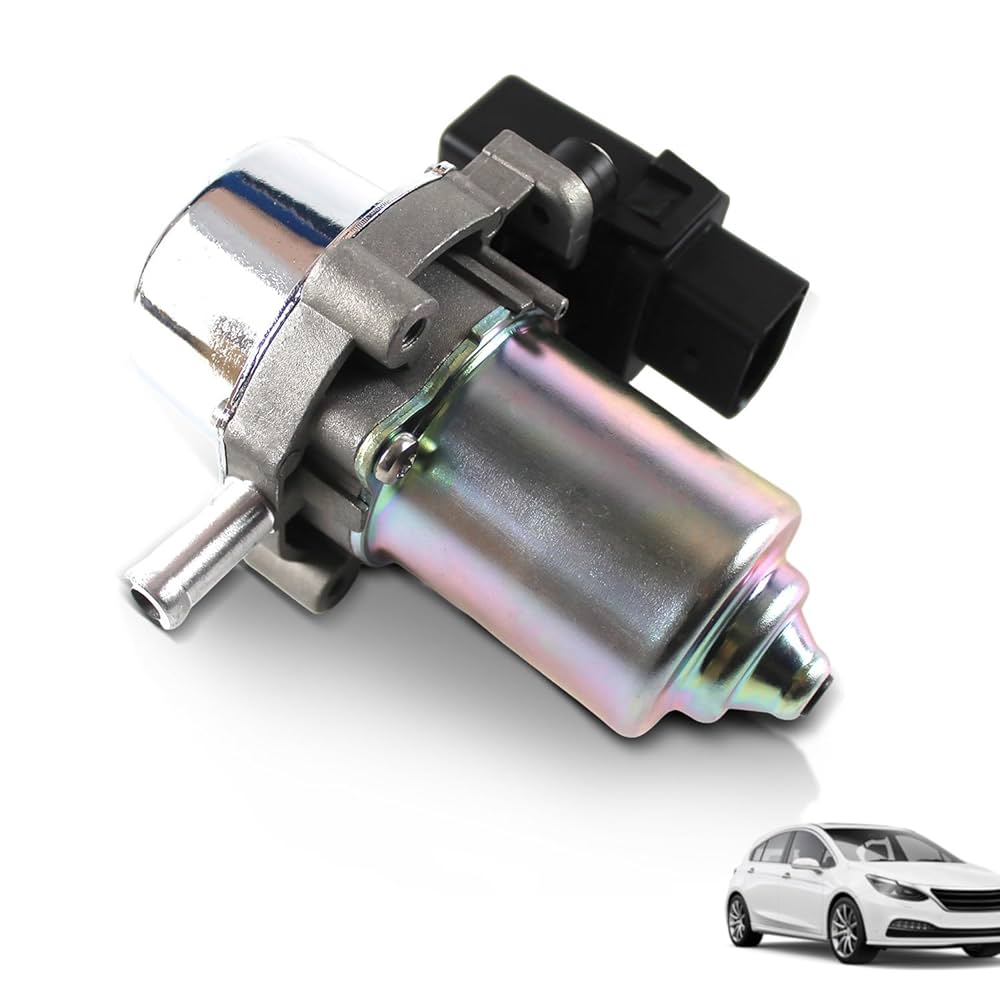
Ever wondered how your car’s brakes can stop a speeding vehicle with just a slight press? The secret behind that smooth and reliable braking often lies in a component you might not even know about: the brake vacuum pump.
This small but mighty device plays a crucial role in ensuring your safety on the road. But how exactly does it work? And why should you care? Understanding the function of a brake vacuum pump could not only make you a more informed vehicle owner but might also save you from costly repairs.
So, if you want to ensure your car is always ready to stop on a dime, keep reading. You’re about to discover what makes this unsung hero of the braking system so vital.

Credit: www.amazon.ca
Role Of A Brake Vacuum Pump
The role of a brake vacuum pump is crucial in vehicles that rely on vacuum-assisted braking systems. It generates the necessary vacuum pressure to help your brakes function smoothly and effectively. Without it, you might notice your brake pedal feeling hard or less responsive, which can affect your overall driving safety.
Boosting Brake Performance
The brake vacuum pump directly impacts how easily your brakes respond. It creates a vacuum that reduces the effort needed to press the brake pedal. This means you can stop your vehicle with less force, making driving less tiring and safer, especially in heavy traffic or emergency situations.
Imagine driving uphill or hauling a heavy load; without a strong vacuum pump, your brakes would require much more pressure. That added effort can be dangerous when you need quick stops. Have you ever experienced a brake pedal that feels stiff or unresponsive? It’s often linked to problems with the vacuum pump.
Supporting Power Brake Systems
Power brake systems depend on the vacuum pump to function properly. The pump supplies the vacuum that powers the brake booster, which amplifies the braking force you apply. Without this support, your power brakes would lose efficiency, making every stop harder and increasing wear on brake components.
This vacuum also maintains consistent braking performance regardless of engine conditions. For example, vehicles with diesel engines or turbochargers don’t produce enough natural vacuum, so the pump becomes essential. Are you aware that a failing vacuum pump can cause your brake warning light to turn on? Paying attention to these signs can help you avoid costly repairs and keep your brakes reliable.
Credit: eeuroparts.com
How Brake Vacuum Pumps Work
Understanding how a brake vacuum pump works can change the way you think about your vehicle’s braking system. It’s a small but powerful component that plays a vital role in making sure your brakes respond quickly and safely. Let’s break down the mechanics behind it and see what makes it tick.
Creating Vacuum Pressure
The brake vacuum pump’s main job is to generate vacuum pressure. It does this by removing air from the brake booster, creating a low-pressure area. This vacuum helps amplify the force you apply on the brake pedal, making it easier to slow down or stop your vehicle.
Without enough vacuum pressure, you might notice your brakes feeling stiff or unresponsive. That’s because the pump isn’t pulling enough air out to assist the braking force. Have you ever experienced a brake pedal that feels unusually hard? This could be linked to a failing vacuum pump.
Integration With Engine Components
The brake vacuum pump often connects directly to the engine or its accessories. It uses the engine’s motion or exhaust gases to operate efficiently. This integration ensures the pump runs whenever your engine is on, providing consistent vacuum pressure.
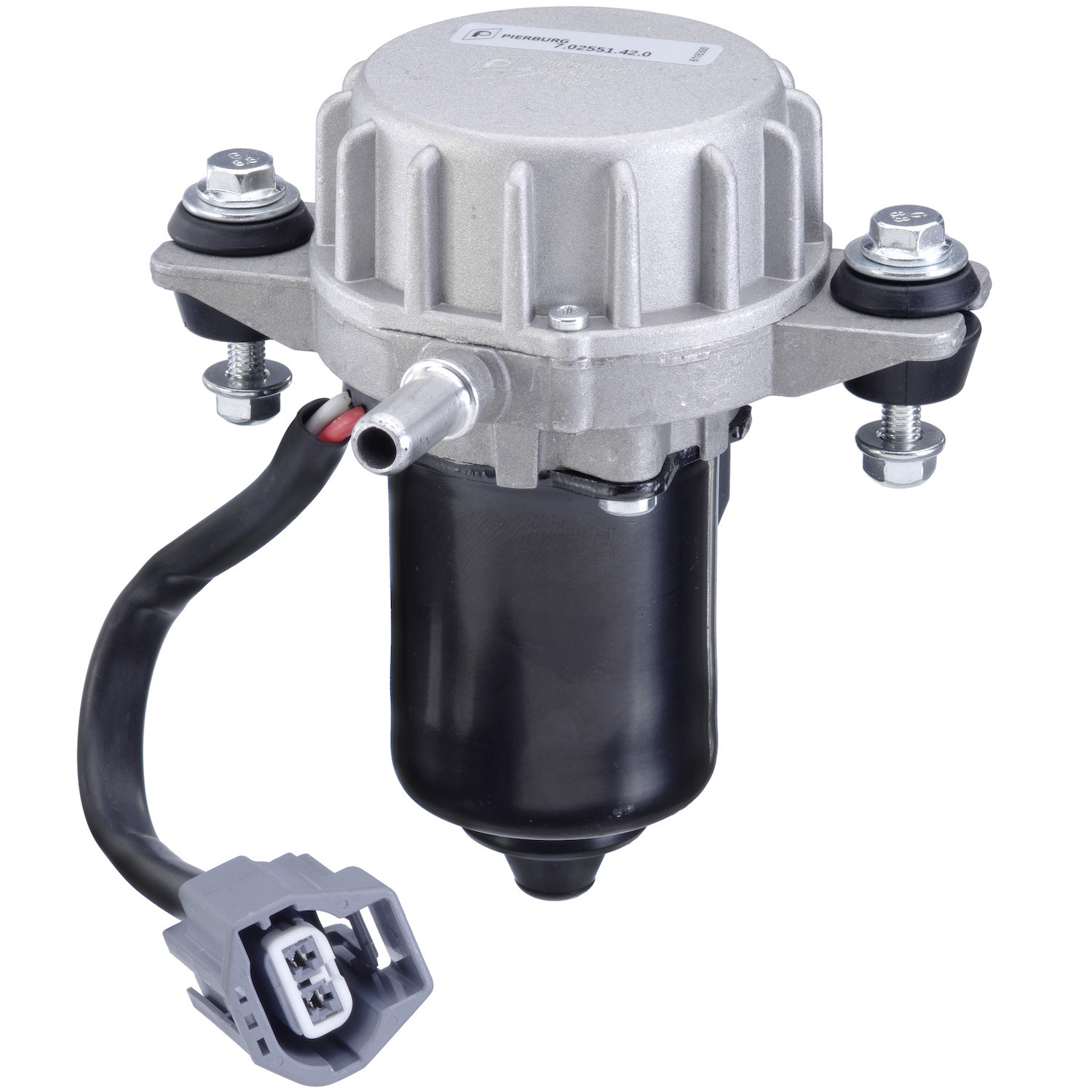
In some cars, the pump is driven mechanically by the engine, while in others, it’s electrically powered. This difference affects how the pump responds under various driving conditions. Consider how your car behaves when idling or accelerating—these moments reveal how well your vacuum pump is working with the engine.
Types Of Brake Vacuum Pumps
Brake vacuum pumps help create the vacuum needed for power brakes. Different types serve different engines and vehicle needs. Choosing the right pump improves braking power and safety. Below are the main types of brake vacuum pumps used in vehicles.
Mechanical Pumps
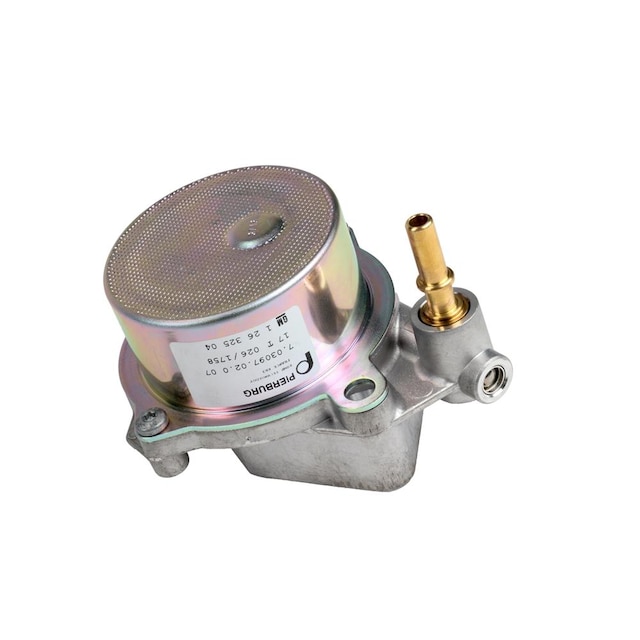
Mechanical pumps attach directly to the engine. They use engine movement to create vacuum. When the engine runs, the pump spins and pulls air out. This creates the vacuum pressure needed for brake assist.
They are simple and reliable. Mechanical pumps do not need extra power sources. These pumps work well in older cars and diesel engines without enough vacuum. They are low maintenance and last a long time.
Electric Pumps
Electric pumps use a motor to produce vacuum. They work independently of the engine’s operation. Electric pumps turn on when the brake system needs extra vacuum. This is helpful in modern cars with turbochargers or hybrids.
Electric pumps improve brake feel and safety. They provide vacuum even when the engine is off or running low. These pumps are compact and easy to install. They require electrical power and may need more care than mechanical pumps.
Signs Of A Failing Brake Vacuum Pump
The brake vacuum pump plays a key role in your vehicle’s braking system. It helps create the vacuum needed for power brakes to work smoothly. When this pump starts to fail, you will notice some clear signs. Recognizing these signs early can prevent accidents and costly repairs.
Reduced Brake Efficiency
One common sign is reduced brake efficiency. Your brakes may feel harder to press. The pedal might sink closer to the floor. Stopping distances can increase. This happens because the vacuum pump cannot create enough pressure. Your car may feel less responsive when braking. This condition is dangerous and needs quick attention.
Unusual Noises And Smells
Listen for unusual noises near the brake vacuum pump. You might hear whining or rattling sounds. These noises often indicate worn parts inside the pump. Also, pay attention to strange smells. A burning or rubbery smell could come from a slipping belt or overheating pump. These warnings suggest the pump is under stress or damaged.
Maintenance Tips For Brake Vacuum Pumps
Maintaining your brake vacuum pump is crucial for ensuring reliable brake performance and overall vehicle safety. Neglecting routine care can lead to decreased efficiency or even pump failure, which compromises your braking system. By focusing on simple yet effective maintenance practices, you can extend the life of your pump and avoid costly repairs.
Regular Inspections
Check your brake vacuum pump regularly for any visible signs of wear or damage. Look for cracks, leaks, or unusual noises that might indicate a problem. Even a small vacuum leak can reduce braking power, so don’t overlook minor issues.
Pay close attention to the pump’s mounting and connections. Loose or corroded fittings can cause air to enter the system, affecting performance. Imagine driving with a slowly leaking vacuum—would you notice the subtle drop in brake responsiveness before it becomes dangerous?
Timely Repairs And Replacements
Address any identified issues immediately to prevent further damage. Replacing worn seals or hoses can restore proper vacuum pressure and improve brake response. Waiting too long may cause the entire pump to fail, leading to expensive repairs and unsafe driving conditions.
Keep a record of repairs and replacement parts used. This helps you track the pump’s health and anticipate when the next service might be due. Have you ever ignored a small fix, only to face a bigger, costlier problem later? Acting quickly saves you time and money.
Credit: parts.buick.com
Benefits Of A Well-functioning Brake Vacuum Pump
A well-functioning brake vacuum pump plays a crucial role in your vehicle’s braking system. It ensures the brake booster receives the proper vacuum pressure. This pressure helps you apply the brakes easily and effectively. The benefits extend beyond just making braking easier. A reliable vacuum pump enhances overall safety and driving experience.
Enhanced Safety
A strong vacuum pump improves brake response time. It allows for quicker stops in emergencies. This reduces the risk of accidents. The pump supports consistent braking power. This means the brakes work well every time. A well-maintained pump prevents brake failure caused by low vacuum pressure. It helps keep the vehicle stable and secure on the road.
Improved Vehicle Control
With a functioning brake vacuum pump, you control the vehicle better. The brake booster makes pressing the brake pedal smooth and light. This helps in precise braking during turns or stops. It reduces driver fatigue by requiring less effort to brake. The pump keeps the braking system balanced. This balance improves handling, especially on slippery or uneven surfaces.
Frequently Asked Questions
What Is The Main Function Of A Brake Vacuum Pump?
A brake vacuum pump creates vacuum pressure to assist the brake booster. This improves braking power and responsiveness, making stops safer and easier.
How Does A Brake Vacuum Pump Improve Vehicle Safety?
It enhances brake booster efficiency by providing consistent vacuum pressure. This reduces pedal effort and ensures reliable braking performance in various conditions.
Can A Brake Vacuum Pump Fail And Affect Braking?
Yes, if the pump fails, brake booster vacuum drops. This causes harder brake pedals and longer stopping distances, compromising vehicle safety.
Where Is A Brake Vacuum Pump Located In A Vehicle?
Typically, it is mounted on or near the engine. The pump connects to the brake booster via vacuum lines for proper operation.
Conclusion
A brake vacuum pump helps your car stop safely by creating pressure. It supports the brake booster, making brakes easier to press. Without it, braking might feel hard or slow. Regular checks keep this pump working well. Understanding its role helps you care for your vehicle better.
Keep your brakes in good shape for safe driving. Simple parts, big safety impact.