
Thinking about putting your refrigerator in the garage? You’re not alone.
Many people wonder if it’s safe and practical to store their fridge outside the kitchen. But before you move that bulky appliance, there are important things you need to know. Your fridge’s performance, energy use, and even lifespan could be affected.
Keep reading to find out what really happens when you put your refrigerator in the garage—and how to make sure it works well for you.

Credit: www.gladiatorgarageworks.com
Garage Refrigerator Basics
Placing a refrigerator in your garage can be a convenient way to add extra storage for groceries, drinks, or bulk items. However, garages are not like the controlled environments inside your home. Understanding the basics of garage refrigerators can help you avoid common pitfalls and ensure your appliance runs smoothly and lasts longer.
Suitable Garage Conditions
Your garage’s temperature plays a crucial role in whether a refrigerator will work properly. Most standard refrigerators are designed for indoor use, where temperatures stay between 60°F and 90°F.
If your garage gets colder than 50°F in winter, the fridge might stop cooling correctly because the compressor doesn’t run often enough. On the other hand, if it heats above 100°F during summer, the fridge will work harder, using more energy and risking damage.
Think about your local climate and how well your garage is insulated or heated. Adding a heater or insulation might be necessary to create a stable environment. Would you consider investing in these adjustments to protect your fridge?
Types Of Refrigerators For Garages
Not all refrigerators are made equal when it comes to garage use. There are specific models built to handle temperature swings and tougher conditions.
- Garage-Ready Refrigerators:These come with enhanced components to operate efficiently in colder or hotter environments. They usually have a more powerful compressor and temperature sensors designed for garage conditions.
- Standard Refrigerators:Suitable only if your garage temperature stays within the safe range most of the year. Otherwise, they might break down or underperform.
- Chest Freezers:Often used in garages because they tolerate temperature fluctuations better. They can double as extra fridge space with the right setup.
Choosing the right type depends on your garage’s temperature and how you plan to use the fridge. Have you checked if your current refrigerator is rated for garage use? That could save you from costly repairs later.
Temperature Effects
Placing your refrigerator in the garage might seem like a smart way to save kitchen space, but the temperature in that space can greatly affect its performance. Garages often experience wide temperature swings that your refrigerator isn’t always built to handle. Understanding how cold and heat impact your fridge can help you avoid costly repairs or spoiled food.
Cold Weather Challenges
When garage temperatures drop below freezing, many refrigerators struggle to maintain the right internal temperature. The fridge’s thermostat may not detect the cold environment properly, causing the compressor to run less frequently or not at all.
This can lead to food inside freezing or the refrigerator not cooling enough. I once placed an old fridge in my garage during winter, and it stopped running altogether, turning my fresh groceries into an icy mess.
Some models have a “garage ready” setting designed for cold environments. If your fridge doesn’t, consider adding insulation or a small heater to keep the surrounding air above freezing.
Heat Impact On Performance
Hot summer days in the garage can make your refrigerator work overtime. High temperatures force the compressor to run constantly to keep your food cool, increasing electricity use and wear on the appliance.
Overheating can also cause the fridge to malfunction or shorten its lifespan. If your garage isn’t climate-controlled, try placing the fridge away from direct sunlight and heat sources.
Adding a fan or improving ventilation can help keep temperatures down and your fridge running efficiently. Have you checked how hot your garage gets during summer afternoons? That number might surprise you and explain why your fridge struggles.
Energy Efficiency Concerns
Placing a refrigerator in the garage may cause it to work harder due to temperature changes. This can increase energy use and reduce efficiency. Cold or hot garage conditions often affect the fridge’s performance and electricity costs.
Energy Efficiency Concerns Placing a refrigerator in the garage might raise energy efficiency concerns. The garage’s temperature varies with the seasons. This change can affect how much energy your fridge uses. In colder months, a garage can make the refrigerator work harder. This can lead to increased electricity bills.Increased Power Consumption
Refrigerators in garages often consume more power. Extreme temperatures force the appliance to work harder. In summer, the garage heats up, making the fridge run constantly. This increases power consumption. It’s crucial to monitor energy usage. Consider using a power meter to track your fridge’s energy consumption.Insulation Tips
Proper insulation can help control energy use. Insulate your garage to maintain a stable temperature. Use weatherstripping around doors and windows. Insulate garage walls if possible. A well-insulated garage keeps the fridge from overworking. You can also consider insulating the fridge itself. Use insulated covers to keep the fridge’s temperature steady. These steps help in reducing energy consumption.Moisture And Humidity Issues
Placing a refrigerator in the garage exposes it to different moisture and humidity levels than inside the house. Garages often have higher humidity, especially in wet or cold climates. This moisture can cause several problems for your appliance. Knowing the risks helps protect your refrigerator and keep it working well for years.
Rust And Corrosion Risks
High moisture in garages causes metal parts to rust faster. The refrigerator’s coils and compressor are at risk. Rust can damage these components, leading to poor performance or breakdowns. Even the fridge’s exterior can develop rust spots. This weakens the structure and shortens its life.
Metal rust may also affect electrical parts. Corroded wires and connections can cause shorts or failures. This can be dangerous and costly to fix.
Preventing Mold Growth
Humidity encourages mold and mildew inside and around the fridge. Mold spores grow on damp surfaces like rubber seals and shelves. Mold not only smells bad but can harm your health.
Prevent mold by keeping the garage dry. Use a dehumidifier or improve ventilation. Wipe down the fridge regularly and check seals for leaks. Keeping the area clean and dry stops mold before it starts.
Installation Tips
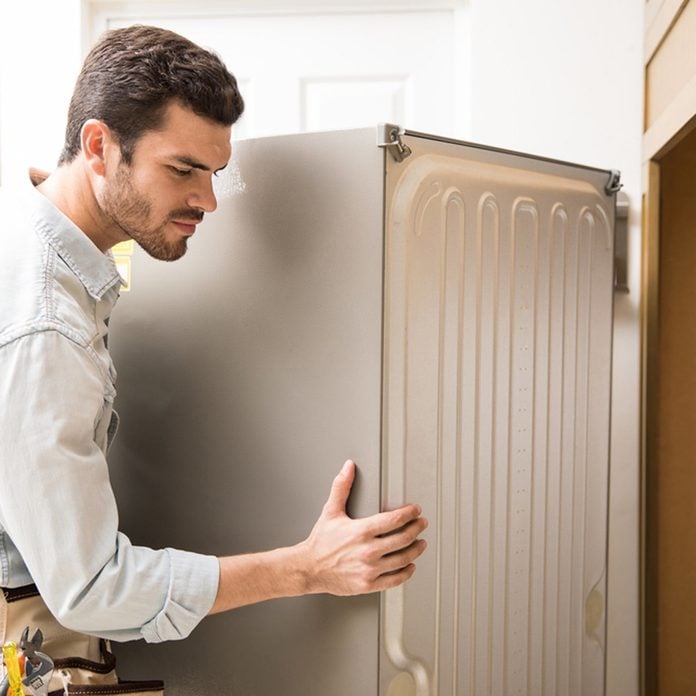
Installing a refrigerator in the garage requires some careful planning. Proper setup ensures the appliance works well and lasts longer. Pay attention to placement and ventilation for the best results.
Proper Placement
Place the refrigerator on a flat, stable surface. Avoid uneven floors to keep it balanced. Keep it away from direct sunlight or heat sources like water heaters. Leave space around the fridge for easy door opening and cleaning. Ensure the area is dry to prevent rust or damage.
Ventilation Needs
Good airflow helps the refrigerator cool efficiently. Leave at least two inches of space around the sides and back. Avoid stuffing the garage with other items that block vents. Check if the garage is too cold or hot, as extreme temperatures can affect performance. Use a fan or vent to improve air circulation if needed.
Credit: www.familyhandyman.com
Maintenance For Garage Use
Placing a refrigerator in the garage requires extra care to keep it running smoothly. The garage environment can be harsher than indoors. Dust, temperature swings, and moisture can affect the appliance’s performance. Regular maintenance helps avoid common issues and extends the fridge’s life.
Simple habits keep the refrigerator clean and functioning well. Seasonal inspections catch problems early. Proper care ensures your garage fridge stays efficient and reliable for years.
Regular Cleaning
Clean the fridge exterior and interior every few weeks. Wipe down shelves and walls with mild soap and water. Avoid harsh chemicals that can damage surfaces.
Dust and debris collect around the coils and vents. Use a soft brush or vacuum to clean these areas gently. This keeps the fridge cooling properly and saves energy.
Seasonal Checks
Check the fridge more often during seasonal changes. Extreme heat or cold can affect its operation. Inspect door seals for cracks or gaps. Replace damaged seals to keep cold air inside.
Test the temperature settings regularly. Adjust as needed to maintain safe food storage. Listen for unusual noises that could signal mechanical issues. Early detection helps prevent costly repairs.
Alternative Solutions
Choosing the right fridge for your garage can be tricky. Standard refrigerators may not handle extreme temperatures well. Luckily, there are smart alternatives to keep your food fresh and safe without risking damage to your appliance.
Garage-ready Models
Garage-ready refrigerators are built to work in colder or hotter areas. These models have special insulation and compressors. They keep running smoothly even in winter or summer.
These fridges resist temperature swings better than regular ones. They prevent frost build-up and maintain coolness. Buying a garage-ready fridge means less worry about power use or breakdowns.
Using A Mini Fridge
A mini fridge fits well in small garage spaces. It uses less electricity and cools efficiently. Mini fridges are good for storing drinks, snacks, or small food items.
These compact units work well in moderate garage climates. Place them away from direct sunlight or heat sources. Mini fridges offer a simple and affordable cooling option for garages.

Credit: www.reddit.com
Frequently Asked Questions
Can I Put A Refrigerator In A Cold Garage?
Yes, but most refrigerators struggle in temperatures below 50°F. Cold garages can cause the fridge to stop cooling properly.
Will Garage Heat Affect My Refrigerator’s Performance?
High garage temperatures can make your fridge work harder. This may increase energy use and reduce its lifespan.
What Type Of Refrigerator Suits A Garage?
Look for a garage-ready or all-weather refrigerator. These models handle temperature swings better than standard fridges.
Should I Insulate My Garage For The Fridge?
Insulating the garage helps maintain stable temperatures. This protects your refrigerator and improves its efficiency.
Conclusion
Placing a refrigerator in the garage can work well with care. Keep the temperature in mind for best performance. Cold weather might cause problems for some models. Make sure your fridge is designed for garage use. Check for good ventilation to avoid overheating.
Regularly clean and maintain the appliance for longer life. A garage fridge adds extra storage space easily. Think about these points before moving your fridge. This helps keep food fresh and saves energy. Choose wisely, and your garage fridge will serve you well.