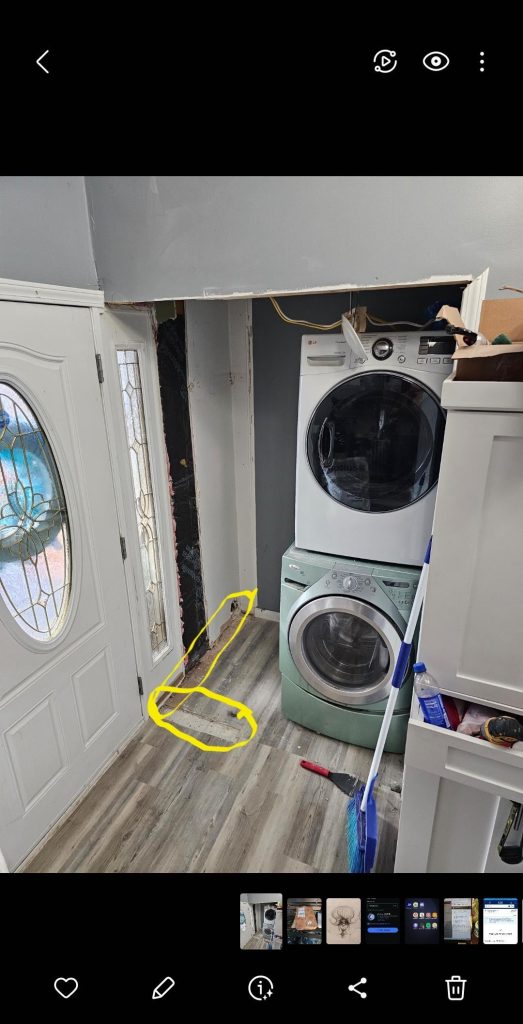
If you’re setting up a new laundry space or moving into a place that mentions a washer dryer hookup, you might wonder what that really means. Is it just a fancy term, or does it affect how you install your machines?
Understanding washer dryer hookups can save you time, money, and frustration. You’ll discover exactly what a washer dryer hookup is, why it matters for your home, and what you need to know before you get started. Keep reading to make sure your laundry setup works smoothly from day one.
Washer Dryer Hookup Basics
A washer dryer hookup is a set of connections in a home. It allows you to install and use a washer and dryer.
These hookups provide water, power, and drainage for your laundry machines.
Definition And Purpose
A washer dryer hookup includes plumbing and electrical points. These points connect your machines to water, electricity, and drainage.
The main purpose is to make laundry easy and safe. It ensures machines work properly and water drains away.
Types Of Hookups
There are different types of hookups depending on the machines and home setup.
- Standard Washer Hookup:Includes hot and cold water valves, a drain pipe, and an electrical outlet.
- Electric Dryer Hookup:Requires a 240-volt power outlet and a vent for hot air.
- Gas Dryer Hookup:Needs a gas line, a 120-volt outlet, and a vent.
- Stacked Washer Dryer Hookup:Designed for space-saving units that stack vertically.
| Type | Water Supply | Power | Vent |
| Standard Washer | Hot and Cold Water | 120-Volt Outlet | No |
| Electric Dryer | No | 240-Volt Outlet | Yes |
| Gas Dryer | No | 120-Volt Outlet + Gas Line | Yes |
| Stacked Unit | Hot and Cold Water | 120 or 240-Volt Outlet | Depends on Model |
Essential Components
A washer dryer hookup means the place where you connect your washer and dryer. It has key parts needed to run both machines safely.
These parts include water, drainage, electricity, and air flow connections. Each is important for the machines to work well.
Water Supply Lines
Water supply lines bring water to the washer. There are usually two lines: one for hot water and one for cold water.
They connect to valves that control the water flow. These valves let you turn water on or off as needed.
- Hot water line for warm and hot washes
- Cold water line for cold washes
- Shut-off valves for safety and maintenance
Drainage System
The drainage system removes used water from the washer. It connects to a drain pipe or standpipe.
The drain must be high enough to stop water from backing up. This keeps your laundry area dry and clean.
- Drain hose from washer to drain pipe
- Standpipe or utility sink as drain point
- Proper height to prevent water backflow
Electrical Connections
Electrical connections power both washer and dryer. Washers usually need a standard 120-volt outlet.
Dryers often need a 240-volt outlet for heat. Make sure outlets match the machine’s power needs.
- 120-volt outlet for washers
- 240-volt outlet for electric dryers
- Grounded outlets for safety
Ventilation Requirements
Dryers need ventilation to remove hot air and moisture. This prevents mold and keeps air fresh.
Vent pipes lead outside to release the air safely. Proper venting also helps dryers run efficiently.
- Vent pipe from dryer to outside
- Use metal ducts, not plastic
- Keep vents clean to avoid fire risks
Installation Considerations
Installing a washer dryer hookup requires careful planning. You must think about space, plumbing, electrical needs, and vent placement.
Proper setup helps your machines work well and stay safe. Each factor plays a key role in the installation process.
Space And Location
Choose a spot with enough room for both washer and dryer. The area should allow easy access for loading and unloading clothes.
- Keep space for doors to open fully
- Allow room behind units for hoses and cords
- Pick a location near water and power sources
- Ensure good ventilation around the machines
Plumbing Requirements
Your washer needs water supply lines for hot and cold water. It also requires a drain to remove used water safely.
| Plumbing Component | Purpose | Notes |
|---|---|---|
| Hot Water Line | Supplies hot water | Check temperature limits |
| Cold Water Line | Supplies cold water | Must have shutoff valve |
| Drain Pipe | Removes wastewater | Should prevent backflow |
Electrical Safety
Dryers and washers need correct electrical connections. Use outlets that match the machine’s power needs to avoid hazards.
- Check voltage and amperage requirements
- Install grounded outlets
- Avoid using extension cords
- Consider hiring a licensed electrician
Vent Placement
Dryer vents must lead outside to remove heat and moisture. Poor venting can cause mold and fire risks.
Keep vents short and straight. Avoid sharp bends to improve airflow and reduce lint buildup.

Credit: www.reddit.com
Common Hookup Configurations
Washer dryer hookups are places where you connect your laundry machines to water and power. They come in different setups based on space and machine type.
Choosing the right hookup helps you save space and use your washer and dryer easily. Here are common hookup configurations.
Stacked Units
Stacked units place the dryer on top of the washer. This saves floor space in small areas.
These hookups need strong support and proper venting for the dryer on top. Water and power connections are usually behind the washer.
Side-by-side Setup
Side-by-side setups put the washer and dryer next to each other. This gives easy access to both machines.
Hookups for this setup need water, power, and venting for both machines. It requires more floor space than stacked units.
All-in-one Washer Dryer
All-in-one units combine washing and drying in a single machine. They use less space than two separate machines.
This hookup needs only one water and power connection. Venting may not be required if the unit is ventless.
Troubleshooting Hookup Issues
Washer dryer hookups can sometimes cause problems during installation or use. Knowing how to fix these issues saves time and money.
This guide covers common hookup problems and solutions for washers and dryers.
Leaks And Water Damage
Leaks happen if water connections are loose or damaged. Check hoses and valves for cracks or holes. Tighten any loose connections to stop leaks.
- Inspect hoses regularly for wear or damage
- Use hose clamps to secure connections
- Replace old or cracked hoses immediately
- Check the water supply valve for leaks
Electrical Problems
Dryers and washers need proper electrical power. If the machine does not start, check the outlet and circuit breaker. Make sure the plug fits tightly.
| Problem | Possible Cause | Solution |
|---|---|---|
| Machine won’t start | Tripped breaker or loose plug | Reset breaker and plug in securely |
| Dryer not heating | Blown fuse or faulty heating element | Replace fuse or heating element |
| Washer stops mid-cycle | Power fluctuation or wiring issue | Check wiring and power supply |
Drainage Blockages
Water must drain freely from the washer. Blocked drains cause water to back up or leak. Clean the drain hose and pump filter often.
- Check the drain hose for kinks or clogs
- Clean the pump filter monthly
- Ensure the drain pipe is not clogged
- Use a drain cleaner if water drains slowly
Ventilation Challenges
Dryers need good airflow to dry clothes and avoid overheating. Poor ventilation causes longer drying times and lint buildup.
Tips for good ventilation:
- Clean the dryer vent and lint trap after every use.
- Check the vent pipe for blockages or damage.
- Use a rigid metal vent pipe instead of plastic.
- Keep the vent pipe as short and straight as possible.
Maintenance Tips
Washer dryer hookups need regular care. Proper upkeep prevents costly repairs. Keep your appliances running smoothly with these tips.
Check your washer dryer setup often. This helps spot issues early. Follow these simple steps for maintenance.
Regular Inspections
Inspect connections for leaks or wear. Look at hoses and seals. Catch problems before they worsen.
- Check water hoses for cracks
- Ensure dryer vent is clear
- Verify electrical connections are tight
Cleaning And Upkeep
Regular cleaning keeps appliances efficient. Clean filters and vents to avoid clogs. This saves energy and extends life.
- Clean lint filter after each use
- Wipe down washer drum monthly
- Vacuum dryer vent every six months
Preventing Mold And Mildew
Mold can grow in damp areas. Keep your washer dry. This stops mildew from forming inside.
- Leave washer door open after use
- Use high-efficiency detergent
- Run a cleaning cycle monthly
Upgrading And Remodeling
Upgrading your laundry area can add convenience and value to your home. Remodeling is an excellent time to consider new washer dryer hookups.
This process ensures your appliances operate efficiently and fit well within your space. Let’s explore some key areas to consider.
Adding A Hookup In Existing Homes
Installing a new washer dryer hookup can be a practical upgrade. It allows you to locate the laundry area where it best suits your needs.
- Assess current plumbing and electrical systems
- Choose a location with proper ventilation
- Consult a professional for installation
Energy-efficient Options
Energy-efficient washer dryers save money and reduce environmental impact. They use less water and electricity, making them a smart choice.
| Feature | Benefit |
| High Efficiency | Less water usage |
| Eco Mode | Reduced energy consumption |
| Energy Star Rated | Lower utility bills |
Smart Washer Dryer Systems
Smart systems offer advanced features for modern homes. They provide convenience and control through technology.

Credit: www.angi.com

Credit: www.reddit.com
Frequently Asked Questions
What Does Washer Dryer Hookup Mean?
Washer dryer hookup refers to the plumbing and electrical connections needed to install a washer and dryer. It includes water supply, drainage, and power outlets. These hookups allow the appliances to operate properly and are essential for laundry setup in homes.
Why Is A Washer Dryer Hookup Important?
A washer dryer hookup ensures your appliances have the correct water, drainage, and electrical connections. Without proper hookups, washers and dryers cannot function safely or efficiently. It simplifies installation and prevents leaks, electrical hazards, and damage.
Where Are Washer Dryer Hookups Usually Located?
Washer dryer hookups are typically found in laundry rooms, basements, or utility closets. They need access to water supply lines, a drain, and electrical outlets. Proper placement ensures convenience and meets building codes for safe operation.
Can I Install A Washer Dryer Hookup Myself?
You can install a washer dryer hookup if you have plumbing and electrical skills. However, hiring a professional is safer and ensures code compliance. Improper installation can cause leaks, electrical issues, and appliance damage.
Conclusion
A washer dryer hookup means a place to connect laundry machines. It includes water, drain, and electrical connections. Knowing this helps you plan your laundry space better. It saves time and avoids extra costs later. Always check if your home has these hookups before buying machines.
This small step makes laundry easier and more efficient. Simple and clear—now you understand what washer dryer hookup means.