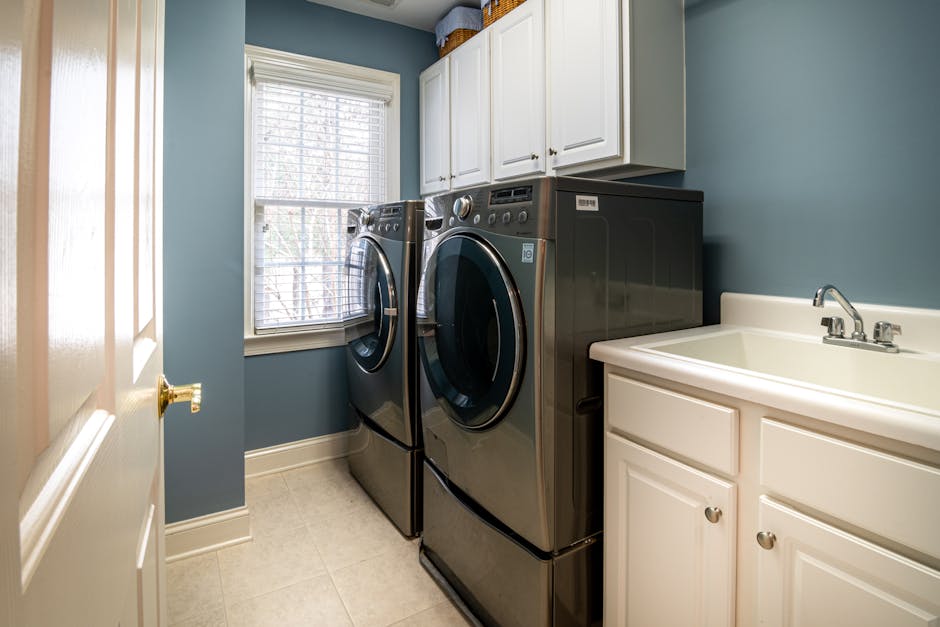
Are you struggling to save space in your laundry area? Stacking your washer and dryer might be the perfect solution.
But how exactly do you do it safely and efficiently? In this guide, you’ll discover simple, step-by-step tips to stack your appliances like a pro. By the end, you’ll have a clear plan to free up space and make your laundry routine easier.
Keep reading, because your laundry room transformation starts here.
Benefits Of Stacking Washer And Dryer
Stacking a washer and dryer saves space in your laundry area. This setup fits well in small rooms or closets. It also helps keep the room neat and easy to use.
This guide explains the main benefits of stacking your washer and dryer. You will learn how it helps with space, organization, and access.
Maximizing Small Spaces
Stacking washer and dryer units use vertical space. This frees up floor space for other uses. It is ideal for apartments or homes with limited laundry rooms.
By stacking, you can fit laundry machines into tight spots. This setup works well in closets or small corners.
Improved Laundry Room Organization
Stacking washer and dryer creates a clean, simple look. It helps keep laundry areas less cluttered. You get more room for shelves or storage nearby.
This arrangement makes it easier to organize laundry supplies. Detergents, fabric softeners, and baskets can fit neatly beside or above the machines.
- More counter space for folding clothes
- Easy access to laundry detergents
- Clear floor area for laundry baskets
Enhanced Accessibility
Stacked machines place the dryer at eye level. This makes loading and unloading easier. You do not have to bend down for both washer and dryer.
Controls on both machines are easier to reach. This setup suits people with back or knee problems. It also speeds up laundry chores.

Credit: tredappliances.ca
Choosing Compatible Appliances
Stacking a washer and dryer saves space in small laundry rooms. Picking the right appliances is key for safety and function.
Not all washers and dryers fit well together. You need to check sizes, models, and weight before stacking.
Matching Sizes And Models
Washers and dryers must have similar widths and depths to stack safely. Different sizes can cause instability.
Many brands sell stackable sets designed to fit perfectly. Using the same brand and model line is best.
- Check the width and depth measurements of both units
- Choose models designed for stacking
- Use stacking kits made for your appliance models
Front-loading Vs. Top-loading Units
Only front-loading washers can be stacked with dryers. Top-loading washers need space on top to open the lid.
Front-load washers have doors on the front, making stacking easy and safe. Top-load washers are not stackable.
- Stack front-load washer below front-load dryer
- Do not stack top-load washers
- Confirm the washer is front-loading before buying a dryer for stacking
Weight And Stability Considerations
The washer usually sits at the bottom because it is heavier. The dryer goes on top for better balance.
Stacking kits help secure the dryer and keep the units stable during use. Stability prevents accidents.
- Place the heavier washer on the bottom
- Use a stacking kit recommended by the manufacturer
- Check that the floor is level and solid
- Test stability before full use
Gathering Necessary Tools And Materials
Stacking a washer and dryer saves space in your laundry area. Before starting, you need the right tools and materials.
Having everything ready helps the installation go smoothly. It also keeps the process safe and secure.
Stacking Kits And Brackets
Stacking kits hold the dryer safely on top of the washer. They come with brackets and hardware made for your models.
Using the right kit ensures the machines do not shift or fall. Some kits fit only specific brands or sizes.
- Check the washer and dryer model numbers
- Buy a stacking kit that matches your machines
- Kits include brackets, screws, and instructions
- Do not use a generic kit without confirming compatibility
Safety Straps And Anchors
Safety straps secure the stacked units to the wall. This prevents tipping during use or an earthquake.
Anchors fix the straps into the wall studs for stronger hold. Using anchors made for your wall type is important.
- Use heavy-duty safety straps rated for appliance weight
- Find wall studs with a stud finder for anchors
- Choose anchors for drywall, concrete, or plaster walls
- Tighten straps firmly but do not over-tighten
Basic Tools Checklist
Basic tools help you install the stacking kit and safety straps. Have these tools ready before you start.
- Screwdriver set (flat and Phillips head)
- Drill with drill bits
- Socket wrench or adjustable wrench
- Stud finder
- Measuring tape
- Level to check machine alignment
- Marker or pencil for marking drill points
Preparing The Laundry Area
Stacking a washer and dryer saves space and keeps your laundry room organized. Proper preparation makes installation easier and safer.
Before stacking your machines, focus on clearing the area, checking connections, and ensuring a level floor. These steps protect your appliances and improve performance.
Clearing And Cleaning The Space
Remove all items from the laundry area to create enough room for the machines. Clean the floor and walls to prevent dirt or debris from damaging your appliances.
- Take out baskets, detergents, and other supplies
- Sweep and mop the floor thoroughly
- Wipe down walls and nearby surfaces
- Check for any mold or mildew and clean it
- Ensure there is enough clearance for the stacked units
Checking Electrical And Plumbing Setup
Verify that the electrical outlet matches your washer and dryer requirements. Check that water supply hoses and drain pipes are in good condition and properly placed.
| Component | Check | Action Needed |
|---|---|---|
| Electrical Outlet | Is it grounded and near the machines? | Install a grounded outlet if missing |
| Water Supply | Are hoses connected tightly and leak-free? | Replace damaged hoses |
| Drainage | Is the drain pipe clear and secure? | Clear clogs or secure loose pipes |
Leveling The Floor
A level floor prevents vibration and noise from stacked machines. Use a spirit level to check the surface and make adjustments if needed.
- Place a spirit level on the floor where machines will sit
- Identify any uneven spots or slopes
- Use shims or leveling feet to correct the floor
- Double-check leveling before stacking the units
Step-by-step Stacking Process
Stacking your washer and dryer saves space in your laundry area. This guide shows you how to do it safely and correctly.
Follow these steps to position, secure, and connect your machines for efficient use.
Positioning The Washer
Place the washer on a flat, stable surface. Make sure it is level to avoid shaking during use.
Leave enough space around the washer for ventilation and connections. Check that the water supply and drain are nearby.
Installing The Stacking Kit
Use a stacking kit designed for your washer and dryer models. It helps secure the dryer safely on top of the washer.
Follow the kit instructions to attach brackets or support bars to the washer. Make sure all screws are tight and parts fit well.
Securing The Dryer On Top
Lift the dryer carefully and place it on top of the washer. Align it with the stacking kit supports.
Use the kit’s straps or screws to fix the dryer firmly to the washer. Check that it does not move or wobble.
Connecting Electrical And Ventilation
Plug the dryer’s power cord into an appropriate outlet. Make sure the outlet can handle the dryer’s power needs.
Attach the dryer vent hose to the exhaust outlet. Secure it with a clamp to prevent leaks and ensure proper airflow.
- Check for tight electrical connections
- Ensure the vent hose is not kinked or crushed
- Test the dryer to confirm it runs properly
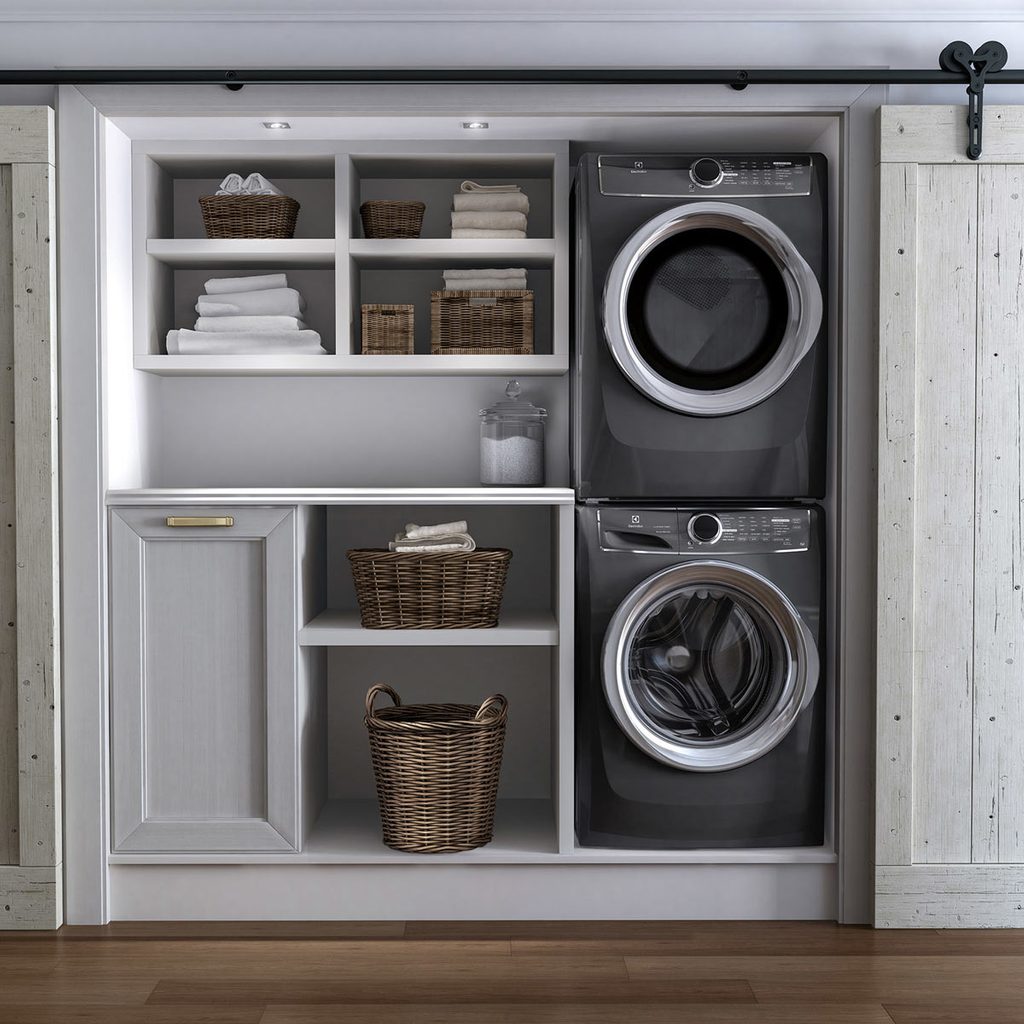
Credit: www.familyhandyman.com
Safety Tips For Stacked Units
Stacking a washer and dryer can save space in your home. To ensure safety, follow these guidelines.
Proper installation and regular checks are key to keeping your stacked units secure and efficient.
Ensuring Stability
Stability is crucial when stacking a washer and dryer. Use stacking kits designed for your specific models.
- Place the washer on a level surface.
- Secure the dryer using a compatible stacking kit.
- Check for any movement after installation.
Preventing Vibration And Noise
Vibration and noise can be reduced with the right setup. Ensure both units are balanced and properly aligned.
Consider adding anti-vibration pads under the washer. This can help minimize noise and movement during cycles.
Regular Maintenance Checks
Regular checks keep your stacked units running smoothly. Inspect them at least once a month.
| Check | Frequency |
| Inspect hoses for leaks | Monthly |
| Clean lint filter | After each use |
| Check stacking kit screws | Quarterly |
Troubleshooting Common Issues
Stacking a washer and dryer saves space but can lead to issues. Understanding common problems helps you fix them quickly.
Learn how to handle uneven surfaces, align appliances, and manage ventilation for efficient operation.
Handling Uneven Surfaces
Uneven surfaces can cause vibrations and noise. Ensure the floor is level before stacking.
- Use a level tool to check the floor.
- Place shims under the washer if needed.
- Adjust the leveling feet of the washer.
Dealing With Appliance Misalignment
Misaligned appliances can affect performance. Align them correctly to avoid issues.
Aligning appliances:
- Check the alignment of the washer and dryer.
- Ensure they are directly on top of each other.
- Reposition if necessary for a perfect fit.
Addressing Ventilation Problems
Proper ventilation is crucial for dryer efficiency. Blocked vents can cause overheating.
| Issue | Solution |
| Blocked vent | Clean the vent regularly. |
| Long vent duct | Shorten the duct for better airflow. |
| Poor airflow | Check for obstructions in the duct. |
Alternative Space-saving Laundry Solutions
Not everyone has a large laundry room for full-size machines. Small homes and apartments need smart options.
Stacking a washer and dryer saves space. There are also other solutions to fit laundry in tight spots.
Compact Washer-dryer Combos
Compact washer-dryer combos combine washing and drying in one machine. They fit in small areas easily.
These units save space and reduce the need for two separate machines. They are good for small homes.
- Use less floor space than separate machines
- Easy to install in closets or small rooms
- Good for light to medium laundry loads
- May take longer to dry clothes than separate dryers
Wall-mounted Dryers
Wall-mounted dryers hang on the wall above a washer or counter. This frees up floor space.
They are usually smaller and lighter than traditional dryers. Ideal for apartments with limited room.
- Keep floor clear for other uses
- Easy to reach and operate
- Works well with front-loading washers
- Requires strong wall support for installation
Portable Units
Portable washers and dryers are small and easy to move. They connect to sinks and use standard outlets.
These units are great for renters or people who move often. They do not need permanent installation.
- Can be stored when not in use
- Suitable for very small spaces
- Lower capacity than full-size machines
- Good for light laundry loads

Credit: www.amazon.ca
Frequently Asked Questions
How Do You Safely Stack A Washer And Dryer?
Use a compatible stacking kit designed for your models. Secure the dryer firmly on top of the washer. Ensure both units are level and stable to prevent tipping or vibration during operation.
Can All Washers And Dryers Be Stacked?
Not all models are stackable. Check your appliance manuals or manufacturer’s website. Only front-loading machines are typically designed for stacking to ensure proper ventilation and access.
What Tools Are Needed To Stack A Washer And Dryer?
You typically need a stacking kit, a screwdriver, and possibly a wrench. The kit includes brackets and hardware to secure the dryer on top. Follow manufacturer instructions carefully for correct installation.
How Much Space Is Saved By Stacking Appliances?
Stacking washers and dryers saves approximately 3 to 4 feet of floor space. This is ideal for small laundry rooms or apartments. It maximizes vertical space without sacrificing appliance capacity.
Conclusion
Stacking a washer and dryer saves space and makes laundry easier. Follow safety steps for a secure setup. Choose the right stacking kit for your machines. Keep hoses and cords organized to avoid damage. Regularly check connections to prevent leaks or issues.
This setup fits well in small homes or apartments. Enjoy more room and a cleaner laundry area. Simple changes can improve your daily routine greatly. Try stacking your washer and dryer for a neat space.