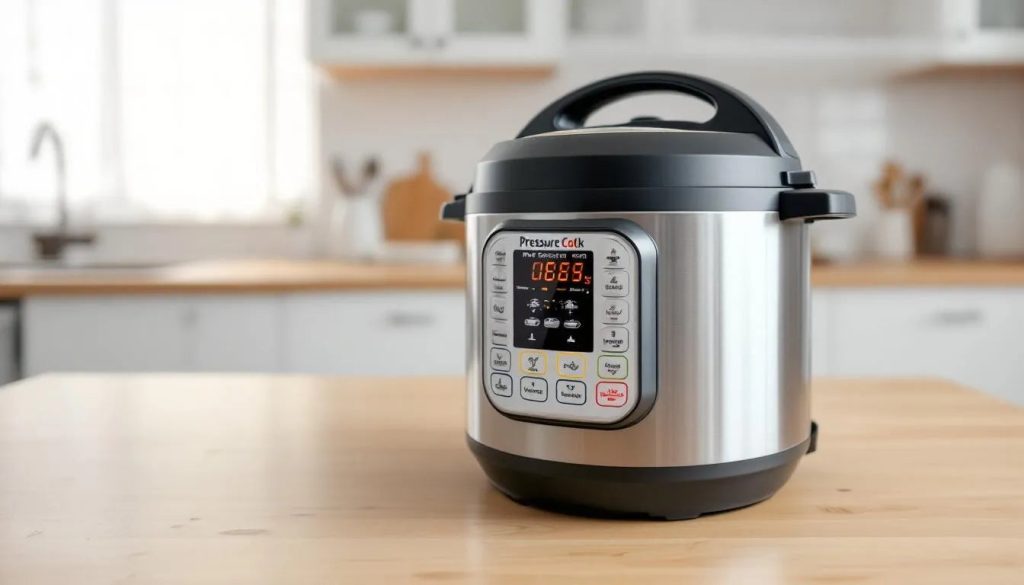
Have you ever wondered if your pressure cooker is doing more than just saving time in the kitchen? When it comes to keeping your food safe, understanding how pressure cooking affects bacteria is key.
You want to be sure that the meals you serve aren’t just tasty but also safe for you and your family. You’ll discover exactly how pressure cooking works to kill harmful bacteria and why it might be one of the best methods for food safety.
Keep reading to learn how this simple kitchen tool can protect your health with every meal.
How Pressure Cooking Works
Pressure cooking uses heat and pressure to cook food faster. It traps steam inside a sealed pot. This steam raises the temperature above boiling point.
The high temperature and pressure help kill bacteria. This makes food safe and tender.
Heat And Steam Mechanics
When water heats in a pressure cooker, it turns into steam. This steam fills the sealed pot. The steam cannot escape, so pressure builds up.
- Steam transfers heat quickly to the food
- The trapped steam increases pressure inside the cooker
- Higher pressure means the boiling point of water rises
- This allows the temperature to go above 100°C (212°F)
Temperature And Pressure Levels
| Pressure Level | Temperature | Effect on Bacteria |
| Normal boiling | 100°C (212°F) | Some bacteria survive |
| 15 psi (pounds per square inch) | 121°C (250°F) | Kills most bacteria and spores |
| Higher pressure | Above 121°C (250°F) | Faster and more complete sterilization |
Pressure cookers usually reach about 15 psi. At this pressure, the temperature inside reaches 121°C. This heat kills harmful bacteria and their spores.

Credit: zombiemyco.com
Bacteria Commonly Found In Food
Many foods contain bacteria that can make people sick. Some bacteria grow naturally on food. Others come from poor handling or dirty surfaces.
Understanding these bacteria helps us cook food safely. Pressure cooking can kill many harmful bacteria. It is important to know which bacteria are common and how they grow.
Types Of Harmful Bacteria
Several types of bacteria cause food poisoning. They differ in how they spread and the symptoms they cause.
- Salmonella:Found in raw eggs, poultry, and meat. It causes diarrhea and fever.
- Escherichia coli (E. coli):Found in undercooked beef and contaminated water. It can cause severe stomach cramps.
- Clostridium perfringens:Grows in cooked meat left out too long. It causes diarrhea and cramps.
- Listeria monocytogenes:Found in soft cheeses and deli meats. It can harm pregnant women and newborns.
- Campylobacter:Common in raw poultry and unpasteurized milk. It causes diarrhea and fever.
Bacterial Growth Conditions
Bacteria need certain conditions to grow. Controlling these stops bacteria from multiplying in food.
| Condition | Description | Effect on Bacteria |
|---|---|---|
| Temperature | Between 40°F and 140°F (4°C and 60°C) | Ideal for fast bacterial growth |
| Moisture | High moisture in food | Allows bacteria to thrive |
| pH Level | Neutral to slightly acidic (pH 4.6–7.5) | Supports bacterial survival |
| Oxygen | Some need oxygen; others grow without it | Affects type of bacteria growing |
| Time | More time at right conditions | More bacteria multiply |
Effectiveness Against Bacteria
Pressure cooking uses high heat and steam to cook food quickly. It can kill many types of bacteria that cause illness.
The high pressure raises the boiling point of water. This higher temperature helps destroy harmful bacteria faster than normal cooking.
Temperature Thresholds For Killing Bacteria
Bacteria die at different temperatures. Most harmful bacteria stop growing at 140°F (60°C).
Pressure cookers reach temperatures above 240°F (116°C). This is hot enough to kill almost all dangerous bacteria.
- 140°F (60°C) – Bacteria stop growing
- 160°F (71°C) – Many bacteria start to die
- 212°F (100°C) – Boiling water kills some bacteria
- 240°F (116°C) – Pressure cooking temperature kills most bacteria
Time Required To Eliminate Pathogens
The time needed to kill bacteria depends on the temperature. Higher temperatures need less time.
Pressure cooking usually takes 5 to 30 minutes. This time is enough to destroy most harmful bacteria and pathogens.
- 5 minutes at 250°F (121°C) kills many bacteria
- 10 to 15 minutes kills tougher spores
- 30 minutes ensures all pathogens are destroyed
Credit: www.lemon8-app.com
Limitations Of Pressure Cooking
Pressure cooking uses high heat and steam to cook food faster. It kills many bacteria but not all types of germs. Some microbes can survive even in high pressure and temperature.
Understanding the limits of pressure cooking helps keep food safe. Certain bacteria and unsafe use can cause health risks.
Bacterial Spores And Heat Resistance
Some bacteria form spores that resist heat and pressure. These spores can survive cooking and grow later if food is not stored properly.
- Bacterial spores need higher temperatures or longer cooking times to die.
- Pressure cookers usually reach 121°C (250°F) which can kill many spores.
- Not all pressure cookers maintain this temperature long enough.
- Improper cooking can leave spores alive and cause food poisoning.
Improper Use And Safety Risks
Using a pressure cooker incorrectly can cause health and safety problems. This includes undercooking, poor sealing, and ignoring manufacturer instructions.
| Common Issue | Risk | Effect |
| Underpressure Cooking | Food not fully cooked | Bacteria survive |
| Poor Seal | Steam escapes | Lower temperature |
| Ignoring Times | Shorter cook time | Unsafe food |
| Old Equipment | Faulty valve or gasket | Pressure loss or explosion risk |
Tips For Safe Pressure Cooking
Pressure cooking is a quick way to cook food. It uses high heat and steam to kill bacteria.
Following safety tips helps make sure your food is safe and healthy to eat.
Proper Cooking Times And Temperatures
Cooking food for the right time and temperature kills harmful bacteria. Undercooked food can cause illness.
Use a pressure cooker guide or recipe to set the time and pressure level correctly.
- Cook meat at least 165°F (74°C) inside for safety
- Follow recommended cooking times for vegetables and grains
- Keep pressure steady during cooking
- Allow natural pressure release for proper heat distribution
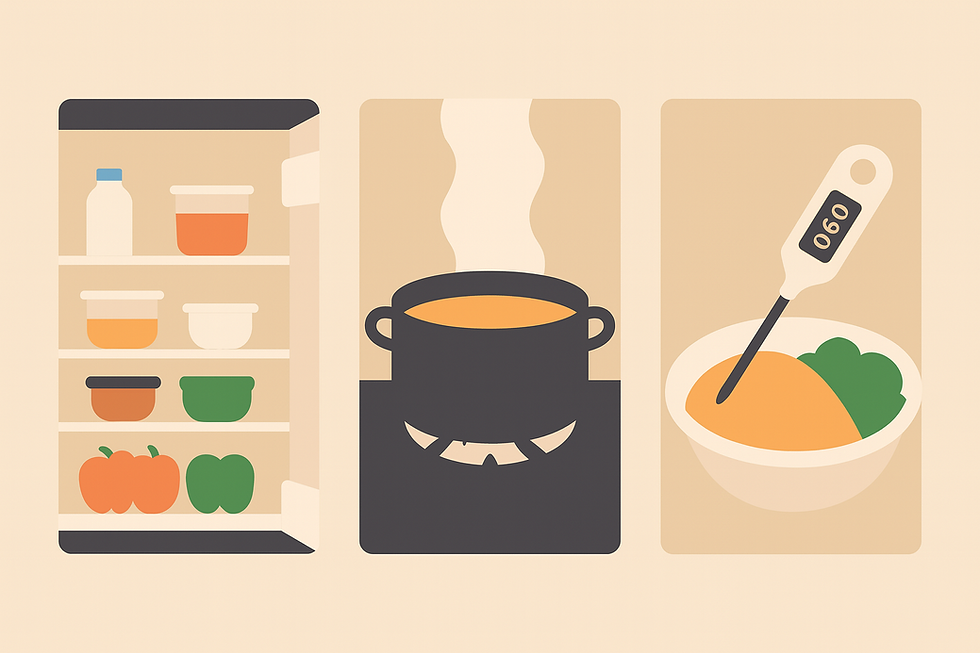
Cleaning And Maintenance Practices
Cleaning your pressure cooker well stops bacteria from growing. This keeps your food safe.
Check and clean all parts after each use. Replace worn parts to keep the cooker working well.
- Wash the lid, gasket, and pot with warm, soapy water
- Inspect the sealing ring for cracks or damage
- Clean the pressure valve to remove food debris
- Store the cooker with the lid off to avoid odors
Credit: www.harshal-patil.com
Frequently Asked Questions
Does Pressure Cooking Destroy All Harmful Bacteria?
Pressure cooking effectively kills most harmful bacteria by using high temperatures and pressure. The process raises the boiling point of water, ensuring thorough cooking. This method is highly efficient in eliminating pathogens, making food safe. However, it’s crucial to follow recommended cooking times and temperatures for complete safety.
Is Pressure Cooking Better Than Boiling For Bacteria?
Yes, pressure cooking is more effective than boiling for killing bacteria. It uses higher temperatures and pressure, which destroy bacteria more efficiently. Boiling only reaches 100°C, while pressure cooking can exceed this, ensuring better sterilization of food. This makes pressure cooking a preferred method for safety.
Can Pressure Cooking Eliminate Foodborne Illnesses?
Pressure cooking can significantly reduce the risk of foodborne illnesses. The high heat and pressure kill harmful bacteria and pathogens effectively. This method ensures that food is cooked thoroughly, reducing the chance of contamination. However, proper handling and storage are also crucial in preventing foodborne diseases.
Does Pressure Cooking Affect Nutrient Content?
Pressure cooking preserves more nutrients compared to other methods. The quick cooking time reduces the loss of vitamins and minerals. This method retains flavors and textures while ensuring food safety. It’s a healthy cooking option that maintains the nutritional value of ingredients better than prolonged cooking methods.
Conclusion
Pressure cooking uses high heat and steam to kill bacteria effectively. It reduces cooking time while ensuring food safety. This method helps destroy harmful germs that cause illness. Always follow proper cooking times for best results. Clean your pressure cooker after each use to avoid contamination.
Pressure cooking can be a safe and fast way to prepare meals. Trust the process, but stay mindful of hygiene and timing. Safe food means healthy eating and peace of mind.