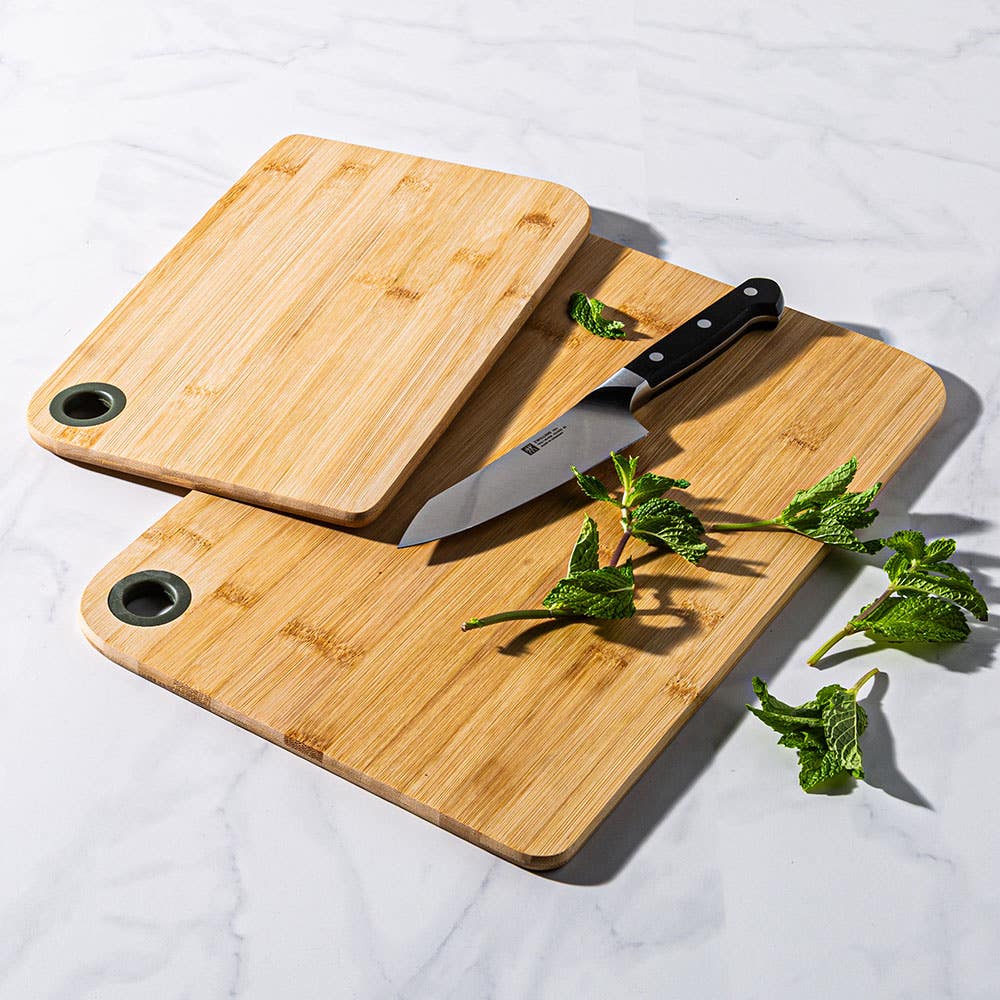
Are you wondering if bamboo is the right choice for your cutting board? Choosing the perfect cutting board matters more than you might think—it affects your kitchen’s hygiene, durability, and even how your knives perform.
Bamboo has become a popular option, but is it really as good as people say? You’ll discover the surprising benefits and potential downsides of bamboo cutting boards. By the end, you’ll know exactly whether bamboo fits your cooking style and kitchen needs.
Keep reading to make the best choice for your cutting board!
Why Choose Bamboo
Bamboo is a popular choice for cutting boards. It offers many benefits that make it stand out.
People look for durability, safety, and eco-friendliness in kitchen tools. Bamboo meets these needs well.
Durability And Strength
Bamboo is a hard and strong material. It resists scratches and cuts better than many woods.
- Harder than traditional hardwoods
- Less likely to crack or warp
- Long-lasting with proper care
Natural Antibacterial Properties
Bamboo contains natural substances that fight bacteria. This helps keep your cutting board cleaner.
| Material | Bacterial Growth |
| Bamboo | Low |
| Plastic | Moderate |
| Wood (Oak) | Low to Moderate |
Eco-friendly Material
Bamboo grows fast and renews quickly. It needs less water and no pesticides.
Benefits of Bamboo for the Environment:
- Rapid growth reduces deforestation
- Biodegradable and compostable
- Minimal chemical use in farming
- Helps reduce carbon footprint

Credit: www.kitchenstuffplus.com
Comparing Bamboo To Other Woods
Bamboo is a popular material for cutting boards. It is often compared to hardwoods like maple and walnut. This comparison helps buyers choose the best cutting board for their needs.
This article looks at three key points: hardwood versus bamboo, maintenance and longevity, and cost differences.
Hardwood Vs Bamboo
Hardwood cutting boards usually come from trees like maple, oak, or walnut. Bamboo is a grass but is processed to form strong boards. Bamboo is harder and less porous than many hardwoods.
- Hardwood is softer and may show knife marks more easily.
- Bamboo resists water better and is less likely to warp.
- Hardwood boards can be heavier than bamboo boards.
- Bamboo is eco-friendly because it grows faster than trees.
Maintenance And Longevity
Both bamboo and hardwood boards need care to last. Regular oiling keeps them from drying out. Bamboo requires less oiling due to its natural hardness.
| Feature | Bamboo | Hardwood |
|---|---|---|
| Cleaning | Wipe with damp cloth, dry quickly | Hand wash, dry immediately |
| Oiling | Every few months | Monthly for best results |
| Durability | Resists cuts and cracks well | Prone to knife marks and scratches |
| Warping | Rare if dried properly | Can warp if left wet |
Cost Differences
Bamboo cutting boards are generally less expensive than hardwood boards. This is because bamboo grows quickly and is easier to produce.
- Bamboo boards cost less per square inch.
- Hardwood boards can be pricier due to slower growth of trees.
- High-end hardwoods like walnut may be the most expensive.
- Bamboo offers a budget-friendly option without losing quality.
Benefits For Kitchen Use
Bamboo is a popular material for cutting boards. It offers many benefits in the kitchen. It is strong and easy to clean.
Using bamboo cutting boards can improve your food prep experience. They balance durability and care well.
Knife-friendly Surface
Bamboo has a smooth surface that protects knife edges. It is hard enough to last long, but gentle on blades.
- Helps keep knives sharp longer
- Reduces blade dulling compared to harder boards
- Offers stable cutting without slipping
Resistance To Moisture
Bamboo resists water better than many wood types. It does not soak up moisture easily.
| Material | Water Absorption |
| Bamboo | Low |
| Maple Wood | Medium |
| Plastic | High |
Lightweight And Portable
Bamboo boards are easy to carry and move around. Their light weight helps with kitchen tasks.
- Easy to clean and store
- Good for small kitchens or outdoor use
- Convenient for quick chopping or serving
Caring For Bamboo Cutting Boards
Bamboo cutting boards are popular for their strength and eco-friendliness. To keep them in good shape, proper care is important.
Following simple care steps can make your bamboo board last longer and stay clean.
Cleaning Tips
Clean bamboo boards right after use. Wash them with warm, soapy water and a soft sponge.
Do not soak the board in water or put it in the dishwasher. This can damage the bamboo.
- Use mild dish soap and warm water
- Rinse well and dry with a towel
- Air dry standing up to avoid moisture
Oiling And Conditioning
Oiling keeps bamboo boards from drying out. Use food-safe mineral oil to condition the surface.
Apply oil once a month or when the board looks dry. Rub it in with a soft cloth and let it soak overnight.
- Use mineral oil or bamboo-specific conditioner
- Apply evenly on the entire board
- Wipe off extra oil after soaking
Avoiding Cracks And Warping
Bamboo can crack or warp if it gets too wet or dries too fast. Keep it away from extreme heat or moisture.
Store your board in a dry place. Avoid placing hot pots or pans on the board.
- Do not soak or wash in dishwasher
- Keep away from direct sunlight and heat
- Store upright to allow air flow
Potential Drawbacks
Bamboo cutting boards have many benefits, but they also have some drawbacks. It is important to know these before choosing one.
This section covers two main issues: how easily bamboo scratches and if it is good for heavy chopping.
Susceptibility To Scratches
Bamboo is a hard material, but it can still get scratched by knives. These scratches can make the board look worn out fast.
- Scratches can harbor bacteria if not cleaned well.
- Knife marks may dull your blades over time.
- Frequent scratches can reduce the board’s lifespan.
Not Ideal For Heavy Chopping
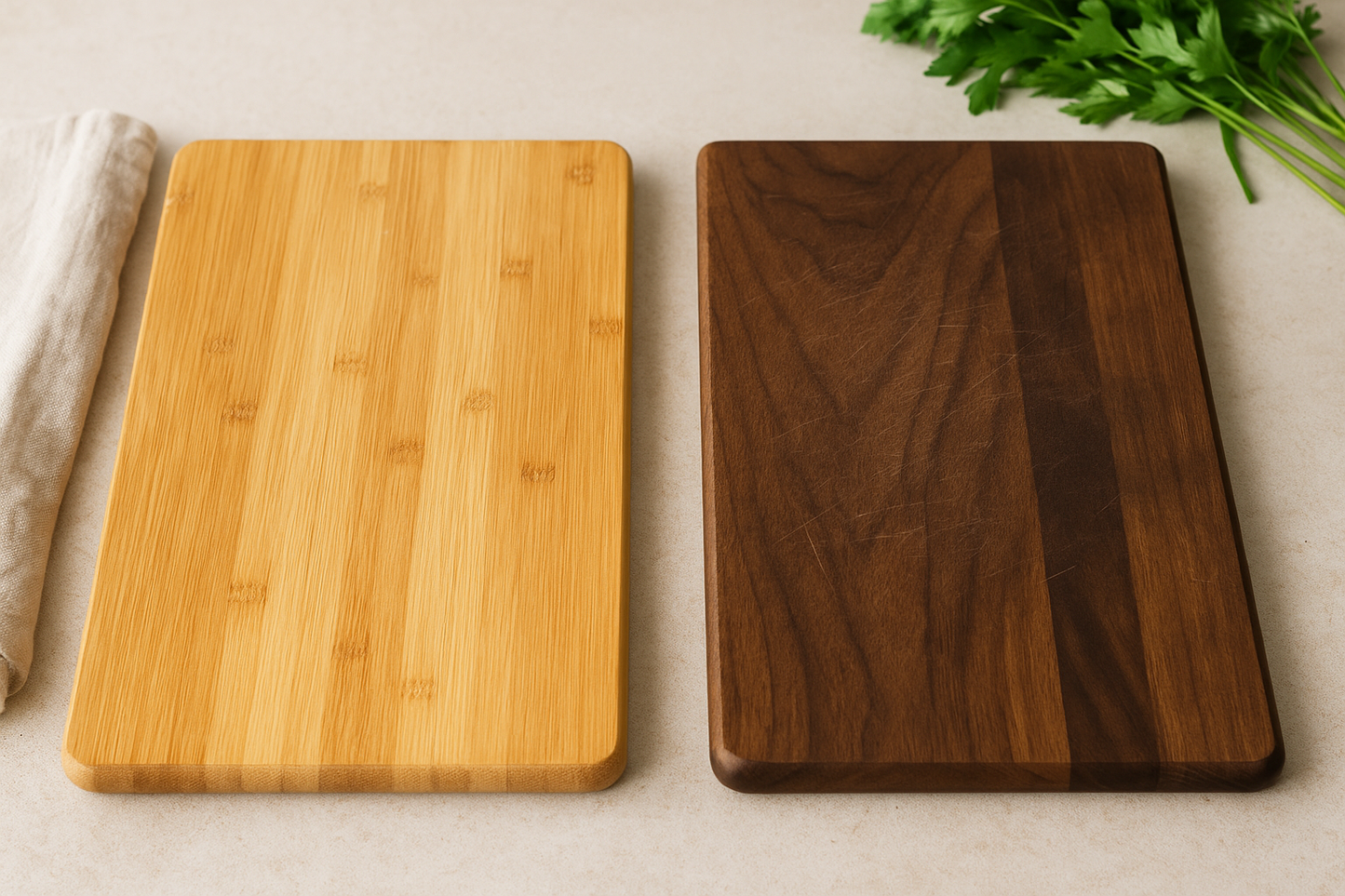
Bamboo boards are not the best choice for heavy chopping tasks. They do not absorb impact as well as some other woods.
| Material | Heavy Chopping Suitability | Durability |
|---|---|---|
| Bamboo | Low | Moderate |
| Maple | High | High |
| Walnut | High | High |

Credit: miti-life.com
Credit: www.deerandoak.co.uk
Frequently Asked Questions
Is Bamboo A Durable Material For Cutting Boards?
Bamboo is highly durable and resistant to knife marks. Its hardness protects the board from deep cuts, ensuring long-lasting use. This makes bamboo cutting boards a practical choice for everyday kitchen tasks.
Does Bamboo Resist Bacteria Better Than Other Woods?
Yes, bamboo naturally inhibits bacterial growth due to its dense fiber structure. It resists moisture absorption, reducing the chance of bacteria buildup. This makes bamboo cutting boards safer and more hygienic compared to some hardwood boards.
How Should I Maintain A Bamboo Cutting Board?
Clean bamboo boards with mild soap and warm water. Avoid soaking or dishwasher use to prevent warping. Regularly oiling with food-safe mineral oil keeps the board smooth and extends its lifespan.
Is Bamboo Eco-friendly For Cutting Boards?
Bamboo is a sustainable, fast-growing grass that regenerates quickly. It requires fewer resources than hardwood trees, making it an eco-friendly material. Choosing bamboo cutting boards helps reduce environmental impact.
Conclusion
Bamboo makes a great choice for cutting boards. It is strong and resists knife marks well. Bamboo is also naturally antibacterial, which helps keep food safe. This wood is light and easy to clean. Plus, bamboo grows fast, so it is good for the environment.
Many cooks prefer bamboo for these reasons. Consider trying a bamboo cutting board for your kitchen. It offers good value and long-lasting use. Simple, practical, and eco-friendly. What more could you want?