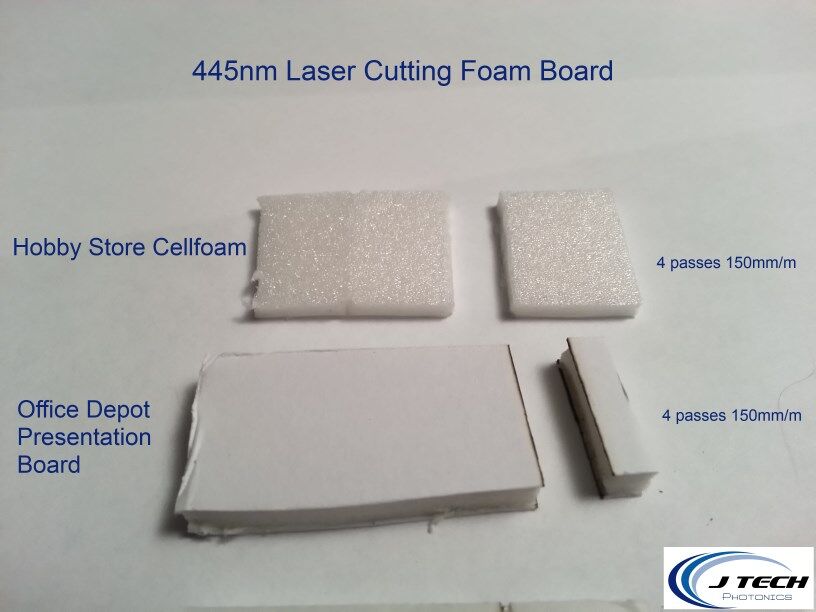
Are you struggling to get clean, straight cuts on your foam core board? You’re not alone.
Cutting foam core board can be tricky if you don’t have the right tools or technique. But once you learn how to do it properly, your projects will look sharper and more professional. In this guide, you’ll discover simple, step-by-step tips that anyone can follow to cut foam core board with ease and precision.
Keep reading, and you’ll never have to worry about messy edges or wasted materials again.
Credit: medium.com
Choosing The Right Tools
Cutting foam core board needs the right tools to get clean edges. Using the wrong blade or accessory can cause rough cuts or damage the board.
Picking the correct tools helps you work faster and with more accuracy. Let’s look at the types of cutting blades and essential accessories for foam core boards.
Types Of Cutting Blades
Different blades work better for foam core boards depending on the cut needed. Here are some common blades used:
- Utility Knife Blades:Sharp and easy to replace, perfect for straight cuts.
- X-Acto Knife Blades:Fine and precise, good for detailed or curved cuts.
- Carpet Knife Blades:Longer blades that handle thick foam core boards well.
- Razor Blades:Thin and very sharp, best for quick, clean slices.
Always use a sharp blade to avoid tearing or squashing the foam inside. Change blades often for the best results.
Essential Accessories
| Accessory | Purpose | Tip |
|---|---|---|
| Cutting Mat | Protects surfaces and helps keep cuts straight | Use a self-healing mat for durability |
| Metal Ruler | Guides blades for straight cuts | Choose one with a non-slip backing |
| Clamps | Keeps the board steady while cutting | Use adjustable clamps for different board sizes |
| Safety Gloves | Protects hands from blade slips | Wear gloves with good grip and cut resistance |
Credit: thesolomeeple.com
Preparing The Foam Core Board
Cutting foam core board starts with proper preparation. Getting ready helps make clean and accurate cuts. This guide covers measuring, marking, and securing the board.
Careful preparation saves time and reduces mistakes. Follow these steps to prepare your foam core board well.
Measuring And Marking
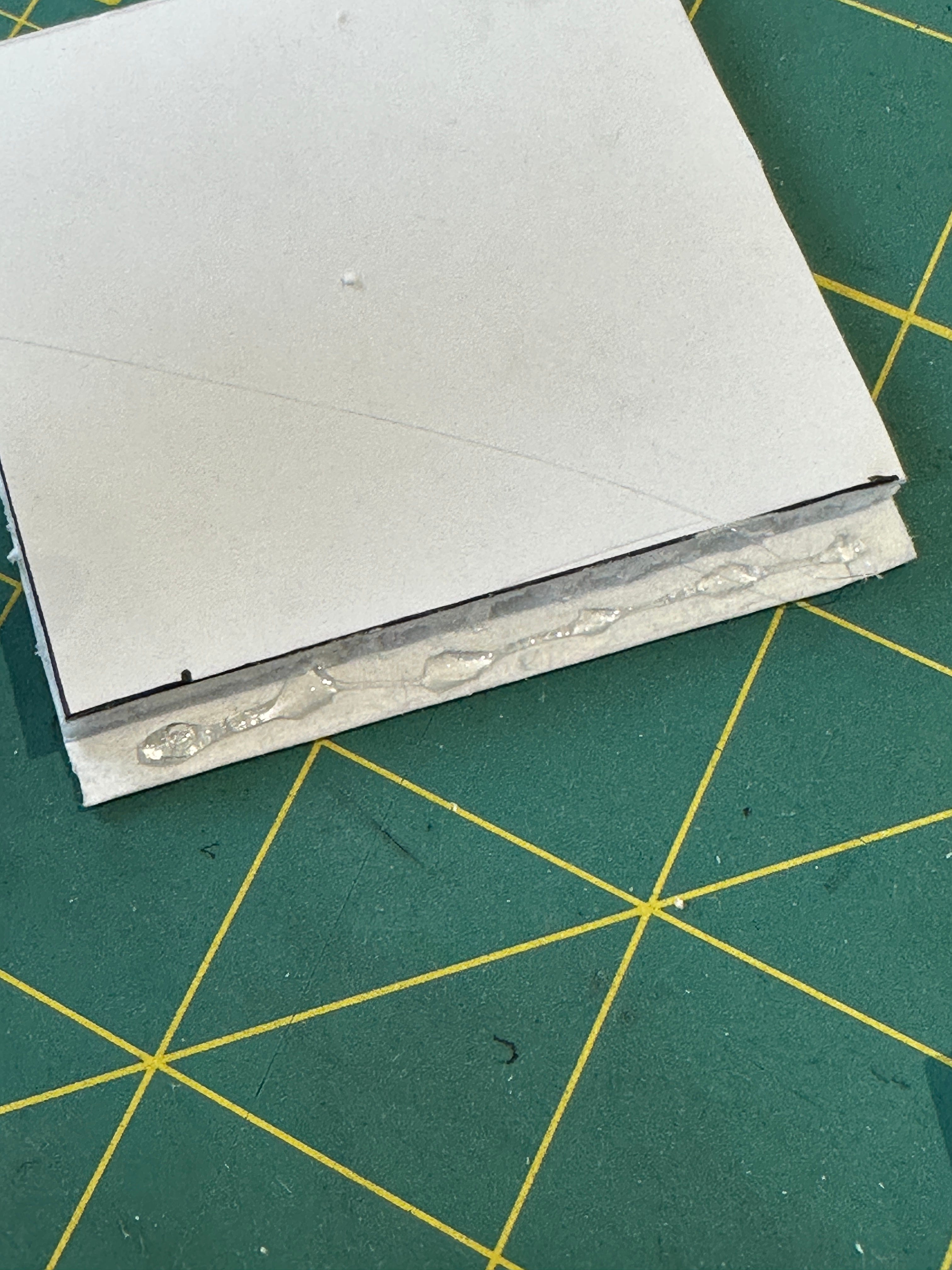
Measure your foam core board carefully before cutting. Use a ruler or measuring tape for accuracy. Mark the cutting lines clearly with a pencil.
- Use a metal ruler for straight lines
- Mark both ends and connect the marks
- Keep marks light to avoid visible lines after cutting
- Double-check measurements before marking
Securing The Board
Keep the foam core board steady while cutting. This prevents slips and jagged edges. Use clamps or weights to hold the board in place on a flat surface.
| Method | Advantages | Tips |
| Clamps | Strong hold, no movement | Use padded clamps to avoid damage |
| Weights | Easy to adjust position | Place evenly to keep board flat |
| Non-slip Mat | Keeps board from sliding | Use under board on smooth surfaces |
Cutting Techniques
Cutting foam core board needs care and the right tools. Good cutting makes your project look neat and clean.
Use different cutting methods for straight, curved, and layered shapes. Each method gives a different result.
Straight Cuts
For straight cuts, use a metal ruler to guide your blade. A sharp craft knife works best. Cut slowly and press lightly to avoid bending the board.
- Place the foam core on a flat surface.
- Align the metal ruler where you want to cut.
- Hold the ruler firmly to prevent slipping.
- Run the knife along the ruler with light pressure.
- Repeat the cut if needed to go through the board.
Curved Cuts
Curved cuts require a flexible blade or a sharp craft knife. Mark your curve with a pencil first. Cut slowly and use short strokes for control.
Tips for curved cutting:
- Use a new blade to avoid tearing.
- Keep your hand steady and move the board, not the knife.
- Practice on scrap pieces before cutting your final shape.
Layered Cuts
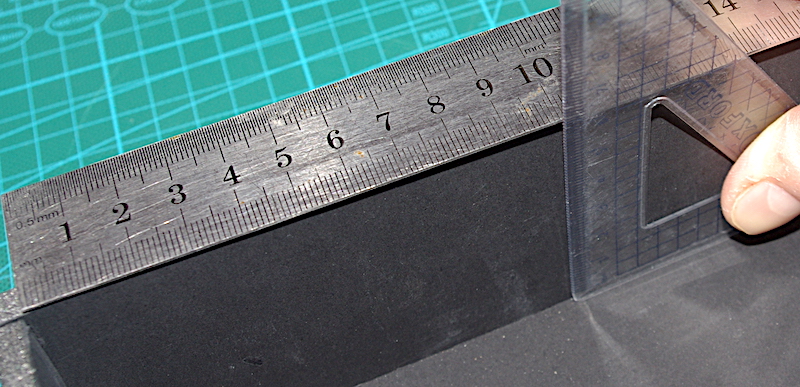
Layered cuts help create depth in your designs. Cut each layer separately and stack them carefully. Use glue to hold the layers together.
| Layer Type | Cutting Tip | Glue Recommendation |
|---|---|---|
| Thin Layer | Use a single pass with a sharp blade. | Apply a thin layer of white glue. |
| Thick Layer | Make several light cuts to avoid cracking. | Use foam-safe contact adhesive. |
| Multiple Layers | Cut pieces to fit before gluing. | Clamp layers until dry. |
Avoiding Common Mistakes
Cutting foam core board can be tricky if you do not follow simple tips. Mistakes can cause rough edges and uneven cuts.
Knowing how to avoid these errors helps you get neat and clean cuts every time.
Preventing Edge Crumbling
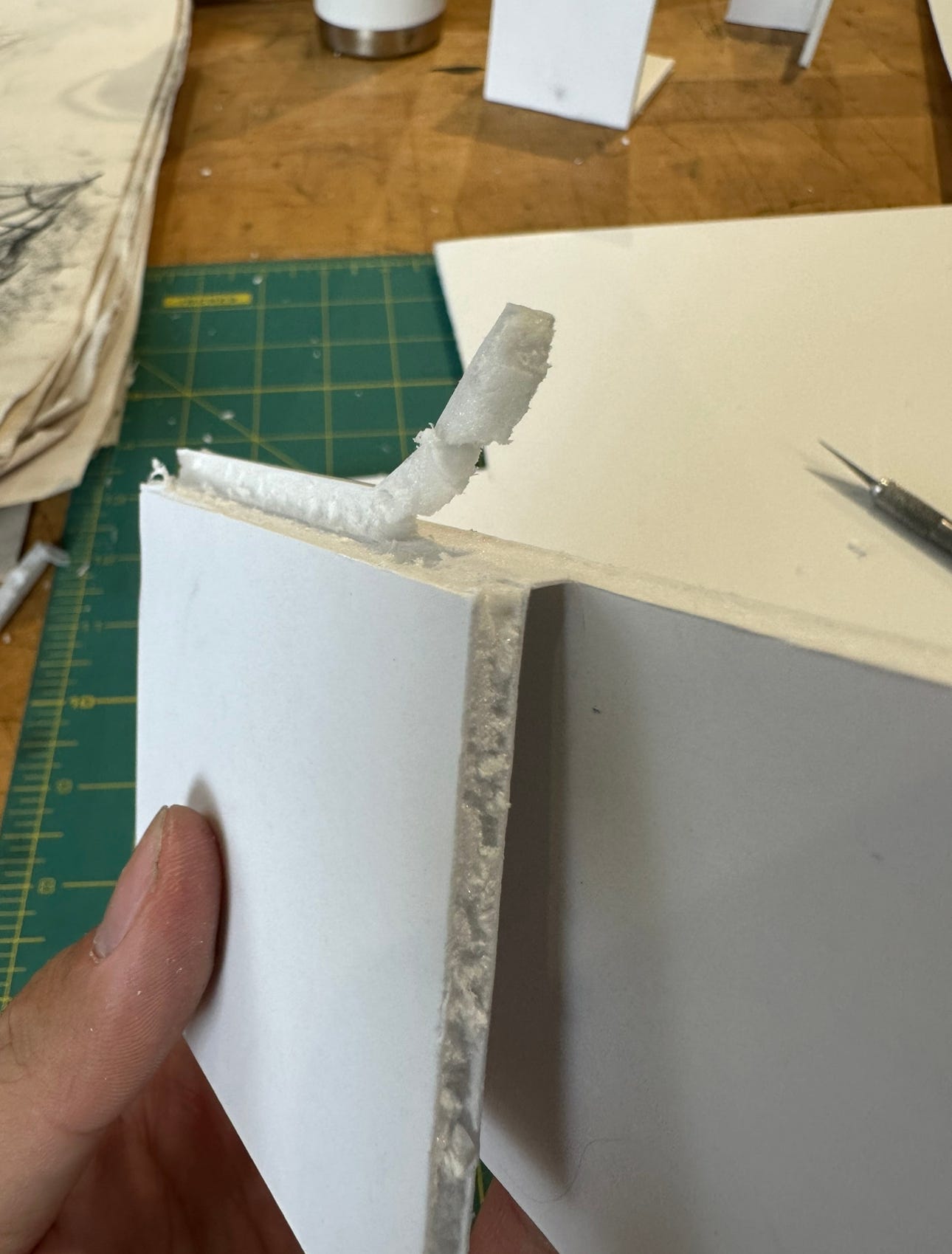
Edge crumbling happens when the foam core breaks apart while cutting. This makes your project look messy and unprofessional.
Use a sharp blade and cut slowly to keep edges smooth. Press firmly but do not push too hard.
- Use a new or very sharp craft knife
- Make several light passes instead of one deep cut
- Cut on a flat, stable surface
- Hold the foam core board steady to avoid shifting
Maintaining Clean Lines
Clean lines make your foam core board cuts look professional. Wobbly or jagged lines reduce the quality of your work.
Use a ruler or straight edge as a guide. This helps you cut straight and avoid mistakes.
- Place a metal ruler firmly along the cutting line
- Cut slowly along the ruler edge
- Keep your blade perpendicular to the board
- Replace the blade often to keep cuts clean
Finishing Touches
After cutting your foam core board, finishing touches improve its look and feel. These steps make your project neat and ready for display.
Taking time to finish edges and add protection helps your foam core last longer and look professional.
Sanding Edges
Sanding smooths out rough or uneven edges after cutting. Use fine-grit sandpaper for best results.
Gently sand the edges in one direction to avoid tearing the foam or paper layer.
- Choose 220-grit or finer sandpaper
- Sand lightly to keep the edge straight
- Remove dust with a soft cloth
Sealing And Painting
Sealing protects the foam core from moisture and damage. Use a clear sealant or primer for best results.
Painting adds color and helps hide any small flaws. Use acrylic paint and apply thin, even coats.
- Apply a thin primer or sealant first
- Let each paint coat dry fully before adding another
- Avoid heavy paint that can warp the board
- Use a soft brush or foam roller for smooth finish
Credit: medium.com
Frequently Asked Questions
How Do You Cut Foam Core Board Cleanly?
To cut foam core board cleanly, use a sharp utility knife. Make sure to apply steady pressure and follow a straight edge guide. Always use a cutting mat to protect surfaces. Replace blades frequently to ensure clean cuts without fraying.
What Tools Are Best For Cutting Foam Core?
The best tools for cutting foam core include a utility knife or a craft knife. Both provide precision and ease. A metal ruler or straight edge can guide cuts. Always work on a cutting mat for safety and precision.
Can You Cut Foam Board With Scissors?
Cutting foam board with scissors is not recommended. Scissors can crush the foam and create uneven edges. For cleaner, more precise cuts, use a utility knife or craft knife. Always ensure the blade is sharp for the best results.
How To Avoid Jagged Edges When Cutting Foam Board?
To avoid jagged edges, use a sharp blade and steady pressure. Guide the cut with a metal ruler. Replace the blade when it starts to drag. Always cut on a stable surface to maintain control and precision.
Conclusion
Cutting foam core board is simple with the right tools and steps. Always measure twice to avoid mistakes. Use a sharp blade for clean, smooth edges. Take your time and work on a safe surface. Practice on scrap pieces before the final cut.
Follow these tips to get neat, precise results. Your projects will look better and last longer. Keep tools clean and replace blades often. Enjoy crafting with confidence and ease every time.