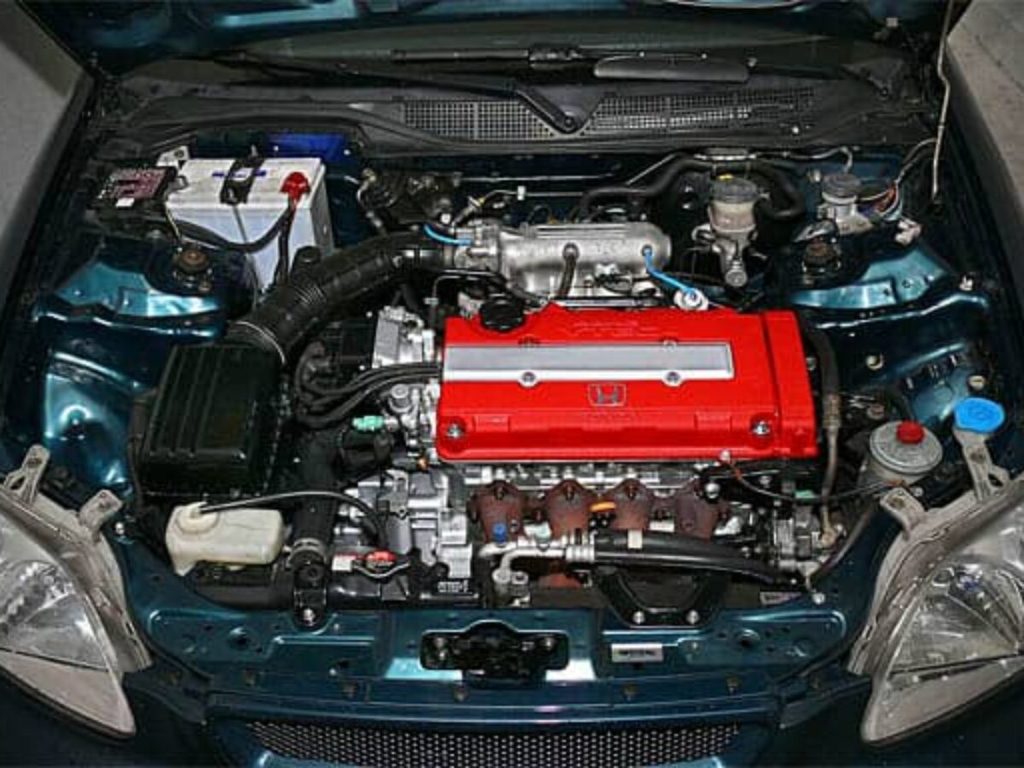
Are you curious about what powers your Honda Civic? Knowing the type of engine inside your car can help you understand its performance, fuel efficiency, and reliability.
Whether you’re thinking about buying a Civic or already own one, getting to know its engine is key. You’ll discover exactly what engine your Honda Civic has, how it works, and why it’s built the way it is. Keep reading to unlock the secrets under your car’s hood and make the most of your driving experience.
Honda Civic Engine Types
The Honda Civic offers a variety of engine types designed to meet different driving needs. Each engine balances power, fuel efficiency, and reliability. Understanding these options helps you choose the right Civic model for your lifestyle.
Gasoline Engines
Honda Civic gasoline engines are known for smooth performance and good fuel economy. Most models feature naturally aspirated four-cylinder engines. These engines deliver reliable power for daily driving and highway cruising. They use advanced fuel injection systems to optimize efficiency. The engines are also built to be durable and low maintenance.
Turbocharged Variants
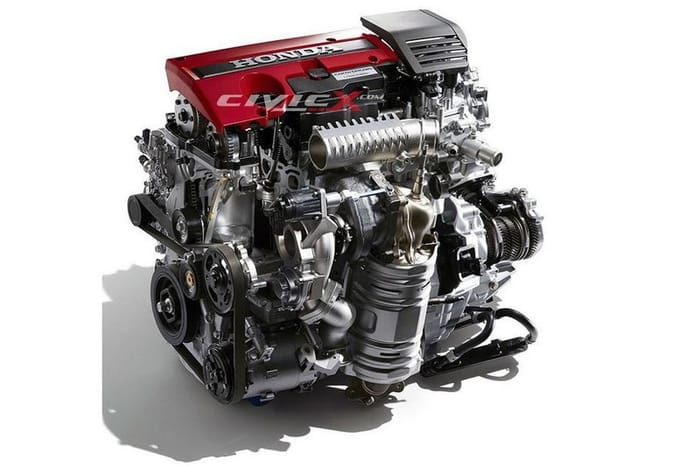
Turbocharged Civic engines offer more power without sacrificing fuel economy. A turbocharger forces extra air into the engine, boosting performance. These engines provide quicker acceleration and a sportier feel. They are popular in higher trims and sport models. Turbocharged variants maintain good mileage while delivering dynamic driving experiences.
Hybrid Options
Honda Civic hybrid engines combine gasoline power with electric motors. This setup reduces fuel consumption and emissions. Hybrid Civics are ideal for city driving and stop-and-go traffic. The electric motor assists the engine to improve efficiency. Honda’s hybrid technology ensures smooth transitions between power sources for a quiet ride.
Engine Specifications By Model Year
The Honda Civic’s engine has changed a lot over the years. Each model year brought new features and improvements. Understanding these changes helps you know what powers each Civic generation.
This section breaks down the engine specifications by model year. It covers early generations, mid-2000s updates, and recent models. Each period highlights important engine details and performance traits.
Early Generations
The first Civics launched in the early 1970s. They featured small, efficient engines focused on fuel economy. Most had 1.2L to 1.5L inline-4 engines.
- Power output ranged from 50 to 70 horsepower.
- Engines were carbureted, simple, and easy to maintain.
- Manual transmissions were common, with some automatic options.
These engines prioritized reliability and economy over speed.
Mid-2000s Updates
By the mid-2000s, Honda improved engine technology. Fuel injection replaced carburetors for better efficiency.
- Engine sizes grew to 1.7L and 2.0L inline-4 options.
- Power increased to 115-160 horsepower depending on the model.
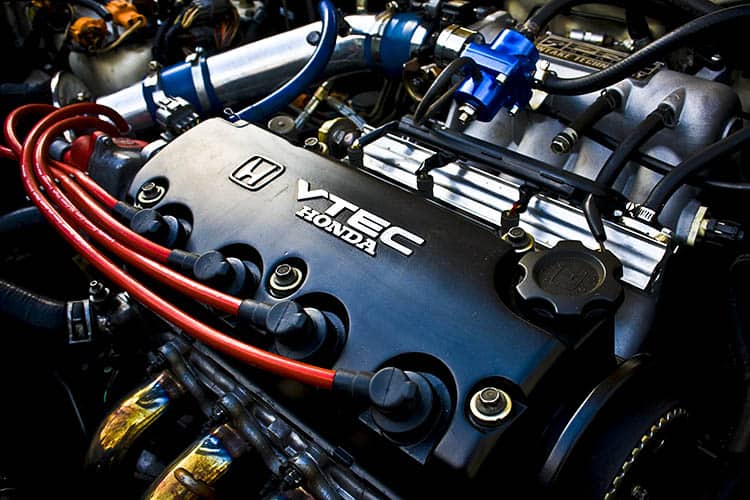
- Variable Valve Timing (VTEC) became common for improved performance.
These updates balanced power and fuel economy well.
Recent Models
Recent Civics use advanced turbocharged engines and hybrid options. This improves power and reduces emissions.
| Engine Type | Displacement | Horsepower | Fuel Type |
|---|---|---|---|
| Turbocharged Inline-4 | 1.5L | 174-180 hp | Gasoline |
| Hybrid Inline-4 + Electric | 2.0L | 212 hp (combined) | Gasoline + Electric |
These engines offer strong acceleration and excellent fuel economy.
Performance Features
The Honda Civic offers a blend of performance features designed to deliver a smooth and responsive driving experience. Its engine options balance power and efficiency, making it suitable for daily commutes and weekend drives. The Civic’s engineering focuses on providing reliable performance without sacrificing fuel economy or comfort.
Horsepower And Torque
The Honda Civic comes with different engine choices depending on the model. Most trims feature a 2.0-liter four-cylinder engine producing around 158 horsepower. The turbocharged 1.5-liter four-cylinder engine boosts power to 180 horsepower. Torque ranges from 138 lb-ft in the base engine to 177 lb-ft in the turbocharged version. This power helps the Civic accelerate quickly and handle well on highways and city streets.
Fuel Efficiency
Fuel economy remains a strong point for the Honda Civic. The 2.0-liter engine averages about 31 miles per gallon in the city and 40 on the highway. The turbocharged 1.5-liter engine improves these numbers, offering up to 33 mpg city and 42 mpg highway. These figures make the Civic an economical choice for drivers focused on saving fuel and reducing emissions.
Transmission Options
- 6-speed manual transmission for a more engaging drive
- Continuously Variable Transmission (CVT) for smooth and efficient shifts
The CVT helps optimize fuel efficiency and provides seamless acceleration. The manual transmission appeals to driving enthusiasts who want more control. Both options complement the Civic’s engine choices well, catering to different driving preferences.
Credit: www.drifted.com
Engine Technology Innovations
The Honda Civic’s engine isn’t just about raw power; it’s a blend of smart innovations designed to boost performance and efficiency. These technologies allow the Civic to adapt to different driving conditions, giving you a smoother and more responsive ride. Understanding these features helps you appreciate how Honda balances power with fuel economy.
Vtec System
The Variable Valve Timing and Lift Electronic Control (VTEC) system changes the way the engine breathes at different speeds. At low RPMs, it optimizes fuel efficiency and smoothness. When you push the engine harder, VTEC switches to a mode that increases power and responsiveness.
I remember driving a Civic with VTEC on a winding road—it felt like the car came alive as I accelerated out of corners. This system means you don’t have to sacrifice fuel economy for performance; you get both in one engine.
Turbocharging Technology
Many modern Civic models use turbocharged engines to deliver more power from smaller engines. The turbocharger squeezes extra air into the engine, which helps produce more power without increasing fuel consumption significantly. This technology makes the Civic feel punchy and lively, especially during highway overtakes.
If you’ve ever wondered how a compact car can feel so energetic, turbocharging is a big part of the answer. It’s like having a small engine with the heart of a bigger one, offering efficiency without dullness.
Eco Assist Features
Honda’s Eco Assist system gives real-time feedback to help you drive more efficiently. It uses dashboard indicators to show when you’re driving in a fuel-saving way or when you might be using too much gas. This feature encourages you to adjust your driving habits to save fuel over time.
Driving with Eco Assist felt like having a coach in my car, gently nudging me to ease off the gas pedal and reduce unnecessary fuel burn. It’s a simple tool that can make a big difference in your daily driving costs.
Maintenance And Reliability
The Honda Civic’s engine is known for its strong reliability and easy maintenance. Proper care helps the engine run smoothly for many years. Understanding common issues and routine upkeep ensures the car stays in good condition.
Common Engine Issues
- Oil leaks around the valve cover gasket
- Timing belt wear in older models
- Misfires due to faulty spark plugs
- Coolant leaks affecting engine temperature
- Carbon buildup in direct injection engines
Routine Maintenance Tips
- Change engine oil every 5,000 to 7,500 miles
- Replace air filters regularly for better airflow
- Check and maintain proper coolant levels
- Inspect spark plugs every 30,000 miles
- Follow the manufacturer’s recommended service schedule
Longevity Expectations
A well-maintained Honda Civic engine can last over 200,000 miles. Many owners report reliable performance beyond this mark. Regular oil changes and timely repairs extend engine life. Avoiding harsh driving also helps prevent early wear. Consistent care makes the Civic a trusted daily driver.

Credit: automobiles.honda.com
Comparison With Competitors
The Honda Civic stands out in a crowded compact car market. Its engine options offer a mix of power and efficiency. Comparing the Civic’s engine to rivals helps understand its place in the segment. Below is a closer look at how the Civic measures up against competitors.
Engine Performance
The Civic typically offers a 2.0-liter inline-4 or a 1.5-liter turbocharged engine. These engines deliver smooth acceleration and responsive handling. Competitors like the Toyota Corolla and Mazda3 use similar 2.0-liter engines. The Civic’s turbocharged option often provides more horsepower than most rivals. This makes it a solid choice for drivers who want a spirited drive.
Fuel Economy
The Civic’s engines are designed for good fuel efficiency. The 1.5-liter turbo engine achieves around 36 mpg on the highway. The 2.0-liter engine offers slightly lower mileage but remains competitive. Many competitors, such as the Hyundai Elantra, have similar fuel economy ratings. The Civic balances power and economy better than many alternatives.
Cost Of Ownership
Honda Civics are known for reliability and low maintenance costs. Parts and repairs are generally affordable and widely available. Competitors like the Toyota Corolla share similar reputations but may have higher service prices. Insurance rates for the Civic are often lower due to its safety features. Overall, the Civic offers a lower total cost of ownership compared to many rivals.
Future Of Honda Civic Engines
The future of Honda Civic engines promises exciting changes. Honda aims to improve power, efficiency, and environmental impact. These updates reflect growing demand for smarter, cleaner vehicles. The brand focuses on new technologies that meet stricter emission rules. This direction helps Honda stay competitive in the global market.
Upcoming Engine Technologies
Honda is developing engines with advanced fuel injection systems. These improve combustion for better fuel economy. Turbocharging remains key to delivering more power from smaller engines. Variable valve timing continues to enhance engine performance and efficiency. Honda also explores lightweight materials to reduce engine weight. This lowers fuel consumption and emissions.
Electrification Plans
Honda plans to introduce more hybrid and electric models. The Civic will likely feature hybrid powertrains soon. These systems combine gasoline engines with electric motors for better mileage. Full electric versions may appear as battery tech improves. Honda’s goal is to reduce carbon emissions significantly by 2030. This shift supports global efforts to combat climate change.
Market Trends
Consumers want cars that save fuel and pollute less. Governments enforce tougher emission standards worldwide. Compact cars like the Civic must adapt quickly. The rise of electric vehicles pushes traditional engines to evolve. Honda’s strategy balances performance with environmental responsibility. This approach helps the Civic stay popular and relevant.
Credit: www.autocarindia.com
Frequently Asked Questions
What Engine Options Are Available In Honda Civic?
Honda Civic offers various engines, including a 2. 0L naturally aspirated and a 1. 5L turbocharged inline-4. Some models feature hybrid powertrains. Engine options vary by trim and market, balancing fuel efficiency and performance for different driving needs.
How Powerful Is The Honda Civic Engine?
The Honda Civic’s engine power ranges from about 158 to 180 horsepower. Turbocharged engines deliver better torque and fuel efficiency. Power depends on the model year and specific engine variant chosen by the buyer.
Does Honda Civic Have A Turbocharged Engine?
Yes, many Honda Civic models come with a 1. 5L turbocharged engine. This engine boosts power and fuel economy, making it popular among drivers who want a sporty yet efficient ride.
Are Honda Civic Engines Fuel-efficient?
Honda Civic engines are known for their excellent fuel efficiency. Turbocharged and hybrid versions optimize fuel use. This makes the Civic a top choice for economical daily commuting and longer trips.
Conclusion
Honda Civic engines offer a blend of efficiency and performance. These engines suit different driving styles. From daily commutes to weekend adventures. Honda’s engineering ensures reliability and durability. Drivers appreciate the balance of power and fuel economy. Choosing a Honda Civic means choosing a trusted engine.
This car’s engine options cater to diverse needs. Each engine delivers dependable performance. Whether you prefer a turbocharged engine or a standard one. The Civic’s engine lineup has something for everyone. Experience the joy of driving a Honda Civic. Enjoy the confidence its engine provides on every journey.