Is your air conditioner not cooling like it used to? The problem might be with your compressor, a key part that keeps your home comfortable.
But how do you check if the compressor is working properly? If you want to save time and avoid costly repairs, understanding this simple process can make all the difference. You’ll learn clear and easy steps to check your air conditioner compressor yourself.
Keep reading, and take control of your AC’s health today!

Credit: www.acservicetech.com
Signs Of A Faulty Compressor
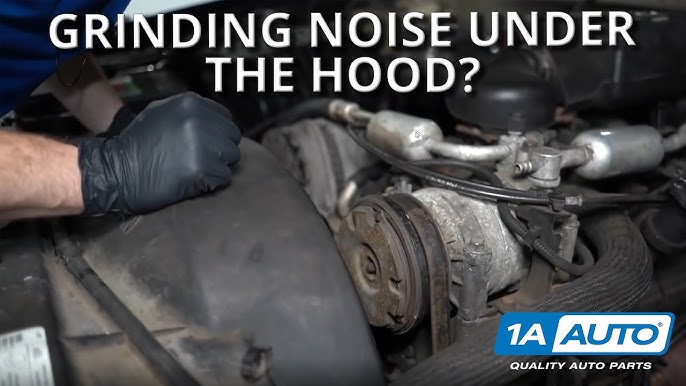
Unusual noisesfrom the air conditioner often show compressor problems. Sounds like buzzing, rattling, or grinding are signs to watch.
Poor cooling performanceis common when the compressor fails. The air might not feel cold enough or stops cooling quickly.
Tripped circuit breakercan happen if the compressor draws too much power. This may cause the AC to turn off suddenly.
Warm air blowingfrom vents instead of cold air means the compressor might not be working. This reduces comfort in hot weather.
Tools Needed For Inspection
Checking an air conditioner compressor needs the right tools. These tools help find problems safely and quickly.
- Multimeter: Measures electrical values like voltage and resistance.
- Screwdriver: Opens panels and removes screws carefully.
- Clamp Meter: Checks current flow without disconnecting wires.
- Safety Gear: Includes gloves and glasses to protect from shocks and debris.
Each tool plays a key rolein the inspection process. Use them properly for best results.
Preparing For The Check
Turn off the powerto the air conditioner before checking the compressor. This stops any risk of electric shock. Locate the power switch or unplug the unit from the outlet.
Find the compressoroutside the house. It looks like a metal box with a fan on top. Usually, it sits on a concrete slab near the outdoor unit.
- Wear gloves and safety glasses to protect yourself.
- Make sure the area is dry and clear of obstacles.
- Keep children and pets away during the check.

Credit: www.youtube.com
Checking Electrical Components
Test the capacitorusing a multimeter set to capacitance mode. Disconnect power before testing. Remove the capacitor from the unit. Check if the reading matches the capacitor’s rated microfarads. A low or zero reading means the capacitor is bad and needs replacement.
Measure compressor resistanceby setting the multimeter to ohms. Unplug the AC unit and access the compressor terminals. Measure resistance between the terminals: start, run, and common. Normal readings are low but not zero or infinite. Zero or very high readings indicate a faulty compressor.
Inspect wiring connectionsby looking for loose or burnt wires around the compressor. Tighten any loose screws and replace damaged wires. Ensure all connections are clean and secure. Poor wiring can cause compressor failure or poor performance.
Testing The Compressor Operation
Start the air conditioner unit and watch if the compressor kicks in. The compressor should run smoothly without strange noises. A humming or clicking sound is normal when starting.
Listen carefully for any unusual sounds like rattling or grinding. These noises might mean the compressor has problems. A quiet, steady sound shows it works well.
| Test | What to Check | Normal Reading | Possible Issue |
|---|---|---|---|
| Current Draw | Measure with an ammeter on compressor wires | Matches the AC unit’s label specs | Higher or lower reading may indicate compressor trouble |
When To Call A Professional
Signs that go beyond basic testing often need a professional’s help. Strange noises like rattling or humming may mean a problem inside the compressor. If the air conditioner stops cooling or the compressor keeps turning on and off, it is a clear sign of trouble. Leaks around the unit or a burning smell should not be ignored.
Complex repairs require special tools and skills. Fixing or replacing compressor parts is not simple. Professionals have the right equipment and knowledge to handle these tasks safely and correctly.
Safety is very important. High voltage parts inside the compressor can cause injury. Handling refrigerants needs care to avoid harm to health and the environment. Calling a technician reduces risk and ensures the job is done right.

Credit: www.acservicetech.com
Frequently Asked Questions
How Do I Identify A Faulty Ac Compressor?
To identify a faulty AC compressor, listen for unusual noises. Check for reduced cooling efficiency and inspect for visible damage. Ensure the compressor is receiving power. If unsure, consult a professional technician for an accurate diagnosis.
What Causes An Ac Compressor To Fail?
AC compressors can fail due to electrical issues, refrigerant leaks, or overheating. Regular maintenance helps prevent failure. Ensure proper refrigerant levels and clean coils regularly. Address any unusual noises immediately to avoid further damage.
How Can I Test My Ac Compressor?
To test your AC compressor, use a multimeter to check electrical connections. Ensure all connections are secure and the compressor is receiving power. If the compressor doesn’t start, consult a professional for further inspection.
What Are Signs Of A Bad Ac Compressor?
Signs of a bad AC compressor include strange noises, reduced cooling, and frequent circuit breaker trips. If you notice these symptoms, inspect the compressor for visible damage. Regular maintenance can help prevent these issues.
Conclusion
Checking your air conditioner compressor helps keep your home cool and comfortable. Regular checks can catch small problems early. This saves money and prevents big repairs later. Use simple tools like a multimeter and listen for unusual sounds. Always be safe and turn off power before inspecting.
Knowing how to check the compressor gives you peace of mind. Stay cool all summer by keeping your AC in good shape. Small efforts now avoid bigger troubles later. Easy steps make a big difference.