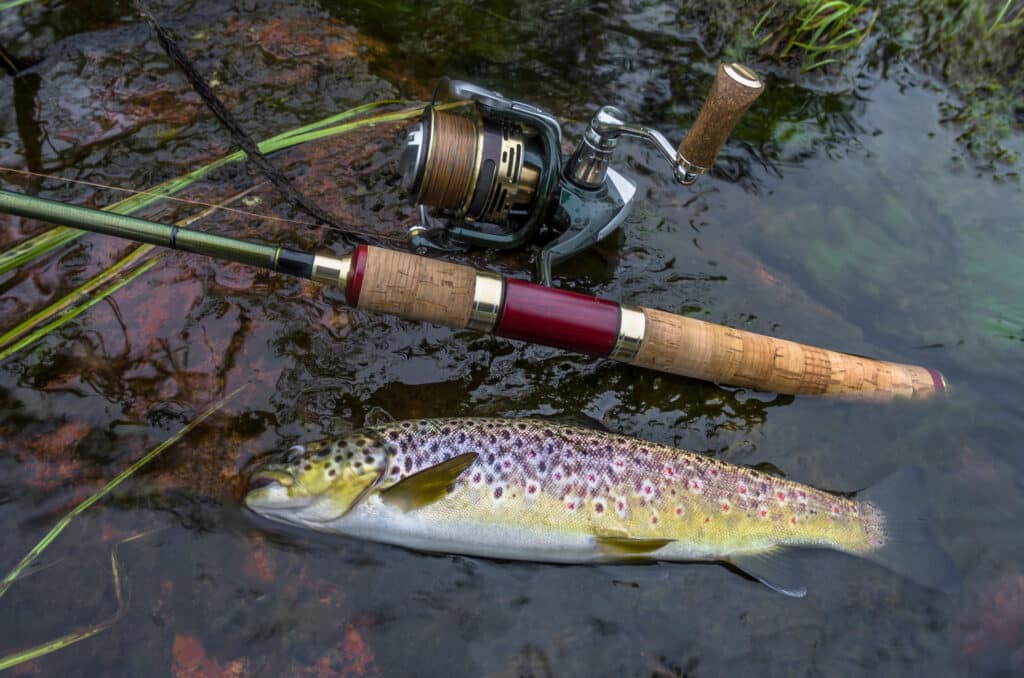
If you want to catch more trout, setting up your fishing rod the right way is key. A well-prepared rod makes casting easier, improves your chances of landing fish, and keeps you comfortable throughout your fishing trip.
Whether you’re new to trout fishing or just want to sharpen your skills, this guide will walk you through every step. By the end, you’ll know exactly how to set up your rod so you can focus on what matters most—catching trout.
Keep reading, and get ready to boost your fishing success!

Credit: www.chromecatchers.com
Choosing The Right Rod
Choosing the right rod is key for a good trout fishing experience. The rod affects how you cast and control the fish.
This guide covers three important parts to help you pick the best rod for trout fishing.
Rod Length And Power
Rod length affects how far and how easily you can cast. Power means how strong the rod is to handle fish weight.
| Rod Length | Best Use |
| 5 to 6 feet | Small streams and tight spaces |
| 6 to 7 feet | General trout fishing |
| 7 to 8 feet | Long casts in open water |
| Power | Description |
| Light | For small trout and delicate bites |
| Medium | Good for average trout size |
| Medium-Heavy | For larger trout and stronger currents |
Material And Action
Rods come in different materials like graphite or fiberglass. Action shows how the rod bends under pressure.
- Graphite rods are light and sensitive, good for feeling small bites.
- Fiberglass rods are tougher and bend more, good for rough use.
- Fast action rods bend near the tip, giving quick hook sets.
- Slow action rods bend more along the rod, good for casting light lures.
Matching Rod To Fishing Style
Different fishing styles need different rods. Match your rod to how and where you fish.
| Fishing Style | Recommended Rod |
|---|---|
| Fly Fishing | Light to medium power, 7-9 feet, fast action |
| Spin Fishing | Medium power, 6-7 feet, moderate action |
| Bait Fishing | Medium-heavy power, 6-8 feet, slow to moderate action |

Credit: flylifecanada.ca
Selecting The Ideal Reel
Choosing the right reel is important for successful trout fishing. Your reel affects how you cast and control your line. Let’s explore key factors to consider.
Spinning Vs Baitcasting Reels
Spinning reels are easy to use, making them popular for beginners. Baitcasting reels offer more control but need practice to use well.
- Spinning reels are great for lightweight lures.
- Baitcasting reels handle heavier lines better.
- Consider your skill level when choosing a reel type.
Drag System Importance
The drag system is crucial for controlling the line when a fish pulls. A good drag system helps you tire the trout without breaking the line.
Drag systems come in different types, like:
- Front drag: Offers more control and durability.
- Rear drag: Easier to adjust during a fight.
Choose based on your comfort and fishing style.
Reel Size And Line Capacity
Reel size affects how much line it can hold. For trout fishing, a smaller reel is usually enough.
| Reel Size | Line Capacity |
| 1000 | 2-6 lb test line |
| 2500 | 6-12 lb test line |
| 3000 | 8-15 lb test line |
Pick a reel that matches the line weight you plan to use. This ensures smooth casting and retrieval.
Picking The Best Fishing Line
Choosing the right fishing line is key for trout fishing success. The line affects casting, fish bites, and handling.
This guide covers types of line, strength and size, and color choices to help you pick well.
Monofilament Vs Fluorocarbon Vs Braided
Monofilament is stretchy and affordable. Fluorocarbon is less visible underwater. Braided line is very strong and thin.
- Monofilament:Good for beginners, easy to handle, floats on water.
- Fluorocarbon:Hard to see in water, sinks faster, resists abrasion.
- Braided:Very strong with small diameter, no stretch, good for heavy cover.
Line Strength And Diameter
Line strength is measured in pounds and shows how much weight it can hold. Diameter affects casting distance and line visibility.
| Line Type | Typical Strength (lbs) | Diameter (inches) | Use |
| Monofilament | 4-12 | 0.012 – 0.020 | General trout fishing |
| Fluorocarbon | 4-15 | 0.010 – 0.018 | Clear water, shy fish |
| Braided | 10-30 | 0.008 – 0.015 | Heavy cover, long casts |
Line Color Considerations
Color can help hide the line or make it visible to you. Clear lines are good in clean water. Bright lines help track your cast.
- Clear or light green: Best for clear water and natural look.
- Brown or camo: Good for stained water or heavy cover.
- Bright colors (yellow, orange): Help see line on surface or in low light.
Rigging Your Rod
Setting up your rod correctly helps you catch trout more easily. Rigging your rod means preparing it so you can fish without trouble.
This guide covers attaching the reel, threading the line, and adding leaders and tippets.
Attaching The Reel
Start by placing the reel into the reel seat on your rod. Tighten the seat so the reel stays secure during fishing.
Check that the reel handle moves smoothly. A firmly attached reel helps you cast and retrieve the line easily.
Threading The Line
Pull the fishing line from the reel and thread it through each guide on the rod. Begin from the bottom and go to the tip.
- Open the bail arm of the reel.
- Pull a length of line from the spool.
- Pass the line through each guide ring on the rod.
- Close the bail arm to secure the line.
- Attach the line to your leader or fly.
Adding Leaders And Tippets
Leaders and tippets connect the main line to your fly or lure. They help present the bait naturally and prevent fish from seeing thick line.
| Item | Function | Material |
| Leader | Connects main line to tippet | Monofilament or fluorocarbon |
| Tippet | Attaches fly to leader | Thin monofilament or fluorocarbon |
Attach the leader to your main line with a strong knot. Then tie the tippet to the leader’s end. Finally, connect your fly or lure to the tippet.
Choosing Hooks And Baits
Setting up your rod for trout fishing needs the right hooks and baits. These help catch trout more easily. Choosing the right ones depends on trout habits and water conditions.
This guide covers hook sizes and types, live bait options, and artificial lures and flies. Each section offers tips to improve your fishing setup.
Hook Sizes And Types
Hooks come in many sizes and shapes. Smaller hooks suit small trout. Larger hooks hold bigger fish. The shape affects how well the hook stays in the fish.
- Size 10 to 14 hooks work well for most trout.
- Circle hooks reduce fish injury and improve catch rates.
- Barbless hooks are easier to remove and better for catch and release.
- Octopus hooks are strong and good for live bait.
Live Bait Options
Live baits attract trout with natural movement and scent. Using the right bait depends on where you fish and trout diet.
| Live Bait | Description | Best Use |
| Worms | Common and easy to find | Rivers and streams |
| Minnows | Small fish trout like to eat | Still waters and lakes |
| Insects | Mayflies, crickets, or grasshoppers | Surface fishing |
| Salmon eggs | Bright and attractive to trout | Cold water streams |
Artificial Lures And Flies
Artificial lures and flies imitate natural trout food. They come in many styles and colors. Choosing the right one can make fishing easier and fun.
- Spinners create flash and vibration to attract trout.
- Soft plastic worms mimic real worms and move naturally.
- Dry flies float on water to imitate insects.
- Nymph flies sink and look like underwater insect larvae.

Credit: jacksonholeflycompany.com
Setting Up For Different Conditions
Setting up your rod for trout fishing depends on the fishing environment. Different conditions need different gear and techniques. This guide helps you adjust your rod setup for various situations.
Knowing how to change your setup can improve your catch rate. Pay attention to the type of water, weather, and season for the best results.
Adjusting For Stream Vs Lake Fishing
Streams are fast and narrow, while lakes are wide and still. Your rod setup should reflect these differences. For streams, use a lighter rod and line for better control. In lakes, a heavier rod helps cast farther and manage bigger fish.
- Use a 6-7 foot rod for streams
- Choose a 7-9 foot rod for lakes
- Pick lighter line (2-6 lb test) for streams
- Use heavier line (6-10 lb test) for lakes
- Opt for smaller lures in streams
- Use bigger lures or bait in lakes
Adapting To Weather And Water Clarity
Weather and water clarity affect trout behavior. Bright sunlight makes fish wary. Cloudy or rainy days make trout more active. Clear water needs subtle gear, while murky water calls for bold colors and stronger line.
| Condition | Rod Setup | Line & Lure Tips |
| Sunny and Clear Water | Light rod, sensitive tip | Thin, clear line; small natural lures |
| Overcast or Rainy | Medium rod, balanced action | Stronger line; brighter or larger lures |
| Murky or Stained Water | Stiff rod for control | Heavy line; loud or bright lures |
Seasonal Setup Tips
Seasons change trout feeding habits and water conditions. In spring, trout move to shallow waters, so use lighter gear. Summer needs stronger tackle for deeper water. Fall requires versatile setups. Winter demands slow and delicate presentations.
| Season | Rod Setup | Line & Lure |
|---|---|---|
| Spring | Light rod (6-7 ft) | Light line (2-4 lb), small flies or bait |
| Summer | Medium rod (7-8 ft) | Medium line (4-6 lb), deeper lures |
| Fall | Medium to heavy rod (7-9 ft) | Medium line (4-8 lb), diverse lures |
| Winter | Light, sensitive rod | Light line (2-4 lb), slow-moving lures |
Casting And Retrieving Techniques
Setting up your rod for trout fishing is important for better casting and retrieving. Good techniques help you reach the right spots and attract trout.
Focus on smooth casting and steady retrieval. These skills improve your chances to catch trout effectively.
Proper Casting Methods
Hold the rod firmly but not too tight. Use a smooth motion to cast your line. Avoid sudden jerks to prevent tangles.
Practice short and long casts. Aim for quiet spots near rocks or weeds where trout hide. Adjust your casting angle to control where your bait lands.
- Keep your wrist firm during the cast
- Use your arm and shoulder for power
- Pause briefly before releasing the line
- Try sidearm casts for accuracy in tight spots
Retrieval Speeds And Patterns
Vary your retrieval speed to see what attracts trout. Start slow to mimic natural movement, then speed up to trigger strikes.
Use different patterns like steady pulls or short jerks. Change the direction of your retrieve to make the bait look alive.
- Slow, steady retrieve imitates small fish
- Fast retrieve can provoke aggressive bites
- Stop and start pattern creates interest
- Use twitching motions for lures
Handling Strikes And Hook Sets
Pay close attention to any movement or tug on the line. Trout bites can be light and quick.
Set the hook by lifting the rod firmly once you feel a strike. Avoid jerking too hard to keep the fish on the line.
- Watch the line for small twitches
- Do not pull immediately after a strike
- Lift the rod smoothly to set the hook
- Keep steady pressure while reeling in
Maintaining Your Gear
Taking care of your trout fishing rod helps it last longer. Good maintenance keeps it working well every trip.
This guide covers cleaning, line replacement, and repairs for your rod and reel.
Cleaning And Storage
Always clean your rod after fishing. Use fresh water to rinse off dirt and salt. Dry it fully before storing.
- Use a soft cloth to wipe the rod and reel.
- Remove any debris from guides and reel seat.
- Store rods in a cool, dry place away from sunlight.
- Keep rods in a rack or tube to avoid bending.
Line Replacement Tips
Replace your fishing line regularly to prevent breakage. Old line loses strength and can cause missed catches.
- Cut the old line close to the reel.
- Attach new line using a strong knot like the Arbor knot.
- Fill the reel spool evenly without overloading.
- Test the line by pulling gently before fishing.
Rod And Reel Repairs
Fix small problems before they get worse. Check guides, reel seats, and handles often.
| Part | Common Issue | Fix |
| Guide | Cracked or bent | Replace with new guide |
| Reel seat | Loose or broken | Tighten or replace seat |
| Handle | Worn grip | Replace grip or wrap tape |
Frequently Asked Questions
How Do I Choose The Right Rod For Trout Fishing?
Select a light to medium-light rod, 6 to 7 feet long. It should be sensitive to detect subtle bites and flexible for casting accuracy.
What Type Of Reel Works Best For Trout Fishing?
A spinning reel with smooth drag and moderate gear ratio works well. It provides control and ease of use for various trout fishing techniques.
How Should I Set The Drag On My Trout Fishing Rod?
Set the drag tight enough to tire the fish but loose enough to prevent line breakage. Adjust according to trout size and fighting strength.
What Line Strength Is Ideal For Trout Fishing?
Use a 4 to 8-pound test monofilament or fluorocarbon line. This offers a good balance of strength, invisibility, and sensitivity for trout.
Conclusion
Setting up your rod correctly makes trout fishing more fun and effective. Choose the right rod and reel for your fishing style. Use proper line and attach the right hooks and bait carefully. Practice your casting to improve accuracy and distance.
These simple steps help catch more trout and enjoy your time outdoors. Keep learning and trying new techniques to become better. Fishing is about patience and enjoying nature. Happy fishing!