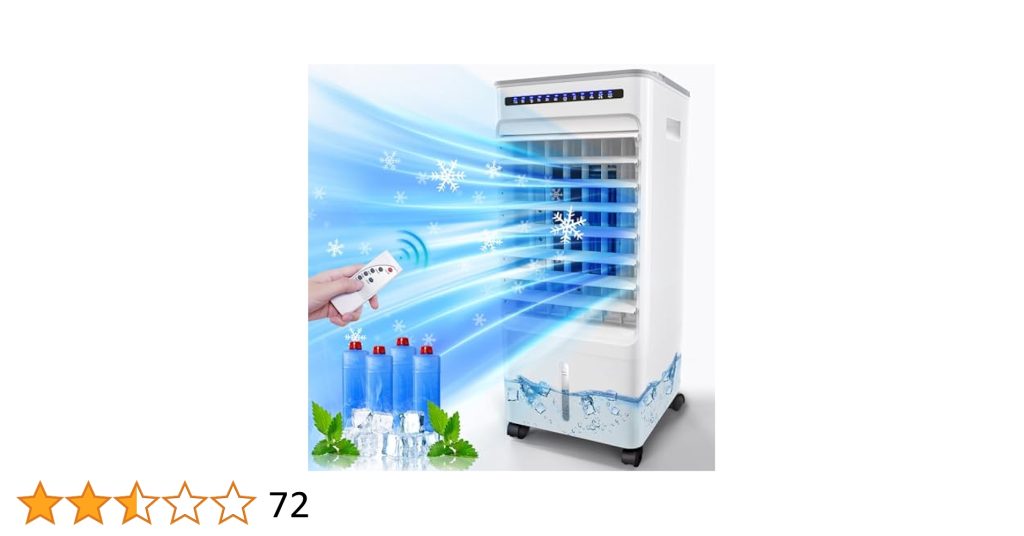
Are you tired of sweating through hot days but worried about the hassle of setting up a bulky air conditioner? You might be wondering if there’s a portable air conditioner that doesn’t need venting.
Imagine cooling your space without the need to install complicated vents or cut holes in your walls or windows. If that sounds like a dream, keep reading. You’ll discover the truth about ventless portable air conditioners, how they work, and whether they’re the right solution for your cooling needs.
Let’s clear the heat and confusion together.
How Portable Acs Usually Work
Portable air conditioners cool rooms by removing warm air. They take in hot air, cool it, and push the heat outside.
Ventingis needed to send this hot air out of the room. Usually, a hose connects to a window to release heat.
The heat exhaust processworks like this:
- Warm air from the room goes into the AC unit.
- The unit cools the air and sends cold air back inside.
- Heat from the cooling process is pushed outside through the vent hose.
Without venting, the heat would stay in the room. This makes the room warmer, not cooler.

Credit: www.dreo.com
Types Of Portable Acs Without Venting
Evaporative coolersuse water to cool the air. They work best in dry places. These coolers add moisture to the air, making the room feel cooler. They do not need a vent or duct.
Thermoelectric coolersuse a special plate to move heat. They are quiet and small but cool only small spaces. No venting is needed, but they are less powerful than other types.
Absorption coolersuse heat to create cooling. They run on gas or electricity and do not require venting. These coolers are often used in RVs and small rooms.
Pros And Cons Of Non-vented Units
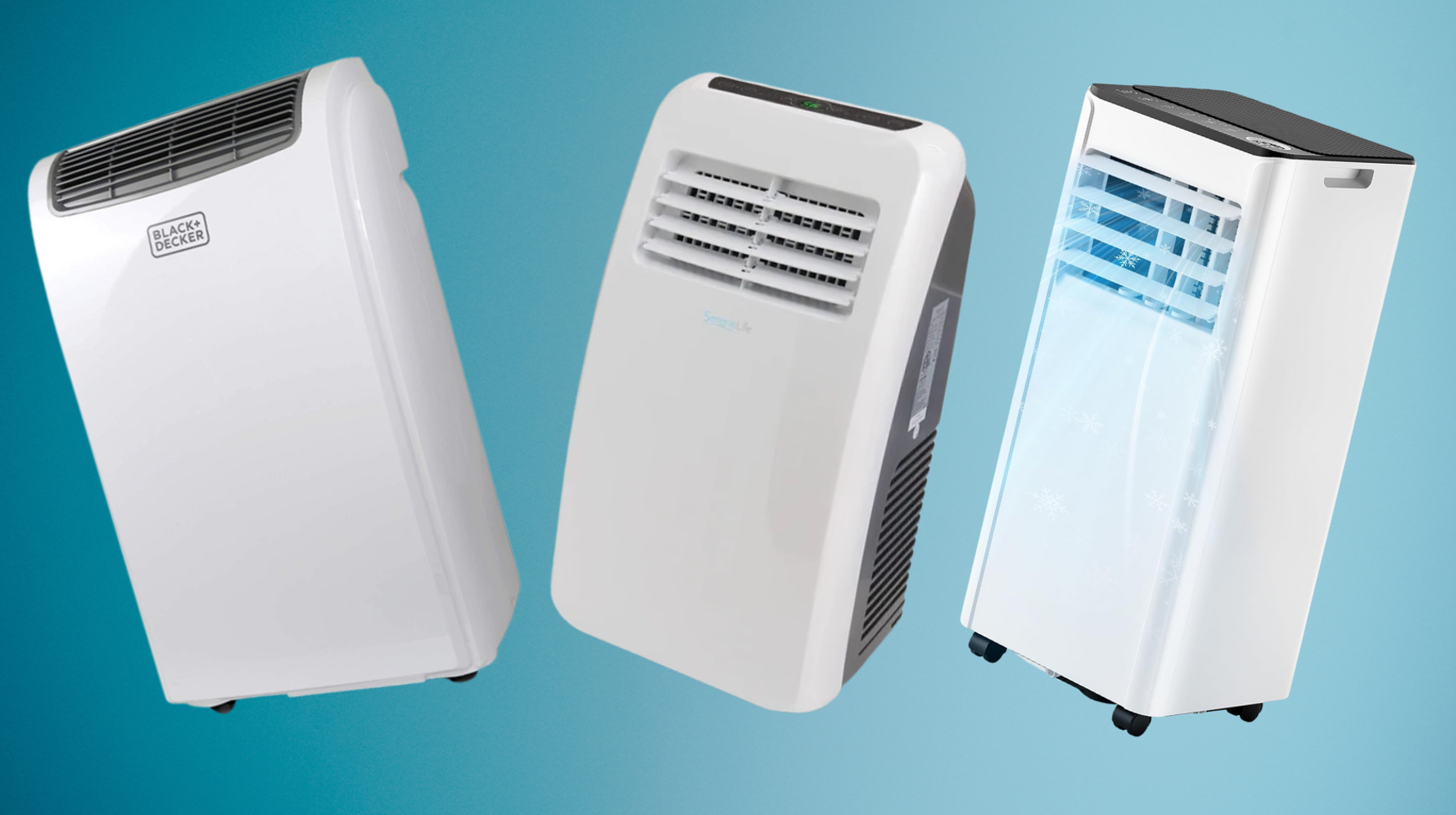
Non-vented portable air conditionersdo not need a window or vent hose. This makes them easy to move and set up anywhere. They are quiet and do not release hot air outside, which can be handy in small rooms or offices. These units also save space and avoid drilling holes in walls or windows.
On the downside, non-vented units often cool less effectively. They may increase humidity because they recycle indoor air. This can make the room feel damp or sticky. These air conditioners usually work best for small areas. They may use more electricity and need frequent water emptying.
Credit: www.huffpost.com
Best Use Cases For Non-vented Portable Acs
Non-vented portable ACs work best in small spaces. They cool rooms without needing a window or vent. This makes them great for apartments, offices, or rooms with no windows.
These units are ideal for dry climates. They add some moisture to the air while cooling. This helps prevent the air from feeling too dry or uncomfortable.
Perfect for temporary cooling needs. Use them during short stays, events, or spot cooling. Easy to move and set up without vents or ducts.
Comparing Energy Efficiency
Power consumptionis key to energy efficiency in portable air conditioners. Models without venting often use more electricity. This is because they try to cool the air without releasing hot air outside. Some units use water or ice to help cool the air, which may lower power use. Check the wattagebefore buying. Lower watts mean less energy used.
Cooling capacityis measured in BTUs. Higher BTUs cool larger rooms better. Portable ACs without vents usually have lower BTUs. They work best in small spaces. Balancing power use and cooling size helps save energy. Look for units with good BTU-to-watt ratios for efficiency.
| Feature | Vented Portable AC | Non-Vented Portable AC |
|---|---|---|
| Power Consumption | Lower (uses vent to release hot air) | Higher (cools air internally) |
| Cooling Capacity (BTUs) | Higher (up to 14,000 BTUs) | Lower (usually under 10,000 BTUs) |
| Best For | Medium to large rooms | Small rooms or spot cooling |
Top Brands And Models To Consider
Portable air conditioners usually need venting to work well. But some types do not need vents. These coolers use water or special plates to lower air temperature. They are good for small rooms or dry places.
Popular evaporative coolersuse water to cool the air. They blow air through wet pads to make the room cooler. These coolers work best in dry climates and use less energy than regular ACs.
Thermoelectric optionsuse a special plate to cool air without vents. They are quiet and small. These coolers are good for personal use but may not cool big rooms well.
| Type | How It Works | Best For | Pros | Cons |
|---|---|---|---|---|
| Evaporative Coolers | Air passes through wet pads | Dry climates, small rooms | Energy efficient, low cost | Less effective in humid air |
| Thermoelectric Coolers | Uses heat plates to cool air | Personal use, small spaces | Quiet, no vent needed | Not strong for large rooms |
Maintenance Tips For Non-vented Acs
Cleaning the filter often helps the air conditioner work well. Dust and dirt block air flow. Remove the filter and wash it with water. Let it dry completely before putting it back.
Check the filter every two weeks during heavy use. Replace the filter if it looks damaged or very dirty. This keeps the air clean and fresh.
Non-vented AC units use water tanks to catch moisture. Empty the water tank regularly to stop mold and bad smells. Some models have an alert when the tank is full.
Use clean water to rinse the tank now and then. This stops slime and bacteria from growing. Keep the tank dry when the AC is not in use for a long time.
When To Choose Vented Portable Acs Instead
Vented portable air conditionerswork best in high heat areas. They remove hot air outside, keeping the room cooler. Without venting, the heat stays inside, making the AC less effective.
For larger rooms, vented units provide better cooling power. They can handle more space because they push hot air out. Non-vented units might struggle and use more energy.
| Condition | Why Choose Vented Portable AC |
|---|---|
| High Heat Areas | Removes hot air outside, cools room better |
| Larger Rooms | Handles more space, cools efficiently |

Credit: www.popularmechanics.com
Frequently Asked Questions
Do Portable Air Conditioners Need Venting?
Most portable air conditioners require venting to expel hot air. However, ventless models like evaporative coolers exist. These units use water to cool and don’t need exhaust hoses. They’re ideal for dry climates but less effective in humid conditions. Always check the specific model’s requirements before purchase.
What Are Ventless Portable Air Conditioners?
Ventless portable air conditioners, like evaporative coolers, use water evaporation for cooling. They don’t require exhaust hoses or venting. These units are energy-efficient and eco-friendly. They’re best suited for dry, arid environments. However, their effectiveness drops in high humidity areas.
They offer a convenient cooling solution without complex installation.
Are Ventless Coolers Effective In Humid Climates?
Ventless coolers, or evaporative coolers, are less effective in humid climates. They work by evaporating water to cool the air. In high humidity, evaporation is slower, reducing cooling efficiency. For humid areas, traditional portable air conditioners with venting are more effective.
Always consider climate when choosing a cooling solution.
How Do Evaporative Coolers Work?
Evaporative coolers use a fan to draw warm air through water-soaked pads. This process cools the air through evaporation. The cooled air is then circulated into the room. They don’t require venting and are energy-efficient. Best suited for dry climates, they offer an eco-friendly cooling solution.
Conclusion
Portable air conditioners without venting do exist but have limits. They cool small spaces and work best in dry climates. These units often use water or ice to help lower temperatures. Keep in mind, they may not cool large rooms well.
Weigh your needs before choosing one. This helps avoid disappointment later. Stay cool and comfortable this summer with the right choice.