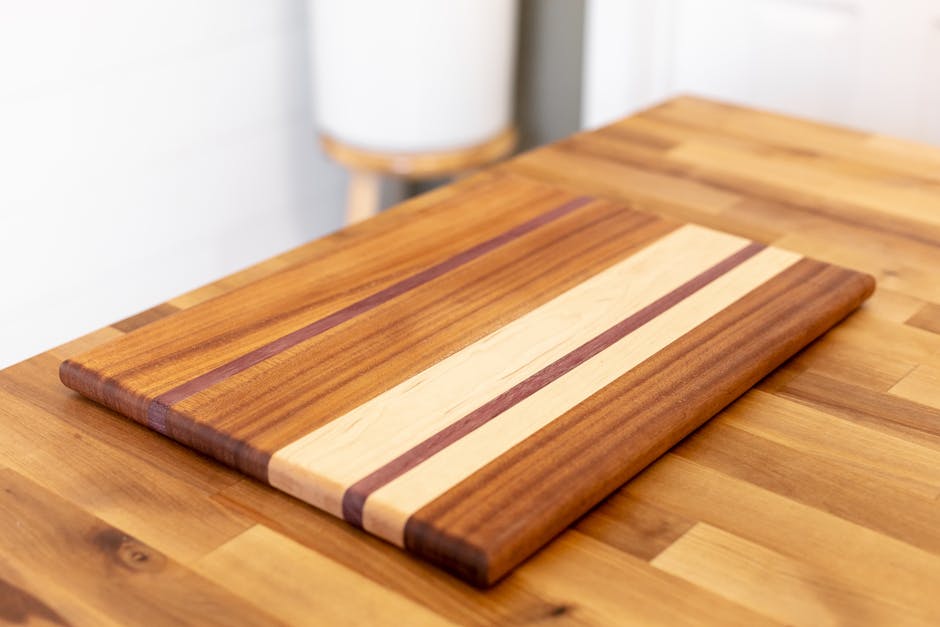
Your acacia wood cutting board is more than just a kitchen tool—it’s a trusted partner in your cooking adventures. But if you don’t clean it the right way, it can quickly lose its charm and even harbor harmful bacteria.
You want your board to stay beautiful, strong, and safe for every meal you prepare. In this guide, you’ll discover simple, effective steps to clean your acacia wood cutting board properly. By the end, you’ll know exactly how to keep it looking fresh and lasting for years.
Ready to give your board the care it deserves? Let’s dive in!
Preparing The Board
Cleaning your acacia wood cutting board properly keeps it safe and lasts longer. Prepare the board before deep cleaning or oiling to remove dirt and food bits.
Start by clearing off scraps and avoid actions that can damage the wood. This helps keep the board in good shape and ready for use.
Remove Food Residue
Remove leftover food and crumbs from the board’s surface after each use. This prevents bacteria buildup and stains.
- Use a plastic scraper or spatula to lift stuck pieces gently.
- Wipe the board with a damp cloth or paper towel to clear small crumbs.
- Brush off dry particles with a soft brush or cloth.
Avoid Soaking
Never soak your acacia wood cutting board in water. Soaking can cause the wood to warp, crack, or split.
| Do | Don’t |
| Wash board quickly with warm water | Leave board submerged in water |
| Dry board right after washing | Put board in dishwasher |
| Use mild soap sparingly | Use harsh chemicals or bleach |

Credit: homewithgraceandjoy.com
Basic Cleaning Steps
Cleaning an acacia wood cutting board keeps it safe and lasts longer. Follow simple steps to clean it well after use.
Use gentle cleaning methods to protect the wood. Avoid harsh chemicals or soaking the board in water.
Use Mild Soap
Start cleaning by using mild soap and warm water. Mild soap removes dirt without harming the wood surface.
Apply a small amount of soap on a soft sponge or cloth. Gently scrub the board to clean all areas.
Rinse Thoroughly
Rinse the board well with warm water. Make sure all soap is washed away to avoid any residue.
Do not soak the board in water. Quick rinsing helps prevent the wood from swelling or cracking.
Dry Properly
After rinsing, dry the board with a clean towel. Remove all moisture to stop bacteria growth.
Stand the board upright or place it in a dish rack to air dry completely before storing.
Dealing With Stains And Odors
Acacia wood cutting boards can get stains and odors after use. Cleaning them well keeps the board fresh and safe.
Using natural ingredients helps remove tough marks and smells. Try simple home remedies to care for your board.
Apply Lemon And Salt
Cut a lemon in half and sprinkle coarse salt on the cutting board. Rub the lemon over the salted surface to scrub stains.
- The acid in lemon breaks down stains.
- Salt acts as a natural scrub to remove dirt.
- This method also helps to reduce odors.
- Let it sit for 5 minutes before rinsing.
Rinse the board with warm water and dry it with a clean cloth. Do not soak the board in water.
Use Baking Soda Paste
Mix baking soda with water to make a thick paste. Spread the paste on the stained or smelly area of the board.
| Ingredient | Amount | Purpose |
| Baking Soda | 2 tablespoons | Neutralizes odors and lifts stains |
| Water | 1 tablespoon | Forms paste for easy application |
Let the paste sit for 10 minutes. Scrub gently with a soft brush, then rinse with warm water. Dry the board thoroughly after cleaning.
Deep Cleaning Techniques
Acacia wood cutting boards need regular deep cleaning to stay safe and fresh. Dirt and bacteria can hide in the wood pores. Deep cleaning removes these and keeps your board in good shape.
Two simple home treatments work well to clean your acacia board deeply. These use natural ingredients that are safe for wood and kill germs effectively.
Vinegar Solution
Vinegar is a natural cleaner that kills bacteria and removes odors. It is safe for acacia wood and helps sanitize the surface without damage.
- Mix equal parts of white vinegar and water in a spray bottle.
- Spray the solution evenly over the cutting board.
- Let it sit for 5 to 10 minutes to kill germs.
- Wipe the board with a clean cloth or sponge.
- Rinse with warm water and dry with a towel.
Hydrogen Peroxide Treatment
Hydrogen peroxide is a strong cleaner that removes stains and bacteria. It works well for deep cleaning but must be used carefully on wood.
| Step | Instruction |
| 1 | Pour 3% hydrogen peroxide on the board’s surface. |
| 2 | Spread it evenly using a clean cloth or sponge. |
| 3 | Let it sit for 10 minutes to disinfect and bleach stains. |
| 4 | Rinse the board with warm water thoroughly. |
| 5 | Dry immediately with a clean towel to avoid wood damage. |
Maintaining Shine And Durability
Acacia wood cutting boards look great and last long with the right care. Keeping them shiny and durable needs simple steps.
Cleaning and oiling your board regularly helps keep the wood strong and prevents cracks.
Regular Oil Application
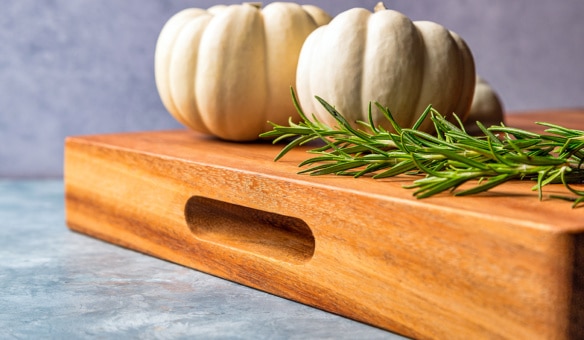
Oiling your acacia board often keeps the wood moist and shiny. It stops the board from drying out and splitting.
Apply oil after cleaning and drying the board. Use a soft cloth to spread the oil evenly on all surfaces.
- Apply oil once a month or when the board looks dry
- Let the oil soak in for several hours or overnight
- Wipe off any extra oil with a clean cloth
Choosing The Right Oil
Pick the right oil to protect your acacia wood. Food-safe oils work best to keep the board safe and strong.
Avoid oils that can go bad or leave sticky spots. Use oils that soak in well and do not smell bad.
- Mineral oil is safe and easy to find
- Coconut oil is natural but can cause stickiness if not pure
- Beeswax blends add extra protection
- Avoid vegetable oils like olive or canola
Credit: www.wildwood.com.au
Storage Tips
Proper storage helps keep your acacia wood cutting board in good shape. It stops damage and keeps the wood fresh for longer use.
Follow simple steps to avoid problems like warping or mold. Good storage makes cleaning easier next time.
Avoid Moisture Build-up
Moisture can ruin your cutting board by causing cracks or mold. Keep your board dry after washing it.
- Wipe the board with a dry cloth immediately after rinsing.
- Let it air dry completely before storing.
- Do not leave the board in a damp area or inside a closed cabinet.
- Apply mineral oil regularly to protect the wood from moisture.
Store Upright
Storing your cutting board upright helps air flow around it. This stops moisture from getting trapped under the board.
| Storage Method | Benefit |
|---|---|
| Standing upright on edge | Improves air circulation and drying |
| Lying flat in a drawer | Can trap moisture and cause warping |
| Hanging on a hook | Keeps board dry and accessible |

Credit: coleandmasonusa.com
Frequently Asked Questions
How Do I Sanitize Acacia Wood Cutting Board?
To sanitize, wash the board with hot, soapy water. Rinse thoroughly and wipe with a vinegar solution. Let it air dry completely. This method effectively kills bacteria without damaging the wood, keeping your board safe and hygienic.
Can I Use Bleach On Acacia Wood Board?
Avoid using bleach on acacia wood. It can damage the wood’s natural oils and structure. Instead, use a mixture of vinegar and water for a natural disinfectant. This method preserves the wood’s integrity while effectively cleaning and sanitizing the surface.
How Often Should I Oil My Acacia Board?
Oil your acacia wood cutting board once a month. Use food-grade mineral oil or a specialized wood conditioner. Regular oiling maintains the board’s moisture, preventing cracks and warping. This ensures longevity and keeps your board looking and performing its best.
What Is The Best Oil For Acacia Wood?
Food-grade mineral oil is best for acacia wood. It penetrates deeply, preserving the wood’s natural beauty and durability. Avoid cooking oils as they can turn rancid. Regular application keeps the board moisturized, preventing cracks and enhancing its appearance.
Conclusion
Cleaning your acacia wood cutting board keeps it safe and strong. Use mild soap and warm water for daily cleaning. Avoid soaking or harsh chemicals to protect the wood. Regular oiling helps prevent cracks and dryness. Dry the board fully before storing.
Small effort, big difference. A clean board lasts longer and stays beautiful. Care for it well, and it will serve you for years. Simple steps make all the difference in wood care. Easy to follow, easy to keep your board fresh.