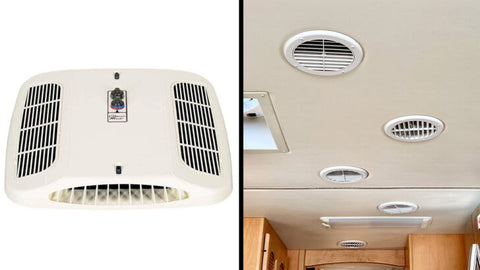
Have you ever wondered how your RV stays cool even on the hottest days? Understanding how an RV air conditioner works can make a big difference in keeping your travels comfortable and stress-free.
Whether you’re new to RVing or just curious about the technology behind it, this guide will break down the process in a simple way. By the end, you’ll know exactly what’s happening inside your RV’s cooling system and how to make it work better for you.
Keep reading to discover the secrets behind that refreshing breeze on your next adventure!
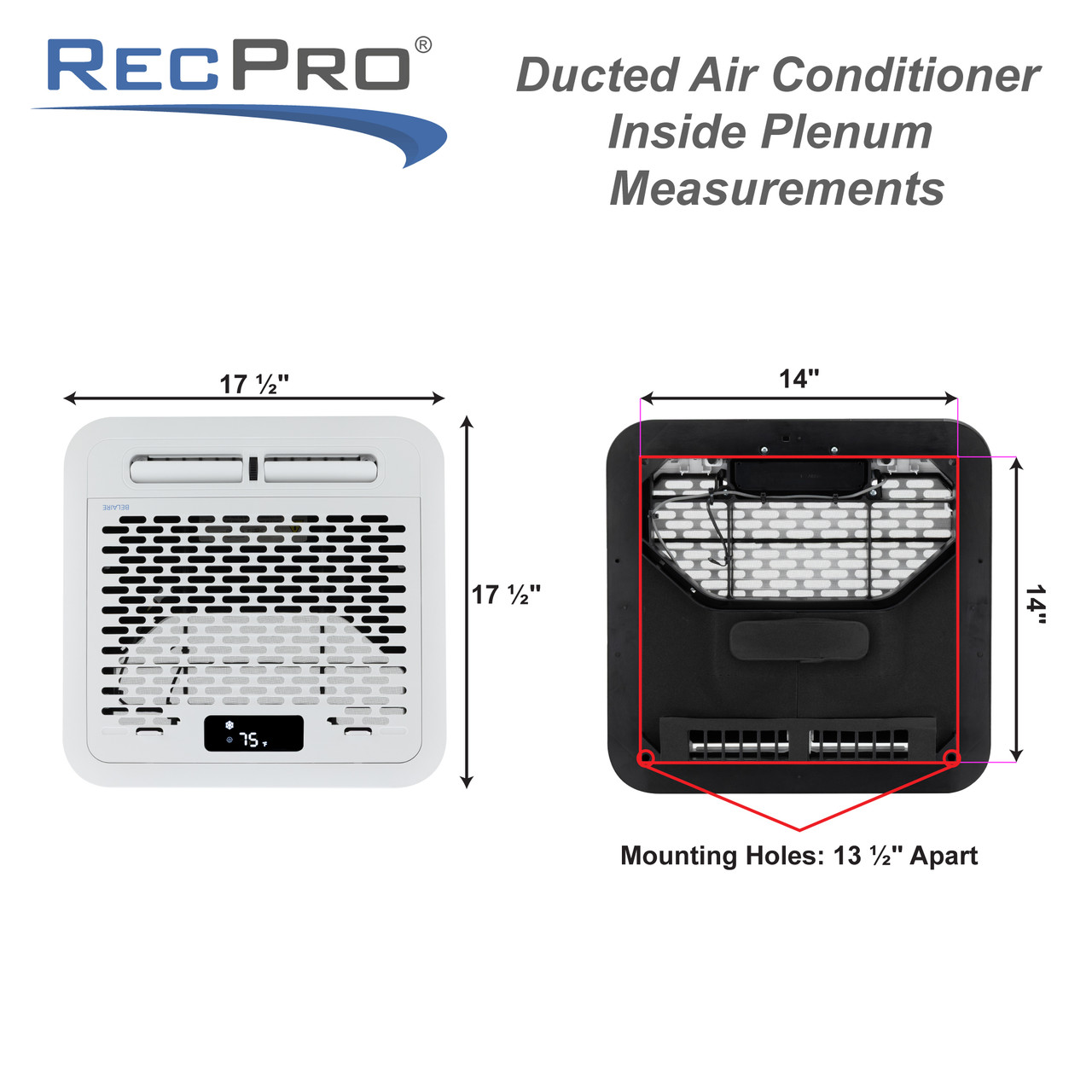
Credit: recpro.com
Rv Air Conditioner Basics
An RV air conditioner keeps the inside cool during hot days. It works by moving heat from inside to outside the RV. This helps make your trip more comfortable.
These air conditioners use electricity to run. They are designed to fit the space and power limits of RVs. Understanding how they work helps you use them better.
Types Of Rv Air Conditioners
There are several types of air conditioners for RVs. Each type has different features and power needs. Choose one that fits your RV and your cooling needs.
- Roof-Mounted Units: Installed on top of the RV roof. They save space inside.
- Portable Air Conditioners: Small and can be moved inside the RV. They need a window or vent for air flow.
- Window Units: Fit into a window opening. Less common in RVs but still used.
- Ducted Systems: Use ducts to spread cool air evenly inside large RVs.
Key Components
An RV air conditioner has important parts that work together. Each part helps move heat and cool the air inside the RV.
- Compressor: Pumps refrigerant and helps cool the air.
- Condenser Coil: Releases heat from inside to outside.
- Evaporator Coil: Absorbs heat from the inside air.
- Blower Fan: Moves cool air into the RV.
- Thermostat: Controls the temperature by turning the unit on or off.
Cooling Process Explained
An RV air conditioner cools the inside by removing heat from the air. It uses a special fluid called refrigerant. This process keeps the air fresh and comfortable during hot days.
The cooling happens through a cycle where the refrigerant moves, changes pressure, and absorbs heat. This system works quietly and efficiently to keep the RV cool.
How Refrigerant Circulates
The refrigerant flows in a closed loop inside the air conditioner. It moves from one part to another to absorb and release heat. The refrigerant changes from liquid to gas and back to liquid during this process.
- The refrigerant starts as a low-pressure gas.
- It moves to the compressor where it becomes a high-pressure gas.
- The gas travels to the condenser and cools down into a liquid.
- The liquid goes to the evaporator where it absorbs heat and turns back into gas.
- The cycle repeats to keep the air cool.
Role Of Compressor And Evaporator
The compressor pumps the refrigerant and raises its pressure. This makes the refrigerant hot and ready to release heat outside the RV. The evaporator cools the air inside by absorbing heat from the RV’s interior.
| Component | Function |
| Compressor | Pumps and compresses refrigerant gas to increase pressure and temperature. |
| Evaporator | Absorbs heat from inside air to cool the RV interior. |
Heat Exchange Mechanism
The air conditioner moves heat from inside the RV to the outside. Warm air passes over the evaporator, where the refrigerant absorbs the heat. Then, the refrigerant carries the heat outside and releases it through the condenser.
Key parts of heat exchange:
- Warm air flows inside and touches cold evaporator coils.
- Refrigerant inside coils absorbs heat and cools the air.
- Heated refrigerant moves outside to release heat to the air.
- Cooled refrigerant returns inside to repeat the cycle.
Power Sources And Efficiency
An RV air conditioner needs power to run and keep you cool. There are different types of power sources. Each type works differently and uses energy in its own way.
Understanding how these power sources affect efficiency helps you save energy and keep your RV comfortable.
Electric Vs. Gas-powered Units
Electric air conditioners use electricity from your RV battery or shore power. Gas-powered units run on propane or gasoline. Each type has pros and cons in power use and efficiency.
| Type | Power Source | Efficiency | Use Case |
| Electric | Battery or Shore Power | High efficiency with stable power | Best for campgrounds with electricity |
| Gas-Powered | Propane or Gasoline | Less efficient but works off-grid | Ideal for remote areas without power |
Energy Consumption Tips
Saving energy helps your RV air conditioner run longer and reduces fuel or electricity use. Small changes can make a big difference.
- Close windows and doors to keep cool air inside.
- Use shades or curtains to block sunlight.
- Run the AC only when needed and turn it off when not in use.
- Keep the air filter clean for better airflow.
- Set the thermostat to a comfortable but not too low temperature.
Installation And Placement
Installing an RV air conditioner correctly helps it work well. Good placement keeps your RV cool and saves energy.
Choosing the right spot and method for installation affects how the air conditioner performs inside your RV.
Roof Mounting Benefits
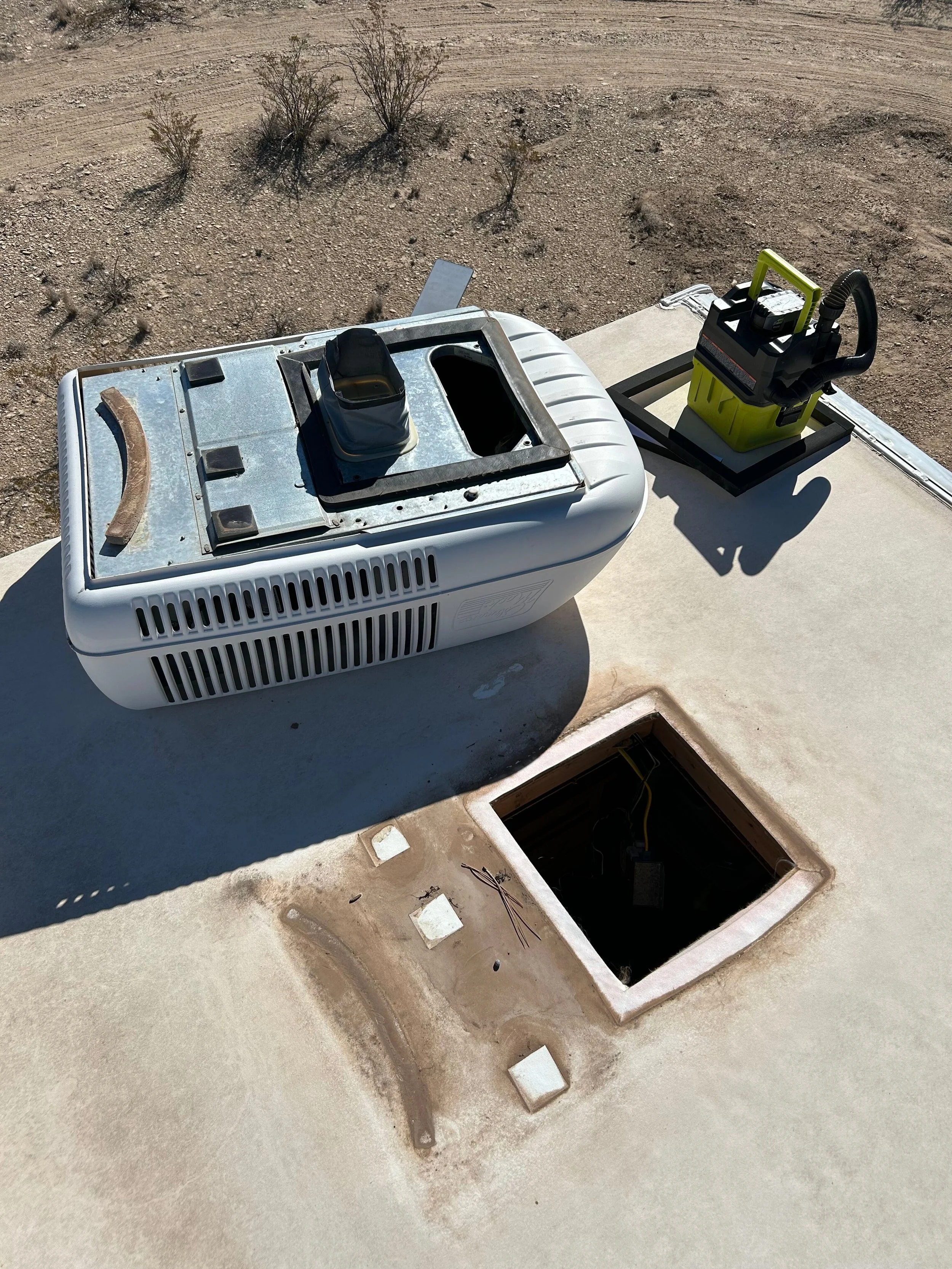
Mounting the air conditioner on the roof is common in RVs. It saves space inside and keeps the unit safe from damage.
- Frees up interior space for living and storage
- Allows better airflow around the unit
- Keeps the air conditioner away from dirt and debris
- Reduces noise inside the RV
- Easier to connect to the RV’s electrical and ventilation systems
Proper Ventilation Importance
Ventilation helps the air conditioner work without overheating. It moves hot air out and brings fresh air in.
| Ventilation Feature | Benefit |
| Intake Vents | Bring in fresh air for cooling |
| Exhaust Vents | Remove hot air from the unit |
| Clear Roof Space | Allows heat to escape easily |
| Proper Seal | Prevents water leaks and drafts |
Maintenance For Optimal Cooling
Keeping your RV air conditioner in good shape helps it cool better. Regular care stops problems before they start.
Simple maintenance steps save energy and make your AC last longer. Check your unit often to stay comfortable.
Cleaning Filters And Coils
Dirty filters block airflow and reduce cooling. Clean filters every few weeks to keep air fresh.
Coils collect dust and dirt. Clean coils carefully to help the AC cool efficiently.
- Remove filters and wash with warm water.
- Let filters dry completely before reinstalling.
- Use a soft brush to clean coils gently.
- Avoid bending coil fins while cleaning.
Checking Refrigerant Levels
Refrigerant cools the air inside your RV. Low levels make the AC weak and warm.
Check refrigerant levels with a professional. Do not try to add refrigerant yourself.
- Signs of low refrigerant: warm air, longer cooling time.
- Leaks cause refrigerant loss and damage.
- Professional service can find and fix leaks.
Seasonal Care Tips
Prepare your RV AC for seasons to keep it working well. Seasonal care stops damage and saves money.
Turn off and clean the AC before winter. Cover the unit to protect it from dirt and weather.
- Inspect parts for rust or damage each season.
- Run the AC for a short time monthly in off-season.
- Store the RV in a dry place if possible.

Credit: furrion.com
Troubleshooting Common Issues
An RV air conditioner keeps your space cool in hot weather. Sometimes it stops working well. You can fix many problems yourself.
Knowing what to check helps save time and money. Here are some common issues and how to handle them.
No Cooling Problems
If your RV air conditioner runs but does not cool, check the thermostat settings first. Make sure it is set lower than the room temperature.
Dirty air filters or blocked vents reduce airflow. Clean or replace filters and clear any obstructions. Also, check if the condenser coils are dirty.
- Set thermostat below room temperature
- Clean or replace air filters
- Clear blocked vents
- Clean condenser coils
- Check refrigerant levels (a technician may be needed)
Unusual Noises
Strange sounds can mean parts are loose or broken. Listen for rattling, squealing, or buzzing noises.
Loose screws or fan blades often cause rattling. Tighten screws and check fan blades for damage. A worn motor or compressor can cause buzzing or squealing.
- Tighten loose screws and bolts
- Inspect fan blades for cracks or bends
- Clean debris from fan and motor area
- Replace worn motor or compressor parts
Water Leaks
Water leaking inside your RV can come from blocked drains or frozen drain lines. Check the drip pan under the unit for water buildup.
Clear any clogs in the drain tube. Make sure the AC is tilted slightly to allow water to drain outside. Frozen coils can cause water to drip inside too.
- Inspect and clear drain tube clogs
- Check drip pan for cracks or damage
- Ensure unit is tilted for proper drainage
- Defrost frozen coils by turning off the AC
Improving Rv Cooling Performance
Keeping your RV cool makes your trips more comfortable. The air conditioner helps, but some extra steps improve its work.
Using simple tools and smart choices can lower inside temperatures and save energy.
Using Vent Fans
Vent fans move hot air out of the RV. They help the air conditioner cool faster and use less power.
- Place vent fans near windows or roof vents.
- Run fans before turning on the AC to remove hot air.
- Use fans that can pull air out or push cool air in.
- Keep vents clean to allow better airflow.
Shading And Insulation
Shade blocks sunlight that heats the RV. Good insulation stops heat from coming in and cool air from escaping.
| Method | Effect |
| Window Covers | Blocks direct sunlight |
| Roof Awnings | Shades roof and windows |
| Reflective Films | Reflects heat away |
| Insulated Curtains | Keeps heat out and cool air in |
| Wall Insulation | Reduces heat transfer |
Upgrading To Smart Thermostats
Smart thermostats control the AC better than old ones. They keep temperature steady and save energy.
Benefits of smart thermostats:
- Remote control using a phone app
- Set schedules to cool only when needed
- Learn your cooling preferences over time
- Send alerts if temperatures get too high
Credit: www.odysseyrvservice.com
Frequently Asked Questions
How Does An Rv Air Conditioner Cool The Air?
An RV air conditioner cools air by circulating refrigerant through coils. It absorbs heat inside and releases it outside, lowering the indoor temperature efficiently.
What Powers An Rv Air Conditioner?
Most RV air conditioners run on 120-volt AC power from shore power or a generator. Some models also have 12-volt DC options for battery use.
How Efficient Is An Rv Air Conditioner?
RV air conditioners are designed to be energy-efficient, using compressors and fans to cool quickly. Efficiency depends on insulation, unit size, and power source.
Can An Rv Air Conditioner Work Without Electricity?
No, RV air conditioners require electricity to operate compressors and fans. Without power, they cannot cool or circulate air effectively.
Conclusion
RV air conditioners cool your vehicle efficiently. They use a simple process. Warm air gets sucked in, cooled, and pushed back out. This cycle keeps your space comfortable. Regular maintenance ensures optimal performance. Check filters and clean them often. Avoid overloading the system.
Proper ventilation helps too. Understanding your AC’s workings aids in troubleshooting. It empowers you to make informed decisions. Enjoy your travels with a cool, comfortable RV. Stay safe and cool on the road. Happy travels!