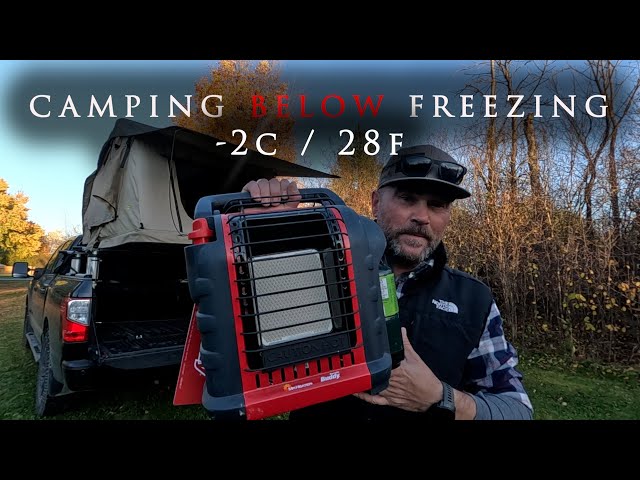
Are you planning a camping trip and wondering if you can safely use a Buddy Heater inside your tent? Staying warm while enjoying the great outdoors is essential, especially when the temperature drops at night.
But using a heater in a small, enclosed space like a tent raises important safety questions. You want to keep cozy without risking your safety or damaging your gear. You’ll discover everything you need to know about using a Buddy Heater in your tent—how it works, safety tips, and what to watch out for.
Keep reading to make sure your next camping night is both warm and safe.

Credit: www.reddit.com
Buddy Heater Basics
A buddy heater is a small portable heater made for camping and outdoor use. It helps keep tents warm during cold weather. Many campers wonder if it is safe and practical to use one inside a tent.
This guide explains what a buddy heater is and how it works. Understanding these basics will help you use it safely.
What Is A Buddy Heater
A buddy heater is a propane-powered heater. It is small and easy to carry. It provides heat in places where electricity is not available.
- Runs on small propane cylinders
- Has a built-in safety shutoff
- Designed for indoor and outdoor use
- Heats a small area efficiently
- Has a compact and lightweight design
How Buddy Heaters Work
Buddy heaters burn propane to create heat. The propane gas flows from the cylinder to the burner. The burner lights up and produces warmth.
| Part | Function |
|---|---|
| Propane Cylinder | Stores the propane gas |
| Burner | Burns propane to make heat |
| Safety Shutoff | Stops gas flow if tipped over |
| Control Knob | Adjusts the heat output |
| Oxygen Sensor | Shuts off heater if oxygen is low |

Credit: www.reddit.com
Using Buddy Heaters In Tents
Buddy heaters are small portable heaters that keep tents warm. They are popular for camping in cold weather.
Using a buddy heater in a tent needs care and safety. You must choose the right tent and follow safety rules.
Suitable Tent Types
Not all tents work well with buddy heaters. You should use tents with good ventilation and heat resistance.
Canvas tents and tents made for cold weather camping are the best choices. Thin nylon tents may be unsafe.
- Canvas tents allow heat to spread safely
- Four-season tents handle cold and heat better
- Tents with vents reduce gas buildup
- Avoid tents with plastic or thin fabric
Setup Tips For Safety
Set up your buddy heater carefully inside the tent. Follow safety tips to avoid fire or poisoning.
Keep the heater away from walls and sleeping bags. Always use carbon monoxide detectors if possible.
- Place heater on a flat, stable surface
- Keep at least three feet from tent walls
- Never leave the heater unattended
- Ventilate the tent well to avoid gas buildup
- Use a carbon monoxide alarm inside the tent
- Turn off heater before sleeping
Safety Precautions
Using a Buddy Heater in a tent can keep you warm during cold nights. It is important to follow safety rules to avoid accidents. Safety helps protect you and your camping gear.
This guide covers key safety points like ventilation, carbon monoxide risks, and fire hazard prevention. Read carefully before using your heater.
Ventilation Importance
Good airflow inside the tent is needed when using a Buddy Heater. Proper ventilation lets fresh air in and allows dangerous gases to escape. Without ventilation, harmful gases build up quickly.
- Open a window or door slightly to allow air flow.
- Keep vents clear and do not block them with gear.
- Check that air moves freely in and out of the tent.
- Do not seal the tent completely while the heater runs.
Carbon Monoxide Risks
Carbon monoxide is a colorless, odorless gas released by heaters. It can cause sickness or death if inhaled in large amounts. A Buddy Heater produces carbon monoxide, so careful use is needed.
| Risk | Prevention |
| Carbon monoxide buildup | Always provide fresh air and ventilate well |
| Carbon monoxide poisoning symptoms | Headache, dizziness, nausea; leave tent and seek fresh air |
| Using a detector | Use a carbon monoxide alarm inside the tent |
Fire Hazard Prevention
Fire is a serious danger when using any heater. Buddy Heaters get very hot and can ignite nearby items. Follow these rules to reduce fire risk.
- Place the heater on a flat, stable surface.
- Keep flammable items like sleeping bags and clothes away.
- Do not leave the heater unattended while it runs.
- Turn off the heater before sleeping or leaving the tent.
- Keep a fire extinguisher or water nearby.
Benefits Of Buddy Heaters
Buddy heaters are popular for warming tents during cold weather. They offer several advantages that make camping more comfortable.
Understanding these benefits can help you decide if a buddy heater suits your camping needs.
Portability And Convenience
Buddy heaters are small and easy to carry. They fit well in camping gear without adding much weight.
- Compact size fits into backpacks
- Lightweight for easy transport
- Simple to set up inside tents
- Operates on standard fuel canisters
Efficient Heat Output
These heaters produce strong heat quickly. They warm up small spaces like tents effectively.
| Heater Feature | Benefit |
| High BTU output | Heats tent evenly and fast |
| Adjustable heat levels | Control warmth to suit needs |
| Safety shut-off | Prevents accidents from overheating |
Cost-effectiveness
Buddy heaters save money by using fuel efficiently. They need less fuel to keep tents warm.
| Cost Factor | Details |
| Fuel Use | Low consumption per hour |
| Purchase Price | Affordable for most campers |
| Maintenance | Minimal and easy to perform |
Alternative Heating Options
Using a Buddy Heater inside a tent can be risky. It is important to know other ways to stay warm safely. Here are some good heating options for tents.
Each option has its benefits and limits. Choose what fits your camping style and safety needs.
Electric Heaters
Electric heaters are safe and easy to use in tents with power access. They do not produce carbon monoxide or flames.
- Use only heaters designed for indoor use.
- Keep heaters away from flammable objects.
- Plug into a reliable power source.
- Turn off heaters when sleeping or leaving the tent.
Chemical Heat Packs
Chemical heat packs are portable and do not need electricity. They produce heat through a chemical reaction when activated.
| Type | Heat Duration | Best Use |
| Air-Activated Packs | Up to 10 hours | Hand warmers, foot warmers |
| Iron Powder Packs | 4 to 8 hours | Body warmers, emergency heat |
| Salt and Water Packs | Short bursts | Quick heat in small areas |
Insulation Techniques
Good insulation helps keep heat inside the tent. It reduces the need for extra heating devices.
- Use a thick sleeping pad under your sleeping bag.
- Cover tent floor with a reflective blanket or tarp.
- Seal tent openings to block cold drafts.
- Add an insulated liner inside the tent walls.
Credit: masdmediterraneo.com
Frequently Asked Questions
Can You Safely Use A Buddy Heater In A Tent?
Yes, you can use a Buddy Heater safely in a tent if proper ventilation is ensured. Always follow manufacturer guidelines to avoid carbon monoxide buildup and fire hazards.
How Do You Ventilate A Tent With A Buddy Heater?
Ventilate your tent by slightly opening windows or vents. This allows fresh air circulation, reducing carbon monoxide risks and maintaining oxygen levels while using the heater.
What Safety Precautions Are Needed With A Buddy Heater?
Place the heater on a flat, stable surface away from flammable materials. Never leave it unattended and keep a carbon monoxide detector nearby for added safety.
Does A Buddy Heater Consume Much Oxygen In Tents?
Buddy Heaters use propane and consume oxygen, so ventilation is crucial. Always ensure fresh air inflow to prevent oxygen depletion and maintain a safe tent environment.
Conclusion
Using a Buddy Heater in a tent can be safe. It requires caution. Always ensure proper ventilation. This prevents dangerous gas buildup. Choose the right heater size for your tent. Follow the manufacturer’s guidelines carefully. Always have a carbon monoxide detector.
Safety comes first. Keep flammable items away from the heater. Stay warm, but stay safe. Enjoy your camping experience with peace of mind. Remember, preparation is key. A little effort ensures a cozy and safe environment. Happy camping!