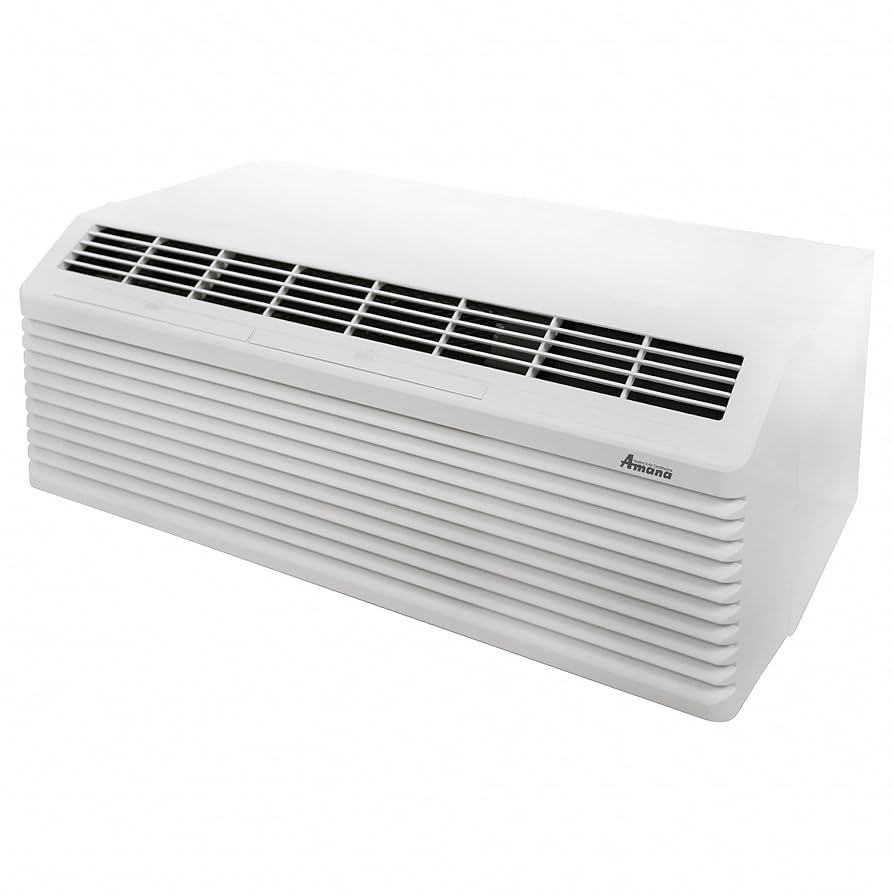
Are you looking for an efficient way to cool your space without dealing with complicated installations? A PTAC air conditioner might be exactly what you need.
These units offer powerful cooling in a compact design, perfect for your home, office, or hotel room. But what exactly is a PTAC air conditioner, and how can it make your life easier? Keep reading to discover how this simple yet effective cooling solution can transform your comfort.
Credit: thefurnaceoutlet.com
Ptac Air Conditioner Basics
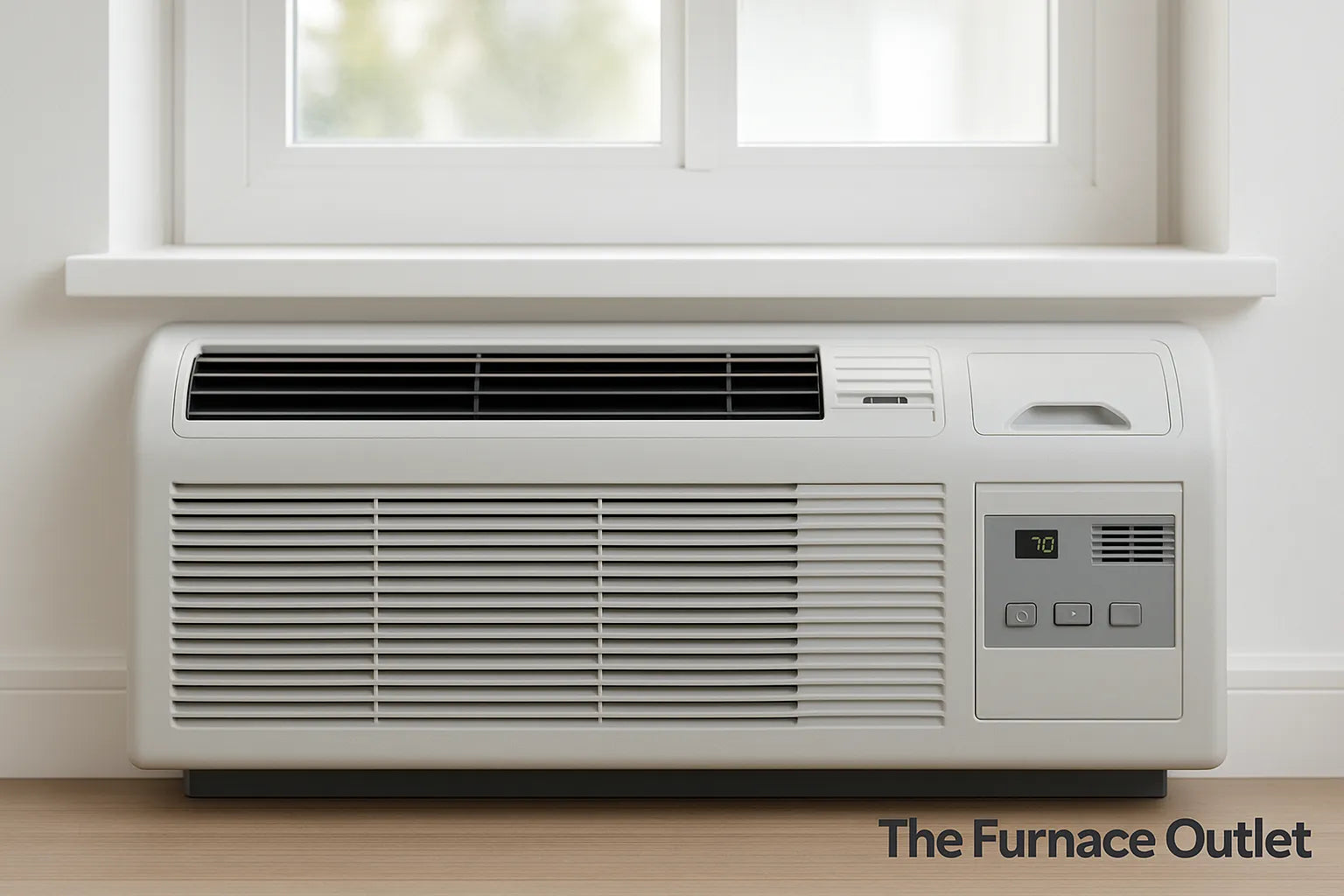
Ptac air conditioners are popular in hotels and small buildings. They are self-contained units that cool and heat a single room. These systems are easy to install and maintain.
Understanding how Ptac units work helps in choosing the right cooling and heating solution. They combine several components to provide comfort in limited spaces.
What Is A Ptac Unit
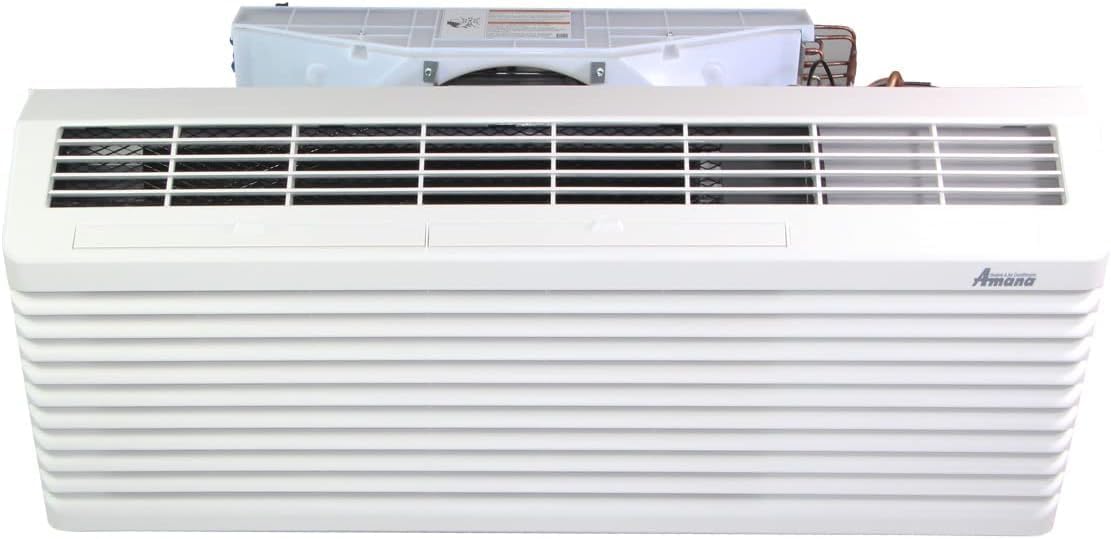
A Ptac unit stands for Packaged Terminal Air Conditioner. It is a compact device installed through an exterior wall. Ptac units provide both cooling and heating for individual rooms.
These units do not require ductwork. They are common in places where central air conditioning is not practical.
Key Components
- Compressor:Pumps refrigerant to cool or heat the air.
- Condenser Coil:Releases heat outside during cooling.
- Evaporator Coil:Absorbs heat from inside the room.
- Blower Fan:Moves air over the coils and into the room.
- Thermostat:Controls the temperature settings.
These parts work together to control the room temperature efficiently. The compact design fits neatly into walls.
How Ptac Systems Work
| Step | Process |
|---|---|
| 1 | The thermostat detects room temperature. |
| 2 | The compressor starts and circulates refrigerant. |
| 3 | In cooling mode, the evaporator coil absorbs heat inside. |
| 4 | The condenser coil releases heat outside. |
| 5 | The blower fan moves cooled or heated air into the room. |
Ptac units can switch between cooling and heating modes. This makes them useful all year round.
Credit: www.amazon.com
Types Of Ptac Air Conditioners
Ptac air conditioners are popular in hotels and small buildings. They provide both cooling and heating in one unit. Different types of Ptac units use various heating methods.
Choosing the right Ptac unit depends on the heating needs and energy sources available. Below are the main types of Ptac air conditioners.
Electric Heating Models
Electric heating Ptac units use electric resistance coils to warm the air. They are easy to install and maintain. These models heat rooms quickly and are common in mild climates.
- Use electricity to generate heat
- Heat air through electric coils
- Require no external heating source
- Simple to control and operate
Hot Water And Steam Heating Models
These Ptac units connect to a building’s hot water or steam system. They transfer heat from the water or steam to the air. This type is common in older buildings with existing heating systems.
| Feature | Hot Water Model | Steam Model |
| Heat Source | Hot water from boiler | Steam from boiler |
| Heat Transfer | Heat exchanger coil | Steam coil |
| Control | Valve controls water flow | Valve controls steam flow |
| Common Use | Modernized older buildings | Older buildings with steam systems |
Heat Pump Ptac Units
Heat pump Ptac units can both heat and cool by moving heat in or out. They use electricity but are more energy efficient than electric resistance models. Heat pumps work best in moderate climates.
- Move heat instead of creating it
- Use electricity but save energy
- Can cool in summer and heat in winter
- Require less maintenance than boilers
Benefits Of Ptac Air Conditioners
Ptac air conditioners are popular for their unique design and function. They provide cooling and heating in one unit. Many buildings use them for comfort and convenience.
This type of air conditioner offers several benefits. These benefits help save energy, space, and time on maintenance.
Energy Efficiency
Ptac units use less electricity than many other air conditioners. This helps reduce energy bills. They can cool or heat a room quickly and keep the temperature steady.
- Lower power use saves money
- Good for small to medium rooms
- Fast temperature control
- Less strain on electrical systems
Space-saving Design
Ptac air conditioners fit into walls, not floors or windows. This design frees up room space. It works well in places with limited area.
| Feature | Benefit |
| Wall-mounted | Frees floor space |
| Compact size | Fits small rooms easily |
| Integrated heating and cooling | Less equipment needed |
Ease Of Maintenance
Ptac units are simple to maintain. Their parts are easy to reach and clean. This lowers repair time and cost.
- Clean filters monthly
- Check for leaks regularly
- Keep vents free of dust
- Schedule yearly professional checkups
Choosing The Right Ptac Unit
PTAC air conditioners are popular for heating and cooling single rooms. They are easy to install and use. Choosing the right PTAC unit helps keep your space comfortable.
Picking the correct size and type saves energy and money. You should also consider installation needs and costs before buying.
Sizing Considerations
Choosing the right size PTAC unit is very important. If the unit is too small, it cannot cool or heat well. If it is too large, it wastes energy and money.
Look at the room size and insulation. Measure the square feet of the room. This helps find the right cooling and heating capacity.
- Small rooms need smaller units (5,000-7,000 BTU).
- Medium rooms may need 8,000-12,000 BTU units.
- Large rooms require units over 12,000 BTU.
- Check the unit’s BTU rating to match room size.
Installation Requirements
PTAC units usually fit into a wall sleeve. You need a proper wall opening to install the unit. Some units come with sleeves; others need sleeves bought separately.
Check power needs before installing. Most PTAC units use 208-230 volts. You may need an electrician to install the power supply safely.
- Measure wall thickness to pick correct sleeve size.
- Ensure the wall opening is clear of obstructions.
- Confirm electrical supply matches unit requirements.
- Follow local codes for safe installation.
Cost Factors
PTAC unit prices vary by size, brand, and features. Bigger units and more features cost more. Installation costs also add to the total price.
Consider long-term energy costs. Efficient models may cost more upfront but save money on bills. Compare warranties and service options too.
- Unit price depends on cooling and heating capacity.
- Installation costs vary by location and complexity.
- Energy-efficient units reduce electric bills.
- Warranty length can affect overall value.
Ptac Vs Other Cooling Systems
A PTAC air conditioner is a self-contained unit installed through a wall. It cools and heats individual rooms. PTAC units are common in hotels and apartments.
This guide compares PTAC units with other cooling options. It covers central air systems, window units, and ductless mini-splits.
Comparison With Central Air
Central air systems cool entire buildings through ducts. PTAC units work in single rooms without ductwork. Central air needs more installation and space.
| Feature | PTAC | Central Air |
| Installation | Wall-mounted, easy | Complex duct system |
| Cooling Area | Single room | Whole house or building |
| Energy Use | Lower for small spaces | Efficient for large areas |
| Maintenance | Easy, unit-specific | Duct cleaning needed |
Window Units Vs Ptac
Window units fit in window frames and cool single rooms. PTAC units are installed through walls and often include heating. Both are good for small spaces.
- PTAC units provide heating and cooling.
- Window units usually only cool.
- PTACs are less noisy than window units.
- Window units block the window view.
- PTACs require wall space and some construction.
Ductless Mini-splits
Ductless mini-splits have two parts: an outside compressor and an indoor air handler. They cool or heat rooms without ducts. PTAC units combine all parts in one wall unit.
Mini-splits offer flexible placement and quieter operation. PTACs are simpler to install but less flexible. Both work well for room-by-room temperature control.
Maintaining Ptac Air Conditioners
Ptac air conditioners are popular for heating and cooling small spaces. Proper maintenance keeps them working well and saves money.
Regular care helps your Ptac unit last longer and perform better. Let’s look at how to maintain these units.
Regular Cleaning Tips
Cleaning your Ptac air conditioner prevents dust and dirt from blocking airflow. This keeps it running efficiently.
Start by unplugging the unit before cleaning. Remove the front panel to access the filters and coils.
- Wash or replace air filters every 30 days during heavy use
- Use a soft brush or vacuum to clean dirt from coils
- Wipe the exterior with a damp cloth to remove dust
- Check and clear the drain pan to avoid water buildup
Troubleshooting Common Issues
Ptac units may face problems like poor cooling or strange noises. Spotting issues early helps avoid big repairs.
- Check if the unit is plugged in and the thermostat is set correctly
- Clean or replace dirty filters that block air flow
- Listen for unusual sounds that could mean loose parts
- Inspect the drain for clogs that cause water leaks
If the unit does not cool or heat well, check vents and make sure nothing blocks air flow.
When To Call A Professional
Some problems need expert care to fix safely. Call a technician if you see these signs.
- The unit does not turn on after basic checks
- There is a refrigerant leak or frost buildup on coils
- Strange smells or smoke come from the unit
- Electrical parts or wiring look damaged
- Repeated breakdowns happen despite cleaning
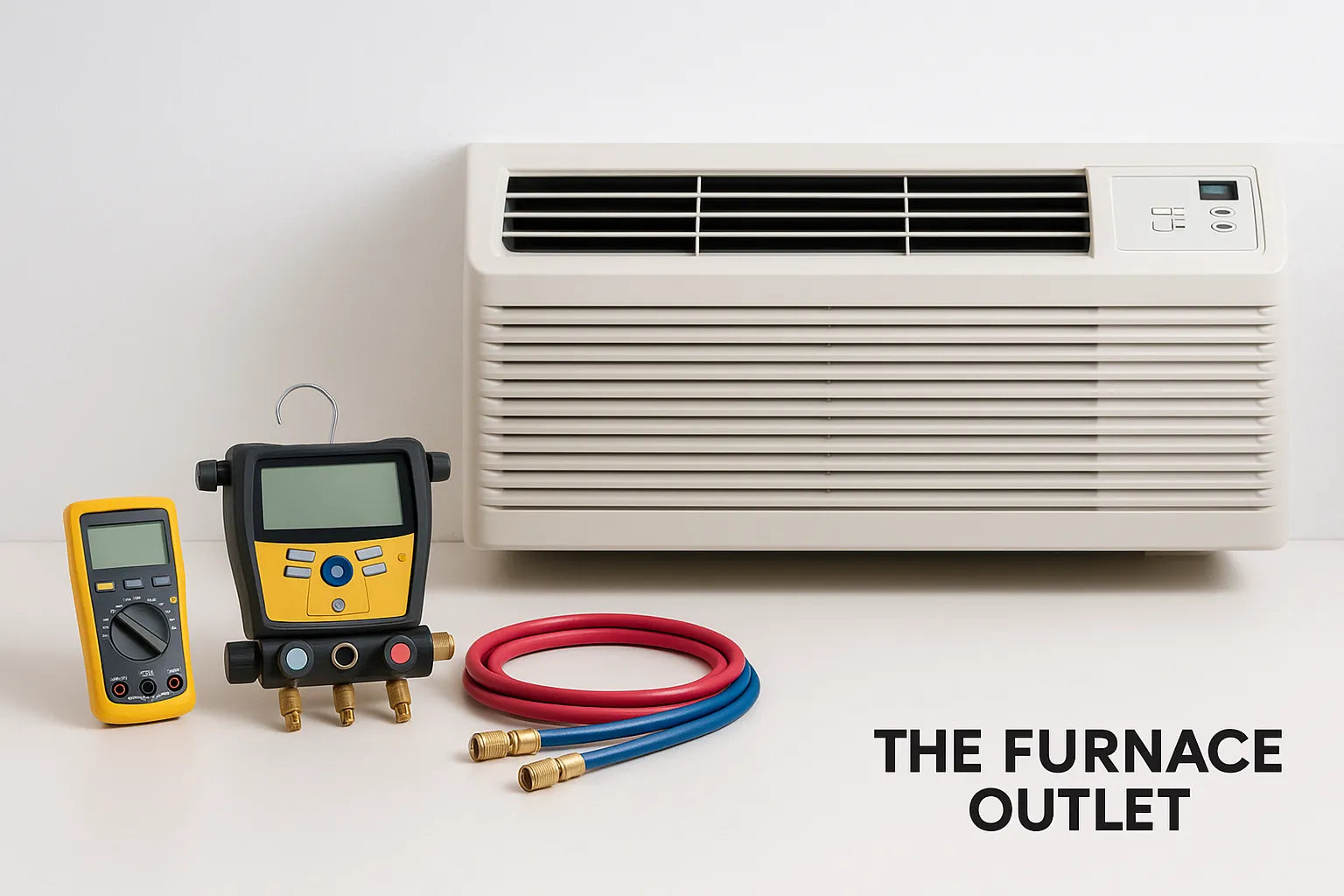
Regular professional service ensures your Ptac air conditioner runs safely and lasts longer.
Energy-saving Tips For Ptac Units
Ptac air conditioners are common in hotels and small apartments. They offer both heating and cooling in one unit. Saving energy with these units helps reduce electricity bills.
Simple habits and adjustments can make your Ptac unit more efficient. Below are some tips to help you save energy.
Optimal Temperature Settings
Set your Ptac unit to a comfortable temperature without overcooling or overheating. This reduces the energy the unit uses.
- Keep cooling temperatures between 75°F and 78°F.
- Set heating temperatures around 68°F to 70°F.
- Avoid rapid changes in temperature settings.
- Use a fan mode to circulate air without extra cooling.
Using Timers And Controls
Timers and programmable controls help run your Ptac unit only when needed. This prevents wasting energy.
- Set timers to turn off the unit when rooms are empty.
- Use programmable thermostats to adjust temperature by time of day.
- Use energy-saving modes if available on your unit.
- Check and adjust settings regularly for efficiency.
Improving Room Insulation
Good insulation keeps the room temperature stable. This reduces how hard your Ptac unit must work.
| Insulation Tip | Benefit |
|---|---|
| Seal windows and doors | Stops cold or hot air from entering |
| Use curtains or blinds | Blocks heat from sunlight |
| Add weather stripping | Reduces drafts around frames |
| Insulate walls and ceilings | Keeps indoor air temperature steady |
Credit: thefurnaceoutlet.com
Frequently Asked Questions
What Is A Ptac Air Conditioner?
A PTAC air conditioner is a self-contained heating and cooling unit. It is commonly installed through walls in hotels, apartments, and offices. PTAC stands for Packaged Terminal Air Conditioner, designed for individual room temperature control.
How Does A Ptac Air Conditioner Work?
A PTAC unit draws air from the room, cools or heats it using refrigerant, and then recirculates the conditioned air back. It operates independently, providing efficient localized climate control without affecting other rooms.
Where Are Ptac Air Conditioners Commonly Used?
PTAC units are widely used in hotels, motels, hospitals, and apartments. They are ideal for spaces needing separate climate control in each room. Their compact, wall-mounted design saves indoor space.
What Are The Benefits Of Ptac Air Conditioners?
PTAC units offer easy installation, energy efficiency, and individual room control. They are low maintenance and cost-effective. These units provide both heating and cooling, enhancing comfort year-round.
Conclusion
Ptac air conditioners offer efficient cooling for small spaces. Easy to install and maintain. They provide both heating and cooling. Perfect for hotels, apartments, and offices. Energy-efficient options reduce electricity bills. Versatile in use, meeting diverse needs. They blend well with interiors, ensuring comfort.
Consider your space needs and budget. Select the best model for your requirements. Reliable and durable, they promise long service. Make your environment comfortable year-round. Ideal for those seeking practical cooling solutions. Enjoy the convenience and efficiency Ptac units provide.