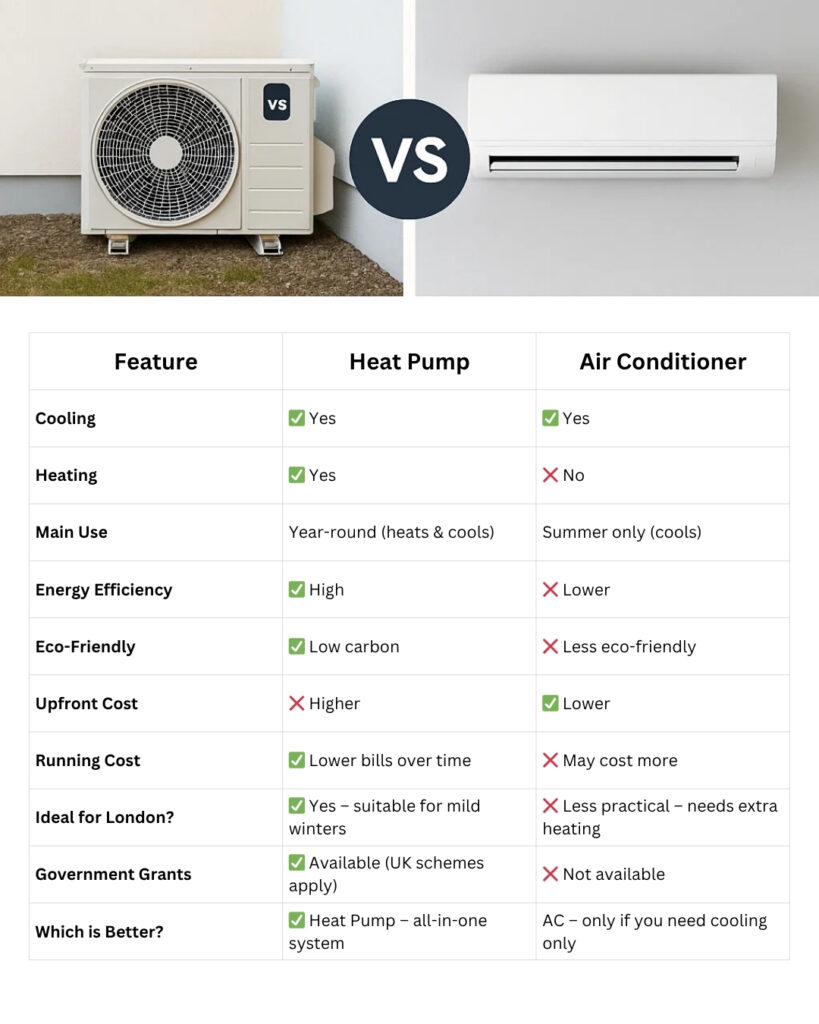
Are you wondering if a heat pump might be a smarter choice than a traditional air conditioner? You’re not alone.
When it comes to keeping your home comfortable all year round, making the right decision can save you money, energy, and stress. Imagine having one system that not only cools your space in the summer but also warms it in the winter.
Sounds convenient, right? You’ll discover the key differences between heat pumps and air conditioners, helping you decide which option fits your needs best. Keep reading—you might be surprised by what you learn.
How Heat Pumps Work
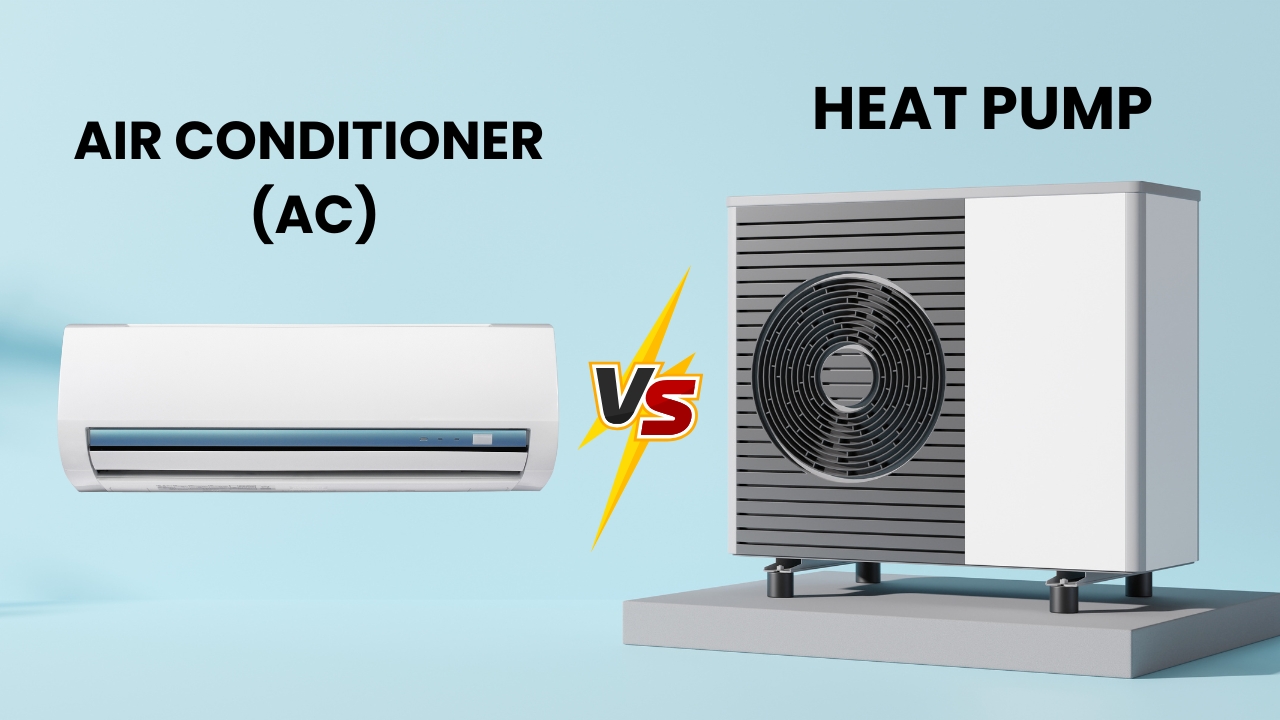
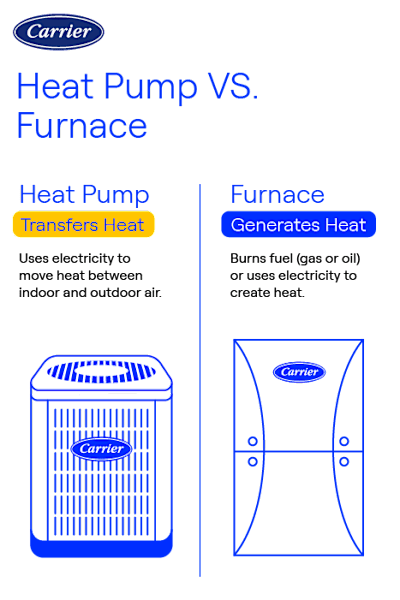
A heat pump moves heat from one place to another. It can warm or cool your home.
In heating mode, it takes heat from outside air. Even cold air has some heat. The pump brings this heat inside.
In cooling mode, it works like an air conditioner. The heat pump pulls heat from inside your home and sends it outside. This cools the air indoors.
Heat pumps use a special fluid called refrigerant. This fluid changes from liquid to gas and back. It helps carry heat during the process.
Basic Mechanics:
- Refrigerant absorbs heat at one coil.
- It moves heat to the other coil.
- A compressor pushes the refrigerant along.
- Fans help move air over the coils.
Heating and Cooling Modes:
- Heating: heat is moved indoors.
- Cooling: heat is moved outdoors.
- A switch called a reversing valve changes modes.
- One system works for both heating and cooling.
Credit: www.rapidheat247.co.uk
How Air Conditioners Work
Air conditioners work by removing heat from inside your home. The cooling processuses a refrigerant that absorbs heat from indoor air. This warm air passes over cold coils, and the heat moves into the refrigerant. The cooled air then blows back into the room.
The refrigerant carries the heat outside. Here, it releases the heat into the outdoor air. This cycle keeps repeating to maintain a cool temperature inside.
- Window air conditioners:Small units installed in a window. Good for cooling one room.
- Split air conditioners:Have two parts: one inside and one outside. Quieter and more efficient.
- Central air conditioners:Cool the whole house through ductwork. Best for large homes.
- Portable air conditioners:Easy to move from room to room. Not as powerful as other types.
Energy Efficiency Comparison
Heat pumpsuse electricity to move heat, not create it. This makes them more energy efficientthan traditional air conditioners. They consume less powerin both heating and cooling modes.
Air conditioners only cool air and use more energy during hot months. Heat pumps can cool in summer and warm in winter, cutting energy use year-round.
| Type | Energy Use (Cooling) | Energy Use (Heating) | Seasonal Efficiency |
|---|---|---|---|
| Heat Pump | Low | Low | High |
| Air Conditioner | Medium | Not applicable | Low |

Credit: greenleafair.com
Cost Considerations
Initial installation costsfor heat pumps tend to be higher than air conditioners. This is because heat pumps provide both heating and cooling, so their systems are more complex. Air conditioners usually cost less to install since they only cool.
Long-term savingsmake heat pumps a smart choice. They use less energy to heat and cool your home. This means lower electricity bills over time. Air conditioners only cool, so you might need a separate heater, raising costs.
| Cost Aspect | Heat Pump | Air Conditioner |
|---|---|---|
| Installation Cost | Higher | Lower |
| Energy Use | Efficient for heating and cooling | Efficient only for cooling |
| Long-Term Savings | More savings on energy bills | Less savings, may need extra heating |
Climate Suitability
Heat pumps work well in moderate climates, providing both heating and cooling efficiently. Air conditioners suit hot areas but can’t heat homes like heat pumps do. Choosing depends on your local weather and energy needs.
Best Conditions For Heat Pumps
Heat pumpswork best in mild to moderate climates. They can both cool and heat your home. This makes them great for places with cool winters and warm summers. Heat pumps save energy by moving heat instead of making it. They work well when temperatures stay above freezing most of the time. They are less efficient in very cold weather but still useful in many areas.
When To Choose Air Conditioners
Air conditionersare better for areas with hot summersand mild winters. They only cool the air, so you need another system for heating. AC units work well in places that do not get very cold. They are simpler and often cheaper than heat pumps. For very cold or very hot places, using an air conditioner with a heater might be the best choice.
Maintenance And Durability
Routine maintenancefor both heat pumps and air conditioners is similar. Cleaning or replacing filters every 1-3 months keeps air clean. Outdoor units need debris removal and clear surroundings for good airflow. Checking refrigerant levels and electrical connections helps the system run well. Scheduling professional inspections once a year can catch issues early.
Lifespanvaries but heat pumps often last 10 to 15 years. Air conditioners usually last 12 to 15 years. Proper maintenance can extend these lifespans. Heat pumps may face more wear in very cold climates. Air conditioners may wear faster in very hot areas. Both need care to keep working longer.
Environmental Impact
Heat pumpsgenerally have a lower carbon footprintthan air conditioners. They use less electricity to cool or heat a space. This means they release fewer greenhouse gases. Heat pumps also work by moving heat, not creating it, which saves energy.
| Refrigerants Used | Environmental Impact |
|---|---|
| Air Conditioners | Often use refrigerants with high global warming potential (GWP). |
| Heat Pumps | Increasingly use refrigerants with low GWP to reduce harm. |
Choosing systems with eco-friendly refrigerants helps protect the planet. Reducing the carbon footprint is key for cleaner air and a healthier Earth.
Credit: www.carrier.com
Choosing The Right System
The size of your homeaffects which system suits best. Larger homes may need a more powerful system. Good insulationhelps keep warm or cool air inside. This lowers energy costs.
Budget plays a big role in choosing a system. Air conditioners usually cost less upfront. Heat pumps save money over time by heating and cooling. Personal preferencesmatter too. Some prefer a system that works all year round.
Frequently Asked Questions
What Is The Main Difference Between A Heat Pump And Ac?
A heat pump provides both heating and cooling, while an air conditioner only cools. Heat pumps transfer heat from outside to inside during winter and reverse in summer. Air conditioners only remove heat from indoors to cool the space.
Are Heat Pumps More Energy-efficient Than Air Conditioners?
Yes, heat pumps are generally more energy-efficient because they transfer heat instead of generating it. This reduces electricity use in both heating and cooling modes, leading to lower energy bills compared to traditional air conditioners.
Can A Heat Pump Replace My Air Conditioner Completely?
Yes, a heat pump can replace an air conditioner as it cools during summer and heats in winter. It offers year-round climate control, making it a versatile and cost-effective alternative to separate AC and heating systems.
How Does The Cost Of A Heat Pump Compare To Ac?
Heat pumps typically have higher upfront costs than air conditioners. However, their dual heating and cooling function can reduce overall energy expenses, often resulting in long-term savings on utility bills compared to AC units.
Conclusion
Choosing between a heat pump and an air conditioner depends on your needs. Heat pumps cool and heat, saving energy in mild climates. Air conditioners only cool but might cost less upfront. Consider your local weather and budget carefully. Both systems have pros and cons worth thinking about.
A heat pump offers year-round comfort, while an air conditioner suits hot areas. Think about how you use your home and what fits best. The right choice keeps your space comfortable all year long.