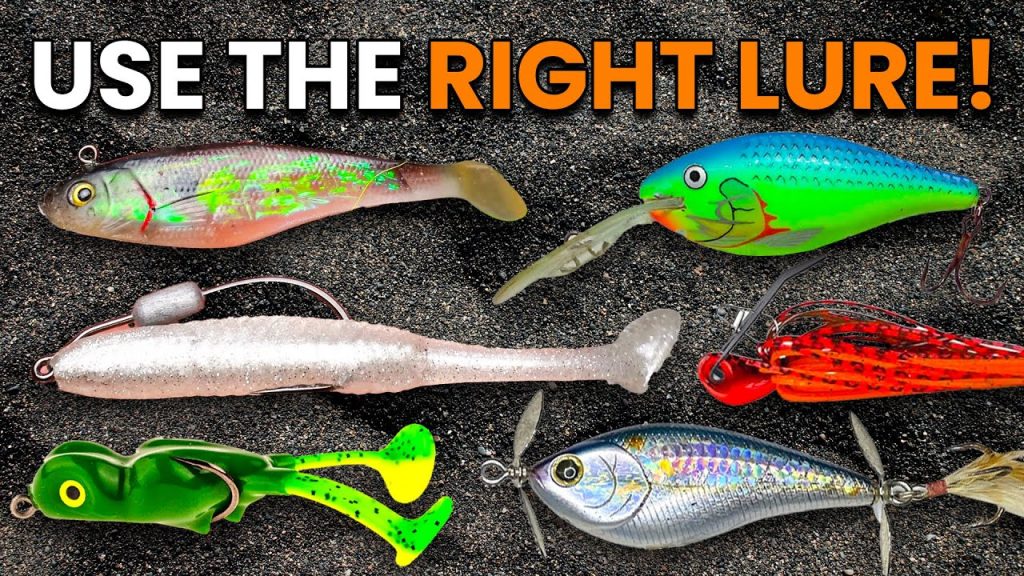
Imagine the thrill of casting your line into the water, waiting with anticipation as the lure dances beneath the surface, enticing your next big catch. You’ve heard about the magic of fishing lures, but do you really know how to harness their power?
Whether you’re a seasoned angler or just dipping your toes into the world of fishing, knowing how to effectively use lures can transform your fishing experience. Picture this: with the right lure, you can lure (pun intended) in the fish you’ve been dreaming of.
It’s not just about luck; it’s about understanding the art and science behind each cast. Are you ready to discover the secrets that can help you stand out on your next fishing trip? Dive into the full article, and get ready to reel in your best catch yet!

Credit: fishingbooker.com
Choosing The Right Lure
Choosing the right lure is key to catching fish. Different lures work better in different situations.
This guide explains how to pick lures based on type, fish species, and water conditions.
Types Of Fishing Lures
Fishing lures come in many shapes and sizes. Each type mimics different prey to attract fish.
- Spinnerbaits:These have spinning blades that reflect light and create vibration.
- Jigs:Weighted lures with soft bodies. Good for bottom fishing.
- Crankbaits:Hard-bodied lures that dive and wobble in the water.
- Soft Plastics:Flexible lures shaped like worms or minnows.
- Spoons:Metal lures that flutter when reeled in.
Matching Lures To Fish Species
Different fish prefer different lures. Knowing the target species helps you pick the right one.
| Fish Species | Recommended Lure |
| Bass | Jigs, Spinnerbaits, Soft Plastics |
| Trout | Crankbaits, Spoons, Small Spinners |
| Pike | Large Spoons, Spinnerbaits, Crankbaits |
| Walleye | Jigs, Soft Plastics, Crankbaits |
| Salmon | Spoons, Spinnerbaits, Plugs |
Considering Water Conditions
Water clarity, depth, and temperature affect lure choice. Bright lures work well in clear water.
- Use bright or reflective lures in clear water to attract fish.
- Choose dark or natural colors in murky water for better visibility.
- Match lure weight to water depth for proper sinking or swimming action.
- Slow-moving lures work well in cold water when fish are less active.
- Fast-moving lures suit warm water where fish chase prey quickly.
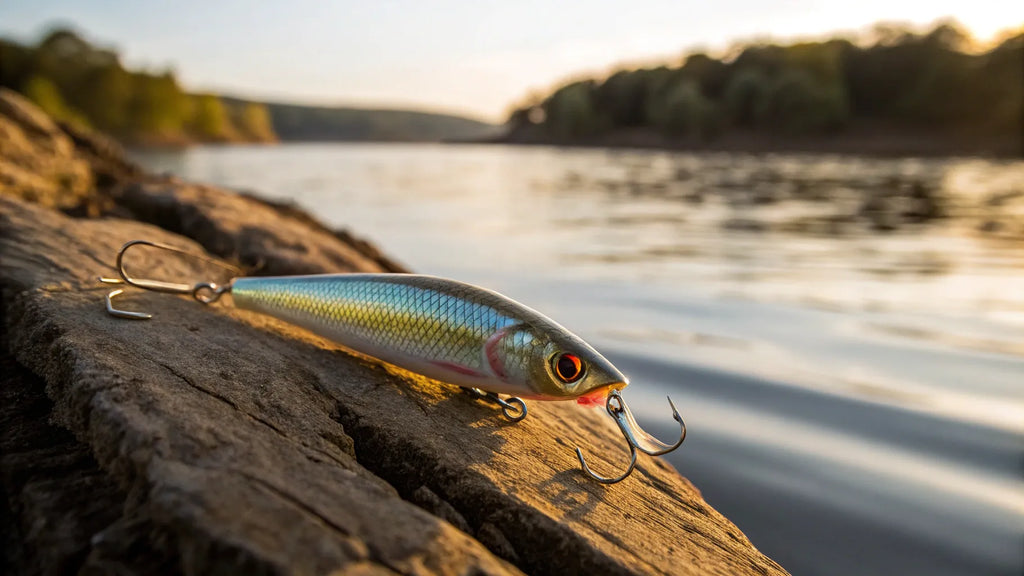
Credit: www.battlbox.com
Lure Colors And Patterns
Choosing the right colors and patterns for your fishing lures helps catch more fish. Fish see colors differently, so using the right lure is key.
Learning about lure colors and patterns improves your fishing success. You can change lures based on water and weather conditions.
Bright Vs. Natural Colors
Bright colors stand out in murky water or low light. They help fish spot your lure from far away.
Natural colors look like real bait fish. They work well in clear water and bright sunlight.
- Use bright colors like chartreuse or orange in cloudy water
- Choose natural colors like silver or brown in clear water
- Match the color to the local baitfish for better results
Adapting To Light And Weather
Light and weather affect how fish see your lure. Adjust colors to fit the conditions.
On sunny days, use subtle colors to avoid spooking fish. On cloudy or rainy days, bright colors work better.
- Use darker lures at dawn or dusk
- Pick reflective or shiny lures on sunny days
- Choose bright or fluorescent lures in low light
Using Patterns To Attract Fish
Patterns add realism to your lure. Fish often react to patterns that look like their prey.
Stripes, spots, and scales can make your lure more interesting. Try different patterns to see what works best.
- Striped patterns mimic many baitfish
- Spotted patterns resemble insects or small fish
- Scaled or textured patterns add lifelike detail
Techniques For Casting Lures
Casting lures is an important skill for fishing success. Good casting helps place your lure where fish are.
Learning different casting techniques can improve your fishing experience and catch rate.
Basic Casting Methods
The most common cast is the overhead cast. It sends the lure far with simple motion.
The sidearm cast is useful in tight spaces. It helps cast under trees or bushes.
- Overhead cast:Raise the rod above your head, then flick forward.
- Sidearm cast:Swing the rod sideways close to the water surface.
- Roll cast:Use this when you cannot do a full back cast. Roll the lure forward smoothly.
Improving Accuracy And Distance
Practice is key to improve casting accuracy. Aim for a specific spot near fish habitats.
Use a smooth, controlled motion to increase casting distance. Avoid jerky movements.
- Keep your wrist firm but flexible during the cast.
- Watch your lure path and adjust your angle as needed.
- Use a heavier lure to cast farther.
- Choose the right rod length for better control and distance.
When To Use Different Casts
Use overhead casts in open water for long, straight casts. It covers more area.
Sidearm casts work best near obstacles like trees or docks. It keeps the line low.
- Roll cast is helpful in narrow spots or when back casting is limited.
- Choose the cast that fits your environment and fishing spot.
- Switch casts if one does not reach the fish or causes snags.
Retrieving Lures Effectively
Retrieving lures is an important part of fishing. It helps attract fish by making the lure move like real prey. Using different techniques can improve your chances of catching fish.
Changing how you retrieve your lure can make it more interesting to fish. This guide covers ways to vary retrieval speeds, use jerks and pauses, and mimic prey movements.
Varying Retrieval Speeds
Changing the speed of your lure retrieval can attract different types of fish. Some fish like fast-moving lures, while others prefer slow and steady ones. Try different speeds to see what works best.
Start slow, then speed up. You can also try a steady speed or a mix of fast and slow. Varying speeds keeps the lure’s movement natural and interesting.
Using Jerks And Pauses
Jerking your rod tip or pausing during retrieval can make your lure look like a wounded fish. This can trigger fish to strike. Use quick jerks to create sudden movements.
Pausing lets the lure stop briefly, which can make fish curious. Alternate between jerks and pauses to keep fish interested and ready to bite.
- Use short, sharp jerks to mimic struggling prey
- Pause for 1 to 3 seconds to let the lure rest
- Combine jerks and pauses for a natural look
Mimicking Prey Movements
Imitating the way small fish or insects move helps attract predators. Watch real prey to copy their actions with your lure. Move your rod to create side-to-side or darting motions.
Use smooth and erratic movements to resemble prey trying to escape. This makes the lure look alive and increases the chance that a fish will bite.
- Move lure side to side like a swimming fish
- Use quick darts to mimic a fleeing insect
- Slow, wobbling motions can imitate injured prey
Fishing In Different Environments
Fishing with lures can change depending on the environment. Rivers, lakes, and saltwater areas each need different lure techniques. Understanding these helps catch more fish.
Each water type has its own fish habits and water conditions. Using the right lure method makes fishing easier and more fun.
Lure Strategies For Rivers
Rivers have moving water that affects lure choice and action. Use lures that mimic small fish or insects. Cast upstream and let the lure drift naturally.
- Use spinnerbaits and crankbaits with a steady retrieve
- Try soft plastic lures that can float or sink slowly
- Focus near rocks, fallen trees, and deep pools where fish hide
- Change lure speed to match the current
Fishing With Lures In Lakes
Lakes have still water, so lures should create vibrations or flashes to attract fish. Fish often stay near weed beds, drop-offs, or docks.
| Lure Type | Best Use | Fish Target |
| Jigs | Near weed beds and bottom areas | Bass, Crappie |
| Topwater lures | Early morning or evening on calm surface | Bass, Pike |
| Spoons | Open water with slow retrieve | Trout, Walleye |
Lure Use In Saltwater
Saltwater fishing needs strong lures that resist corrosion. Use lures that imitate baitfish or shrimp. Vary your retrieve to find what attracts fish.
| Lure Type | Common Use | Fish Species |
|---|---|---|
| Metal jigs | Deep water, fast drop | Snapper, Grouper |
| Soft plastics | Shallow reefs and mangroves | Redfish, Sea Trout |
| Topwater plugs | Near surface in calm seas | Bluefish, Mackerel |
Maintenance And Storage Tips
Keeping your fishing lures in good shape helps them last longer. Proper care also keeps them working well in the water.
This guide shares easy tips on cleaning, storing, and fixing lures after use.
Cleaning Lures After Use
Rinse lures with fresh water to remove dirt and salt. Salt can cause rust and damage the lure’s finish.
Use a soft brush to clean small areas and remove debris. Dry lures completely before storing them.
- Rinse with clean water immediately after fishing
- Use a soft brush for hard-to-reach spots
- Pat dry with a cloth or let air dry fully
Storing Lures To Prevent Damage
Store lures in a tackle box with separate compartments. This keeps them from tangling and scratching each other.
Avoid direct sunlight and high heat, which can fade colors and weaken materials.
- Use tackle boxes with dividers
- Keep lures in a cool, dry place
- Separate soft plastic lures from hard lures
Replacing Hooks And Parts
Check hooks often for rust or dullness. Replace them to keep lures effective and safe to use.
Swap out damaged split rings, eyes, or other parts to restore the lure’s function.
- Use sharp hooks for better catches
- Replace rusty or bent hooks immediately
- Keep spare parts handy for quick fixes
Common Mistakes To Avoid
Using lures for fishing can be fun and effective. But many anglers make mistakes that reduce their chances of catching fish.
Knowing what to avoid helps you fish smarter and enjoy your time on the water more.
Choosing The Wrong Lure
Picking the wrong lure is a common error for new and experienced fishers alike. Different fish like different types of lures.
Using a lure that does not match the fish species or water conditions lowers your chances of success.
- Use small lures for small fish and large lures for big fish
- Match lure color to the water clarity and time of day
- Choose lures that imitate local baitfish or insects
Ignoring Weather And Water
Weather and water conditions greatly affect fish behavior. Ignoring these can waste time and bait.
Fish may hide or move depending on temperature, wind, and water clarity. Lure choice and technique should change with these factors.
- Fish more actively during stable weather
- Use brighter lures in cloudy or murky water
- Adapt lure speed to water temperature and current
Overusing The Same Technique
Using one lure technique without change can make fish ignore your bait. Fish get used to patterns quickly.
Try different speeds, depths, and movements to find what attracts fish best on that day.
- Vary your lure retrieval speed
- Change lure depth by adjusting your line length
- Try different lure actions like jerking or steady pulling

Credit: www.lurenet.com
Frequently Asked Questions
What Types Of Lures Are Best For Beginners?
Soft plastic and spinnerbaits are ideal for beginners. They are easy to use and attract various fish species. These lures mimic natural prey, increasing your catch chances. Starting with versatile lures helps you learn different fishing techniques effectively.
How Do I Choose The Right Lure Color?
Choose lure colors based on water clarity and light conditions. Bright colors work well in murky water. Natural colors are better for clear water. Matching the lure color to local baitfish improves your chances of attracting fish.
When Is The Best Time To Use Lures For Fishing?
Early morning and late evening are prime times for lure fishing. Fish are more active during low light conditions. Using lures during these times increases your chances of a successful catch. Adjust lure retrieval speed based on fish activity.
How Do I Properly Retrieve A Fishing Lure?
Vary your retrieval speed to mimic injured prey. Start slow, then speed up or pause occasionally. This irregular motion triggers fish to strike. Practice different retrieval techniques to find what works best in your fishing spot.
Conclusion
Using lures can make fishing more fun and successful. Choose the right lure for the fish you want to catch. Try different colors and shapes to see what works best. Cast your line with a steady, smooth motion. Watch how fish react and change your technique if needed.
Practice helps you get better and enjoy fishing more. Keep learning and experimenting with lures. Fishing is about patience and enjoying nature. Each trip brings a new chance to catch something great.