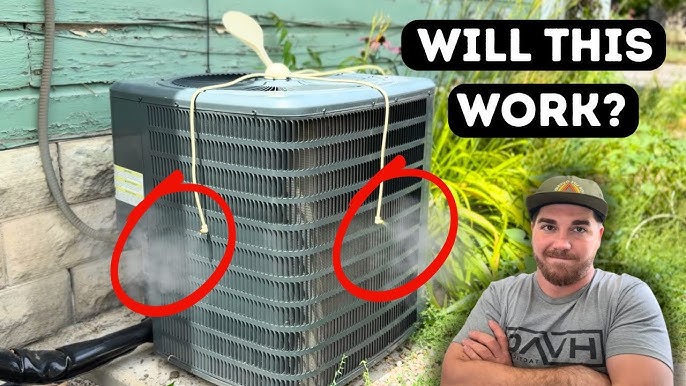
Is your home air conditioner not cooling like it used to? You might need to charge it with refrigerant to bring back its full power.
But how do you do that safely and effectively without causing damage or spending too much? In this guide, you’ll discover simple, step-by-step tips to charge your air conditioner like a pro. By the end, you’ll have the confidence to improve your home’s comfort and save money on costly repairs.
Keep reading to learn how to get your AC running cool again!
Signs Your Ac Needs Charging
Low cooling performancemeans your air conditioner is not making the room cold enough. This can happen if the refrigerant is low or there is a leak.
Ice formation on coilsis a clear sign of trouble. Ice can block the airflow and stop the unit from working properly. It often happens when the system is low on refrigerant.
Frequent cyclingmeans the AC turns on and off too often. This wastes energy and causes wear and tear. It usually shows that the system is struggling to keep the temperature steady.
Increased energy billscan signal a problem. If your AC uses more power than before, it might be working harder because it needs charging or repair.
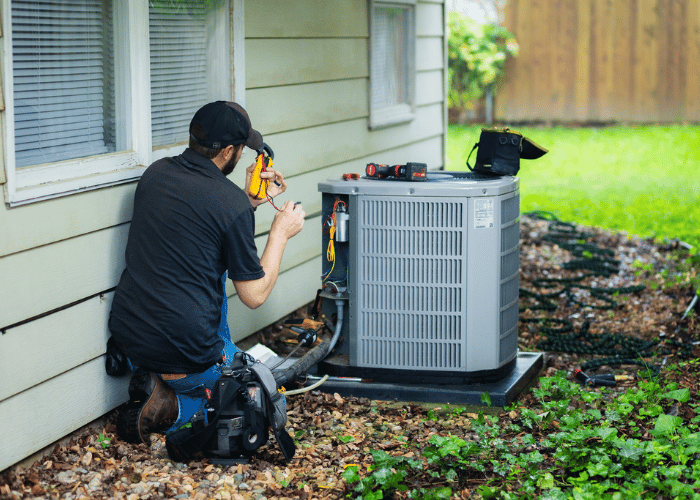
Credit: cutradeservices.com
Safety Precautions
Turn off the power supplybefore starting any work on the air conditioner. This prevents electric shocks and accidents. Double-check the breaker or unplug the unit to be safe.
Wear protective gearsuch as gloves and safety glasses. This protects your skin and eyes from harmful chemicals and sharp parts.
Handle refrigerant carefully. It can cause frostbite or breathing problems. Avoid direct contact and do not release it into the air. Use proper tools and follow local laws for disposal.
Tools And Materials Needed
Refrigerant type and quantityare vital for safe AC charging. Find the exact refrigerant type on the unit’s label. Use only the recommended amount to avoid damage. Too much or too little refrigerant harms the system.
- Manifold gauge set:Measures pressure in the AC system. Helps check refrigerant levels accurately.
- Vacuum pump:Removes air and moisture from the system before charging. Ensures clean and efficient operation.
- Leak detector:Finds leaks in the AC system. Prevents refrigerant loss and system damage.

Credit: www.acservicetech.com
Locating The Service Ports
The high-pressure portis usually smaller and located near the compressor. It measures the pressure on the hot side of the system. This port helps check if the system is working well and safe to charge.
The low-pressure portis larger and found near the evaporator coil or suction line. It measures the pressure on the cool side of the system. This is the port where refrigerant is added during charging.
| Port | Location | Purpose |
|---|---|---|
| High-Pressure Port | Near compressor | Measures hot side pressure |
| Low-Pressure Port | Near evaporator coil or suction line | Used to add refrigerant |
Checking For Leaks
Start by looking closely at all visible pipes and connections. Check for oil stainsor wet spots around joints. These signs often show where refrigerant leaksmight be. Rust or corrosion can also mean a leak is present.
A leak detector helps find small leaks that are hard to see. It senses escaping gasand beeps or lights up. Move the detector slowly along pipes and fittings. Pay attention to any alerts it gives.
- Turn off the air conditioner before checking.
- Wear gloves and eye protection for safety.
- Check all joints, valves, and coils carefully.
- Use the detector in a quiet place for best results.

Credit: atlasacrepair.com
Evacuating The System
Connect the vacuum pump to the service port of the air conditioner. Ensure all valves are closed before attaching. Tighten the connection to prevent leaks. Turn on the vacuum pump and open the valves slowly. This process helps to remove air and moisture from inside the system. Moisture can cause damage and reduce efficiency.
Run the vacuum pump for at least 15 to 30 minutes. Check the gauge to see if it reaches a deep vacuum level. If the vacuum level drops, there may be a leak. After reaching the desired vacuum, close the valves and turn off the pump. Wait and monitor the gauge to confirm the vacuum holds steady.
Charging The Ac Unit
Begin by securely attaching the refrigerant canto the AC unit’s service port. Make sure the connection is tight to avoid leaks. Use a proper adapter if needed to fit the can valve.
Monitor the pressure gaugescarefully during the process. The gauges show the pressure inside the system. Keep an eye on the numbers to prevent overcharging or undercharging. The ideal pressure depends on the AC unit model and outdoor temperature.
- Open the valve on the refrigerant can slowly.
- Add refrigerant in small amounts.
- Stop and check the pressure regularly.
- Close the valve once the desired pressure is reached.
Testing The System
Check the temperature output at the air conditioner’s vents. The cool air should be between 16°C and 22°C (60°F and 72°F). Use a thermometer for accuracy. If the air is not cold enough, the system might need recharging.
Observe pressure levels on the unit’s gauges. The high sideshould read between 150-250 psi, and the low sidebetween 25-45 psi. These numbers depend on the model and ambient temperature.
- Look for any visible leaks on pipes and connections.
- Listen for hissing sounds that signal gas escaping.
- Use soapy water on joints; bubbles mean leaks.
Leaks reduce efficiency and can damage the system. Fix leaks before charging the air conditioner.
Common Mistakes To Avoid
Overcharging the systemcan cause damage and reduce cooling efficiency. Too much refrigerant raises pressure inside the unit. This can lead to leaks or compressor failure. Always add the amount specified by the manufacturer.
Ignoring leakswastes refrigerant and harms the environment. Leaks cause the system to lose cooling power. Check all hoses and connections carefully. Fix leaks before adding refrigerant to avoid repeated problems.
Using incorrect refrigerantharms the air conditioner. Different models need specific refrigerants. Using the wrong type can cause poor cooling or system breakdown. Always check the label or manual before charging.
Frequently Asked Questions
How Do I Know If My Ac Needs Charging?
If your AC isn’t cooling well or the airflow is weak, it may need charging. Low refrigerant levels often cause these issues. Check for ice buildup on coils or listen for hissing sounds. A professional can confirm and safely recharge your AC unit.
What Tools Are Required To Charge A Home Air Conditioner?
To charge an AC, you need a refrigerant gauge set, refrigerant, safety gloves, and a vacuum pump. These tools help measure pressure and safely add refrigerant. Always follow manufacturer guidelines and safety protocols when handling refrigerants.
Can I Charge My Air Conditioner Myself Safely?
Charging an AC is possible but requires knowledge of refrigerants and equipment. Incorrect handling can harm the unit or cause injury. It’s best to hire a certified HVAC technician for safe and accurate charging, ensuring optimal system performance.
How Much Refrigerant Does A Home Ac Need?
The refrigerant amount depends on the AC’s size and model. Check the unit’s nameplate or manual for exact specifications. Overcharging or undercharging can reduce efficiency and damage the system. Accurate measurement is essential for proper AC operation.
Conclusion
Charging a home air conditioner needs care and the right tools. Always check the model’s instructions before starting. Use proper safety gear to avoid accidents. Keep track of the refrigerant levels for best cooling. Regular maintenance helps your AC last longer and work better.
Small steps make a big difference in comfort at home. Stay patient and follow each step carefully. Your cool, fresh air depends on it.