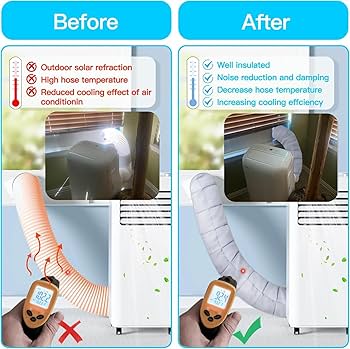
Are you tired of watching your energy bills skyrocket every summer? Wondering why your air conditioner seems to be working overtime but not delivering the cool comfort you crave?
The culprit may be poor insulation around your unit. Without proper insulation, your air conditioner has to work harder, costing you more money and wearing out faster. In this guide, we’ll show you simple, effective steps to insulate your air conditioner.
You’ll not only enjoy a cooler home but also see a pleasant dip in your energy expenses. Ready to transform your cooling experience and save some cash? Keep reading to discover how easy it can be to give your air conditioner the insulation boost it needs.
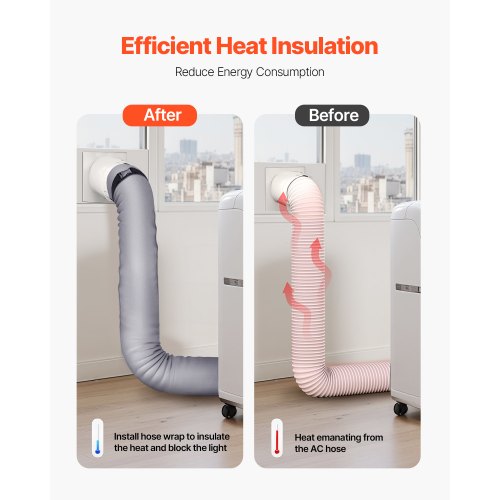
Credit: www.vevor.com
Benefits Of Insulating Your Air Conditioner
Insulating your air conditionerhelps to reduce energy consumption. It keeps cool air inside and stops warm air from entering. This means the AC does not work too hard.
Cooling efficiencyimproves because insulation keeps the air steady. Your room stays cooler for longer. The air conditioner uses less power to keep the temperature low.
Lower utility billscome from saving energy. Using less electricity means paying less money. Insulation is a simple way to cut down monthly costs.
Extending equipment lifespanis another benefit. The air conditioner runs smoother and faces less wear. It needs fewer repairs and lasts for many years.
Types Of Air Conditioner Insulation
Pipe insulationhelps stop heat loss from cold pipes. It keeps air conditioner pipes cool and prevents condensation. Using foam sleeves or rubber insulation is common. This protects pipes from damage and saves energy.
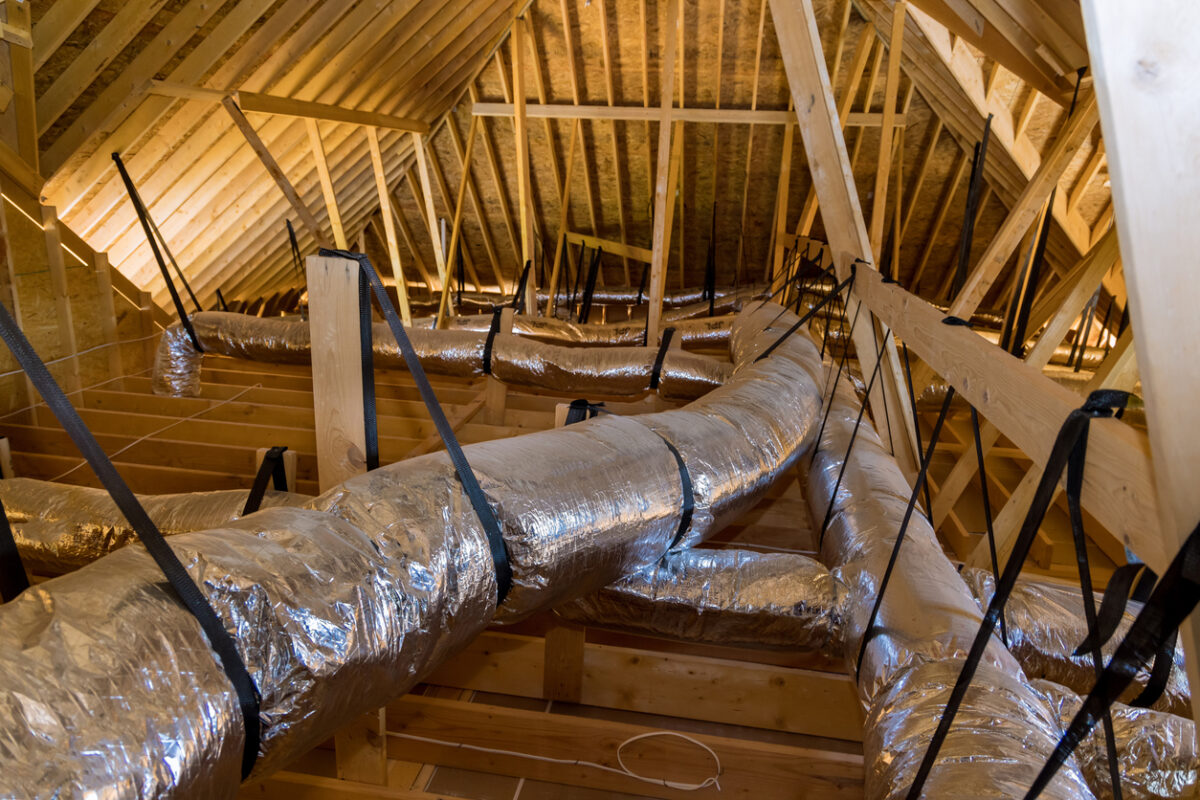
Duct insulationkeeps cooled air inside ducts cold. It stops warm air from entering ducts. Insulating ducts improves system efficiency and lowers energy costs. Common materials include fiberglass and foam boards.
Unit insulationwraps the main air conditioner unit. This reduces noise and protects the unit from weather. Insulation also helps the unit run more quietly and last longer.
Thermal barriersblock heat from outside sources. They protect the air conditioner parts from heat damage. Materials like reflective foil or special coatings work well as barriers.
Materials For Effective Insulation
Foam pipe wrapsare easy to install and reduce heat loss. They fit snugly around pipes and stop cold air from escaping.
Fiberglass duct wrapsprovide strong insulation for air ducts. They can handle high temperatures and keep the air cool inside ducts.
Reflective foilworks by reflecting heat away. It is thin and flexible, perfect for wrapping around ducts or pipes.
Spray foam optionsfill gaps and cracks well. They create a tight seal that blocks air leaks and improves cooling efficiency.
Credit: www.mid-fla.com
Step-by-step Insulation Process
Check your air conditioner setup carefully. Find all pipes, ducts, and units that need insulation. Look for places where cold air might escape or hot air might enter. Measure the length and width of pipes and ducts. This helps to buy the right amount of insulation material. Use a tape measure for accuracy. Write down all measurements before cutting any materials.
Use sharp scissors or a utility knife to cut insulation pieces. Cut them a little longer than measured to fit snugly. Make straight cuts to avoid gaps. For pipes, cut tubes that wrap around them. For ducts, cut flat sheets to cover surfaces.
Wrap insulation around pipes and ducts tightly. Use foam or fiberglass insulation for better results. Cover all exposed parts evenly. Avoid leaving any gaps or holes. Overlap edges for full coverage. This stops air leaks and saves energy.
Seal all insulation edges with duct tape or special sealant. Press tape firmly to avoid peeling. Secure insulation with zip ties or wire if needed. This keeps insulation in place for a long time. Check for loose parts and fix them immediately.
Common Mistakes To Avoid
Failing to seal gaps around the air conditioner wastes energy and reduces cooling. Using the wrong insulation material can cause moisture build-up and damage. Ignoring manufacturer instructions often leads to poor performance and higher bills.
Using Incorrect Insulation Types
Choosing the wrong insulation can reduce cooling efficiency. Some materials do not block heat well. Use insulation made for air conditioners only. It should resist heat and moisture. Avoid cheap or generic options to save money.
Leaving Gaps And Exposed Areas
Gaps let warm air inside. Exposed pipes lose cool air. Seal all joints tightly with tape or foam. Check corners and edges carefully. Even small holes can cause big energy loss.
Overlooking Moisture Control
Moisture causes mold and rust. Use insulation that stops water vapor. Keep the area dry and well-ventilated. Inspect insulation often to avoid dampness buildup.
Ignoring Regular Maintenance
Clean and check insulation regularly. Dirt and damage lower its power. Fix tears or loose parts quickly. Regular care helps the system work better longer.
Additional Tips For Energy Savings
Regular tune-ups keep your air conditioner running efficiently. Clean or replace filters to improve airflow. Check coolant levels to avoid extra energy use. A well-maintained system lowers billsand lasts longer.
Programmable thermostats help control temperature automatically. Set them to cool only when needed. This saves energy by avoiding unnecessary cooling. They are easy to use and reduce waste.
Sealing your home stops cool air from escaping. Use weather stripping on doors and windows. Seal cracks with caulk or foam. A tightly sealed home keeps energy inside and cuts costs.
Optimizing airflow means nothing blocks vents or ducts. Keep furniture away from vents. Clean vents regularly to allow smooth air movement. Good airflow improves cooling and energy use.

Credit: www.walmart.com
Frequently Asked Questions
How Do I Insulate An Air Conditioner Pipe?
To insulate an AC pipe, wrap it with foam insulation sleeves. Secure with tape to prevent heat exchange and condensation. This improves efficiency and reduces energy costs.
What Materials Are Best For Ac Insulation?
Closed-cell foam and rubber insulation sleeves are ideal. They resist moisture and provide excellent thermal protection, enhancing your air conditioner’s performance.
Can Insulating Ac Ducts Improve Energy Efficiency?
Yes, insulating AC ducts reduces heat loss and gain. This keeps cooled air inside, lowering energy consumption and improving system efficiency.
How Often Should I Check My Ac Insulation?
Inspect your AC insulation at least once a year. Replace damaged or worn insulation promptly to maintain optimal cooling and efficiency.
Conclusion
Properly insulating your air conditioner saves energy and lowers bills. It keeps cool air inside and heat outside. Simple steps like sealing gaps and adding insulation make a big difference. This helps your unit work better and last longer. Spend a little time now to enjoy a cooler home later.
Small efforts bring steady comfort. Keep your air conditioner well insulated for the best results.