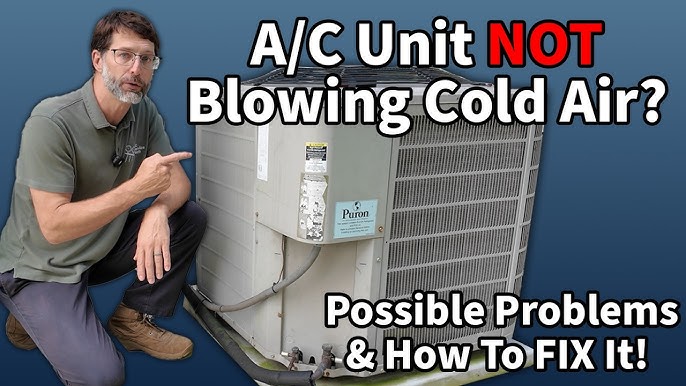
Is your air conditioner running but not cooling your room like it used to? You’re not alone, and it can be really frustrating when you expect relief from the heat but only get warm air.
Understanding why your air conditioner isn’t cooling properly can save you time, money, and discomfort. You’ll discover the most common reasons behind this problem and simple steps you can take to fix it. Keep reading to get your cool back and enjoy a comfortable home again.
Credit: fischerheating.com
Common Cooling Issues
When your air conditioner is not cooling well, several problems could be the cause. Knowing these common issues helps you find solutions faster.
Below are typical reasons why your AC might fail to cool your home properly.
Dirty Air Filters
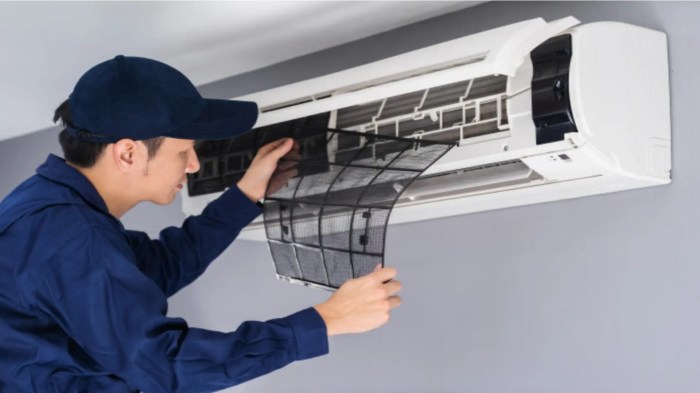
Air filters trap dust and dirt but get clogged over time. A dirty filter blocks airflow and lowers cooling efficiency. Replace or clean filters regularly to keep air flowing well.
Thermostat Problems
If the thermostat is not working right, it may not signal the AC to cool properly. Check that the thermostat is set to “cool” and the temperature is lower than room temperature. Sometimes, batteries need replacing.
Refrigerant Leaks
Refrigerant cools the air inside your home. Leaks cause low refrigerant levels and poor cooling. Signs of a leak include ice on coils and hissing sounds. A technician must find and fix leaks and refill refrigerant.
Blocked Condenser Unit
The condenser unit outside can get blocked by leaves, dirt, or debris. This blocks heat release and reduces cooling. Clean around the unit and keep it clear of plants or objects.
- Turn off power before cleaning.
- Remove leaves, grass, and dirt.
- Keep at least two feet of clearance around the unit.
- Check the unit after storms or heavy wind.
Frozen Evaporator Coils
Evaporator coils can freeze due to poor airflow or low refrigerant. Ice blocks cooling and airflow. Turn off the AC and let the ice melt. Check filters and refrigerant levels before using again.
| Cause | Effect | Solution |
| Dirty Air Filters | Restricted airflow | Clean or replace filters |
| Thermostat Issues | Wrong temperature settings | Adjust or replace batteries |
| Refrigerant Leaks | Low cooling power | Repair leaks and refill refrigerant |
| Blocked Condenser | Poor heat release | Clean area around unit |
| Frozen Coils | Ice buildup stops cooling | Defrost and check airflow |

Credit: www.youtube.com
Signs Of Malfunction
Your air conditioner may not cool properly if it shows signs of malfunction. Spotting these signs early can help you fix the problem faster.
Check for unusual behavior like warm air, strange sounds, or frequent cycling. These clues show something is wrong.
Warm Air Blowing
If your AC blows warm air instead of cold, it may have a refrigerant leak or a dirty filter. Both issues reduce cooling power.
Warm air means the system cannot remove heat from your home. This usually needs professional repair.
Unusual Noises
Strange noises like banging, rattling, or squealing show parts may be loose or broken. These sounds are not normal.
Ignoring these noises can cause more damage and expensive repairs later.
Frequent Cycling
Your AC turns on and off too often if it has frequent cycling. This wastes energy and wears out the unit faster.
Frequent cycling can happen due to a dirty filter, thermostat issues, or wrong unit size.
- Check and clean the air filter regularly
- Ensure the thermostat is working correctly
- Confirm the AC size fits your room
High Energy Bills
A sudden rise in energy bills can mean your AC is not working efficiently. It may run longer to cool your home.
Problems like dirty coils or low refrigerant cause the system to use more electricity than usual.
Basic Troubleshooting Steps
When your air conditioner is not cooling, it can be frustrating. Many problems can be fixed with simple checks.
Try these basic steps before calling a professional. They can help you find the issue fast.
Check And Replace Filters
Dirty filters block airflow and reduce cooling. Check the filter every month during summer.
If the filter looks clogged or dirty, replace it with a new one. Clean filters help your AC work better.
Reset The Thermostat
Your thermostat may have a glitch or wrong setting. Resetting it can solve this problem.
Turn off the thermostat, wait a few minutes, then turn it back on. Set the temperature lower than room temperature.
Inspect Outdoor Unit
The outdoor unit can get dirty or blocked. Check for visible dirt or damage on the unit.
Make sure the fan is running and nothing is stopping it. A non-working fan reduces cooling power.
Clear Debris Around Unit
Leaves, grass, and dirt can cover the outdoor unit. This stops air from flowing freely.
- Remove leaves and branches near the unit
- Clear grass clippings and dirt around the base
- Keep at least two feet of space around the unit
When To Call A Professional
Air conditioners sometimes stop cooling properly. You may try simple fixes first. But some problems need expert help.
Knowing when to call a professional can save time and prevent damage. Here are key signs to watch for.
Handling Refrigerant Issues
Refrigerant leaks reduce cooling power. Only licensed technicians can safely handle refrigerants. Do not try to fix leaks yourself. Professionals will locate the leak, repair it, and refill the refrigerant to correct levels.
Electrical Component Failures
Electrical parts like capacitors, fuses, or wiring may fail. These issues can cause the AC to stop working or cool poorly. A professional will test each part and replace faulty ones safely. Attempting electrical repairs without training is risky.
Compressor Problems
The compressor is the heart of your AC system. If it fails, the unit will not cool. Compressor repairs or replacements require special tools and skills. You should call a professional if you hear strange noises or the AC stops blowing cold air.
- Unusual noises from the compressor
- AC shuts off unexpectedly
- Warm air instead of cool
- Frequent cycling on and off
Advanced Diagnostic Needs
| Symptom | Possible Cause | Professional Action |
|---|---|---|
| AC not cooling after filter change | Sensor or control board issue | Perform system diagnostics and repair |
| Unit freezes up often | Airflow or refrigerant problems | Check airflow, refrigerant levels, and system pressure |
| High electricity bills | Inefficient compressor or motor | Test electrical components and recommend upgrades |
Preventive Maintenance Tips
Keeping your air conditioner in good shape helps it cool better. Regular care stops small problems from growing.
Follow these tips to keep your AC running efficiently and avoid cooling issues.
Regular Filter Replacement
Dirty filters block airflow and reduce cooling power. Change filters every 1 to 3 months.
Clean filters help your AC work better and save energy.
- Check the filter monthly
- Replace if it looks dirty or clogged
- Use the filter type recommended by the manufacturer
Annual Professional Inspection
A trained technician can find hidden problems early. Schedule a check-up once a year.
The expert will clean parts, check refrigerant levels, and test system performance.
- Inspect electrical connections
- Check for leaks and damage
- Clean coils and drains
Keeping Unit Clean
Dirt and debris around your AC block airflow and heat exchange. Keep the unit clean outside and inside.
Clear leaves, grass, and dust near the outdoor unit. Clean indoor vents and coils carefully.
- Turn off power before cleaning
- Use a soft brush or cloth for coils
- Remove obstructions near the outdoor unit
Optimizing Thermostat Settings
Set your thermostat to a comfortable but efficient temperature. Avoid very low settings.
Use programmable thermostats to adjust cooling when you are away or asleep.
- Keep temperature around 75°F (24°C)
- Raise temperature when no one is home
- Use fan mode to circulate air without cooling
Credit: airconditioner.jatimnetwork.com
Frequently Asked Questions
Why Is My Air Conditioner Blowing Warm Air?
Warm air often means low refrigerant or a dirty filter. Check the filter and clean or replace it. Low refrigerant requires a professional to recharge the system for proper cooling.
How Often Should I Clean My Ac Filter?
Clean the AC filter every 1 to 3 months. A clean filter improves airflow and cooling efficiency. Neglecting it can cause the AC to blow warm air or freeze up.
Can A Dirty Condenser Cause Ac Not To Cool?
Yes, a dirty condenser blocks heat release, reducing cooling. Regularly clean the condenser coils to maintain airflow and efficiency. This helps your AC cool your home effectively.
Why Is My Air Conditioner Freezing Up?
Freezing occurs from low refrigerant, poor airflow, or dirty filters. Turn off the AC to let it thaw. Check filters and call a technician if freezing continues.
Conclusion
A cooling air conditioner means comfort in hot weather. Check filters, thermostat, and power first. Dirty filters block airflow and reduce cooling. A wrong thermostat setting stops cold air from coming. Power problems can cause your unit to fail. Regular maintenance keeps your AC running well.
Small fixes often solve common cooling problems. Call a professional if issues persist or seem complex. Stay cool by acting early on AC troubles. Don’t wait until heat becomes unbearable. Simple steps bring your air conditioner back to life.