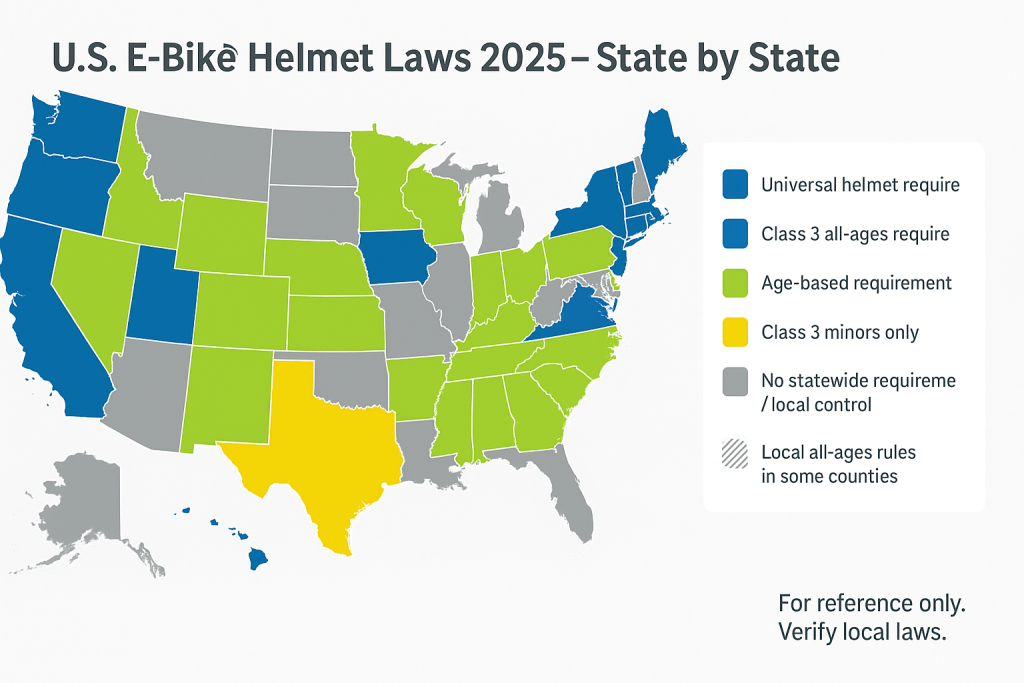
Have you ever wondered if wearing a bike helmet is actually required by law? You might think it’s just a good idea or a personal choice, but the rules around bike helmets can be surprising.
Knowing whether you must wear one can protect you from fines and, more importantly, keep you safe. This article will clear up the confusion and help you understand exactly when and where wearing a helmet is not just smart—but the law.
Keep reading to find out what you need to know before your next ride.

Credit: www.bojatlaw.com
Helmet Laws By Region
Wearing a bike helmet can save lives and reduce injuries. Laws about helmets differ around the world. Some places require helmets for all riders. Others have rules only for children or no rules at all.
Knowing the helmet laws in your area helps you stay safe and follow the rules. This guide explains helmet laws by region.
North America
In North America, helmet laws vary by country and state. The United States and Canada have different rules. Most places require helmets for children under a certain age. Some states demand helmets for all cyclists.
- United States: Helmet laws vary by state; many require helmets for riders under 18.
- Canada: Helmet laws exist in most provinces for children and teens.
- Mexico: Helmet laws are not consistent and may vary by city.
Europe
European countries have different rules about helmets. Some require helmets only for children. Others have no national laws but local rules.
| Country | Helmet Law |
| United Kingdom | No legal requirement for adults or children. |
| France | Helmets mandatory for children under 12. |
| Germany | No helmet law for cyclists. |
| Spain | Helmets required outside cities for all ages. |
Asia And Australia
Helmet laws in Asia and Australia also differ. Australia has strict laws. Many Asian countries have partial or no helmet laws.
- Australia: Helmets are compulsory nationwide for all riders.
- Japan: Helmets not required by law but recommended.
- India: Helmet laws apply mainly to motorcyclists, not bicyclists.
- China: Helmet laws vary by city; many places have no rules.
Other Regions
In other parts of the world, helmet laws vary widely. Some countries have strict laws, while others have none.
| Region | Helmet Law |
|---|---|
| South America | Mostly no helmet laws for cyclists; some cities require helmets. |
| Africa | Few helmet laws; mostly no enforcement. |
| Middle East | Limited helmet laws; varies by country. |
Age And Helmet Requirements
Wearing a bike helmet is often required by law. The rules depend on your age. Different places have different helmet laws.
This guide explains who must wear helmets and when you might not have to.
Children And Teens
Many areas require children and teens to wear helmets while riding bikes. The age limit usually covers young riders up to their mid-teens.
- Children under 12 often must wear helmets by law.
- Some places require helmets for riders up to 16 years old.
- Parents are usually responsible for making sure kids wear helmets.
Adult Regulations
Helmet laws for adults vary widely. Some places require helmets for all ages. Others do not have any rules for adults.
| Age Group | Helmet Required | Notes |
| Under 12 | Yes | Almost always mandatory |
| 13 to 17 | Often | Depends on local laws |
| 18 and older | Sometimes | Varies by state or country |
Exceptions And Exemptions
Some laws allow exceptions to helmet rules. These can include religious or medical reasons.
Common exceptions include:
- Members of certain religious groups
- People with medical conditions preventing helmet use
- Riders in organized parades or events with special permits
Safety Benefits Of Helmets
Bicycle helmets protect your head during accidents. Wearing one lowers the chance of serious injury.
Many studies show helmets save lives and reduce brain damage. They are important for all riders.
Reducing Head Injuries
Helmets absorb impact and protect the skull. This lowers cuts, bruises, and fractures on the head.
- Reduce risk of skull fractures
- Prevent cuts and scrapes to the scalp
- Lower chances of brain injuries
- Protect face and jaw in some helmet designs
Impact On Accident Survival Rates
Helmets increase the chance of surviving crashes. They lower the force on the brain and reduce severe trauma.
| Helmet Use | Survival Rate |
| With Helmet | 90% |
| Without Helmet | 70% |
Long-term Health Effects
Wearing helmets lowers the risk of lasting brain damage. This helps keep memory and thinking skills strong.
Benefits of helmet use over time include:
- Reduced risk of chronic headaches
- Lower chances of long-term disability
- Better quality of life after accidents

Credit: www.bicycling.com
Enforcement And Penalties
Many places have laws that require wearing bike helmets. These laws help protect riders from head injuries. Police and local authorities enforce these rules to keep everyone safe.
If you do not wear a helmet where required, you can face penalties. These punishments encourage riders to follow the law and stay protected.
Fines And Legal Consequences
Riders who break helmet laws often get fined. The amount varies by location and the rider’s age. Fines can range from small fees to larger penalties for repeat offenses.
In some areas, not wearing a helmet can affect legal cases after accidents. It may reduce compensation or increase liability for injuries.
- First offense fines usually start around $25 to $100
- Repeat offenses can bring higher fines or court appearances
- Some places add points to your driving record
- Insurance claims may be denied without helmet use
Police Enforcement Practices
Police officers watch for riders without helmets, especially in high-risk areas. They may stop riders to check helmet use and issue citations when needed.
Some officers focus on educating riders during stops. They explain the importance of helmets and offer safety tips. Enforcement balances strictness with community safety.
- Helmet checks during traffic stops or patrols
- Targeted enforcement near schools and parks
- Warnings given before fines in some cases
- Collaboration with local safety programs
Public Awareness Campaigns
Public campaigns inform people about helmet laws and safety. They use ads, posters, and events to reach riders of all ages.
These campaigns help reduce helmet law violations. They show how helmets prevent injuries and save lives. Awareness makes riders more likely to follow the rules.
- School programs teaching helmet safety
- Community events with helmet giveaways
- Media ads on TV, radio, and social media
- Partnerships with bike shops and clubs
Helmet Standards And Quality
Wearing a bike helmet is important for safety. Laws about helmets vary by place. Quality and standards keep helmets effective.
Understanding helmet standards helps you choose the right protection. Not all helmets meet safety rules.
Certification Marks
Certification marks show a helmet passed safety tests. These marks prove the helmet meets rules.
Look for marks from trusted organizations. They test helmets for impact and durability.
- DOT (Department of Transportation) – USA standard
- ECE (Economic Commission for Europe) – Europe standard
- Snell – High safety standards
- AS/NZS – Australian and New Zealand standard
Choosing The Right Helmet
Pick a helmet that fits well and feels comfortable. A good fit keeps the helmet in place during a fall.
Consider the helmet’s size, shape, and ventilation. Choose a helmet that matches your riding style.
- Measure your head size before buying
- Try helmets on to check comfort
- Choose lightweight helmets for long rides
- Look for good ventilation to stay cool
Maintenance And Replacement
Keep your helmet clean and store it in a safe place. Dirt and damage reduce helmet safety.
Replace helmets after a crash or every few years. Old helmets lose their ability to protect.
- Clean with mild soap and water
- Do not use strong chemicals
- Check for cracks or dents regularly
- Replace helmet every 3 to 5 years
- Replace after any strong impact
Controversies And Debates
Wearing bike helmets is a topic that sparks many arguments. People have strong opinions about whether helmets should be required by law.
These debates involve safety, personal rights, and how laws affect cycling habits. Let’s explore the main points.
Personal Freedom Vs Safety
Some people believe wearing a helmet should be a personal choice. They think laws forcing helmets limit freedom. Others say safety is more important than choice.
Helmet laws aim to reduce head injuries and save lives. Supporters feel these laws protect everyone, especially children.
- Freedom means deciding what to wear
- Safety laws protect against serious injuries
- Parents often support helmet rules for kids
- Opponents say laws can be too strict
Effectiveness Of Helmet Laws
Research shows helmets reduce the risk of head injuries in crashes. Helmet laws increase helmet use in many places. The impact on injury rates is mixed in studies.
Some studies find fewer head injuries after helmet laws start. Others show little change. Factors like road safety and cycling skills also matter.
- Helmets lower risk of head injuries
- Laws increase helmet wearing rates
- Injury data varies by location
- Other safety measures also help
Impact On Cycling Rates
Some worry helmet laws make people cycle less. They say helmets feel uncomfortable or make riding less fun. Lower cycling rates can affect health and environment.
Other studies show helmet laws do not reduce cycling much. Some areas with helmet laws have more bike riders. Education and bike paths influence cycling too.
- Helmet laws may discourage some riders
- Comfort and style affect helmet use
- Good cycling routes encourage riding
- Health benefits come from more cycling
Additional Bike Safety Rules
Wearing a bike helmet is important, but there are other safety rules to follow. These rules help protect you on the road and keep you visible to others.
Understanding bike safety beyond helmets makes cycling safer for everyone. Let’s explore lighting, traffic rules, and extra protective gear.
Lighting And Visibility
Good lighting helps drivers and pedestrians see you. Use lights and reflective gear to stay safe, especially at night or in poor weather.
- Use a white front light and a red rear light after dark
- Wear bright or reflective clothing
- Attach reflectors to pedals and wheels
- Keep your lights charged and clean
Traffic Rules For Cyclists
Cyclists must obey the same traffic signs and signals as drivers. Follow these rules to avoid accidents and fines.
| Rule | Description |
| Ride on the right | Stay in the bike lane or as close to the right side as possible |
| Use hand signals | Signal before turning or stopping to alert others |
| Stop at red lights | Always stop at traffic lights and stop signs |
| Yield to pedestrians | Give way to people walking at crosswalks |
Protective Gear Beyond Helmets
Helmets protect your head, but other gear protects other parts of your body. Use these items to reduce injuries.
- Gloves to protect your hands and improve grip
- Knee and elbow pads to prevent scrapes and bruises
- Bright clothing for better visibility
- Sturdy shoes with good grip on pedals
Credit: bicycleaccidentlawyers.com
Frequently Asked Questions
Is Wearing A Bike Helmet Legally Required?
Wearing a bike helmet is legally required in many places, but not everywhere. Laws vary by region and age group. Always check local regulations to ensure compliance. Wearing a helmet is a smart safety choice, even if it’s not legally required.
Helmets can prevent serious head injuries in accidents.
What Are The Benefits Of Wearing A Bike Helmet?
Wearing a bike helmet significantly reduces the risk of head injuries. It provides essential protection during accidents. Helmets enhance visibility to other road users. They can also improve rider confidence, encouraging safer cycling practices. Overall, helmets are a crucial safety measure for all cyclists.
Do All Countries Have Bike Helmet Laws?
Not all countries have bike helmet laws. Some countries mandate helmet use for all cyclists, while others do not. Laws can also differ based on age or cycling location. It’s important to research and understand the specific regulations in the country where you’re cycling.
Are There Age Restrictions For Bike Helmet Use?
Yes, many regions impose age restrictions for mandatory helmet use. Typically, children and young adults are required to wear helmets. Adult cyclists may have more relaxed regulations. Always verify local laws to ensure compliance with any age-specific helmet requirements that may apply.
Conclusion
Wearing a bike helmet helps protect your head from injury. Many places have laws that require helmets for safety. Even where no law exists, wearing one is smart. It keeps you safer on busy roads and trails. Choosing to wear a helmet shows care for yourself.
Stay safe and enjoy your ride with a helmet on. Safety matters more than style or comfort. Remember, a helmet can save your life.