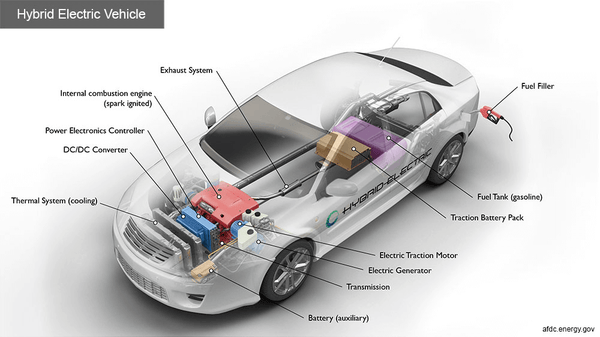
Have you ever wondered if electric cars have exhaust systems like traditional vehicles? It’s a question that might seem simple, but the answer can change how you think about driving and car maintenance.
If you’re curious about what makes electric cars different under the hood, you’re in the right place. Keep reading, and you’ll discover surprising facts that could reshape your understanding of modern cars and why electric vehicles might be the future of clean driving.
Credit: www.cardekho.com
Electric Cars And Exhaust Systems
Electric cars run on electricity instead of gasoline or diesel. They use electric motors to move the car.
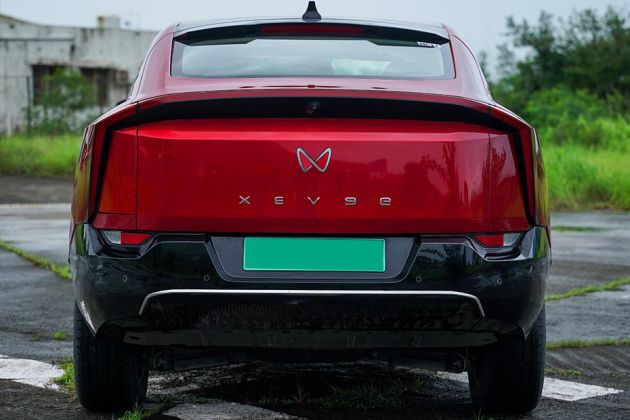
Because they do not burn fuel, electric cars do not need exhaust systems like traditional cars.
How Traditional Exhaust Systems Work
Traditional cars burn fuel in the engine. This creates gases that are harmful and hot.
The exhaust system moves these gases away from the engine and the car. It also helps reduce noise.
Components Of A Conventional Exhaust System
A conventional exhaust system has many parts. Each part has a specific job to clean and release gases.
- Exhaust manifold:Collects gases from the engine cylinders.
- Catalytic converter:Changes harmful gases into less harmful gases.
- Muffler:Reduces the noise from the exhaust gases.
- Tailpipe:Releases the cleaned gases into the air.

Credit: car-supplier.en.made-in-china.com
Why Electric Cars Don’t Need Exhausts
Electric cars work differently from traditional cars. They do not use gasoline or diesel engines. This key difference explains why electric cars do not have exhaust systems.
Understanding the reasons behind this can help you see how electric cars contribute to cleaner air and less pollution.
Absence Of Internal Combustion Engines
Electric cars use electric motors powered by batteries. They do not burn fuel like gas or diesel engines. This means they do not produce exhaust gases that need to be expelled.
- Internal combustion engines burn fuel to create power.
- This burning process creates exhaust gases like carbon monoxide.
- Exhaust systems are needed to safely remove these gases.
- Electric motors do not burn fuel, so no exhaust gases are made.
- Therefore, electric cars do not require exhaust pipes or mufflers.
Zero Tailpipe Emissions
Electric cars do not release harmful gases from a tailpipe. This leads to cleaner air around us.
| Emission Type | Gasoline Cars | Electric Cars |
|---|---|---|
| Carbon Dioxide (CO2) | Produced from fuel burning | None at tailpipe |
| Nitrogen Oxides (NOx) | Produced from engine combustion | None at tailpipe |
| Particulate Matter | Produced from exhaust fumes | None at tailpipe |
Common Myths About Electric Car Exhausts
Many people wonder if electric cars have exhaust systems like regular cars. There are some common myths about this topic. Understanding the facts helps clear confusion.
This article explains two popular myths about electric car exhausts. It covers noise and harmful gases.
Electric Cars Produce Exhaust Noise
Some think electric cars make loud exhaust noises. This is not true. Electric cars do not have traditional engines or exhaust pipes.
Electric cars use electric motors that are much quieter. They produce very little noise compared to gasoline cars.
They Emit Harmful Gases
Another myth is that electric cars emit harmful gases. Electric cars run on batteries and do not burn fuel. They have no tailpipe emissions.
Electric cars help reduce air pollution. They do not produce carbon monoxide, nitrogen oxides, or other harmful gases.
Sound Emission In Electric Vehicles
Electric cars do not have traditional exhaust systems. They run quietly because they use electric motors. This makes them much quieter than gasoline cars.
Because of their quietness, special sounds are needed to alert pedestrians and other road users. This is important for safety and awareness.
Artificial Sound Generators
Electric vehicles use artificial sound generators to create noise. These sounds help people hear the car coming, especially at low speeds. The sounds can mimic engine noise or produce futuristic tones.
- Alert pedestrians and cyclists
- Improve safety in busy areas
- Activate mainly at low speeds
- Turn off at higher speeds when tire noise is louder
Safety Regulations And Noise Levels
Governments have set rules for electric car sounds. These rules ensure vehicles are loud enough to be heard but not too noisy. The sound must be safe for people and animals.
| Regulation | Sound Requirement | Speed Range |
| US National Highway Traffic Safety Administration (NHTSA) | Minimum sound level at 20 mph | 0-30 mph |
| European Union | Continuous sound emission below 20 km/h | 0-20 km/h |
| Japan Ministry of Land, Infrastructure | Artificial sound at speeds below 20 km/h | 0-20 km/h |
Environmental Impact Comparison
Electric cars do not have exhaust systems like gasoline cars. This changes how they affect the environment. We will compare their emissions and other impacts.
Understanding these differences helps us see how each car type affects air quality and climate change.
Emissions From Gasoline Vs Electric Cars
Gasoline cars release carbon dioxide and other gases from their exhaust. These gases pollute the air and cause climate change.
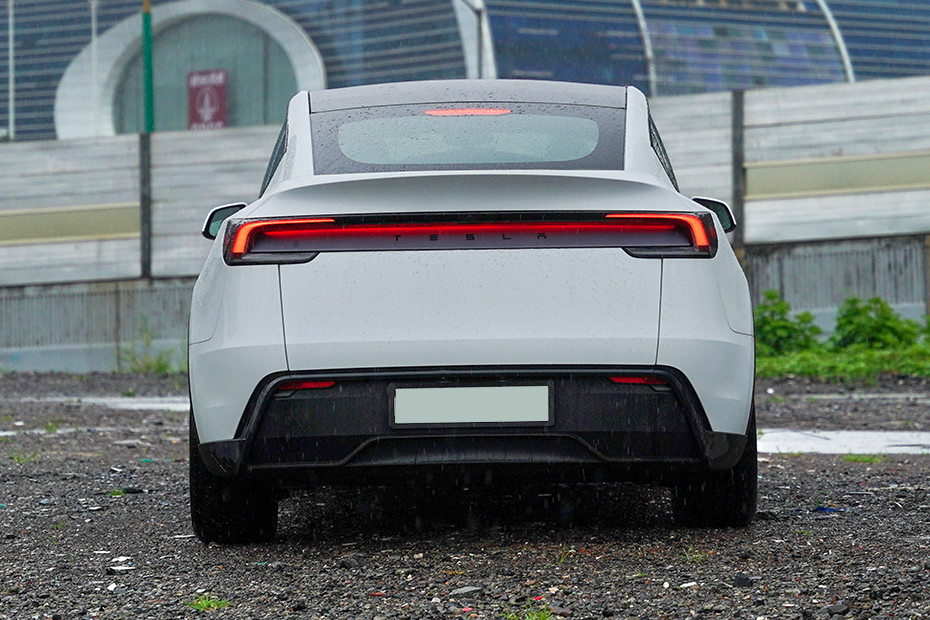
Electric cars do not have exhaust pipes and make no direct emissions while driving. This helps reduce air pollution in cities.
- Gasoline cars emit CO2, nitrogen oxides, and smog-forming gases
- Electric cars produce zero tailpipe emissions
- Electric cars improve air quality especially in busy areas
Lifecycle Emissions And Battery Production
Electric cars need batteries that require mining and energy to make. This causes emissions before the car is used.
Gasoline cars also cause emissions during fuel extraction and car production. Overall, electric cars often have lower total emissions.
| Type | Production Emissions | Use Emissions | Total Emissions |
|---|---|---|---|
| Gasoline Car | Moderate | High | High |
| Electric Car | High (battery) | Low (electricity) | Moderate to Low |
Credit: www.cardekho.com
Future Of Vehicle Emissions
Electric cars do not have traditional exhaust systems. They run on batteries, so they do not produce tailpipe emissions. This change helps reduce air pollution and greenhouse gases.
The future of vehicle emissions will focus more on electric vehicles and cleaner energy sources. This shift will change how cars impact the environment.
Advances In Electric Vehicle Technology
Electric vehicle technology improves every year. Batteries last longer and charge faster now. This makes electric cars more practical for daily use.
New materials and designs help electric cars use energy better. This reduces the total emissions from manufacturing and driving electric vehicles.
Potential Changes In Exhaust System Needs
Electric cars do not need exhaust systems like gas cars. Without engines that burn fuel, there is no exhaust to manage.
Future vehicles may have smaller exhaust parts or none at all. This can lower costs and reduce vehicle weight, improving efficiency.
Frequently Asked Questions
Do Electric Cars Need Exhaust Systems?
No, electric cars do not need exhaust systems. They are powered by electric motors, not combustion engines. This means they produce no tailpipe emissions. Consequently, there’s no need for an exhaust system to manage harmful gases. This feature contributes to the environmental benefits of electric vehicles.
Why Don’t Electric Vehicles Have Mufflers?
Electric vehicles don’t have mufflers because they don’t use combustion engines. Mufflers are used to reduce noise from exhaust gases. Since electric cars operate silently and have no exhaust, there’s no need for a muffler. This helps in making electric vehicles quieter than traditional cars.
Are Electric Cars Emission-free?
Electric cars are considered emission-free at the tailpipe. They don’t produce harmful gases like conventional vehicles. However, emissions can occur during electricity production. The overall environmental impact depends on how the electricity is generated, whether from renewable sources or fossil fuels.
How Do Electric Vehicles Impact Air Quality?
Electric vehicles positively impact air quality by reducing pollutants. They emit no tailpipe emissions, lowering harmful gases like CO2. This helps reduce air pollution, especially in urban areas. The overall air quality improvement depends on the energy source used for electricity generation.
Conclusion
Electric cars do not have exhaust systems because they do not burn fuel. They run on electricity stored in batteries. This means no harmful gases come out of them. Without exhaust systems, electric cars help reduce air pollution. They also need less maintenance than traditional cars.
As electric cars become more common, cleaner air is possible. Understanding this difference helps you see how electric cars work. They offer a quiet, smooth ride without emissions. Choosing electric supports a healthier environment for everyone.