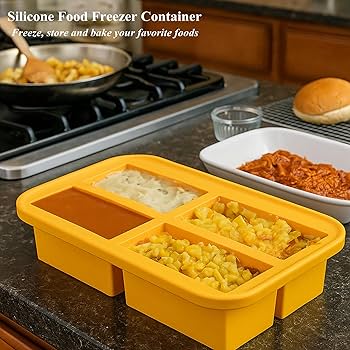
Have you ever wondered what happens to silicone when temperatures drop? If you use silicone products or work with silicone materials, you might be curious whether silicone can freeze like water does.
Understanding this can help you protect your tools, keep your projects safe, and avoid unexpected problems. You’ll discover the surprising truth about silicone and freezing. By the end, you’ll know exactly how silicone reacts to cold and what that means for you.
Keep reading to get the clear answers you need.
Credit: www.walmart.com
Silicone Basics
Understanding the basics of silicone helps you grasp why it behaves the way it does in different conditions, like freezing temperatures. Silicone is a unique material with properties that set it apart from plastics or rubber. Knowing what it’s made of and where it’s used can clarify why it rarely freezes or becomes brittle in cold weather.
What Is Silicone Made Of
Silicone is a synthetic material made from silicon, oxygen, carbon, and hydrogen. The silicon and oxygen form a flexible backbone called a siloxane chain. This structure gives silicone its flexibility and resistance to extreme temperatures.
The chemical bonds in silicone are strong but flexible, allowing it to stay soft even when cold. This is why silicone often feels rubbery rather than hard or brittle. Have you noticed how your silicone kitchen spatula stays flexible after being in the freezer?
Common Uses Of Silicone
Silicone shows up in many everyday items because of its durability and temperature resistance. You’ll find it in kitchen utensils, baby bottle nipples, and even medical implants. Its ability to withstand heat and cold makes it ideal for these uses.
Outdoor gear like watch straps and waterproof seals also rely on silicone. These items need to stay flexible and reliable regardless of weather. When you’re choosing materials for something exposed to cold, silicone is often the go-to choice.
Credit: consumersiliconeproducts.com
Freezing Point Of Silicone
Silicone is a unique material widely used in many products. Understanding its freezing point helps in many applications. It behaves differently from water and metals at low temperatures. This section explores what affects silicone’s freezing point and the exact temperature ranges involved.
Chemical Properties Affecting Freezing
Silicone is made of long chains of silicon and oxygen atoms. These chains give silicone flexibility and heat resistance. Unlike water, silicone does not form crystals easily. Its molecules stay flexible even at very low temperatures. This flexibility stops silicone from freezing like water does. The chemical bonds and structure prevent solidification in usual conditions. Different types of silicone may behave differently due to slight chemical changes.
Temperature Thresholds
Silicone can remain soft and rubbery down to about -100°C (-148°F). Below this, it starts to become hard and brittle. This change is not the same as freezing but more like stiffening. The exact temperature varies with the silicone type and additives used. Most common silicone products will not freeze in everyday cold weather. Only in extreme cold, silicone loses its elasticity and becomes rigid.
Silicone Vs. Water In Cold Conditions
Silicone stays flexible and does not freeze in cold conditions. Water, on the other hand, turns solid and expands when frozen. This difference makes silicone a better choice for extreme cold environments.
In the battle between silicone and water in cold conditions, understanding their contrasting behaviors can be crucial for making informed choices. While water is a familiar substance in our daily lives, silicone offers unique properties that set it apart, especially in freezing temperatures. This section delves into these differences and explores how they impact silicone products you might use every day.Differences In Freezing Behavior
Water freezes at 32°F (0°C), a fact most of us learn early on. This can lead to burst pipes, cracked containers, and other inconveniences in cold weather. Silicone, however, behaves differently; it doesn’t freeze like water. Instead of turning solid, it remains flexible even at temperatures far below freezing. This makes silicone ideal for products exposed to cold conditions, offering a resilience that water can’t match.Impact On Silicone Products
Consider silicone bakeware or smartphone cases. Unlike materials that become brittle in the cold, silicone retains its flexibility and durability. This can be a game-changer for items that need to endure harsh winter conditions. Imagine reaching for a silicone spatula on a freezing morning—it’s as pliable as ever, ready for use. Could your choice of materials be affecting your daily life without you realizing it? Reflect on the items you rely on and consider whether silicone might offer a more reliable alternative in the chill of winter.Effects Of Freezing On Silicone
Freezing silicone might seem harmless since silicone is known for its resilience. But have you ever wondered what actually happens to silicone when exposed to freezing temperatures? Understanding these effects can help you decide how to use silicone products safely in cold environments.
Physical Changes
Silicone remains mostly stable in the cold, but it can become slightly harder or stiffer. This change is usually temporary and reverses once the silicone warms up again.
You might notice your silicone kitchen tools feeling less flexible after a night in the freezer. However, they rarely crack or break unless exposed to extreme cold for a very long time.
Durability And Flexibility
Silicone maintains much of its durability even after freezing. It doesn’t become brittle like some plastics, which means it can still handle bending and stretching.
That said, repeated freezing and thawing cycles might cause minor wear over time. If you rely on silicone seals or gaskets, check them regularly to ensure they still fit tightly and haven’t lost their stretch.
How To Protect Silicone In Cold Weather
Silicone is durable but cold weather can affect its flexibility and performance. Protecting silicone in freezing temperatures helps keep it in good shape. Follow simple care tips to avoid damage from the cold.
Storage Tips
- Store silicone products in a cool, dry place away from direct sunlight.
- Avoid leaving silicone outdoors during freezing weather.
- Keep silicone items in airtight containers to prevent moisture buildup.
- Use soft cloth bags or boxes to avoid scratches or deformation.
- Do not stack heavy objects on silicone to maintain its shape.
Handling Frozen Silicone
Frozen silicone can become stiff and brittle. Handle it gently to prevent cracks or tears.
- Do not bend frozen silicone sharply; wait for it to warm up.
- Allow frozen silicone to return to room temperature slowly.
- Avoid using heat sources like hairdryers directly on silicone.
- Check silicone for any damage after it thaws before reuse.
- Use mild soap and warm water to clean once it is thawed.
Myths About Silicone Freezing
Silicone is a material surrounded by many beliefs, especially about how it reacts to cold temperatures. Some say silicone freezes like water and becomes brittle, while others claim it remains flexible no matter how cold it gets. Let’s clear up these myths and understand what really happens when silicone faces freezing conditions.
Common Misconceptions
One popular myth is that silicone behaves like water and freezes solid at low temperatures. This idea often leads people to worry that silicone kitchen utensils or seals will crack or break in the freezer. Another misconception is that silicone loses all its flexibility when chilled, making it unusable in cold environments.
Many assume that silicone products cannot be used outdoors in winter or stored in freezers without damage. Some even believe that frozen silicone becomes dangerous to handle, posing a risk of injury. Have you ever hesitated to put silicone bakeware in your freezer because of these fears?
Scientific Facts
Silicone is a polymer, not a liquid like water, so it does not freeze in the traditional sense. Instead, silicone remains flexible even at temperatures well below freezing. Its unique chemical structure allows it to stay soft and elastic, which is why silicone products are often used in extreme weather conditions.
Research shows that silicone can endure temperatures as low as -100°C (-148°F) without losing its properties. This is why silicone seals in refrigerators and freezers continue to work effectively without cracking. When silicone feels hard in the cold, it’s usually just the surface cooling down slightly, but it quickly regains its softness once warmed.
Understanding these facts can change how you use silicone in your daily life. Would you be more confident using silicone molds or kitchen tools in your freezer now?

Credit: www.amazon.com
Frequently Asked Questions
Does Silicone Freeze In Cold Temperatures?
Silicone has a very low freezing point and remains flexible in cold conditions. It does not freeze like water, making it ideal for extreme environments.
What Happens To Silicone When Exposed To Freezing?
Silicone retains its elasticity and does not become brittle or crack when exposed to freezing temperatures. It maintains performance even in subzero weather.
Can Frozen Silicone Be Damaged Or Ruined?
Frozen silicone is generally safe and not damaged by cold. It can withstand freezing without losing its properties or structural integrity.
How Low Can Silicone Temperatures Go Before It Freezes?
Silicone freezes at temperatures much lower than typical environmental conditions, often below -60°C (-76°F), making freezing very unlikely in normal use.
Conclusion
Silicone stays flexible even in very cold weather. It does not freeze like water or other liquids. This makes silicone useful for many outdoor and cold climate uses. You can trust silicone to keep working without cracking or breaking. Knowing this helps you choose the right materials for cold conditions.
Silicone’s unique properties make it reliable and durable. It handles frost without losing its shape or strength. This simple fact can save you time and money. Silicone is a smart choice when dealing with freezing temperatures.