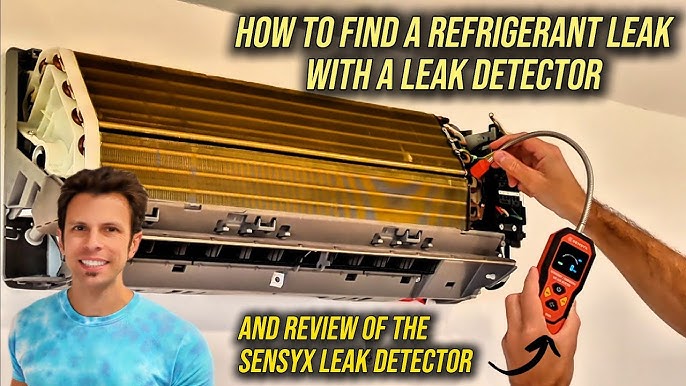
Is your air conditioner not cooling like it used to? You might have a leak that’s causing trouble.
Checking for leaks in your air conditioner is easier than you think, and catching them early can save you money and headaches. In this guide, you’ll learn simple steps to spot leaks before they turn into big problems. Keep reading to protect your comfort and your wallet.
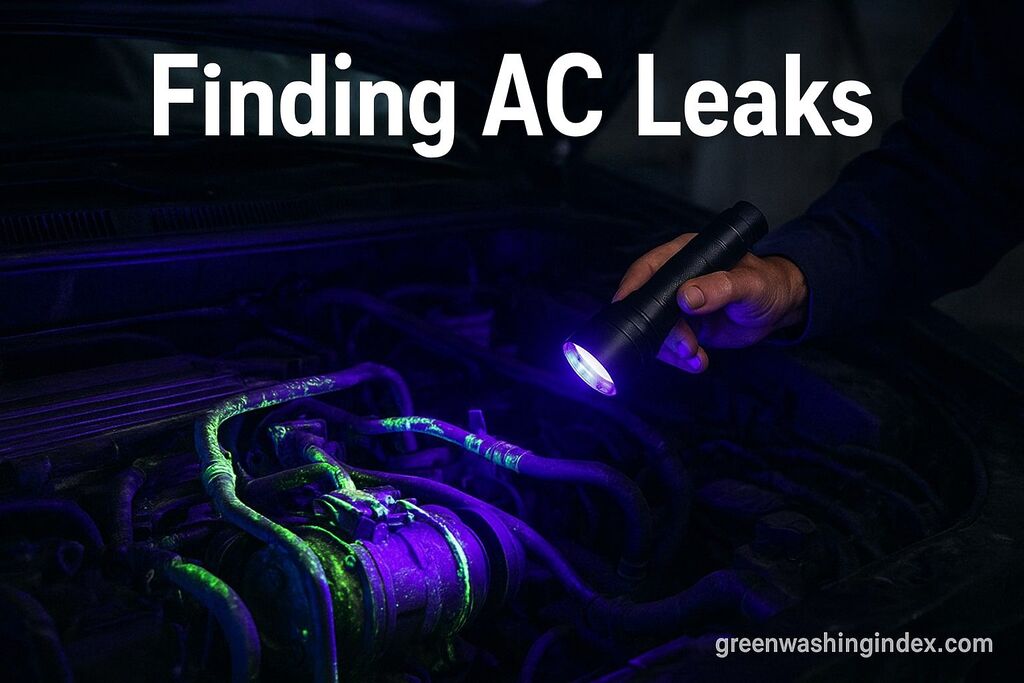
Credit: www.greenwashingindex.com
Signs Of Ac Leaks
Air conditioner leaks can cause many problems. It is important to find leaks early to avoid damage.
Knowing the signs of AC leaks helps you spot issues fast. This guide explains common signs to watch for.
Unusual Noises
Strange sounds from your AC may mean there is a leak. Hissing or bubbling noises are common signs.
Leaks cause the refrigerant to escape. This can create noises as the gas moves through the system.
- Hissing sounds near the indoor or outdoor unit
- Bubbling noises from the refrigerant lines
- Clicking or rattling from low refrigerant pressure
Reduced Cooling Efficiency
Your AC may cool less if it has a leak. The refrigerant loss stops the system from working well.
Rooms might stay warmer even when the AC runs a long time. This means your AC is losing its power.
- Longer run times but less cool air
- Hot spots in rooms that used to be cool
- AC struggles to reach the temperature setting
Increased Energy Bills
Leaks make your AC work harder to cool your home. This uses more electricity and raises bills.
If your energy bill rises without using more AC, a leak might be the cause. The system wastes energy.
- Higher monthly energy costs
- AC runs longer but cools less
- More frequent repairs or maintenance needed
Visible Moisture Or Ice
Leaks can cause water or ice to build up on your AC parts. Look for wet spots or frost on pipes.
Ice forms when refrigerant leaks reduce pressure. Moisture appears where condensation grows from leaking gas.
- Wet spots near indoor unit or refrigerant lines
- Ice or frost on the evaporator coil
- Water pooling around the AC unit
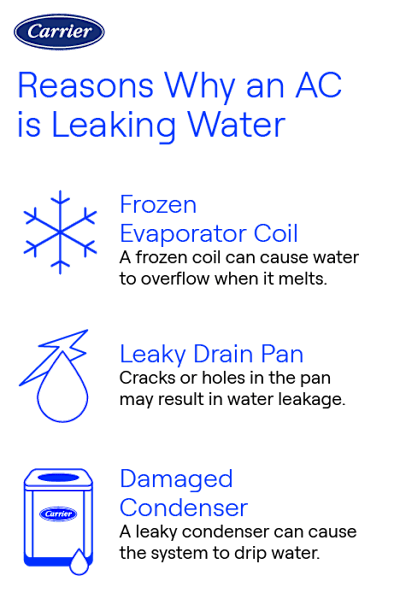
Credit: www.carrier.com
Tools For Leak Detection
Finding leaks in an air conditioner is important to keep it working well. You need special tools to find these leaks quickly and safely.
This guide explains three common tools that help detect leaks in AC systems.
Leak Detection Dye
Leak detection dye is a bright color added to the AC system’s refrigerant. It helps you see leaks by glowing under a UV light.
- Add the dye to the AC system.
- Let the system run for a while.
- Use a UV light to check for glowing spots.
- Find and fix the leaks where the dye escapes.
Electronic Leak Detectors
Electronic leak detectors sense refrigerant gas in the air. They give a signal when they find a leak near the sensor tip.
| Type | Use | Benefit |
| Halide Torch | Detects leaks by burning gas | Simple and cheap |
| Ultrasonic Detector | Finds sound from leaks | Works even without gas |
| Infrared Detector | Senses refrigerant gas | Very accurate and fast |
Soap Solution Test
The soap solution test is a simple way to spot leaks by watching for bubbles.
How to do the soap solution test:
- Mix water with liquid soap to make a bubbly solution.
- Apply the solution to the AC pipes and joints.
- Look for bubbles forming on the surface.
- Bubbles show where the air or gas is leaking.
Step-by-step Leak Check
Checking for leaks in your air conditioner helps keep it running well. Leaks can cause poor cooling and higher bills.
This guide shows you how to find leaks safely and easily. Follow each step carefully to spot any issues early.
Turn Off The Ac And Power
Before inspecting your air conditioner, turn off the unit. Switch off the power at the breaker box to avoid any accidents.
Inspect Refrigerant Lines
Look closely at the refrigerant lines for signs of wear or damage. Check for oily spots or corrosion, which may show leaks.
- Feel for any cold spots on the lines
- Check insulation for cracks or tears
- Listen for hissing sounds near the lines
Check Drain Pan And Pipe
Inspect the drain pan under the AC unit. Look for water or rust, which may indicate a leak or blockage.
| Part | What to Check | Signs of Leak |
| Drain Pan | Water pooling | Rust, standing water |
| Drain Pipe | Blockage or cracks | Water dripping, mold |
Examine Ductwork
Check ductwork for holes or loose connections. Leaks here lower AC efficiency and cause uneven cooling.
- Look for tears or holes in duct tape
- Inspect joints for gaps
- Feel for air escaping while AC runs
Use Leak Detection Methods
Try different methods to find leaks. Soap bubbles and electronic detectors work well for this task.
Common leak detection methods include:
- Applying soapy water to suspected areas and looking for bubbles
- Using an electronic leak detector device for precise location
- Adding UV dye to refrigerant and checking with a UV light
Common Leak Locations
Air conditioners can leak refrigerant in several common places. Finding these leaks early helps keep your system running well. This guide shows where to check for leaks.
Leaks reduce cooling power and can damage the unit. Knowing the usual spots helps you spot problems fast.
Evaporator Coil
The evaporator coil is inside your home near the air handler. It cools the air by absorbing heat. Leaks here can cause poor cooling and frost buildup.
Check the coil for oil stains or dirt patches. These spots often show where refrigerant is escaping.
Condenser Coil
The condenser coil sits outside your home. It releases heat absorbed from inside. Damage or corrosion on this coil can cause leaks.
- Look for bent or damaged fins
- Check for oily residue on coil surfaces
- Inspect for rust or corrosion spots
- Listen for hissing sounds near the coil
Refrigerant Lines
Refrigerant lines connect the indoor and outdoor parts. They carry the refrigerant back and forth. These lines can develop leaks from cracks or wear.
| Problem | Signs of Leak |
| Cracks or holes | Oily spots, bubbles when soapy water applied |
| Loose insulation | Cold spots or frost buildup on lines |
| Corrosion | Rust patches, metal flaking |
Fittings And Connections
Fittings and connections join parts of the air conditioner. These points are common leak areas due to vibration and pressure.
Check these tips to inspect fittings and connections:
- Apply soapy water and watch for bubbles
- Look for oil stains near joints
- Ensure all bolts and screws are tight
- Listen for unusual sounds during operation
When To Call A Professional
Air conditioner leaks can cause serious problems if not fixed quickly. Some leaks are easy to spot, but others need expert help.
Knowing when to call a professional saves time and prevents damage to your system and home.
Complex Leak Issues
Leaks that involve hard-to-reach parts or hidden damage require a technician. They have tools to find and fix these hidden leaks.
- Leaks inside sealed components
- Multiple or recurring leaks
- Leaks causing system freezing or noise
Refrigerant Handling
Refrigerants need special care. Only licensed professionals should handle or refill them.
| Reason to Call a Pro | Explanation |
| Refrigerant leak | Requires safe removal and refill |
| Low refrigerant levels | Needs proper diagnosis and recharge |
| Environmental regulations | Professionals follow legal rules |
System Repairs And Replacements
Major repairs or part replacements should be done by experts. They ensure your air conditioner works safely and efficiently.
Signs to call a professional include:
- Broken or damaged coils
- Faulty compressors
- Electrical issues
- Worn-out or leaking pipes
Preventing Future Leaks
Leaks in air conditioners cause poor cooling and higher energy bills. Preventing leaks keeps your system working well.
Focus on regular maintenance, proper installation, and timely repairs to stop leaks before they start.
Regular Maintenance
Check your air conditioner regularly to find small problems early. Clean or replace filters every month during use.
Inspect coils and drain lines to remove dirt and blockages that can cause leaks.
- Clean filters monthly
- Check coils for dirt
- Clear drain lines
- Look for signs of moisture or damage
Proper Installation
Make sure your air conditioner is installed by a trained technician. Poor installation can cause leaks quickly.
Check that all pipes and seals fit tightly. Use the right size and type of refrigerant to avoid pressure problems.
- Hire a professional installer
- Use correct refrigerant type and amount
- Seal all connections well
- Place the unit on a level surface
Timely Repairs
Fix leaks as soon as you notice them. Small leaks grow bigger and cost more to repair later.
Replace damaged parts quickly. Use quality replacement parts to keep the system safe and leak-free.
- Check for leaks regularly
- Repair or replace damaged pipes
- Use proper tools and parts
- Schedule professional inspections yearly

Credit: m.youtube.com
Frequently Asked Questions
How Can I Detect Leaks In My Air Conditioner?
Check for reduced cooling, hissing sounds, or ice buildup on coils. Use soapy water on connections to spot bubbles indicating leaks.
What Tools Help Find Air Conditioner Leaks?
A leak detector, soap solution, or UV dye can identify leaks. These tools make it easier to locate refrigerant escaping from the system.
Why Is Fixing Ac Leaks Important?
Leaks reduce cooling efficiency and increase energy costs. Repairing them prevents damage to the compressor and extends your AC’s lifespan.
Can I Fix Air Conditioner Leaks Myself?
Small leaks may be fixed with sealants, but most require a professional. Handling refrigerants needs certified technicians for safety and proper repair.
Conclusion
Checking your air conditioner for leaks helps save energy and money. Small leaks can cause big problems if left alone. Use simple tools and careful observation to spot leaks early. Regular checks keep your AC running well and your home cool.
Don’t wait until the system stops working. Stay alert and fix leaks quickly for better comfort. Taking these steps makes your air conditioner last longer. Keep your cool and avoid costly repairs with regular leak checks.