
Have you ever wondered how long your car alarm will keep protecting your vehicle? Knowing the lifespan of your car alarm can save you from unexpected surprises and costly repairs.
Whether you’re worried about wear and tear or just want to make sure your alarm stays reliable, understanding how long it lasts is key. You’ll discover the factors that affect your car alarm’s durability and learn how to keep it working strong for years to come.
Keep reading to make sure your car stays safe when it matters most.
Credit: www.hornetowners.com
Car Alarm Components
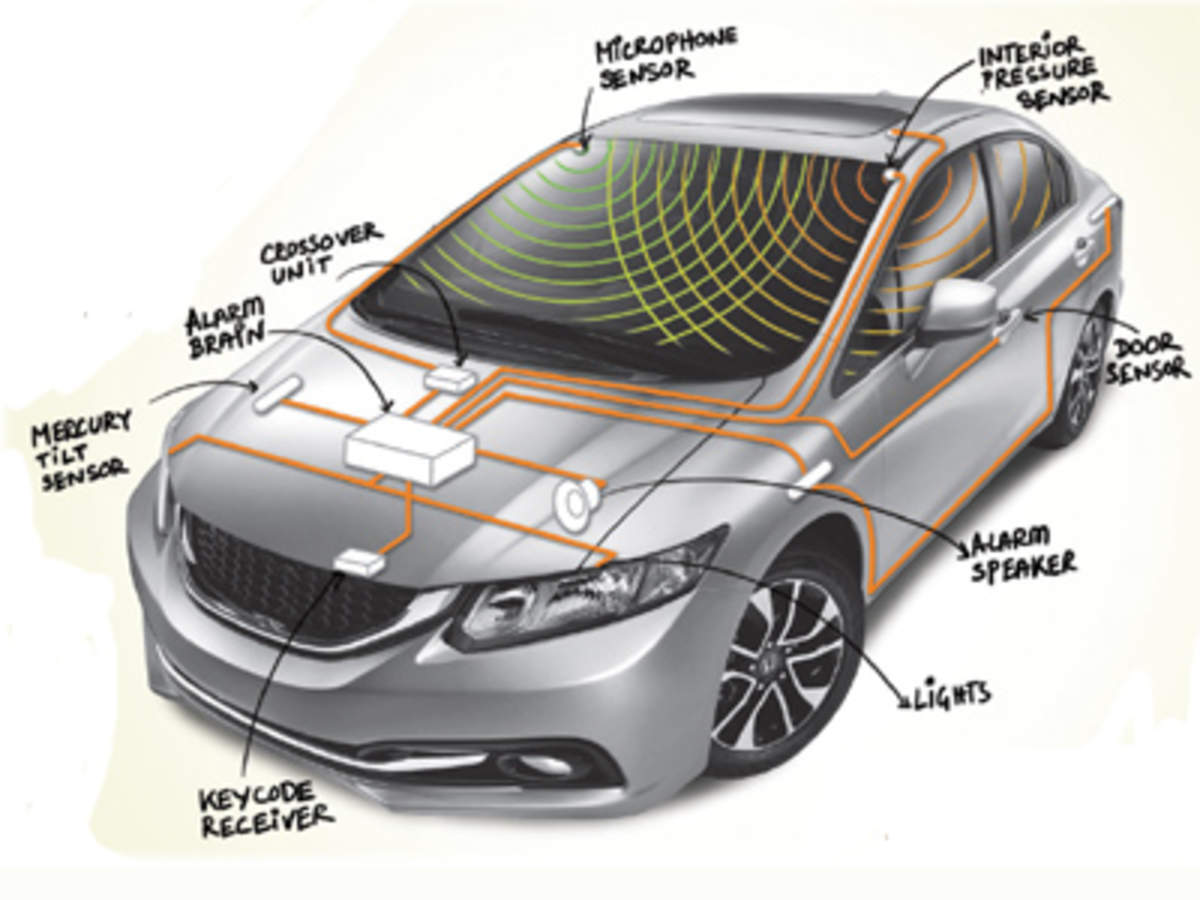
Car alarms have different parts that help protect your vehicle. These parts work together to detect threats.
Knowing the main components helps you understand how long car alarms last. Each part has its own lifespan.
Main Parts Of A Car Alarm
The main parts include the control unit, siren, sensors, and wiring. The control unit is the alarm’s brain.
The siren makes noise to alert people nearby. Wiring connects all parts for proper function.
- Control unit (brain)
- Siren (sound alarm)
- Sensors (detect intrusion)
- Wiring (connect components)
Battery And Power Sources
Car alarms use the vehicle’s battery or a separate battery to work. Power keeps the alarm ready at all times.
Batteries can wear out and affect how long the alarm lasts. Regular checks help keep the alarm active.
- Main power from the car battery
- Backup batteries for independent power
- Power consumption affects battery life
- Battery health impacts alarm longevity
Sensors And Detectors
Sensors detect movement, glass break, or door opening. They send signals to the control unit.
Different sensors have different durability. Proper care helps sensors last longer and stay accurate.
- Motion sensors detect movement inside and outside
- Glass break sensors listen for window shattering
- Door sensors detect opening or closing
- Shock sensors feel impacts on the car
Typical Lifespan Of Car Alarms
Car alarms help protect your vehicle from theft. Knowing how long they last can save you money.
The lifespan of a car alarm depends on many things. This guide explains what affects it.
Average Duration Of Alarm Systems
Most car alarms work well for about 5 to 10 years. Some may last longer with good care.
Quality and type of alarm also change how long it lasts. Basic models might wear out sooner.
Factors Affecting Lifespan
Heat, moisture, and dirt can damage car alarms over time. These conditions reduce their life.
Proper installation and regular checks help alarms last longer. Poor wiring can cause early failure.
- Extreme temperatures can harm alarm parts
- Water exposure can cause short circuits
- Battery life affects wireless alarm duration
- Frequent false alarms may wear out components
- Professional installation improves durability
Signs Of Wear And Aging
Older alarms might beep without reason or fail to arm. These are signs of aging parts.
Look for weak siren sound or slow remote response. These show the alarm needs repair or replacement.
- False alarms happening more often
- Siren sounds quieter or inconsistent
- Remote controls lose signal range
- Alarm fails to activate or deactivate
- Battery drains faster than usual
Maintenance Tips To Extend Life
Car alarms help protect your vehicle from theft. Keeping them in good shape makes sure they work longer.
Simple care steps can extend the life of your car alarm system. Here are some tips to follow.
Regular Battery Checks
The battery powers your car alarm. Check it often to avoid sudden failures.
- Test the battery voltage every month.
- Replace the battery if voltage is low.
- Clean battery terminals to prevent corrosion.
- Use the recommended battery type for your alarm.
Sensor Cleaning And Calibration
Sensors detect movement or impact. Dirt or misalignment can cause false alarms or no alerts.
| Sensor Type | Cleaning Method | Calibration Frequency |
| Shock Sensor | Wipe with dry cloth | Every 6 months |
| Motion Sensor | Use compressed air | Every 3 months |
| Glass Break Sensor | Check sensitivity settings | Every 12 months |
Software Updates And Resets
Car alarms often have software to control functions. Updates fix bugs and improve performance.
Follow these tips for software care:
- Check for updates from the manufacturer regularly.
- Install updates as soon as they are available.
- Reset the alarm system if it acts strangely.
- Keep your vehicle’s main control unit firmware current.
Common Issues And Troubleshooting
Car alarms help protect your vehicle from theft. Over time, alarms can have problems. Knowing common issues can help you fix them.
This guide covers false alarms, alarm failure symptoms, and when to replace the alarm system.
False Alarms And Causes
False alarms happen when the alarm goes off without a real threat. They can annoy you and drain your car battery.
- Faulty sensors that react to harmless movements
- Low battery in the alarm system or remote
- Strong winds or loud noises triggering the alarm
- Improper installation causing sensitivity issues
- Nearby electromagnetic interference
Alarm Failure Symptoms
Alarm failure means the system may not protect your car. Watch for these signs to spot trouble early.
| Symptom | Possible Cause |
| Alarm does not sound | Dead battery or blown fuse |
| Siren sounds weak or distorted | Damaged speaker or wiring |
| Remote does not lock or unlock | Remote battery low or malfunction |
| Alarm triggers randomly | Faulty sensor or wiring issues |
When To Replace The Alarm
Car alarms do not last forever. Knowing when to replace it keeps your car safe.
- Alarm stops working despite battery and fuse changes
- Frequent false alarms that cannot be fixed
- Old alarm model with outdated technology
- Damaged parts that are too costly to repair
- Car security needs have changed or increased
Upgrading Your Car Alarm
Car alarms protect your vehicle from theft and damage. Over time, these systems can become outdated or less effective.
Upgrading your car alarm can improve security and add new useful features. It is important to know what options you have.
New Technology Features
Modern car alarms use smart technology to give better protection. These features make alarms easier to use and more reliable.
Some alarms connect to your phone. You can get alerts if someone tries to open your car. Others use GPS to track your vehicle’s location.
- Smartphone notifications for alerts
- GPS tracking for vehicle location
- Shock sensors to detect impacts
- Remote start and keyless entry
Choosing The Right Alarm System
Pick an alarm system that fits your car and needs. Some alarms work better for small cars, others for trucks or SUVs.
Look for systems with easy controls and good reviews. Consider if you want extra features like GPS or remote start.
- Basic alarms for simple protection
- Advanced alarms with smart features
- Systems with GPS tracking
- Alarms with remote start options
Installation And Costs
Professional installation is best for most car alarms. Experts ensure the system works well and avoids problems.
Costs vary by alarm type and installation. Basic alarms are less expensive. Advanced systems with smart features cost more.
- Basic alarm installation: lower cost
- Smart alarms with GPS: higher cost
- Professional installation ensures safety
- DIY kits available but need care
Credit: m.economictimes.com

Credit: www.whocanfixmycar.com
Frequently Asked Questions
How Long Does A Car Alarm Typically Last?
A car alarm usually lasts between 5 to 30 seconds per activation. Most alarms sound for around 20 seconds before automatically shutting off to prevent battery drain and noise disturbance.
What Factors Affect A Car Alarm’s Duration?
Battery life, alarm type, and vehicle model affect alarm duration. Wired alarms may last longer, while wireless ones depend more on battery power and settings.
Can A Car Alarm Drain My Car Battery?
Yes, frequent or prolonged alarms can drain the car battery. Modern alarms limit sound duration to protect battery life and avoid unnecessary power consumption.
When Should I Replace My Car Alarm?
Replace your car alarm if it malfunctions, has outdated technology, or no longer secures your vehicle effectively. Regular maintenance helps ensure proper functioning.
Conclusion
Car alarms usually last between 5 to 10 years. Their lifespan depends on battery quality and usage. Regular checks keep alarms working well. Replacing old alarms helps protect your car. Choose alarms with good reviews for longer life. Taking care of your alarm saves money and stress.
Remember, a working alarm adds safety to your vehicle. Keep your car safe by maintaining your alarm system. Simple steps extend your alarm’s life and reliability.