Are you ready to reel in your next big catch but find yourself fumbling with the fishing line? You’re not alone.
Many anglers, both new and seasoned, face the challenge of securing their line to the reel with confidence. Tying a fishing line to a reel knot is a crucial skill that can make or break your fishing experience. Imagine the thrill of casting your line, knowing it’s firmly secured, and the anticipation of feeling that first tug.
In this guide, we’ll break down the simple steps you need to master this essential knot. By the end, you’ll be equipped with the know-how to enhance your fishing trips and boost your success on the water. Dive in, and let’s get your line tied right!

Credit: www.wikihow.com
Choosing The Right Knot
Tying your fishing line to the reel needs a strong knot. The right knot keeps the line secure. It prevents slipping and line breakage.
Not all knots work well with every type of line or reel. Picking a good knot depends on your fishing setup.
Common Knots For Fishing Reels
Some knots are easier to tie and hold better on fishing reels. These knots are popular among anglers for their reliability.
- Improved Clinch Knot – simple and strong for most lines
- Palisade Knot – good for braided lines and strong hold
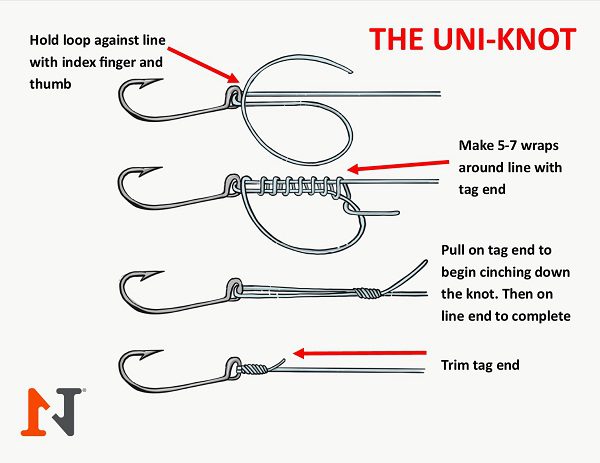
- Uni Knot – easy to tie and works well with many line types
Try practicing these knots to find which fits your fishing style best.
Factors Affecting Knot Strength
Knot strength depends on several factors. These factors help your knot stay tight and avoid breaking.
- Type of fishing line – braided, monofilament, or fluorocarbon
- Knot type – some knots hold better with certain lines
- How well you wet the line before tightening
- Proper tightening – knots must be snug without damage
- Line thickness – thin lines need careful tying
- Wear and damage – old or frayed lines weaken knots
Check your knots often and retie if needed to keep strong connection.
Preparing The Line And Reel
Tying the fishing line to the reel knot starts with good preparation. Proper care helps the knot hold strong. You must prepare the line and reel before tying the knot.
This guide covers two key steps: trimming the line and moistening the knot area. These steps improve knot strength and prevent slippage.
Trimming The Line
Trimming the fishing line ensures a clean end for tying. A neat cut helps the knot form tightly and reduces the chance of fraying or slipping.
- Use sharp scissors or line clippers for a clean cut.
- Cut the line close to the spool to remove old or damaged line.
- Trim the tag end after tying the knot to avoid excess line.
Moistening The Knot Area
Moistening the knot area before tightening reduces friction. This step keeps the line from heating and weakening.
Here are some tips for moistening:
- Use water or saliva to wet the knot.
- Apply moisture evenly around the knot.
- Avoid over-wetting, which can weaken certain lines.
Step-by-step Knot Tying
Tying a fishing line to a reel is an important skill for every angler. A strong knot keeps the line secure and prevents it from slipping.
This guide shows simple steps to tie the fishing line to your reel with a reliable knot. Follow each step carefully for the best results.
Attaching The Line To The Reel
Start by threading the fishing line through the reel spool. Pull enough line to work with comfortably.
Hold the line against the spool and prepare to make the first loop. This keeps the line in place while tying the knot.
Creating Loops And Wraps
Make a loop by passing the line around the spool and over itself. Wrap the loose end of the line around the standing part several times.
- Make 5 to 7 wraps around the main line
- Keep the wraps tight and close together
- Ensure the wraps go toward the spool
These loops and wraps help the knot grip the spool firmly when tightened.
Securing The Knot Tight
Pull the loose end slowly to tighten the wraps against the spool. Hold the main line firmly while pulling.
Wet the knot with water or saliva to reduce friction. Then pull the line again to make the knot secure and tight.
- Do not pull too fast or the line may weaken
- Trim any extra line close to the knot
- Check the knot for tightness before fishing
Testing Knot Strength
After tying a fishing line to the reel, it is important to test the knot strength. This ensures the knot will hold under pressure while fishing.
Testing helps prevent losing fish or damaging your gear. It shows if the knot is secure or needs retying.
Pulling Techniques
To test the knot, pull the line firmly but steadily. Avoid sudden jerks to get an accurate strength check.
Pull the line in different directions to check if the knot holds well. Use your hand or a tool to apply pressure.
- Pull the line slowly with steady force
- Pull from different angles around the knot
- Check if the knot slips or loosens
- Repeat the test a few times for accuracy
Signs Of A Weak Knot
A weak knot may slip or move when pulled. It could also show frayed or damaged line near the knot.
Look for gaps or looseness in the knot loops. These signs mean the knot may fail during fishing.
- Knot moves or slides on the reel
- Line frays or breaks near the knot
- Knot loops appear loose or uneven
- Line slips through the knot under pressure
Tips For Maintaining Knot Integrity
Tying your fishing line to the reel is only part of the process. Keeping the knot strong is key to a good fishing experience. Small problems can weaken the knot and cause line breaks.
These tips help keep your knot secure and lasting longer. Check your line often and avoid damage to keep everything working well.
Regular Line Inspection
Look over your fishing line before and after each trip. Check for any signs of wear or damage near the knot. Early spotting of issues can save your line from breaking during a catch.
- Inspect the knot area for cracks or frays.
- Run your fingers along the line to feel for rough spots.
- Replace the line if you see any damage.
- Retie the knot if it looks loose or worn out.
Avoiding Abrasions
Abrasion weakens your fishing line and knot. It happens when the line rubs against sharp objects or rough surfaces. Protect your line to keep the knot strong and avoid sudden breaks.
| Cause of Abrasion | How to Prevent |
|---|---|
| Sharp edges on rocks | Use a line guard or avoid casting near rocks |
| Boat hardware | Keep line clear of metal parts |
| Tree branches | Cast away from branches and bushes |
| Rough knot tying | Tie knots gently and check tightness |
Credit: www.epicflyrods.com

Credit: www.youtube.com
Frequently Asked Questions
How Do I Tie Fishing Line To Reel Knot?
To tie a fishing line to reel knot, thread the line through the reel spool. Wrap it around twice, then tie an arbor knot. Pull tight to secure. This knot ensures the line stays firmly attached during fishing.
What Is The Strongest Knot For Fishing Reel?
The strongest knot for fishing reel is the Arbor knot. It tightly connects the line to the reel spool. This knot prevents slippage and holds well under tension, making it ideal for most fishing situations.
Can I Use Any Fishing Line For Reel Knot?
Yes, you can use any fishing line for reel knot. However, match the knot type to your line material. Monofilament, fluorocarbon, and braided lines all work well with the Arbor or improved clinch knots for reel attachment.
How Many Wraps Are Needed For Reel Knot?
Typically, two to three wraps around the spool are enough. This ensures a secure grip without bulk. More wraps can cause line twist or difficulty in casting, so keep it simple and tight.
Conclusion
Tying your fishing line to the reel knot is simple with practice. This skill helps your fishing gear work better. A strong knot stops the line from slipping or breaking. Take your time and follow each step carefully. Soon, you will do it quickly and without trouble.
Enjoy more fishing fun with a secure line every time. Keep practicing, and your confidence will grow. Ready for your next fishing trip?