Getting the right fit for your bike helmet isn’t just about comfort—it’s about your safety. If your helmet is too loose or too tight, it won’t protect you properly when you need it most.
But how do you know what size to pick? That’s where measuring your head the right way comes in. In this guide, you’ll learn simple steps to measure your head accurately so you can choose a helmet that fits perfectly.
Keep reading, and make sure your next ride is as safe as it is enjoyable.
Why Helmet Fit Matters
Wearing a bike helmet protects your head during accidents. A helmet that fits well keeps you safer. It stays in place and absorbs impact better.
Choosing the right helmet size is not just about comfort. It is about preventing serious injuries. A loose or tight helmet can cause problems during a crash.
Protection From Impact
A helmet that fits correctly spreads the force of an impact. It reduces the chance of skull fractures and brain injury. A poor fit lets the helmet move, reducing its protection.
Comfort And Wearability
Comfort helps you wear the helmet every time you ride. A helmet that is too tight causes headaches. One that is too loose may slip and distract you.
How To Check Helmet Fit
- Place the helmet level on your head.
- Adjust the straps so they form a V shape under your ears.
- Fasten the chin strap snugly but comfortably.
- Try to move the helmet side to side and front to back.
- If it moves too much, tighten the straps or try a smaller size.
Signs Of A Poor Fit
| Issue | What It Means |
| Helmet slides on your head | Too loose, less protection |
| Pressure points or pain | Too tight, uncomfortable |
| Straps too loose or tight | Can cause helmet to shift |
| Helmet tilts forward or backward | Improper fit, adjust position |
Tools Needed For Measuring
Measuring your head correctly is key to finding the right bike helmet. Using the right tools makes this task easy and accurate. Here are the common tools you need.
Each tool helps you get a precise measurement to ensure your helmet fits well and keeps you safe.
Measuring Tape
A flexible measuring tape is the best tool for measuring your head circumference. It wraps around your head smoothly and gives accurate results.
Mirror
A mirror helps you see the tape placement at the back of your head. This makes sure the tape is level and not too high or low.
Pen And Paper
Use a pen and paper to write down your measurement. This helps you remember the size when shopping for helmets.
Head Shape Chart
Some people have round or oval heads. A head shape chart helps you understand your head shape and pick the right helmet style.
List Of Essential Tools
- Flexible measuring tape
- Mirror for checking tape position
- Pen and paper for recording size
- Head shape chart for helmet style
Measuring Tape Comparison
| Type | Material | Best Use |
| Cloth Tape | Soft fabric | Comfortable for head |
| Plastic Tape | Flexible plastic | Durable and easy to clean |
| Metal Tape | Steel | Not recommended for head |
Measuring Head Circumference
Measuring your head circumference helps you find the right bike helmet size. A good fit keeps your helmet safe and comfortable.
Use a soft measuring tape for the best results. Take your time to measure carefully for accuracy.
Positioning The Measuring Tape
Place the measuring tape around your head. It should sit just above your eyebrows and ears.
The tape should rest on the widest part of your head. Keep it level all around to get the right size.
- Start at the middle of your forehead
- Wrap the tape above your eyebrows
- Pass the tape over your ears
- Bring the tape around to the back of your head
- Keep the tape flat and straight
Taking Accurate Measurements
Hold the tape snug but not tight. It should touch your skin without pressing hard.
Look in a mirror or ask someone to help. Read the number where the tape meets.
- Measure two or three times for accuracy
- Write down the measurement in centimeters or inches
- Use the largest measurement if they vary

Credit: www.amazon.co.uk
Determining Helmet Size
Choosing the right bike helmet size is important for safety and comfort. A helmet that fits well protects your head better.
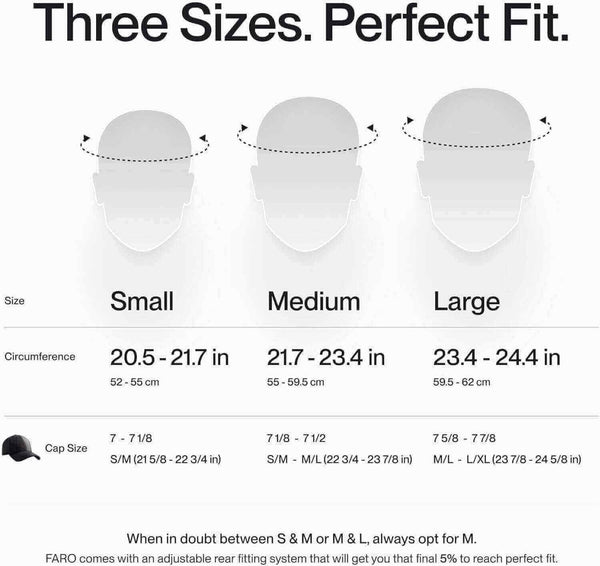
To find the right size, you need to measure your head and compare it to size guides. This helps you pick a helmet that fits snugly.
Using Manufacturer Size Charts
Most helmet brands have size charts based on head circumference. You measure your head and match it to their chart.
Measure your head by wrapping a soft tape measure around your forehead. Place it above your eyebrows and ears.
- Keep the tape snug but not tight
- Note the measurement in centimeters or inches
- Compare the number with the helmet brand’s size chart
- Choose the size that fits your measurement range
Considering Different Helmet Types
Helmet sizes can vary depending on the helmet type. Road, mountain, and BMX helmets might fit differently.
Try to check the size for the specific helmet style you want. Some helmets have more padding or different shapes.
- Road helmets often fit tighter and are lighter
- Mountain helmets may offer more coverage and padding
- Full-face helmets need precise sizing for safety
- Adjust straps and pads for a better fit
Trying The Helmet On
Trying the helmet on is important to check its fit and comfort. It helps you see if the helmet will protect your head properly.
Make sure to wear the helmet as you would on a bike ride. This way, you can find the right size and adjustments.
Checking Helmet Position
Place the helmet level on your head. It should cover the top of your forehead but not block your vision.
The front edge of the helmet should sit about one inch above your eyebrows. This position protects your forehead well.
- Helmet sits flat on your head, not tilted back or forward
- It covers the top of your forehead
- You can see clearly without obstruction
Adjusting Straps And Pads
Tighten the straps so the helmet feels snug but not too tight. The straps keep the helmet in place during a ride.
Use the pads inside the helmet to fill gaps. Pads improve comfort and help the helmet fit better.
- Straps form a V shape under each ear
- Chin strap is tight enough to hold the helmet
- Pads fill empty spaces inside the helmet
Signs Of A Perfect Fit
Choosing the right bike helmet size is important for safety and comfort. A perfect fit keeps the helmet stable and feels good on your head.
Check for key signs that show your helmet fits well. These signs help you avoid discomfort and protect your head properly.
Comfort And Stability
A helmet that fits right should feel snug but not tight. It stays in place when you move your head and does not wobble.
- The helmet should sit level on your head, covering your forehead.
- Straps should fasten securely under your chin without pinching.
- You should feel even pressure all around your head, not just in one spot.
- Try shaking your head side to side; the helmet should not move much.
Avoiding Pressure Points
Pressure points cause pain and distract you while riding. A good helmet fit avoids these areas.
| Pressure Point Location | What to Check |
| Top of the Head | No sharp or hard spots inside the helmet |
| Forehead | Padding should feel soft and even |
| Behind the Ears | Straps should not press too tightly |
| Back of the Head | Helmet shell should not dig into skin |
Common Fit Issues And Fixes
Wearing the right bike helmet size is very important for safety. A helmet that does not fit well can cause problems while riding.
Below are common fit problems and simple ways to fix them. These tips help you get a safe and comfortable fit.
Helmet Too Loose
A helmet that feels loose can move around on your head. This lowers protection during a fall or crash.
You may notice the helmet slides forward, backward, or side to side easily. This means it is too big or not adjusted right.
- Tighten the chin strap so it fits snugly under your chin.
- Use the helmet’s adjustment dial or pads to reduce internal space.
- Make sure the helmet sits level on your head, covering your forehead.
- Try smaller helmet sizes if adjusting does not help.
Helmet Too Tight
A helmet that feels too tight can cause headaches or pressure points. It may feel uncomfortable after a short time.
Check if the helmet leaves marks on your skin or presses hard on your head. This shows it is too small or adjusted too tight.
- Loosen the chin strap so it is snug but not tight.
- Remove extra padding or use thinner pads inside the helmet.
- Choose a larger helmet size if the pressure does not reduce.
- Make sure the helmet sits evenly without pressing on one spot.

Credit: yankel.co.uk

Credit: www.btosports.com
Frequently Asked Questions
How Do I Measure My Head For A Bike Helmet?
Use a soft tape measure around your head, just above your eyebrows. Note the circumference in centimeters or inches for accurate sizing.
What Size Helmet Fits A 22-inch Head Circumference?
A 22-inch head circumference usually fits a size Large helmet. Always check the brand’s specific size chart before buying.
How Tight Should A Bike Helmet Fit?
The helmet should fit snugly but comfortably without causing pain. You should not be able to move it side to side.
Can I Use A Cloth Tape Measure For Helmet Sizing?
Yes, a cloth tape measure is ideal for accurate head measurement. Avoid rigid rulers as they don’t follow head contours well.
Conclusion
Choosing the right bike helmet size is vital for safety. Measure your head accurately. Wrap the tape measure above your eyebrows. Ensure a snug fit. Check the helmet’s fit by shaking your head. It should stay in place. Adjust the straps for comfort.
A well-fitted helmet protects better. Always wear it properly. Regularly inspect for damage. Replace if needed. Your safety depends on it. Happy cycling!