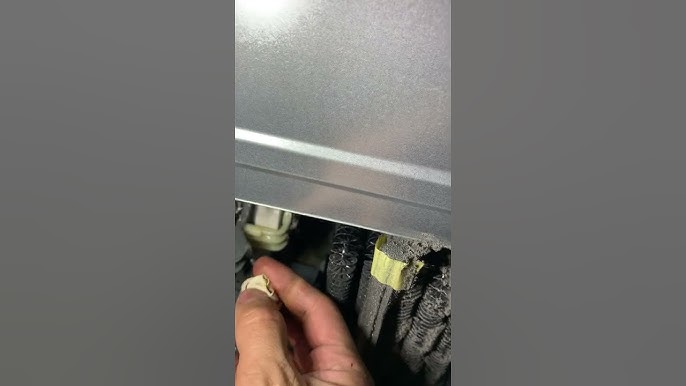
Is your refrigerator making strange noises or leaking water? You might be dealing with a clogged drain tube.
This small issue can lead to bigger problems if not addressed quickly. Imagine opening your fridge and finding a small pool of water at the bottom. Frustrating, right? But don’t worry, you can easily fix this on your own. In this guide, you’ll discover simple steps to unclog your refrigerator drain tube and keep your appliance running smoothly.
By the end, you’ll feel like a DIY hero, saving both time and money. Ready to take control of your fridge’s health? Let’s dive in.

Credit: www.reddit.com
Signs Of A Clogged Drain Tube
Recognizing the signs of a clogged refrigerator drain tube early can save you from bigger problems down the line. This drain tube helps remove excess water from the fridge, and when it gets blocked, you’ll start to notice clear changes. Catching these signs quickly means you can fix the issue before it damages food or causes costly repairs.
Water Pooling Inside Fridge
If you see water collecting at the bottom of your fridge or inside the vegetable drawers, it’s a strong sign the drain tube might be clogged. This water has nowhere to go because the blockage stops it from draining properly.
Have you ever opened your fridge and found a puddle? That’s not normal and shouldn’t be ignored. Standing water can spoil your food faster and create a breeding ground for bacteria.
Unpleasant Odors
A clogged drain tube can cause water to sit and stagnate inside the fridge. This trapped water often leads to unpleasant smells that linger despite regular cleaning.
You might notice a musty or sour odor when you open the fridge door. This happens because the water isn’t draining away and starts to rot or grow mold.
Frost Buildup Issues
Another sign of a clogged drain tube is unusual frost or ice buildup inside the freezer or fridge. When water can’t drain properly, it freezes in places it shouldn’t.
This frost buildup can block air vents and affect the fridge’s cooling efficiency, making your appliance work harder and use more energy.
Credit: www.temu.com
Tools You’ll Need
Unclogging your refrigerator drain tube doesn’t require a trip to the hardware store or expensive gadgets. You just need the right tools at hand to get the job done efficiently. Having these tools ready will save you time and frustration, and prevent water leaks or bad odors from lingering in your fridge.
Basic Cleaning Supplies
Start with common household items you probably already have. A sponge or cloth helps wipe away any spills or grime around the drain area. A bowl or shallow pan is useful to catch water that might drip during the cleaning process.
Don’t forget a mild detergent or dish soap to clean the drain tube opening and surrounding surfaces. You’ll also want a pair of rubber gloves to keep your hands clean and protected. These simple supplies are your first line of defense against minor blockages.
Specialized Tools
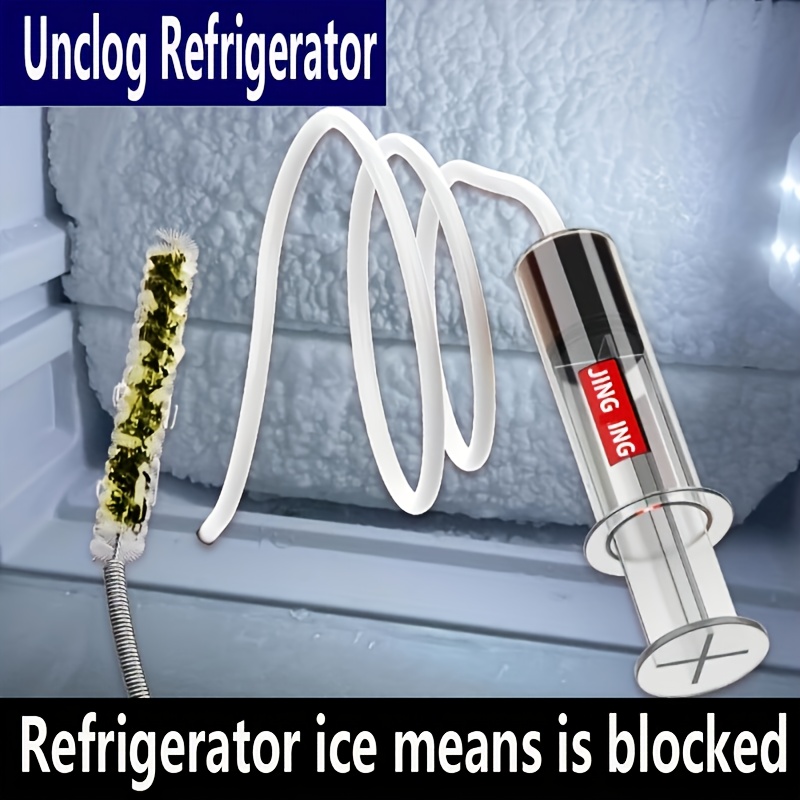
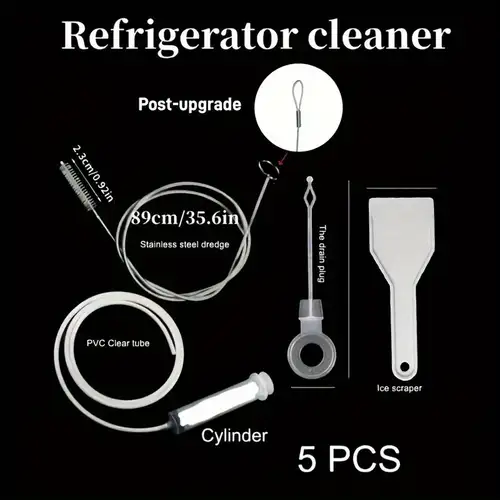
Some clogs require more than just soap and water. A flexible pipe cleaner or a long, thin brush is excellent for gently pushing through and loosening debris inside the drain tube. These tools are designed to navigate narrow spaces without causing damage.
If you encounter tougher blockages, a turkey baster or a small hand pump can force warm water through the tube to flush out stubborn buildup. Additionally, a small wet/dry vacuum can be a powerful tool to suck out any remaining residue. Having these specialized tools in your toolkit can make the difference between a quick fix and a prolonged headache.
Locating The Drain Tube
Before you can clear a clogged refrigerator drain tube, you first need to know exactly where to find it. Locating the drain tube might seem tricky, but it’s simpler than you think once you know what to look for. Understanding its position helps you avoid unnecessary damage and speeds up the cleaning process.
Finding The Drain Hole
The drain hole is usually inside the fridge, near the back wall at the bottom of the main compartment. This small opening allows water from defrost cycles to flow down into the drain tube. If your fridge has a drip pan underneath, that’s where the water usually ends up after flowing through the tube.
Look carefully for any water pooling inside the fridge or signs of ice buildup around the drain hole. These clues often indicate a clogged drain tube. Have you noticed water collecting inside your refrigerator? That’s your first hint to check the drain hole.
Accessing The Drain Tube
Once you spot the drain hole, accessing the drain tube is the next step. Usually, the tube runs behind the back panel inside the fridge or freezer compartment. You may need to remove a few screws or panels to get a clear view and reach the tube.
In some models, the drain tube extends underneath the fridge, connecting to a drain pan. Make sure to unplug the refrigerator before removing any panels to stay safe. Do you feel comfortable handling small tools? Opening the back panel carefully will give you direct access to the tube for cleaning.
Step-by-step Cleaning Process
Cleaning a refrigerator drain tube stops water buildup and bad smells. Follow clear steps to fix the clog safely. The process keeps your fridge working well and prevents leaks. This guide shows how to remove blockages, flush the tube, and dry it properly. Use simple tools for easy cleaning at home. No special skills needed.
Removing Blockages
Locate the drain tube at the fridge’s back or inside panel. Check for visible dirt or debris blocking the tube. Use a soft brush or pipe cleaner to clear the clog gently. Avoid sharp objects that can damage the tube. Push out any frozen ice carefully with warm water or a cloth. Clear the drain hole with a toothpick or cotton swab if needed.
Flushing The Tube
Prepare a mixture of warm water and mild soap. Use a turkey baster or squeeze bottle to flush the solution through the tube. Repeat flushing several times to clear all dirt and buildup. Rinse the tube with plain warm water to remove soap residue. This step helps prevent mold and keeps water flowing freely.
Drying And Reassembling
Use a clean cloth or paper towel to dry the tube’s exterior. Leave the fridge door open for a few minutes to air dry inside parts. Reattach any removed panels or covers securely. Plug the fridge back in and check for proper drainage. This final step ensures everything works well and prevents future clogs.
Preventing Future Clogs
Preventing clogs in your refrigerator drain tube saves time and keeps your fridge running smoothly. Small blockages cause water buildup and leaks. Regular care helps avoid these problems. Simple habits keep the drain tube clear and functional. A few easy steps make a big difference in fridge maintenance.
Regular Maintenance Tips
- Check the drain tube every few months for dirt or debris.
- Clean the drain pan under the fridge to prevent mold growth.
- Use a soft brush or pipe cleaner to gently clear the drain tube.
- Keep the fridge temperature steady to reduce condensation.
- Wipe spills and crumbs inside the fridge promptly to avoid buildup.
Using Natural Cleaners
Natural cleaners help keep the drain tube clean without harsh chemicals. They are safe for your fridge and the environment. Try these options regularly:
- Mix equal parts of water and white vinegar to flush the drain.
- Use a baking soda paste to scrub the drain area gently.
- Pour warm water down the drain tube to clear small blockages.
These natural methods reduce odors and prevent mold growth. Use them every few months for best results.
Credit: www.temu.com
When To Call A Professional
Knowing when to call a professional is key to avoid bigger problems. Some fridge drain tube issues need expert care. Acting too late can cause water damage or spoil food. It saves time and money to recognize signs that require help.
Signs Of Serious Damage
- Water pooling inside or around the fridge
- Persistent bad odors despite cleaning
- Ice buildup in the freezer or fridge
- Unusual noises from the fridge’s drainage system
- Repeated clogging after simple cleaning attempts
- Visible cracks or damage on the drain tube
These signs show the problem is beyond a simple clog. Professional tools and skills are needed to fix or replace parts safely.
Repair Vs Replacement
Professionals assess if a repair will last or if replacement is better. A small clog or minor crack might only need a repair. Severe damage or worn-out parts require full replacement.
Repair saves money but may not last long. Replacement costs more but ensures the fridge works well. Experts provide the best advice based on the damage.
Frequently Asked Questions
How Do I Know If My Refrigerator Drain Tube Is Clogged?
Signs include water pooling inside, bad odors, and frost buildup. Check the drain hole for visible blockages or slow drainage.
What Tools Are Needed To Unclog A Refrigerator Drain Tube?
You typically need a turkey baster, warm water, mild soap, and a pipe cleaner or flexible brush to clear the drain.
Can I Use Vinegar To Clean The Drain Tube?
Yes, vinegar helps dissolve debris and kills mold. Flush the drain tube with a vinegar-water solution for effective cleaning.
How Often Should I Clean The Refrigerator Drain Tube?
Clean the drain tube every 3 to 6 months to prevent clogs and maintain proper drainage and fridge efficiency.
Conclusion
Clearing a refrigerator drain tube keeps your fridge working well. Blockages cause water leaks and bad smells. Regular cleaning stops these problems early. Use simple tools like warm water and a pipe cleaner. Take your time and be gentle. Your fridge will stay fresh and dry.
Small efforts save costly repairs later. Keep this guide handy for quick fixes. A clean drain tube means a happy, healthy fridge.