
Are you planning an outdoor event and wondering about the cost of renting a tent? You’re in the right place.
The price of tent rental can vary widely, leaving you with more questions than answers. But don’t worry; we’re here to clear up the confusion. Understanding the factors that influence tent rental prices is key to making smart decisions for your event.
From the size and type of tent to the rental duration and additional features, each choice impacts your budget. By the end of this article, you’ll have a clear grasp of what to expect and how to make the best choice for your needs. Ready to dive in and discover how to make your outdoor event a success without breaking the bank? Keep reading!
Factors Affecting Tent Rental Prices
Tent rental prices vary depending on several important factors. Knowing these can help you plan your event budget better.
Prices change based on the tent’s size, rental length, where you need it, and extra items you may want.
Tent Size And Type
Bigger tents cost more because they use more materials. The type of tent also matters for price.
Standard frame tents are cheaper. Clear top or luxury tents cost more due to design and materials.
- Small tents (10×10) are usually the cheapest
- Medium tents (20×20) cost more for extra space
- Large tents (40×60 or bigger) are the most expensive
- Specialty tents like clear tops or sailcloth raise the price
Rental Duration
The length of time you rent the tent affects the price. Longer rentals usually cost more.
Some companies charge by the day, while others offer discounts for multiple days.
- One-day rental is standard and often priced higher per day
- Multi-day rentals can reduce the daily rate
- Extra days for setup or breakdown may add to the cost
Location And Delivery
Where you need the tent can affect the price. Delivery fees vary by distance and difficulty.
Remote or hard-to-reach places usually cost more to deliver and set up.
- Local delivery often has a flat fee
- Long distances increase delivery charges
- Setup in tight spaces may require extra labor fees
Additional Accessories
Extras like sidewalls, flooring, lighting, and heaters add to the rental price. These improve comfort and style.
Choosing many add-ons can increase the total cost significantly.
- Sidewalls protect from wind and rain
- Flooring creates a smooth surface inside the tent
- Lighting enhances the look and visibility
- Heating keeps guests warm in cold weather

Credit: meadowvalepartyrentals.com
Common Tent Rental Price Ranges
Renting a tent is important for many outdoor events. Prices vary depending on size and style.
Knowing common price ranges helps you plan your budget better. Here are typical costs for different tents.
Small Tents
Small tents usually cover 10×10 feet or less. They fit 5-10 people comfortably.
These tents are good for small gatherings or booths. Prices are often the lowest among tent sizes.
- Price range: $50 to $150 per day
- Common types: pop-up tents, canopy tents
- Easy to set up and transport
Medium Tents
Medium tents cover about 20×20 feet. They fit 20-40 people for events.
These tents suit parties, weddings, or small corporate events. They cost more than small tents.
- Price range: $200 to $600 per day
- Common types: frame tents, pole tents
- Provide more space and stability
Large Tents
Large tents cover 30×30 feet or bigger. They hold 50 to 200 people.
These tents fit big weddings, festivals, or conferences. They cost much more than smaller tents.
- Price range: $700 to $3000 per day
- Common types: large pole tents, clear span tents
- Require professional setup and permits
Specialty Tents
Specialty tents include unique shapes or features. Examples are yurts, sailcloth tents, and clear tents.
They often cost more because of design and materials. Prices vary widely depending on the tent type.
- Price range: $500 to $5000+ per day
- Used for upscale or themed events
- May need extra accessories or lighting
Ways To Save On Tent Rentals
Renting a tent can add comfort and style to your event. Yet, the cost may seem high at first. There are smart ways to lower your tent rental price.
Simple planning and choices can help you save money. Below are some ideas to reduce tent rental expenses without losing quality.
Booking Early
Reserving your tent well before your event date often leads to lower prices. Rental companies prefer early bookings because they can plan their inventory better.
Early booking also gives you more options in tent size and style. You avoid last-minute rush fees and limited availability.
Choosing Off-peak Dates
Renting tents during less busy seasons or weekdays can cut costs. Demand drops during these times, so prices are usually lower.
- Consider weekday events instead of weekends
- Plan events in cooler months if possible
- Avoid holiday weekends and popular celebration dates
Package Deals
Many rental companies offer package deals that combine tents with chairs, tables, and other accessories. These packages often cost less than renting items separately.
| Package | Includes | Typical Savings |
| Basic Tent Set | Tent + Floor | 10% |
| Event Package | Tent + Chairs + Tables | 15% |
| Full Setup | Tent + Furniture + Lighting | 20% |
Diy Setup Options
Setting up the tent yourself can reduce labor costs. Many companies allow customers to pick up tents and install them.
Tips for DIY setup:
- Ask for clear instructions from the rental company
- Gather enough helpers for faster setup
- Check the ground and space before installation
- Reserve extra time for setup and takedown

Credit: valleytentandpartyrentals.ca
Comparing Tent Rental Providers
Finding the right tent rental can affect your event’s success. Different providers offer varying prices and services. It is important to compare them before deciding.
This guide will help you understand key differences between providers. Focus on local versus national companies, online reviews, and customer service.
Local Vs National Companies
Local companies usually know the area well. They may offer faster delivery and setup. Their prices can be lower because they have less overhead.
National companies often have more tents and variety. They might have stricter policies and set prices. Their services can be reliable for big events across many locations.
- Local companies: personalized service, flexible options
- National companies: larger inventory, consistent pricing
- Local may charge less for nearby events
- National may offer better support for multiple events
Online Reviews And Ratings
Checking reviews helps you learn about past customers’ experiences. High ratings often show good quality and service. Low ratings can warn about problems.
Look for comments on tent condition, delivery times, and staff behavior. Honest reviews give a clearer picture. Compare ratings on different websites for better insight.
- Read multiple reviews, not just one or two
- Focus on recent feedback
- Notice how the company responds to complaints
Customer Service And Flexibility
Good customer service makes rental easier. Providers should answer questions quickly and clearly. Flexibility in booking or changes helps when plans shift.
Some companies allow last-minute changes or offer setup help. Others may charge extra fees. Ask about policies before renting to avoid surprises.
- Check if they offer delivery and setup
- Ask about cancellation or rescheduling fees
- See if they provide on-site support during events
Hidden Costs To Watch For
Renting a tent can seem simple, but extra costs may appear. These hidden fees can increase your total price.
Knowing these costs helps you plan your budget better. It stops surprises on your event day.
Setup And Breakdown Fees
Many rental companies charge extra to set up the tent. They also may charge to take it down after your event.
This fee covers labor and time needed for safe tent handling. It can vary based on tent size and location.
- Small tents may have lower setup fees
- Large tents need more workers and take longer
- Remote locations might add extra charges
Damage Deposits
Rental companies often ask for a damage deposit before your event. This protects them if the tent or parts get broken.
The deposit is usually refundable if no damage happens. Damage can include tears, stains, or broken poles.
- Deposit amount depends on tent size and value
- Keep the tent clean and avoid rough use
- Ask about deposit return terms before renting
Insurance Charges
Insurance protects you and the rental company from accidents. Some renters must buy insurance for the tent rental.
Costs vary by coverage type and rental length. Check if your own event insurance covers tent rentals.
- Liability insurance covers injuries or damage
- Some companies include insurance in rental price
- Others charge extra for insurance options
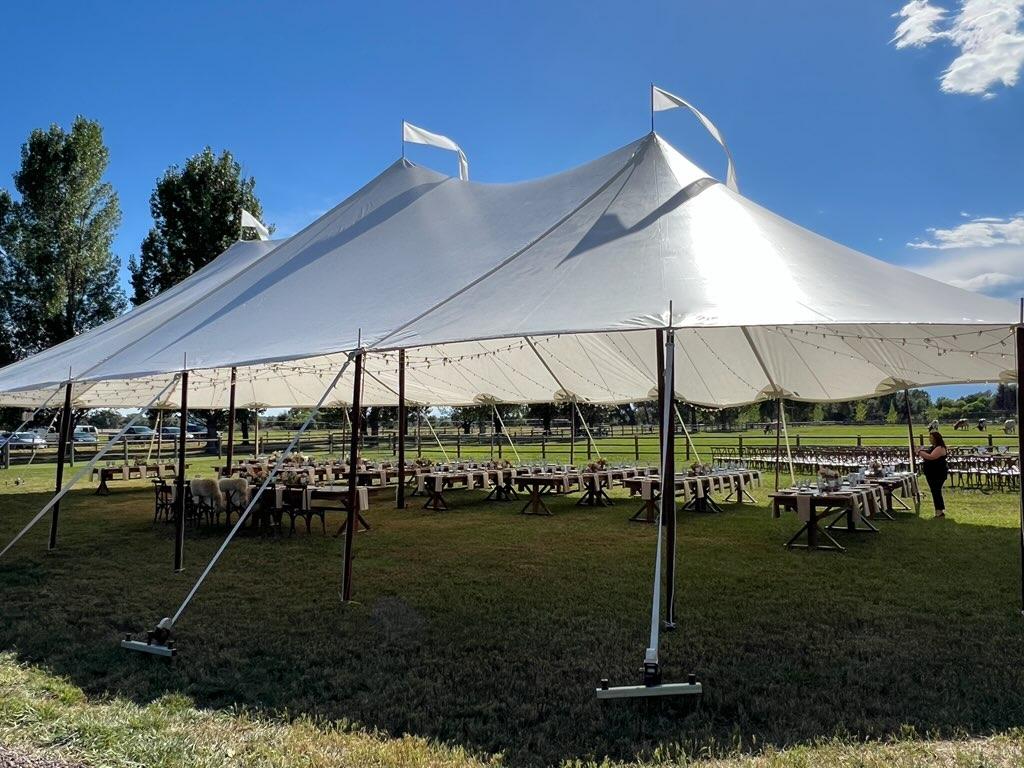
Credit: primaryeventrentals.com
Tips For A Smooth Rental Experience
Renting a tent can make your event special. Planning ahead helps avoid problems.
Use these tips to make your tent rental easy and stress-free.
Measuring Your Space
Measure the area where you want the tent carefully. This helps you pick the right size.
Check for obstacles like trees, poles, or uneven ground before you decide.
- Use a tape measure or a measuring wheel
- Note the length and width in feet or meters
- Leave extra space for tent sides and walking areas
- Mark any obstacles or slopes
Confirming Rental Details
Double-check all rental details with the company. This avoids surprises later.
Ask about the tent size, rental cost, and what is included in the price.
- Confirm the rental period and delivery time
- Ask if setup and takedown are included
- Check if stakes or weights come with the tent
- Find out about cancellation or change policies
Preparing For Delivery
Make sure the delivery area is clear and easy to access. This speeds up setup.
Tell the rental company if you need special instructions or have pets nearby.
- Clear the ground of rocks, branches, or debris
- Keep a clear path for trucks and workers
- Mark the spot where you want the tent placed
- Inform neighbors if delivery affects parking or access
Frequently Asked Questions
How Much Does Tent Rental Usually Cost?
Tent rental prices typically range from $150 to $1,000. Costs depend on tent size, type, and rental duration. Additional features like flooring or lighting may increase the price. Always request a detailed quote for accurate budgeting.
What Factors Affect Tent Rental Prices?
Tent size, style, and rental length mainly impact costs. Location and delivery fees also add to expenses. Extra accessories like heaters or sidewalls influence pricing. Planning ahead helps find the best deal.
Are There Extra Fees With Tent Rentals?
Yes, delivery, setup, and pickup fees often apply. Damage waivers and insurance might add to the total. Some companies charge for additional accessories or extended rental days. Clarify all costs before booking.
How Far In Advance Should I Book A Tent?
Booking 4 to 8 weeks ahead is ideal. Popular seasons may require earlier reservations. Early booking ensures availability and better pricing. Last-minute rentals often cost more or have limited options.
Conclusion
Tent rental prices depend on size, style, and rental duration. Choose a tent that fits your event and budget. Always compare prices from different rental companies. Check what is included, like delivery and setup. Plan early to get the best rates and availability.
A clear budget helps avoid surprises later. Renting a tent can make your event more comfortable and memorable. Now, you are ready to find the right tent rental for your needs.