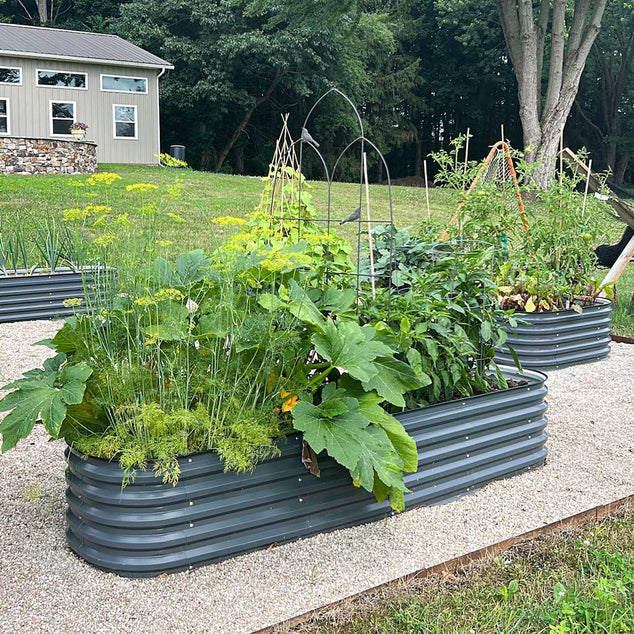
Are you ready to transform your garden into a vibrant, productive space? Choosing the right vegetables to grow in raised garden beds can make all the difference in your harvest.
Raised beds offer better soil, improved drainage, and easier access—but not every vegetable thrives equally well in them. You’ll discover which vegetables are perfect for raised beds and how to get the most from your garden. Keep reading to unlock the secrets to a bountiful, healthy vegetable patch that you’ll love tending to.
Benefits Of Raised Garden Beds
Raised garden beds are a popular choice for growing vegetables. They offer many advantages over traditional gardening methods.
This guide explains the main benefits of using raised beds for your vegetable garden.
Improved Soil Quality
Raised beds allow you to control the soil type and quality. You can add rich compost and soil mixes that suit your plants. This improves drainage and prevents soil compaction.
Better Drainage
Vegetables need well-drained soil to grow healthy roots. Raised beds drain faster than ground gardens. This helps prevent root rot and other water-related problems.
Easier To Manage Weeds And Pests
Raised beds reduce weed growth by limiting the area where weeds can spread. They also make it simpler to spot and remove pests quickly. This leads to healthier plants and less work for you.
Extended Growing Season
The soil in raised beds warms up faster in spring. This lets you plant vegetables earlier. You can also add covers or cloches more easily to protect plants from frost.
Accessibility And Space Efficiency
Raised beds can be built at any height. This makes gardening easier for people with limited mobility. They also fit well in small or uneven spaces, maximizing your garden area.
- Control soil quality
- Improve drainage
- Reduce weeds and pests
- Start planting earlier
- Make gardening easier to access
Credit: www.farmfreshchoice.com
Best Soil Mix For Raised Beds
Choosing the right soil mix is important for growing vegetables in raised garden beds. Good soil helps plants grow strong and healthy.
The soil mix should hold water, drain well, and provide nutrients. It also needs to be light enough for roots to grow easily.
Garden Soil
Garden soil is the base for your raised bed mix. It gives structure and some nutrients to the soil.
Use clean garden soil free from weeds or pests. Avoid heavy clay soil because it drains poorly.
Compost
Compost adds nutrients and improves soil texture. It helps plants get the food they need to grow.
Use well-aged compost from kitchen scraps or garden waste. Too fresh compost may burn plant roots.
Coconut Coir Or Peat Moss
Coconut coir or peat moss helps the soil hold water without becoming soggy. It also lightens heavy soil.
Coir is a renewable resource and holds water well. Peat moss works too but is less eco-friendly.
Perlite Or Vermiculite
Perlite and vermiculite help improve drainage and aeration. They keep the soil fluffy for roots to breathe.
Add about 10-20% perlite or vermiculite to your soil mix. This prevents soil from becoming compacted.
Balanced Soil Mix Recipe
- 40% Garden soil
- 30% Compost
- 20% Coconut coir or peat moss
- 10% Perlite or vermiculite
This mix holds moisture, drains well, and feeds plants. It suits most vegetables in raised beds.
Cool-season Vegetables
Cool-season vegetables grow best in mild temperatures. They thrive in early spring or fall. Raised garden beds help keep soil loose and warm for these plants.
These vegetables often prefer cooler air and soil. They can tolerate light frosts and grow quickly. Choosing the right types ensures a good harvest.
Leafy Greens
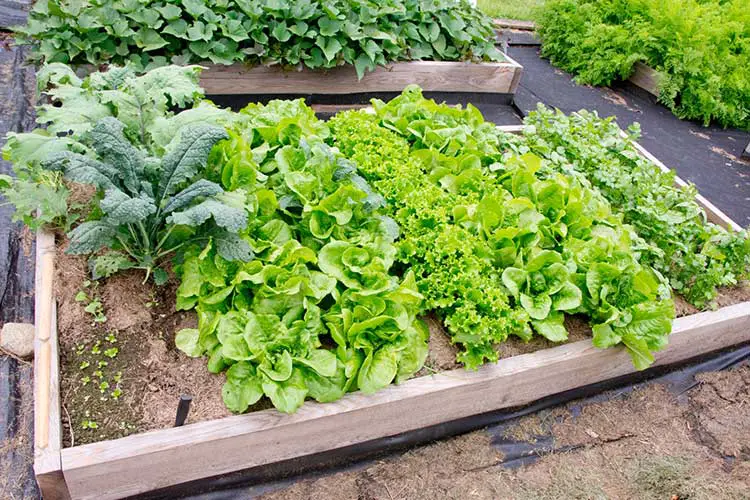
Leafy greens grow fast and do well in cool weather. They need good drainage and steady moisture in raised beds. You can harvest leaves multiple times.
- Spinach
- Kale
- Lettuce
- Swiss chard
- Arugula
Root Vegetables
Root vegetables grow underground and need loose soil. Raised beds let roots expand easily. They develop best in cooler soil temperatures.
| Vegetable | Days to Harvest | Soil Depth Needed |
| Carrots | 60-80 | 12 inches |
| Radishes | 20-30 | 6 inches |
| Beets | 50-70 | 10 inches |
| Turnips | 40-60 | 8 inches |
Brassicas
Brassicas include many cool-weather vegetables. They prefer fertile soil and steady moisture. Raised beds reduce soil compaction for better growth.
- Cabbage
- Broccoli
- Cauliflower
- Brussels sprouts
- Kohlrabi
Warm-season Vegetables
Raised garden beds warm up faster in spring. They offer good drainage and loose soil. These conditions suit many warm-season vegetables.
Choosing the right vegetables helps you get the best harvest. Focus on plants that thrive in warm weather and full sun.
Tomatoes And Peppers
Tomatoes and peppers love the heat and need plenty of sunlight. Raised beds allow roots to spread well and prevent waterlogging.
- Tomato varieties: cherry, beefsteak, Roma
- Pepper types: bell, jalapeño, cayenne
- Plant in rich soil with compost
- Water regularly but avoid wetting leaves
Cucumbers And Squash
Cucumbers and squash grow quickly in warm soil. They need space to spread or climb on trellises.
| Vegetable | Growth Habit | Sunlight | Space Needed |
|---|---|---|---|
| Cucumber | Vining, trellis preferred | Full sun | 12-18 inches apart |
| Summer Squash | Bushy | Full sun | 24-36 inches apart |
| Winter Squash | Vining | Full sun | 36-48 inches apart |
Beans And Peas
Beans and peas add nitrogen to the soil and improve its health. They grow well in raised beds with support for climbing varieties.
- Choose bush or pole varieties based on space
- Plant after the last frost date
- Use trellises for pole beans and peas
- Water consistently to avoid tough pods
Compact And Container-friendly Choices
Raised garden beds are great for small spaces. They keep plants organized and easy to manage.
Choosing vegetables that stay small or grow well in containers is important. This helps you get the most from your garden bed.
Herbs
Herbs work well in raised beds because they do not need much space. Many herbs have shallow roots and grow slowly.
Common herbs like basil, thyme, and parsley fit well in small areas. They add fresh flavors to meals and look nice in containers.
- Basil
- Thyme
- Parsley
- Chives
- Oregano
Lettuces And Salad Greens
Lettuces and salad greens grow fast and stay compact. They fit perfectly in raised beds and containers.
Leaf lettuces, arugula, and spinach are good choices. You can harvest leaves continuously without harming the plant.
- Leaf lettuce
- Arugula
- Spinach
- Baby kale
- Mesclun mix
Baby Vegetables
Baby vegetables are young crops harvested early. They take less space and grow quickly.
Try baby carrots, radishes, and peas. These plants do well in raised beds and provide fresh snacks fast.
- Baby carrots
- Radishes
- Sugar snap peas
- Baby zucchini
- Mini cucumbers
Credit: homesteadandchill.com
Crop Rotation Tips
Growing vegetables in raised garden beds helps improve soil and plant health. Crop rotation keeps soil fertile and reduces pests.
Changing crops each season stops disease build-up. It also uses nutrients better and increases harvest quality.
Group Vegetables By Family
Vegetables from the same family use similar nutrients. Planting them in the same spot causes nutrient loss and disease.
Rotate crops by family to keep soil healthy and reduce pests. This practice helps your raised bed stay productive.
- Nightshades: tomatoes, peppers, eggplants
- Legumes: beans, peas
- Brassicas: cabbage, broccoli, kale
- Root vegetables: carrots, beets, radishes
- Leafy greens: lettuce, spinach, chard
Rotate Heavy Feeders And Light Feeders
Heavy feeders use many nutrients from soil. Light feeders use fewer nutrients and help soil recover.
Plant heavy feeders like tomatoes first, then light feeders like beans in the next season. This keeps soil balanced.
- Heavy feeders: corn, tomatoes, cabbage
- Light feeders: peas, lettuce, onions
- Soil builders: beans, peas (fix nitrogen)
Plan A 3-4 Year Rotation Cycle
Use a rotation cycle of three to four years to give soil time to recover. This reduces pests and disease risks.
Move each vegetable family to a new bed every year. Avoid planting the same family in the same spot quickly.
- Year 1: Nightshades
- Year 2: Legumes
- Year 3: Brassicas
- Year 4: Root vegetables or leafy greens
Use Cover Crops Between Vegetables
Plant cover crops after harvesting vegetables. They protect soil, add nutrients, and prevent weeds.
Good cover crops include clover, rye, and vetch. These crops improve soil for the next vegetable planting.
- Clover adds nitrogen to the soil
- Rye prevents erosion and adds organic matter
- Vetch fixes nitrogen and improves soil texture
Pest And Disease Management
Pests and diseases can harm vegetables grown in raised garden beds. Managing them well keeps plants healthy and productive. Understanding common problems helps gardeners act early and protect their crops.
Using natural methods and good practices reduces damage without chemicals. This guide covers key ways to manage pests and diseases for a successful garden.
Common Pests In Raised Beds
Many insects and animals can damage vegetables in raised beds. Some pests eat leaves, while others attack roots or fruits. Knowing these pests helps you spot problems early.
- Aphids: Small insects that suck plant juices and spread disease.
- Cutworms: Larvae that cut young seedlings at the soil line.
- Slugs and snails: Mollusks that leave holes in leaves and fruits.
- Cabbage worms: Caterpillars that eat cabbage and related plants.
- Whiteflies: Tiny flying insects that weaken plants by feeding.
Preventing Disease In Raised Beds
Diseases can spread quickly in raised beds if not controlled. Good hygiene and planting choices reduce risks. Avoid overcrowding plants to improve air flow and lower disease chances.
| Practice | Effect |
| Rotate crops yearly | Prevents soil-borne diseases |
| Use disease-resistant varieties | Limits infection chances |
| Remove infected plants promptly | Stops disease spread |
| Water at soil level | Keeps leaves dry and healthy |
| Keep tools clean | Reduces cross-contamination |
Natural Pest Control Methods
Natural methods help control pests without harmful chemicals. They support a balanced garden environment and protect beneficial insects.
- Introduce ladybugs to eat aphids and other pests.
- Use neem oil sprays to repel many insects safely.
- Set up physical barriers like row covers or collars.
- Encourage birds by providing feeders or baths.
- Handpick pests off plants when possible.
Sanitation And Maintenance Tips
Keep your raised beds clean to reduce pests and diseases:
- Clear plant debris after harvest.
- Disinfect tools between uses.
- Check plants regularly for signs of trouble.
- Maintain healthy soil with compost and mulch.
Credit: savvygardening.com
Watering And Maintenance Advice
Growing vegetables in raised garden beds needs regular care. Proper watering and maintenance help plants grow strong.
Knowing how to water and care for your garden keeps vegetables healthy and productive.
Watering Frequency
Vegetables in raised beds need watering more often than those in the ground. Soil dries faster in raised beds.
Water plants deeply two to three times a week. Adjust based on weather and soil moisture.
- Check soil moisture by feeling the top inch
- Water when soil feels dry, not wet
- Morning watering reduces disease risk
Watering Techniques
Use slow, deep watering to reach roots. Avoid wetting leaves to prevent fungus.
Drip irrigation or soaker hoses work well in raised beds. They save water and target plant roots.
- Place hoses near plant bases
- Water early in the day
- Use mulch to keep moisture in soil
Soil Care And Fertilizing
Keep soil healthy by adding compost every season. This improves water retention and nutrients.
Feed vegetables with balanced fertilizer during growth. Follow package instructions for best results.
- Add compost or organic matter yearly
- Use slow-release fertilizer for steady nutrients
- Test soil pH to match vegetable needs
Weeding And Pest Control
Remove weeds often to reduce competition for water and nutrients. Weeds also hide pests.
Check plants for pests regularly. Use natural methods like handpicking or insecticidal soap if needed.
- Pull weeds by hand or hoe gently
- Inspect plants weekly for bugs
- Encourage beneficial insects like ladybugs
Pruning And Harvesting
Trim dead or yellow leaves to improve air flow. This helps prevent diseases.
Harvest vegetables regularly to encourage more growth. Pick ripe produce carefully to avoid plant damage.
- Remove unhealthy leaves promptly
- Harvest early in the day for best taste
- Use clean tools to cut vegetables
Frequently Asked Questions
What Are The Best Vegetables For Raised Beds?
Raised beds are ideal for growing carrots, lettuce, and tomatoes. These vegetables thrive due to improved soil drainage and warmth. Raised beds also prevent soil compaction, promoting healthier root systems. Choose vegetables that benefit from these conditions for the best results.
How Often Should I Water Raised Bed Vegetables?
Water raised bed vegetables consistently, about 1-2 inches per week. The soil in raised beds dries faster than ground soil. Ensure consistent moisture without overwatering. Early morning is the best time to water, reducing evaporation and ensuring plants have sufficient hydration throughout the day.
Do Raised Beds Require Special Soil?
Yes, raised beds benefit from a well-draining soil mix. Use a combination of garden soil, compost, and peat moss. This mix provides nutrients and retains moisture. Avoid heavy clay soils, which can hinder drainage and root growth. Regularly amend the soil with organic matter for optimal plant health.
Can I Grow Root Vegetables In Raised Beds?
Absolutely! Raised beds are perfect for root vegetables like carrots and radishes. The loose, well-aerated soil allows roots to grow freely. This results in straighter and healthier root crops. Ensure the soil is deep enough for the specific vegetable you are planting.
Conclusion
Growing vegetables in raised garden beds offers many benefits. Plants get better soil and good drainage. You can easily control pests and weeds. Choose vegetables that grow well in your climate. Leafy greens, tomatoes, peppers, and carrots work great. Raised beds make gardening simpler and more fun.
Start small, learn as you go, and enjoy fresh produce. Your garden will thrive with care and patience. Simple steps lead to a healthy, happy garden space. Give it a try and watch your vegetables grow strong.