
Have you ever wondered if you can put ashes in your compost bin? If you’re trying to turn kitchen scraps and yard waste into rich soil, you might be curious about what happens to the ashes from your fireplace or grill.
Adding the wrong materials can harm your compost or slow down the process. But what about ashes? Should you toss them in, or keep them out? Keep reading to find out the surprising truth and how to handle ashes safely in your composting routine.
Your garden will thank you!

Credit: www.yahoo.com
Benefits Of Adding Ashes To Compost
Adding ashes to your compost can help improve soil quality. Ashes come from burned wood or plant material.
They contain minerals that plants need to grow strong and healthy. Using ashes in compost is a natural way to recycle nutrients.
Adds Valuable Nutrients
Ashes add important minerals like calcium, potassium, and magnesium to compost. These nutrients help plants develop better roots and leaves.
These minerals are often missing in regular soil. Adding ashes helps fill the gap and makes the compost richer.
Improves Soil Ph Balance
Ashes are alkaline and help reduce soil acidity. This improves the pH balance in your garden soil.
Balanced pH allows plants to absorb nutrients better. It also supports beneficial soil organisms that help plants grow.
Enhances Compost Texture
Ashes help to lighten the compost mix. They add a crumbly texture that improves air circulation and drainage.
Good airflow helps microbes break down organic matter faster. This speeds up the composting process.
Deters Pests And Diseases
Ashes can help reduce pests like slugs and snails in your garden. Their alkaline nature also lowers the chance of some plant diseases.
Adding ashes to compost can create a healthier environment for your plants. It helps protect them naturally without chemicals.
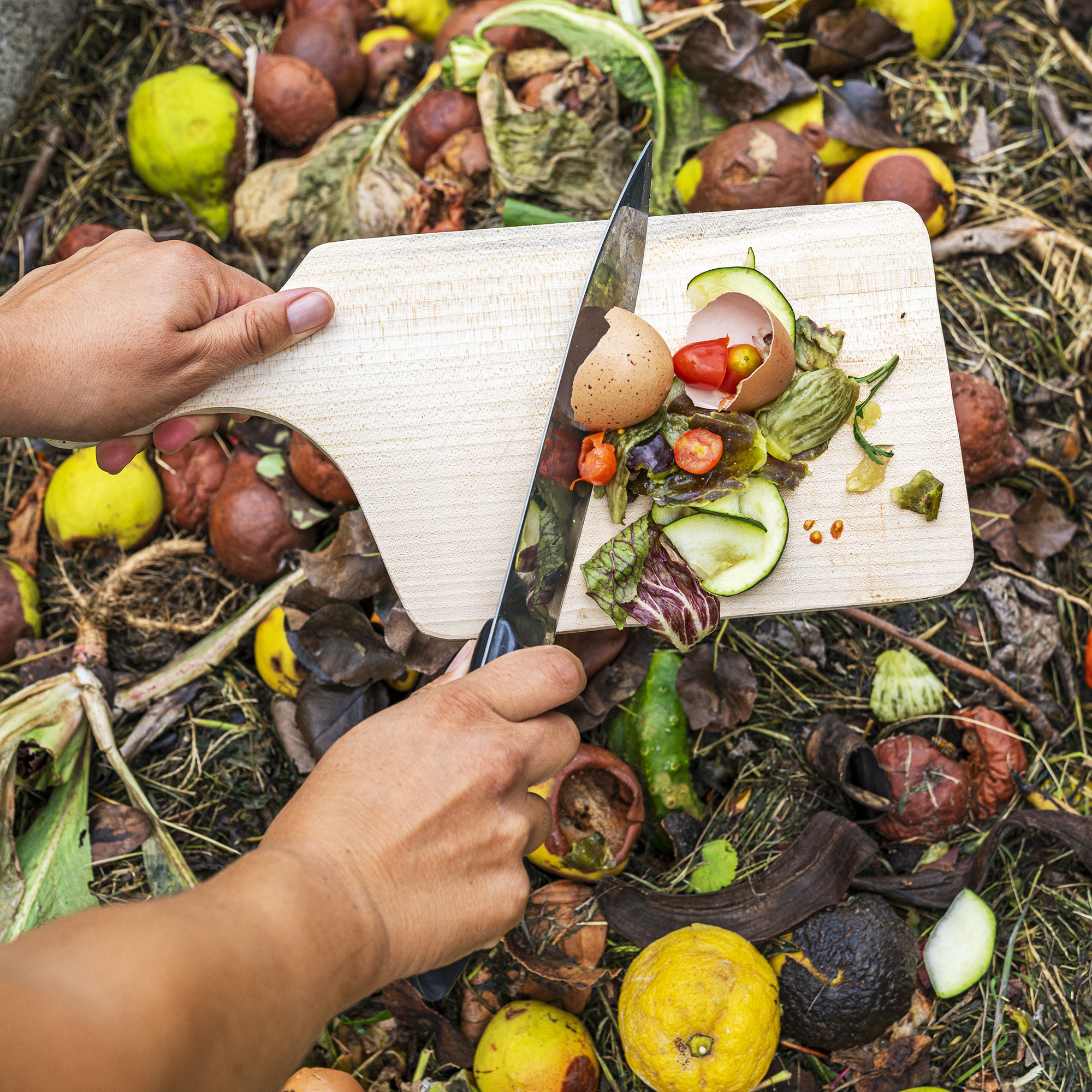
Credit: www.gardeningknowhow.com
Types Of Ashes Suitable For Compost
Adding ashes to a compost bin can help improve soil quality. Not all ashes are safe for composting. It is important to know which types are good to use.
This guide explains the kinds of ashes that work well in compost. It also tells you which ashes to avoid to keep your compost healthy.
Wood Ash
Wood ash is the best type of ash for compost. It contains minerals like calcium and potassium that plants need. It also helps raise the pH of acidic soils.
Make sure the wood ash is from clean, untreated wood. Ash from painted or treated wood may have harmful chemicals. Spread wood ash thinly and mix it well into the compost.
- Use ash from natural, untreated wood only
- Contains useful nutrients for plants
- Helps balance soil acidity
- Apply in small amounts to avoid over-alkalizing
Avoiding Coal And Charcoal Ash
Coal and charcoal ashes are not good for compost. They can contain chemicals and heavy metals. These substances may harm plants and soil life.
Do not add ashes from coal or charcoal briquettes. They often have additives that are toxic. Using these ashes can spoil your compost and garden soil.
- Coal ash may contain toxic heavy metals
- Charcoal ash can have harmful additives
- Avoid using these ashes in compost bins
- Stick to natural wood ash for safety
How Ashes Affect Soil And Plants
Adding ashes to a compost bin can change the soil and plant growth. Ashes come from burned wood or plant material. They contain minerals that plants need.
It is important to know how ashes affect soil health. They can change soil pH and add nutrients. This can be good or bad for plants.
Ph Balance Impact
Ashes are usually alkaline, which means they raise soil pH. This makes the soil less acidic. Some plants like this, but others do not.
If you add too much ash, the soil can become too alkaline. This can stop plants from absorbing nutrients well. It is best to add ashes in small amounts.
- Ashes increase soil pH (reduce acidity)
- Too much ash can make soil too alkaline
- Some plants prefer slightly acidic soil
- Test soil pH before adding ashes
Nutrient Contributions
Ashes add important nutrients like calcium, potassium, and magnesium. These help plants grow strong and healthy. Ashes do not add nitrogen.
Using ashes can improve soil fertility if mixed well. Avoid using ashes from treated wood or charcoal with chemicals.
- Calcium helps build cell walls
- Potassium supports root and flower growth
- Magnesium aids in photosynthesis
- No nitrogen in ashes, so add other sources
- Avoid ashes with chemicals or additives
Safe Ways To Add Ashes To Compost
Adding ashes to your compost can improve soil quality if done right. Ashes contain valuable minerals like potassium and calcium. But using too much or adding them incorrectly can harm your compost.
Learn safe methods to add ashes so your compost stays healthy and balanced. Follow these simple tips for best results.
Proper Quantity
Use ashes in small amounts to avoid raising the pH level too much. Too many ashes can make your compost too alkaline, harming plants.
- Limit ashes to about 5% of your total compost volume.
- Do not add ashes daily; spread them out over several weeks.
- Keep ashes dry before adding to prevent clumping.
- Mix ashes with other compost materials like leaves or food scraps.
Mixing Techniques
Mix ashes well into your compost pile to help them break down evenly. Avoid leaving ashes on top where wind can blow them away.
| Mixing Method | Description | Benefit |
|---|---|---|
| Layering | Add ashes between layers of green and brown compost materials. | Prevents ash clumps and balances pH. |
| Turning | Turn compost regularly after adding ashes. | Helps ashes mix well and speeds up decomposition. |
| Moisture Control | Keep compost moist but not wet after adding ashes. | Improves breakdown and prevents ash dust. |
Potential Risks Of Using Ashes In Compost
Adding ashes to compost seems natural. Ashes come from burned wood or plants. They can add minerals to soil. But ashes also have risks. These risks affect plant health and soil quality.
Understanding these risks helps gardeners avoid problems. Two main concerns with ashes are toxicity and soil pH changes. Both can harm your compost and garden.
Toxicity Concerns
Ashes may contain toxic substances. These come from burned materials like treated wood or trash. Toxic elements can harm microbes in compost. They can also affect plants when compost is used.
- Heavy metals like lead and cadmium may be present.
- These metals do not break down in compost.
- They can build up in soil and enter plants.
- High toxin levels reduce beneficial microbes in compost.
- Using only clean wood ashes reduces risk.
Overalkalizing Soil
Ashes are very alkaline. Adding too much raises soil pH too high. This change can stop plants from absorbing nutrients. Compost with too many ashes can harm plant growth.
| Effect | Cause | Result |
|---|---|---|
| High soil pH | Excess ash in compost | Plants cannot take up iron and zinc |
| Reduced nutrient availability | Alkaline soil environment | Plant growth slows or stops |
| Soil microbe imbalance | Changes in soil chemistry | Compost breaks down slower |
Alternatives To Composting Ashes
Ashes from wood or charcoal do not break down well in compost. Adding ashes can change the compost’s pH and harm helpful microbes. There are better ways to use or dispose of ashes safely.
Below are some practical alternatives to composting ashes. These options help you use ashes wisely or dispose of them without harming the environment.
Using Ash As Garden Fertilizer
Wood ash contains nutrients like potassium, calcium, and magnesium. These help plants grow strong and healthy. You can use ashes in your garden as a natural fertilizer.
Sprinkle ashes lightly on soil or mix them in. Avoid using too much ash because it can raise soil pH too high. Ash works best for gardens that like less acidic soil.
- Use ash on vegetable gardens, flower beds, or lawns
- Do not apply ash near acid-loving plants like blueberries
- Wear gloves to protect your skin when handling ash
- Store ashes in a dry place before use
Disposal Methods
If you do not want to use ashes in the garden, dispose of them carefully. Wet the ashes to avoid dust and put them in a metal container. Do not mix ashes with regular trash if local rules forbid it.
Some communities have special drop-off points for ashes or yard waste. Check local guidelines for safe disposal. Avoid throwing ashes directly into water or drains to protect the environment.
- Dampen ashes before disposal to prevent dust
- Use a metal container to store ashes safely
- Follow local rules for ash disposal
- Do not dump ashes in water or storm drains
- Consider recycling ashes at yard waste centers
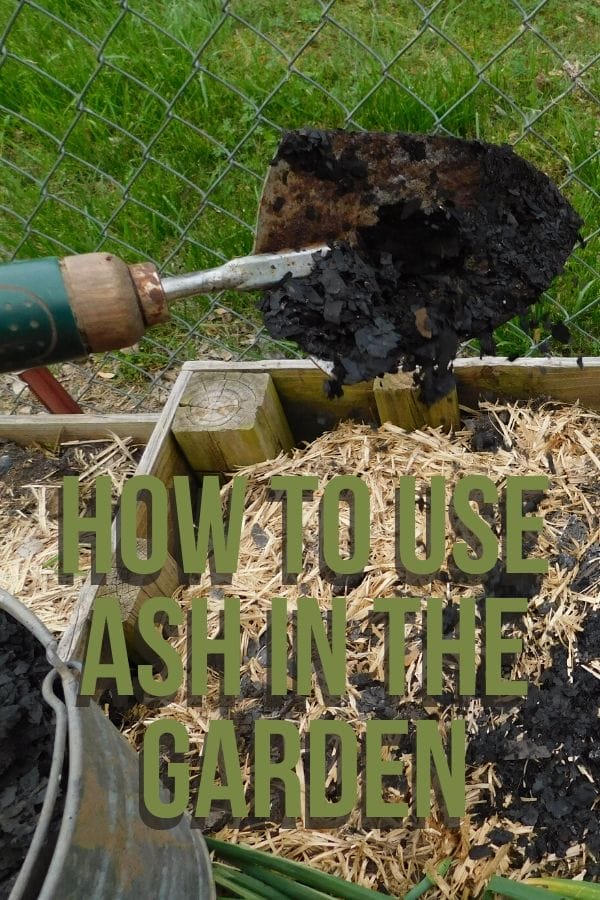
Credit: littlesproutslearning.co
Frequently Asked Questions
Can Wood Ashes Be Composted?
Yes, wood ashes can be added to compost. They add valuable nutrients like potassium and calcium. However, use them sparingly. Excessive ash can alter the pH balance, making it too alkaline. Always mix ashes well with other compost materials for best results.
Do Ashes Improve Compost Quality?
Ashes improve compost quality by adding essential nutrients and minerals. They help balance the compost’s pH levels. Use them in moderation to avoid making the compost too alkaline. Properly mixed, ashes can enhance the overall quality of your compost.
How Much Ash Should I Add To Compost?
Add ash to compost in small amounts. A thin layer every few weeks is ideal. Avoid using large quantities to prevent an overly alkaline environment. Always mix thoroughly with other compost materials to ensure even distribution.
Are All Ashes Suitable For Compost?
Not all ashes are suitable for composting. Only use ash from untreated wood. Avoid ashes from coal, barbecue briquettes, or painted wood. These can contain harmful chemicals. Stick to natural wood ashes for safe composting.
Conclusion
Ashes can be a useful addition to your compost bin if used carefully. They add valuable minerals but should be dry and in small amounts. Avoid using ashes from treated or painted wood to keep compost healthy. Mixing ashes well with other materials helps balance soil acidity.
Watch your compost’s pH to protect plants. With simple care, ashes can improve your garden’s soil naturally and safely. Try adding ashes sparingly and see the difference in your compost’s quality. Composting is a great way to recycle and nourish your garden.