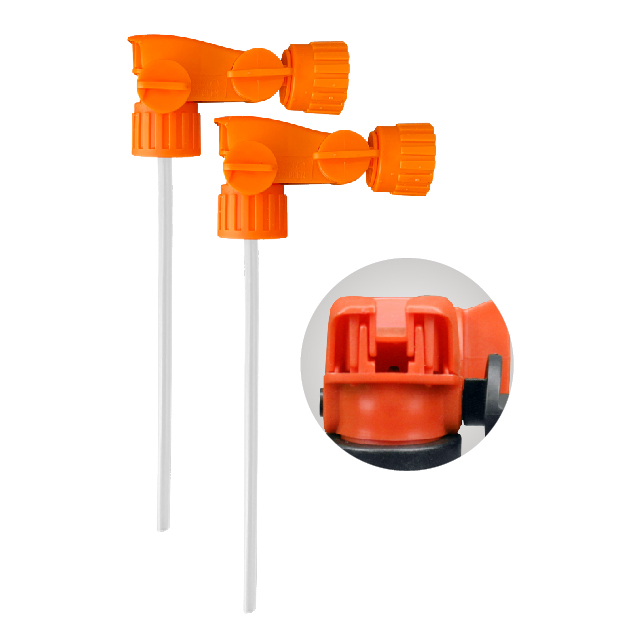
Have you ever wondered how hose end sprayers make watering your garden or applying fertilizer so simple? If you’re looking for an easy way to cover large areas without the hassle of mixing chemicals by hand, understanding how these devices work can save you time and effort.
You’ll discover the clever mechanism behind hose end sprayers and how they turn ordinary water into a powerful tool for your plants. Keep reading to unlock the secrets that will make your gardening tasks faster and more efficient.
Basic Hose End Sprayer Design
A hose end sprayer attaches to a garden hose to mix chemicals with water. It helps spray fertilizers, weed killers, and insecticides evenly.
The sprayer uses water pressure to draw the chemical into the water stream. It mixes them before spraying on plants or surfaces.
Key Components
Hose end sprayers have several parts that work together to mix and spray liquids. Each part has a specific role.
- Hose connector:attaches the sprayer to the garden hose securely.
- Chemical container:holds the liquid to be mixed with water.
- Inlet valve:controls water flow into the sprayer.
- Mixing chamber:where water and chemical combine.
- Nozzle:sprays the mixed solution evenly.
- Control knob or trigger:adjusts the spray pattern and flow.
These parts work together to ensure the right mix and spray pressure.
Materials Used
Manufacturers use different materials to make hose end sprayers strong and long-lasting.
- Plastic:lightweight and resists corrosion from chemicals.
- Rubber:used for seals and gaskets to prevent leaks.
- Metal parts:sometimes used in nozzles for durability.
- Foam or mesh filters:keep debris from entering the sprayer.
These materials help the sprayer work well outside and last through regular use.

Credit: www.reddit.com
Mechanism Of Operation
Hose end sprayers help apply liquids like fertilizers or pesticides evenly. They attach to a garden hose and mix the chemical with water automatically. Understanding how they work helps you use them properly and safely.
The mechanism inside the sprayer controls the flow and mixing of liquids. It uses water pressure to activate the spray and adjust the concentration of the solution.
Water Flow Activation
The sprayer starts working when water flows through the hose. Water pressure pushes a valve or piston inside the sprayer. This action opens the mixing chamber and allows the chemical to enter the water stream.
Mixing Process
The chemical mixes with water inside a chamber or tube. A venturi effect or small pump draws the chemical from the container. The water then carries the mixed solution out through the nozzle.
- Water flows into the sprayer
- The valve opens to let chemical in
- Water and chemical mix in the chamber
- The solution moves to the nozzle
- The solution sprays out evenly
Spray Adjustment
| Adjustment Type | Function | Effect on Spray |
|---|---|---|
| Flow Control | Changes water volume | Controls spray strength |
| Concentration Dial | Sets chemical mix ratio | Adjusts solution strength |
| Nozzle Setting | Alters spray pattern | Changes spray width or focus |
Users can adjust different parts of the sprayer to get the right spray pattern and chemical concentration. This helps cover plants evenly and avoid waste.
Types Of Hose End Sprayers
Hose end sprayers help you apply liquids like fertilizers and pesticides easily. They attach to your garden hose and spray mixtures evenly.
There are different types of hose end sprayers. Each type has its own way of working and suits different needs.
Handheld Models
Handheld models are small and easy to use. You hold the sprayer in your hand while watering or spraying plants. They mix the liquid as water flows through the sprayer.
- Lightweight and portable
- Works well for small gardens
- Mix ratio is often adjustable
- Requires manual control of spray
Tank-attached Models
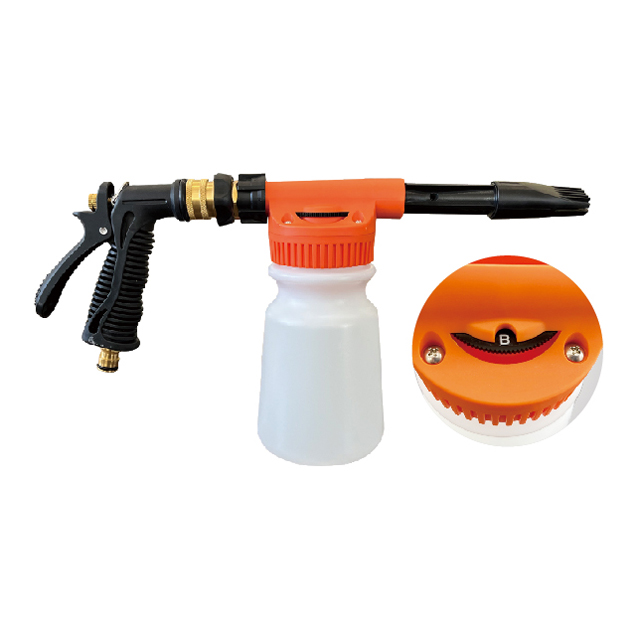
Tank-attached models have a small tank that holds the chemical or fertilizer. The tank connects directly to the hose. Water flowing through pulls the liquid from the tank and sprays it out.
| Feature | Description |
|---|---|
| Tank Size | Small to medium, holds ready-to-use solution |
| Mixing | Pre-mixed or concentrate added to tank |
| Use | Good for medium-sized areas |
| Control | Some models allow spray pattern adjustment |
Battery-powered Variants
Battery-powered sprayers use a motor to pump and spray the liquid. They do not rely on water pressure from the hose. This type gives a steady spray and less effort from the user.
- Runs on rechargeable batteries
- Offers consistent spray pressure
- Good for large gardens or uneven terrain
- Heavier than other types
Credit: www.ilotchina.com
Choosing The Right Sprayer
Hose end sprayers help you apply liquids like fertilizers and pesticides easily. Picking the right sprayer makes the job faster and safer.
Each sprayer works best for certain tasks. You should think about your needs before buying one.
Application Needs
Choose a sprayer based on what you want to spray and how much area you need to cover. Some sprayers work well for small gardens, while others suit large lawns.
Also, consider the spray pattern and control. You might want a sprayer with adjustable settings for different jobs.
- Small sprayers for spot treatments
- Larger tanks for wide areas
- Adjustable nozzles for spray type
Chemical Compatibility
Check if the sprayer materials can handle the chemicals you plan to use. Some chemicals may damage plastic parts or seals.
Look for sprayers labeled safe for fertilizers, herbicides, or insecticides. Using the wrong sprayer can cause leaks or failures.
- Choose chemical-resistant materials
- Avoid sprayers not rated for your products
- Clean sprayer after each use
Durability Factors
Pick a sprayer made from strong materials that last through frequent use. Metal parts often last longer than plastic ones.
Consider the sprayer’s build quality and warranty. A durable sprayer saves money by needing fewer repairs.
- Look for corrosion-resistant parts
- Choose sturdy hose connections
- Check for warranty and brand reputation
Maintenance Tips
Hose end sprayers need care to work well and last long. Simple maintenance keeps them ready for use.
Follow these tips to clean, store, and fix common problems with your sprayer.
Cleaning Procedures
Cleaning your hose end sprayer after each use stops clogs and damage. Use clean water to flush out any leftover chemicals.
Remove the nozzle and rinse it well. Check the filter and clean it if needed to keep water flowing smoothly.
- Flush sprayer with water until clear
- Clean nozzle and filter parts gently
- Dry all parts before storing
Storage Advice
Store your sprayer in a dry place to prevent rust and damage. Keep it away from direct sunlight and freezing temperatures.
Disconnect it from the hose and remove any leftover liquid before storage. This keeps the sprayer ready for the next use.
- Keep sprayer indoors or in shaded area
- Remove and empty sprayer after use
- Store parts separately if possible
Troubleshooting Common Issues
If your sprayer does not spray properly, check for clogs or leaks first. Clean the nozzle and filter to fix most problems.
Make sure the hose is connected tightly. If the sprayer drips or sprays unevenly, replace worn parts or seals.
- Check nozzle and filter for blockages
- Tighten hose connections
- Replace seals if leaking
- Clean parts regularly to avoid issues
Credit: www.ilotchina.com
Safety Precautions
Using hose end sprayers requires care to avoid accidents. Safety precautions help protect you and others.
Learn how to handle chemicals safely and what protective gear to wear for best safety.
Handling Chemicals Safely
Always read the chemical label before use. Follow the instructions carefully to avoid harm.
Mix chemicals in a well-ventilated area. Avoid breathing fumes or allowing chemicals on your skin.
- Use only the recommended amount of chemical.
- Do not mix different chemicals unless stated safe.
- Keep chemicals away from children and pets.
- Store chemicals in a cool, dry place with labels visible.
- Clean sprayer parts after each use to prevent buildup.
Protective Gear Recommendations
Wear protective gear to stop chemicals from touching your skin or eyes. Safety gear also stops inhaling sprays.
Choose gear that fits well and covers your body fully. Replace any damaged gear before use.
- Gloves made from chemical-resistant materials
- Long-sleeved shirts and long pants
- Safety goggles to protect your eyes
- Closed-toe shoes or boots
- Face mask or respirator if sprays create dust or fumes
Benefits Of Hose End Sprayers
Hose end sprayers help apply liquids like fertilizers and pesticides easily. They attach to your garden hose and mix the solution as you spray.
These tools save time and make gardening tasks less messy. Many gardeners find them very useful for regular yard care.
Time Efficiency
Hose end sprayers let you cover large areas quickly. They mix and spray at the same time, so you do not need to prepare the solution separately.
This tool reduces the number of trips you take to refill or carry containers. It also speeds up the spraying process, letting you finish work faster.
Ease Of Use
Hose end sprayers are simple to set up and operate. Most models just twist onto your hose and let you adjust the spray pattern easily.
- No mixing needed before use
- Adjust spray settings for different plants
- Lightweight and easy to hold
- Quick to connect and disconnect
Cost-effectiveness
| Benefit | Explanation |
| Less Waste | Mixes chemicals precisely, reducing excess use |
| Reduces Labor | Speeds up spraying, cutting down work time |
| Durable | Made from strong materials to last long |
| Affordable | Costs less than many other spraying tools |
Common Mistakes To Avoid
Hose end sprayers make mixing and applying chemicals easy. Avoid mistakes to keep them working well.
Some errors can cause poor spraying or damage the sprayer. Learn what to watch for.
Incorrect Mixing Ratios
Using the wrong chemical-to-water ratio can harm plants or reduce effectiveness. Always follow label instructions.
- Measure chemicals carefully before adding them to the sprayer.
- Use clean water for mixing to avoid reactions.
- Mix only the amount you need to prevent waste.
- Double-check ratios if you switch chemicals.
Improper Connection
Wrong hose or sprayer connections cause leaks and poor spray patterns. Check all fittings before use.
| Problem | Cause | Solution |
| Leaking at hose end | Loose or damaged washer | Replace washer and tighten connection |
| Sprayer not drawing chemical | Incorrect hose attachment | Attach hose to correct sprayer inlet |
| Uneven spray | Clogged nozzle or loose parts | Clean nozzle and secure all parts |
Neglecting Maintenance
Skipping cleaning and upkeep shortens sprayer life. Keep parts clean and store properly.
- Rinse sprayer with clean water after each use.
- Check for cracks or worn seals regularly.
- Store sprayer in a dry place away from sunlight.
- Lubricate moving parts to prevent rust.
Frequently Asked Questions
What Is A Hose End Sprayer?
A hose end sprayer is a garden tool that attaches to your hose. It mixes water with a chemical concentrate. This allows for easy application of fertilizers, pesticides, or other treatments. It is ideal for covering large garden areas quickly and efficiently.
How Do You Use A Hose End Sprayer?
To use a hose end sprayer, attach it to your garden hose. Fill the sprayer’s container with your desired concentrate. Adjust the settings for the correct dilution rate. Turn on the water and spray the desired area. Ensure even coverage for the best results.
Can You Adjust Hose End Sprayer Settings?
Yes, most hose end sprayers have adjustable settings. These settings control the dilution rate of the solution. You can select the desired concentration based on your needs. This flexibility allows for tailored application, ensuring optimal results for different garden treatments.
Are Hose End Sprayers Suitable For Large Areas?
Hose end sprayers are perfect for large areas. They allow for even distribution of treatments over wide spaces. The sprayer’s reach depends on water pressure and spray settings. This makes them efficient for treating lawns, gardens, and other expansive areas.
Conclusion
Hose end sprayers mix water and chemicals easily. They save time and effort in gardening or cleaning. Just attach to your hose, turn on water, and spray. No need to measure chemicals separately. The sprayer controls how much liquid comes out.
This helps you use the right amount every time. Understanding how they work makes your tasks simpler. Try one to see how it helps you. Simple tools can make big jobs easier.