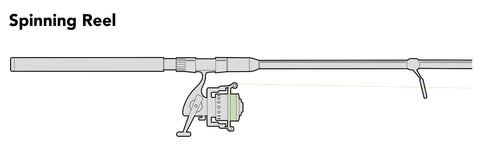
Tying your fishing line onto a spinning reel might seem tricky at first, but once you know the right steps, it becomes quick and easy. Getting this part right can make a big difference in how smoothly you fish and how well your line holds up.
If you want to avoid frustrating tangles and lost catches, you’re in the right place. Keep reading, and you’ll learn a simple, foolproof way to tie your line so you can spend more time fishing and less time fixing knots.

Credit: www.youtube.com
Choosing The Right Line
Picking the right fishing line is important for a good fishing experience. The line affects how well you cast and catch fish.
This guide covers the types of fishing lines, their strength and thickness, and which lines work best with spinning reels.
Types Of Fishing Line
There are three main types of fishing lines. Each type has its own benefits and uses.
- Monofilament:This is a single strand of nylon. It is flexible and easy to handle.
- Fluorocarbon:This line is nearly invisible underwater. It is good for clear water fishing.
- Braid:Made of woven fibers, braid is very strong and thin. It has no stretch.
Line Strength And Thickness
Choosing the right strength and thickness of line depends on the fish you want to catch. Stronger lines hold bigger fish.
| Line Type | Common Strength (lbs) | Thickness (inches) |
| Monofilament | 6 – 12 | 0.012 – 0.018 |
| Fluorocarbon | 8 – 15 | 0.011 – 0.016 |
| Braid | 10 – 30 | 0.006 – 0.020 |
Line Compatibility With Spinning Reels
Not all lines work well on spinning reels. Choose lines that spool smoothly and reduce tangles.
- Monofilament is easy to cast and works well on most spinning reels.
- Fluorocarbon can be stiff; use it as a leader or with a backing line.
- Braid has no stretch and needs a good spool tension to avoid backlash.

Credit: www.youtube.com
Preparing The Spinning Reel
Before tying a fishing line onto your spinning reel, you need to prepare the reel. Proper preparation helps the line hold tight and last longer.
Start by checking the reel for any old line or damage. Then adjust the drag system to suit your fishing style.
Removing Old Line
Remove all old fishing line from the spool before adding a new one. This avoids tangles and ensures smooth casting.
- Open the bail arm fully.
- Pull the old line off the spool carefully.
- Discard the old line safely to avoid littering.
- Inspect the spool for dirt or debris and clean it if needed.
Inspecting The Reel Components
Check the reel parts for wear or damage. A well-maintained reel works better and lasts longer.
| Component | What to Check |
| Spool | Look for cracks or dents |
| Bail Arm | Ensure it moves smoothly and locks in place |
| Handle | Test for smooth turning without wobble |
| Drag Knob | Check that it adjusts resistance easily |
Setting The Drag System
The drag system controls the tension on your line. Set it right to avoid line breaks during fishing.
- Turn the drag knob clockwise to increase tension.
- Turn it counterclockwise to decrease tension.
- Adjust so the drag feels firm but allows line to pull under pressure.
- Test by pulling the line with your hand to feel the resistance.
Attaching The Line
Attaching the fishing line to a spinning reel is an important skill for fishing. It helps you cast smoothly and catch fish easily.
This guide shows how to attach the line correctly. Follow the steps below to ensure your line is secure and ready.
Threading The Line Through Guides
Start by unspooling some fishing line from your spool. Hold the line and pass it through the rod guides.
Begin from the tip of the rod and work down to the reel. Make sure the line goes through each guide smoothly.
- Hold the rod firmly.
- Pass the line through the top guide first.
- Continue threading through each guide down to the reel.
- Avoid twisting the line as you thread.
Making The Arbor Knot
The arbor knot is the best knot to tie the line to the reel spool. It keeps the line tight and secure.
To make the knot, wrap the line around the reel’s arbor. Then tie an overhand knot with the tag end.
- Wrap the line once around the spool.
- Tie an overhand knot near the spool.
- Tie a second overhand knot on the tag end.
- Pull both knots tight against the spool.
Securing The Knot Properly
After making the arbor knot, tighten it well to avoid slipping. Use steady pulls to secure the line.
Trim the tag end close to the knot. Check the knot by pulling hard before you start fishing.
- Pull the main line and tag end firmly.
- Make sure the knot stays tight.
- Cut the extra line near the knot.
- Wind the line slowly onto the reel spool.

Credit: n1outdoors.com
Spooling The Line
Spooling the line onto a spinning reel is important for smooth fishing. It helps the line stay strong and ready for casting.
Proper spooling keeps the line from tangling and twisting. This guide shows how to spool the line correctly.
Maintaining Line Tension
Keep the line tight while spooling to avoid loose loops. Loose line can cause tangles and knots.
Hold the line between your fingers or use a cloth to add gentle pressure. This helps keep the line firm on the spool.
Filling The Spool Evenly
Spread the line evenly across the spool as you wind it. Uneven filling causes line to bunch up or slip off.
Move the line guide back and forth slowly to cover the whole spool surface. Stop when the spool is almost full.
Avoiding Line Twists And Tangles
Line twists make casting harder and cause snags. To avoid twists, let the line come off the spool smoothly.
Attach the line to the spool correctly and check that the reel handle turns in the right direction. This keeps the line straight.
- Use a swivel to reduce twists if needed
- Do not let the line loop or cross over during spooling
- Check line condition often for tangles
Finishing Touches
Tying your fishing line onto a spinning reel is almost done. The last steps ensure your setup works well on the water.
Pay close attention to how you finish the line and check everything carefully before casting out.
Trimming Excess Line
Cut off the extra fishing line close to the knot. Leaving too much line can cause tangles and weaken your setup.
- Use sharp scissors or clippers for a clean cut.
- Leave about 1/8 inch of line beyond the knot for security.
- Avoid cutting too close to prevent the knot from slipping.
Checking Line Placement
Make sure the line sits correctly on the reel spool. Proper placement helps smooth casting and prevents line damage.
| Check Point | What to Look For |
| Line Wrap | Line should be evenly wound without overlapping. |
| Line Tension | Line must be snug but not too tight on the spool. |
| Spool Direction | Line should spool in the same direction as the reel’s rotation. |
Testing The Setup Before Fishing
Test your reel and line to ensure they work well together before you go fishing.
- Pull the line gently to check knot strength.
- Turn the reel handle to feel the line release smoothly.
- Make a few practice casts in an open area.
- Look for any snags or line twists during casting and reeling.
Common Mistakes To Avoid
Tying fishing line onto a spinning reel seems easy but can go wrong. Avoiding common mistakes saves time and frustration on the water.
Below are some key errors to watch for. Fixing these helps your fishing line hold better and last longer.
Overfilling The Spool
Putting too much line on the spool causes tangles and line breakage. It also makes casting harder and less accurate.
- Leave about 1/8 inch of space from the spool edge.
- Do not stretch line too tight when filling the spool.
- Check line capacity marked on the reel spool.
Loose Knots
A loose knot can slip and cause you to lose your catch. Tying the knot tightly and trimming the tag end keeps the line secure.
Follow these tips for strong knots:
- Moisten the line before tightening the knot.
- Pull the knot slowly and firmly.
- Trim excess line close to the knot.
Ignoring Line Compatibility
Not all fishing lines fit well with every spinning reel. Using the wrong type or weight harms reel performance and line life.
| Line Type | Recommended Reel Use |
| Monofilament | Beginners, general fishing |
| Fluorocarbon | Clear water, stealth fishing |
| Braid | Heavy cover, long casts |
Frequently Asked Questions
How Do I Start Tying Fishing Line On A Spinning Reel?
Begin by threading the line through the reel’s bail arm. Tie a secure knot, like an arbor knot, to the spool. Make sure the knot is tight and trim excess line to avoid tangles.
What Is The Best Knot For A Spinning Reel?
The arbor knot is the most reliable for attaching line to a spinning reel. It’s simple, strong, and prevents slippage. This knot ensures your line stays firmly tied during casting and reeling.
How Much Fishing Line Should I Spool On A Spinning Reel?
Fill the reel spool to about 1/8 inch below the rim. This amount prevents overfilling, which can cause tangles and line slippage. It also allows smooth casting and proper line retrieval.
Can I Use Any Fishing Line On A Spinning Reel?
Most spinning reels work with monofilament, fluorocarbon, or braided lines. Choose the line type based on your fishing needs and reel specifications. Always check the reel’s line capacity and strength limits.
Conclusion
Tying fishing line onto a spinning reel is easy with practice. Follow the steps carefully and you’ll succeed. Remember to secure the knot tightly. This helps prevent line slippage. Always check your line for any twists. A smooth line ensures better casting.
With patience, you’ll improve over time. Enjoy your fishing trips more with these skills. Catching fish will become easier. Share this guide with fellow anglers. They will appreciate your help. Happy fishing, and tight lines!