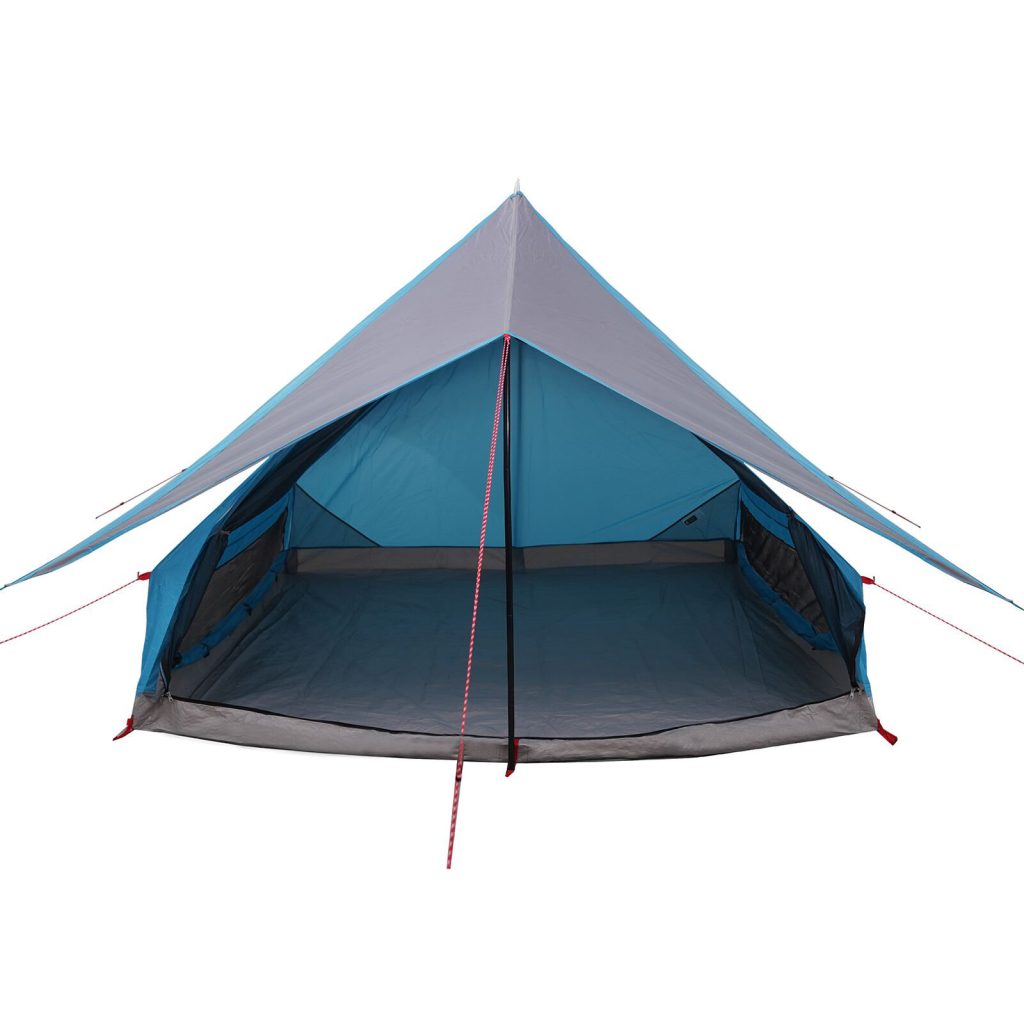
Looking for the perfect shelter for your next outdoor adventure? An A-Frame tent might be exactly what you need.
It’s simple, sturdy, and easy to set up—giving you more time to enjoy nature and less time wrestling with complicated gear. Whether you’re a seasoned camper or just starting out, understanding the benefits of an A-Frame tent can make your trips more comfortable and hassle-free.
Keep reading to discover why this classic tent design could be your new best friend on every camping trip.
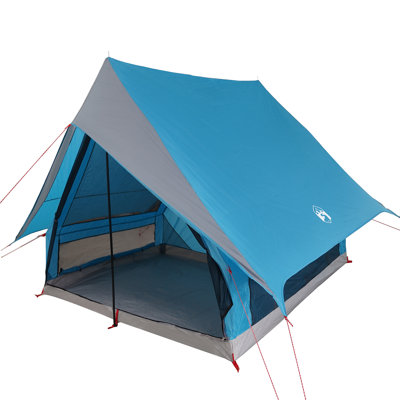
Credit: www.wayfair.ca
Benefits Of A-frame Tents
A-frame tents are a popular choice for camping and outdoor activities. They have a simple design that offers many advantages. These tents are easy to set up and provide good protection from the weather.
Many campers prefer A-frame tents because of their lightweight structure and durability. They work well in different conditions and are great for beginners and experienced campers alike.
Easy To Set Up
A-frame tents have a simple shape with two poles forming a triangle. This design makes them very easy to pitch. You can set them up quickly even if you are new to camping.
Because of their straightforward design, you need fewer parts. This reduces the chance of errors during setup and saves time at the campsite.
Lightweight And Portable
These tents are usually made from lightweight materials. Their simple frame keeps the weight low. This makes them easy to carry on hikes or bike trips.
The compact size of A-frame tents allows them to fit into small bags. Campers can pack them without adding much weight to their gear.
Good Weather Protection
The sloped sides of A-frame tents help rain and snow slide off easily. This reduces the risk of water pooling on the roof. The tent stays dry inside, even in wet weather.
Strong wind can also pass over the tent without much resistance. The shape keeps the tent stable and secure during storms.
Durable And Long Lasting
A-frame tents use sturdy materials like canvas or nylon. The simple design means fewer parts can break. With proper care, these tents last for many years.
The strong poles and fabric resist tears and damage from rough use. This makes A-frame tents a good investment for regular campers.
Good Ventilation
A-frame tents often have vents or windows near the top. This design helps air flow inside the tent. It reduces condensation and keeps the inside fresh.
Proper ventilation makes sleeping more comfortable. It also prevents dampness that can damage the tent fabric.

Credit: www.ebay.ca
Key Features To Look For
A-frame tents are popular for camping trips. They offer simple design and sturdy structure. Choosing the right tent means checking key features carefully.
This guide covers important features to help you pick the best a-frame tent for your needs.
Material And Durability
Look for strong, weather-resistant fabric. Common materials include polyester and nylon. Check if the fabric has a waterproof coating to keep you dry.
Durable poles made from aluminum or fiberglass add stability. The tent should stand firm in wind and rain.
Size And Capacity
Choose a tent size based on the number of people and gear. A-frame tents come in various sizes, from small two-person models to larger family tents.
| Capacity | Recommended Use |
| 1-2 persons | Solo camping or couples |
| 3-4 persons | Small groups or families |
| 5+ persons | Large groups or extended trips |
Ease Of Setup
Check how easy the tent is to assemble. A-frame tents usually have a simple pole structure. Quick setup saves time and effort, especially in bad weather.
- Look for color-coded poles and clips
- Check if the tent includes clear instructions
- Practice setup before your trip
Ventilation And Weather Protection
Good airflow prevents condensation inside the tent. Look for mesh windows or vents. A rainfly helps protect against rain and wind.
Check if the tent floor is waterproof and if seams are sealed. This keeps moisture out during wet conditions.
Weight And Portability
Consider the tent’s weight if you plan to carry it on hikes. Lightweight tents are easier to transport but may cost more.
Look for compact designs and a carrying bag to make travel easier.
Material Choices
A-frame tents come in many materials. Choosing the right one helps with comfort and durability.
Material affects weight, weather resistance, and how long the tent lasts.
Canvas Tents
Canvas is a heavy, natural fabric. It is strong and lasts for many years.
Canvas tents breathe well and stay cool in hot weather. They also keep water out when treated.
- Durable and tough
- Good air flow
- Water-resistant when coated
- Heavier and bulkier
Nylon And Polyester Options
Nylon and polyester are light synthetic fabrics. They dry fast and resist mildew.
These materials work well for backpacking tents because they are easy to carry.
- Lightweight and packable
- Strong and resistant to tearing
- Waterproof with coatings
- Less breathable than canvas
Size And Capacity Considerations
Choosing the right size for an A-frame tent is important for comfort and use. The size affects how many people can sleep inside and how much gear fits.
Understanding capacity helps you pick a tent that meets your needs. This guide covers key size and capacity points to consider.
Understanding Tent Dimensions
A-frame tents have simple shapes but vary in length, width, and height. These dimensions affect the living space inside.
Look at both floor area and peak height. More floor space means room for sleeping and gear. Taller peak height adds comfort for sitting.
Capacity Ratings
Tent capacity shows how many people can fit inside. It usually counts people sleeping side by side.
- Two-person tents fit two sleepers comfortably.
- Three-person tents offer extra space for gear.
- Four-person tents are good for small families.
Remember, capacity ratings do not always include gear space. Choose a larger tent if you carry a lot of equipment.
Sleeping Space Needs
Each sleeper needs about 20 to 25 square feet of floor space. This gives enough room to lie down and store personal items.
| Number of Sleepers | Recommended Floor Space (sq ft) |
| 1 | 20-25 |
| 2 | 40-50 |
| 3 | 60-75 |
| 4 | 80-100 |
Consider Gear Storage
Think about where to keep backpacks, shoes, and other gear. Some A-frame tents have vestibules or extra space for storage.
Setting Up An A-frame Tent
Setting up an A-frame tent can make your camping trip more comfortable. It is simple to do with the right steps and tools. This guide will help you set up your tent correctly.
We will cover how to choose the best location and the step-by-step process to pitch your A-frame tent. Follow these tips for a safe and stable shelter.
Choosing The Right Location
Select a flat area that is free of rocks and sticks. Avoid low spots where water can collect if it rains. Look for a place with some natural shade if possible.
- Pick a level ground to keep the tent stable.
- Clear the area of sharp objects and debris.
- Avoid setting up near cliffs or steep slopes.
- Check for overhead hazards like dead branches.
- Consider the direction of the wind to place the tent door.
Step-by-step Setup Guide
Follow these steps to set up your A-frame tent quickly and correctly. Make sure you have all tent parts and tools ready before you start.
- Lay out the tent footprint or tarp on the chosen spot.
- Unfold the tent body and spread it over the footprint.
- Insert the main poles into the tent sleeves or clips.
- Raise the poles to form the A-shape frame.
- Secure the tent corners with stakes driven into the ground.
- Tighten the guy lines to keep the tent taut and stable.
- Attach the rainfly if your tent has one, and stake it down.
Weather Resistance And Durability
A-frame tents are built to handle tough weather conditions. They last long and protect you well.
The design and materials make these tents strong against rain, wind, and sun.
Wind And Rain Protection
A-frame tents have a sloped shape that helps wind pass over easily. This lowers the chance of the tent blowing away.
The strong fabric keeps rain from getting inside. Sealed seams stop water leaks during heavy rain.
- Sloped walls reduce wind pressure
- Strong poles keep tent stable
- Waterproof fabric stops rain entry
- Sealed seams prevent leaks
Uv And Sun Resistance
A-frame tents use special fabric that blocks harmful UV rays. This protects you and the tent material from sun damage.
The durable material does not fade or weaken quickly under sunlight. This keeps the tent looking good and strong for years.
- UV-blocking fabric protects skin
- Prevents fabric fading and cracking
- Keeps tent strong in sunlight
Maintenance Tips
Taking care of your A-frame tent helps it last longer. Simple maintenance keeps it safe and clean for camping trips.
Follow easy steps to clean, store, and fix common problems. This will keep your tent in good shape.
Cleaning And Storage
After each use, clean your tent to remove dirt and dust. Use a soft brush or cloth and mild soap with water.
Make sure the tent is dry before storing it. Moisture can cause mold and bad smells inside the fabric.
- Shake out loose dirt and leaves
- Spot clean stains with mild soap
- Do not use harsh chemicals or bleach
- Dry the tent fully before folding
- Store in a cool, dry place away from sunlight
Repairing Common Issues
Tents can get small tears, broken zippers, or bent poles. Fix these problems quickly to avoid bigger damage.
Use repair kits made for tents. Patch holes with fabric patches and glue. Replace broken poles or zipper parts.
- Patch tears with tent repair tape or patches
- Lubricate zippers to keep them working smoothly
- Use pole splints or replacement poles for breaks
- Check seams and resew if needed
- Keep repair tools in your camping gear
Comparing A-frame Tents To Other Designs
A-frame tents have a simple and classic design. Many campers choose them for their light weight and easy setup.
Other tent designs, like dome and tunnel tents, offer different features. This guide compares A-frame tents to these styles.
A-frame Vs. Dome Tents
A-frame tents use two poles to create a triangle shape. Dome tents have flexible poles that cross to form a rounded shape.
Dome tents provide more headroom inside. A-frame tents have less space but are lighter and easier to carry.
- A-frame tents are simple and quick to set up.
- Dome tents handle wind better due to their shape.
- Dome tents often have more space for gear.
- A-frame tents pack smaller for backpacking trips.
A-frame Vs. Tunnel Tents
Tunnel tents use long poles to create a tunnel shape. They offer more room inside than A-frame tents.
A-frame tents are more stable in strong winds. Tunnel tents provide better living space for groups.
| Feature | A-Frame Tent | Tunnel Tent |
| Setup | Simple and fast | Requires more time |
| Weight | Lightweight | Heavier |
| Space | Limited | Spacious |
| Wind Resistance | Good | Moderate |
Top Brands And Models
A-frame tents are popular for their simple design and sturdy structure. Many brands offer different models to fit various camping needs.
This guide covers some top brands and their well-known a-frame tent models. You can compare features and find the right tent for your outdoor trips.
Coleman A-frame Tents
Coleman is known for affordable and reliable camping gear. Their a-frame tents are easy to set up and offer good weather protection.
- Coleman Sundome 2-Person Tent
- Coleman Classic Cabin Tent
- Coleman Steel Creek Fast Pitch Tent
Rei Co-op A-frame Tents
REI Co-op offers tents with durable materials and practical designs. Their a-frame tents focus on comfort and ventilation.
- REI Co-op Half Dome SL 2 Plus
- REI Co-op Passage 2 Tent
Msr A-frame Tents
MSR makes high-quality tents for serious campers. Their a-frame models are lightweight and strong for rough conditions.
| Model | Capacity | Weight | Price Range |
| MSR Elixir 2 | 2 persons | 4.5 lbs | $$$ |
| MSR Hubba Hubba NX | 2 persons | 3.5 lbs | $$$$ |
| MSR Whisperlite | 1 person | 3.1 lbs | $$$ |
Eureka A-frame Tents
Eureka tents are known for easy setup and good ventilation. Their a-frame tents suit families and casual campers.
- Eureka Copper Canyon 6
- Eureka Timberline 3
Budget Considerations
Choosing an A-frame tent depends on your budget. Knowing your price range helps narrow down options.
Consider how often you will use the tent. This affects how much you should spend.
Affordable Options
Affordable A-frame tents offer basic features and simple designs. They work well for occasional camping.
These tents usually use lighter materials and fewer accessories. They are easy to carry and set up.
- Polyester or nylon fabric with basic waterproofing
- Simple poles made of fiberglass or lightweight aluminum
- Smaller sizes for 1-3 people
- Limited ventilation and storage pockets
High-end Picks
High-end A-frame tents come with stronger materials and extra features. They suit frequent campers.
These tents offer better durability, weather resistance, and comfort. They cost more but last longer.
- Heavy-duty ripstop nylon or polyester fabric
- Aluminum or steel poles for extra strength
- Larger sizes with room for gear and people
- Improved ventilation and rainfly designs
- Additional features like reinforced seams and storage options
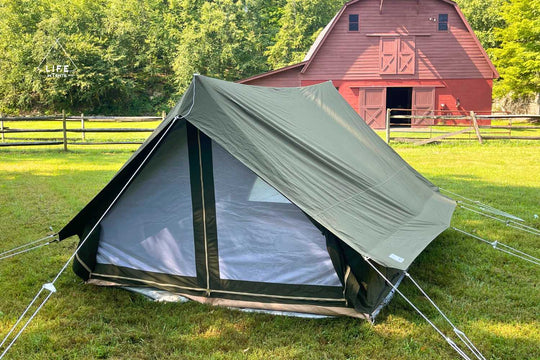
Credit: www.lifeintents.com
Frequently Asked Questions
What Is An A-frame Tent Used For?
An A-Frame tent is ideal for camping and outdoor activities. Its simple design offers easy setup and good weather resistance. It provides a sturdy shelter with a classic triangular shape, making it popular among hikers and campers.
How Do You Set Up An A-frame Tent?
To set up an A-Frame tent, stake the base corners first. Then, insert poles to form a triangular frame. Secure the tent fabric over the frame and tighten all guy lines for stability. This process is quick and requires minimal tools.
Are A-frame Tents Suitable For All Weather?
Yes, A-Frame tents perform well in mild to moderate weather. Their sloped sides help rain and snow slide off easily. However, they may not offer enough space or ventilation for extreme heat or heavy storms.
What Materials Are A-frame Tents Made From?
A-Frame tents are typically made from polyester or nylon fabric. These materials are lightweight, durable, and water-resistant. The poles are usually aluminum or fiberglass, which provide strong support while remaining easy to carry.
Conclusion
A-frame tents offer simple, reliable shelter for any outdoor trip. They are easy to set up and take down quickly. Their classic shape helps keep rain and wind out. These tents work well for camping, hiking, and festivals. Choosing the right size and material matters a lot.
With an A-frame tent, you enjoy comfort and protection outdoors. A great choice for those who want a no-fuss camping experience. Try one on your next adventure and see the difference.