
Have you ever wondered when sheep are sheared and why the timing matters? If you care about animals, wool, or just curious about farming, knowing the right moment for shearing can surprise you.
It’s not just about cutting wool—it’s about keeping sheep healthy and getting the best quality fleece. Keep reading, and you’ll discover the key signs and perfect seasons that make all the difference for your sheep or your wool products. This simple knowledge can change how you see these fluffy creatures forever.
Seasonal Shearing Schedule
Sheep shearing happens at specific times each year. It depends on the climate and sheep breed. Knowing the right season helps keep sheep healthy.
Shearing removes the wool coat. It helps sheep stay cool in warm weather. Farmers plan shearing to match seasons and sheep growth.
Spring Shearing
Spring is the most common time for shearing. Sheep grow thick wool during winter. Shearing in spring stops overheating as temperatures rise.
- Usually done from March to May
- Prepares sheep for warmer months
- Wool is clean and dry after winter
- Helps prevent parasites and skin issues
Summer Shearing
Summer shearing is less common but used in hot areas. It keeps sheep cool during the hottest months. It can happen from June to August.
Farmers watch the weather closely. They avoid shearing if it is too hot or rainy. Wool growth slows in summer, so shearing is lighter.
Fall Shearing
Fall shearing suits places with mild winters. It gives sheep fresh wool before cold weather. This shearing usually happens from September to November.
| Month | Purpose | Climate |
| March – May | Remove winter wool | Cooling down |
| June – August | Keep sheep cool | Hot summer |
| September – November | Prepare for winter | Mild fall |
Winter Shearing
Winter shearing is rare. It happens in very warm climates. Farmers avoid shearing in cold areas to protect sheep from cold stress.
Note:The right shearing time depends on local weather and wool growth. Farmers must watch sheep health and environment closely.
Climatic Factors
Sheep shearing depends a lot on the weather. The climate plays a big role in deciding the best time to shear sheep. Farmers watch temperature and humidity closely.
Understanding these factors helps keep sheep healthy and comfortable. It also ensures the wool quality stays high.
Temperature Considerations
Temperature affects when sheep should be sheared. Warm weather is usually best. Shearing in cold weather can cause the sheep to get sick.
- Shear sheep in spring or early summer for warm conditions.
- Avoid shearing in winter to prevent chills.
- Too hot weather can stress sheep during shearing.
- Watch local weather to pick a calm, warm day.
Humidity Impact
Humidity changes how wool dries after shearing. High humidity slows drying and can cause wool to smell or rot.
| Humidity Level | Effect on Shearing |
| Low (below 40%) | Wool dries quickly, less risk of damage |
| Moderate (40%-70%) | Good conditions for shearing and drying |
| High (above 70%) | Wool dries slowly, risk of mildew and odor |
Sheep Breed Specifics
Sheep shearing depends on the breed. Different breeds grow wool at different speeds. Knowing these details helps farmers decide when to shear.
Sheep breeds also vary in how they adapt to climates and grazing conditions. This affects wool quality and shearing schedules.
Wool Growth Rates
Wool grows at different rates depending on the sheep breed. Some breeds produce thick wool fast. Others grow thinner wool slowly.
- Merino sheep grow fine wool quickly, needing shearing every 8 to 12 months.
- Lincoln sheep have long, coarse wool that grows slower and can be sheared once a year.
- Romney sheep grow medium wool at a moderate speed, often sheared twice yearly.
- Karakul sheep have wool that grows slowly and is sheared less often.
Breed Adaptability
Sheep breeds adapt differently to climates and environments. This affects when and how often they are sheared. Some breeds handle heat better, which impacts wool growth.
| Breed | Climate Suitability | Shearing Frequency |
| Merino | Cool to warm climates | Every 8-12 months |
| Lincoln | Cool, wet climates | Once a year |
| Romney | Wet and coastal areas | Twice a year |
| Karakul | Dry, arid regions | Less frequent |

Credit: www.renningerwoolco.com
Health And Welfare
Sheep shearing is important for their health and comfort. It helps keep them safe from heat and skin problems.
Knowing when to shear sheep supports their well-being and prevents common issues that can affect their health.
Preventing Overheating
Wool keeps sheep warm in winter but can cause overheating in hot weather. Shearing removes thick wool to cool the sheep down.
- Shear sheep in spring before hot weather starts
- Check weather forecasts to avoid cold snaps after shearing
- Do not shear too early in the season
- Make sure the sheep have shade and water after shearing
Skin Health Benefits
Shearing helps keep sheep’s skin clean and healthy. Wool can trap dirt and moisture that cause skin problems.
| Benefit | Details |
| Reduces parasites | Less wool means fewer places for parasites to hide. |
| Improves air flow | Skin can breathe better after wool is removed. |
| Prevents infections | Clean skin lowers risks of sores and infections. |
Economic Considerations
Sheep shearing is an important task for farmers and wool producers. The timing affects profits and wool value.
Choosing the right time to shear can increase income and reduce costs. It depends on market and wool quality.
Market Demand Timing
Wool prices change with demand during the year. Farmers shear when demand and prices are highest.
Shearing before peak demand helps sell wool faster and at better prices. Timing varies by region.
- Shear in spring for summer clothing markets
- Shear in autumn for winter wool needs
- Watch market trends to plan shearing dates
Wool Quality Factors
Wool quality depends on shearing time. Early or late shearing changes fiber length and strength.
Good quality wool sells for higher prices. Farmers aim to shear when wool is clean and thick.
- Shear after wool grows fully for longer fibers
- Avoid shearing in wet weather to keep wool clean
- Timing affects fiber softness and durability
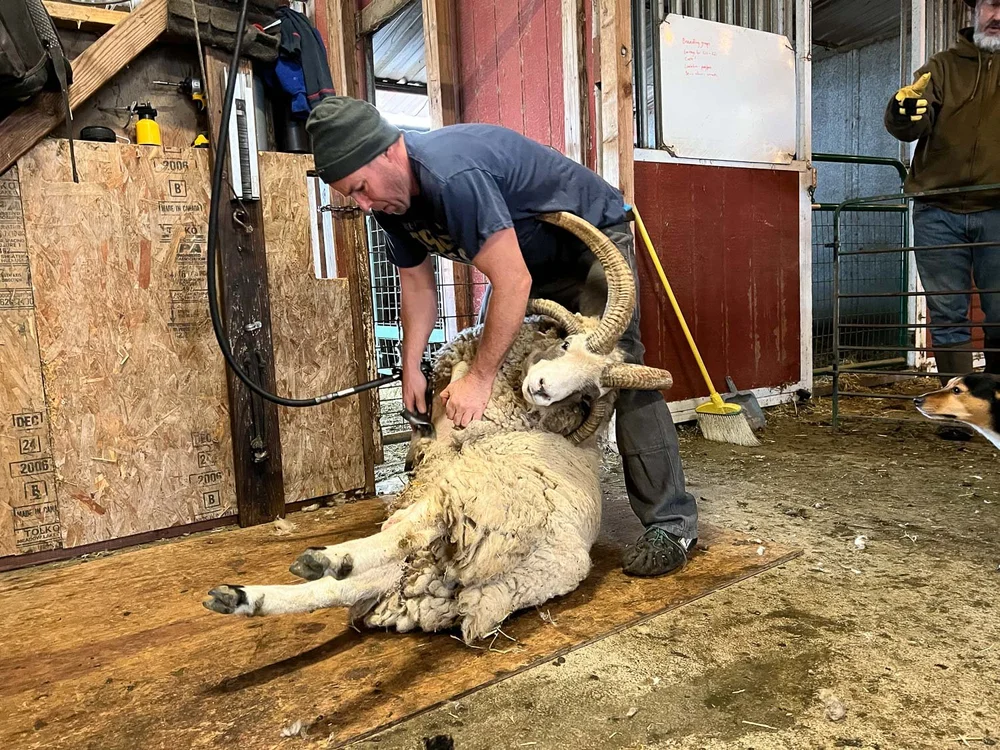
Credit: www.meridianjacobs.com
Tools And Techniques
Sheep shearing is a vital task for wool production and animal health. It requires the right tools and methods to be done safely and efficiently.
Different tools and techniques have developed over time. Some use modern equipment, while others follow traditional ways.
Modern Shearing Equipment
Modern shearing uses electric or battery-powered machines. These tools speed up the process and reduce effort.
- Electric clippers with sharp blades
- Handpieces that fit comfortably in the hand
- Adjustable combs for different wool lengths
- Shearing stands to hold sheep steady
- Safety gear to protect shearers from cuts
These tools need regular cleaning and blade sharpening. This keeps shearing smooth and prevents harm to sheep.
Traditional Methods
Traditional shearing uses hand shears or scissors. This method takes more time but uses no electricity.
| Tool | Description | Advantages |
|---|---|---|
| Hand Shears | Large scissor-like blades manually operated | Simple, no power needed, low cost |
| Scissors | Small cutting tools for trimming wool | Precise control, good for small jobs |
| Shearing Knife | Sharp blade used by skilled shearers | Allows close cuts, requires skill |
Traditional methods rely on skill and care. They are still used in places without electricity or for small flocks.
Environmental Impact
Sheep shearing affects the environment in many ways. It can change the land and use resources like water and energy.
Farmers try to reduce harm by using smart and eco-friendly methods during shearing.
Sustainable Practices
Sustainable sheep shearing means caring for animals and nature. It avoids over-shearing to keep sheep healthy.
Farmers use tools that save energy and reduce pollution. They also plan shearing times to match the seasons.
- Shear sheep once a year in spring or early summer
- Use electric clippers with low power use
- Keep sheep clean to reduce water waste
- Rotate pastures to avoid soil damage
Waste Management
Shearing creates waste like wool scraps and dirt. Proper waste handling lowers pollution and keeps farms clean.
Farmers recycle wool waste for products or compost. They also manage water runoff to protect local waterways.
- Collect wool scraps to sell or recycle
- Compost dirt and organic waste safely
- Use water carefully during cleaning
- Prevent wool and dirt from entering streams
Shearing Frequency
Sheep shearing is important to keep sheep healthy and comfortable. The frequency of shearing depends on the breed and climate.
Farmers must decide how often to shear sheep to avoid wool overgrowth or skin problems.
Annual Vs. Biannual Shearing
Most sheep are sheared once a year. This usually happens in spring before hot weather starts.
Some farmers shear their sheep twice a year. This helps sheep in warm climates stay cooler and cleaner.
- Annual shearing keeps wool healthy and easy to manage.
- Biannual shearing reduces wool weight and heat stress.
- Sheep with fast wool growth may need two shearings yearly.
- Annual shearing saves time but may cause wool matting in hot weather.
Signs For Immediate Shearing
Some signs show when sheep need shearing right away. Watch your sheep closely to keep them safe.
Sheep with too much wool can overheat or get infections. Shearing helps prevent these problems.
- Sheep looking very hot or restless in warm weather.
- Wool is dirty, matted, or full of debris.
- Sheep have difficulty moving because of heavy wool.
- Signs of skin irritation or wool pulling.
- Wool growing over eyes, blocking vision.

Credit: feltingandfiberstudio.com
Frequently Asked Questions
When Is The Best Time To Shear Sheep?
The best time to shear sheep is in early spring. This timing prevents overheating in warmer months and allows wool regrowth before winter. Shearing before lambing also keeps ewes clean and comfortable.
How Often Should Sheep Be Sheared Annually?
Most sheep are sheared once a year. Annual shearing maintains wool quality and sheep health. Some breeds may need shearing twice a year depending on wool growth and climate.
What Signs Indicate Sheep Need Shearing?
Sheep need shearing when their wool becomes thick and heavy. Overgrown fleece can cause overheating and attract parasites. Regular inspection helps identify when shearing is necessary for sheep comfort.
Does Shearing Affect Sheep’s Health?
Shearing improves sheep’s health by preventing wool-related issues. It reduces heat stress and parasite risks. Proper shearing keeps sheep clean, healthy, and comfortable throughout the year.
Conclusion
Sheep shearing happens once a year, usually in spring. This keeps sheep cool and healthy during warm months. Shearing also helps farmers collect wool for many uses. Timing matters to avoid stress or injury to sheep. Watching the weather is important before shearing.
Knowing when sheep are sheared helps you understand farming better. It’s a simple but vital part of sheep care. Taking care of sheep means knowing their needs well. Shearing is more than just cutting wool; it supports animal health.