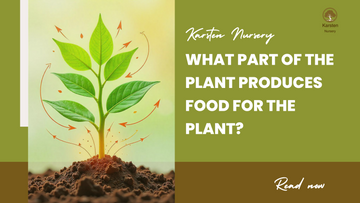
Have you ever wondered where plants get their food from? It might seem simple at first, but the answer is actually fascinating and full of surprises.
Understanding how plants feed themselves can change the way you see the world around you. You’ll discover the secret process plants use to make their own food, why it matters to you, and how it impacts everything from your garden to the air you breathe.
Keep reading to uncover the amazing story behind plant nutrition—you won’t want to miss it!

Credit: askabiologist.asu.edu
Photosynthesis Process
Plants make their food using a process called photosynthesis. This process uses sunlight, water, and gases from the air. It happens mainly in the leaves of plants.
Photosynthesis helps plants turn light into energy. This energy is stored as food for the plant to grow and stay healthy.
Role Of Sunlight
Sunlight provides the energy plants need to make food. The light energy is captured by the leaves and starts the photosynthesis process.
- Sunlight hits the leaves
- Energy is absorbed by pigments
- Energy helps convert water and carbon dioxide into food
- Oxygen is released as a byproduct
Chlorophyll And Leaf Structure
Chlorophyll is the green pigment in leaves. It traps sunlight to use in photosynthesis. Leaves have a special structure to support this process.
| Leaf Part | Function |
| Chloroplast | Contains chlorophyll for sunlight absorption |
| Stomata | Small openings for gas exchange |
| Veins | Transport water and nutrients |
Carbon Dioxide And Oxygen Exchange
Leaves take in carbon dioxide from the air through stomata. Plants use it to make glucose, a type of sugar. Oxygen is then released back into the air.
Gas Exchange Process:
- Carbon dioxide enters through stomata
- Carbon dioxide is used to make food
- Oxygen is produced as a waste product
- Oxygen exits through stomata

Credit: www.youtube.com
Water And Nutrient Absorption
Plants need water and nutrients to grow and survive. They get these from the soil through their roots. Understanding how plants absorb water and nutrients helps us learn how they make their own food.
Water and nutrients move through the plant using special systems. These systems help the plant stay healthy and strong.
Root Functions
The roots anchor the plant to the ground. They also absorb water and minerals from the soil. Tiny root hairs increase the surface area to take in more water and nutrients.
Soil Nutrients
- Nitrogen helps plants grow leaves and stems.
- Phosphorus supports root and flower development.
- Potassium strengthens the plant and improves resistance to disease.
- Calcium builds strong cell walls.
- Magnesium is important for photosynthesis.
Plants need these nutrients in different amounts. They absorb nutrients dissolved in water through their roots.
Transport Mechanisms
| Transport Type | Function |
| Xylem | Moves water and minerals from roots to leaves |
| Phloem | Distributes food made in leaves to other parts |
The xylem carries water and nutrients up from the roots. The phloem moves sugars and food down to the roots and other parts of the plant.
Energy Conversion In Plants
Plants are amazing at making their own food. They use sunlight to convert energy into something they can use. This process is vital for their survival and growth.
Understanding how plants convert energy helps us appreciate nature. It shows us how life on Earth is sustained through simple yet powerful processes.
From Light To Chemical Energy
Plants capture sunlight with their leaves. This sunlight contains energy in the form of light. Plants use this light to create food through photosynthesis.
Photosynthesis happens in the chloroplasts of plant cells. This is where light energy is transformed into chemical energy.
- Light is absorbed by chlorophyll
- Energy is transferred to electrons
- Electrons move through the electron transport chain
Glucose Formation
Once energy is captured, plants use it to make glucose. Glucose is a simple sugar that serves as food for the plant.
Water and carbon dioxide combine in this process. These ingredients are transformed into glucose and oxygen.
| Element | Role |
| Water | Provides hydrogen and oxygen |
| Carbon dioxide | Provides carbon and oxygen |
| Sunlight | Provides energy |
Energy Storage
Plants store the energy they produce in glucose. This energy can be used later when sunlight is not available.
Glucose is stored in various forms like starch. These energy reserves help plants survive through the night or during cloudy days.
- Glucose is converted to starch
- Starch is stored in roots and leaves
- Stored energy is used during growth or repair
Factors Affecting Food Production
Plants make their own food through photosynthesis. Some factors affect how well they can produce food.
Light, water, and soil quality are key elements that influence food production in plants.
Light Intensity
Light provides energy for photosynthesis. More light means more energy for plants.
- High light intensity increases food production.
- Low light slows down photosynthesis.
- Too much light can damage leaves.
Water Availability
Water is essential for photosynthesis and nutrient transport. Plants need enough water to survive.
| Water Condition | Effect on Food Production |
| Plenty of water | High food production |
| Moderate water | Normal food production |
| Low water | Reduced food production |
| No water | Food production stops |
Soil Quality
Good soil has nutrients and proper texture. It helps roots absorb water and minerals.
Soil quality factors include:
- Nutrient content
- pH level
- Drainage ability
- Organic matter
Adaptations In Different Plants
Plants need food to grow and live. Most make food using sunlight, water, and air. Some plants have special ways to get food in tough places.
Let’s look at how different plants adapt to get their food in unique environments.
Carnivorous Plants
Carnivorous plants live where the soil has little nutrients. They catch insects to get extra food. Their leaves change to trap bugs.
- Venus flytrap has leaf traps that snap shut.
- Pitcher plants have deep containers to catch insects.
- Sundews use sticky drops to hold prey.
Desert Plant Strategies
Desert plants get food with little water. They have thick leaves or stems to store water. Some grow deep roots to find water.
| Plant Type | Adaptation | Purpose |
| Cactus | Thick stem | Stores water |
| Creosote bush | Small leaves | Reduces water loss |
| Mesquite tree | Deep roots | Finds underground water |
Aquatic Plant Nutrition
Aquatic plants live in water. They get food by photosynthesis too. Their leaves can float or be underwater to catch sunlight.
Common features of aquatic plants:
- Air spaces in leaves to float
- Thin leaves for easy gas exchange
- Roots absorb nutrients from water

Credit: www.youtube.com
Frequently Asked Questions
How Do Plants Make Their Own Food?
Plants make food through photosynthesis. They use sunlight, water, and carbon dioxide to produce glucose and oxygen. Chlorophyll in leaves captures sunlight, enabling this process. This food provides energy for growth and development.
What Role Does Sunlight Play In Plant Nutrition?
Sunlight provides the energy plants need for photosynthesis. It powers the conversion of water and carbon dioxide into glucose. Without sunlight, plants cannot produce food and will eventually die.
Can Plants Get Food Without Sunlight?
Most plants need sunlight for food production. However, some plants can survive in low light by using stored nutrients. Certain plants also obtain energy from fungi through symbiosis in dark environments.
Where Do Plants Get Water For Food Production?
Plants absorb water from the soil through their roots. Water is essential for photosynthesis and nutrient transport. It combines with carbon dioxide to form glucose during food production.
Conclusion
Plants make their own food using sunlight, water, and air. They use sunlight to turn carbon dioxide and water into sugar. This process is called photosynthesis. Leaves act like tiny food factories. Roots help absorb water and minerals from the soil.
Plants need food to grow and stay healthy. Understanding how plants feed helps us care for them better. Nature’s way of feeding plants is simple but powerful. It shows how life depends on sunlight and clean air. Plants truly are amazing living things.