Have you ever wondered how plants make their own food without a kitchen or a chef? It’s a fascinating process that happens right inside their leaves.
Understanding how plants manufacture food can change the way you see the green world around you. You’ll discover the simple yet amazing steps plants take to turn sunlight, water, and air into the energy they need to grow. By the end, you’ll not only grasp this natural wonder but also appreciate the magic happening in your own garden or park every day.
Keep reading, and let’s uncover the secret behind how plants feed themselves!

Credit: karstennursery.com
Photosynthesis Basics
Plants make their own food through a process called photosynthesis. This process happens in the leaves of the plants.
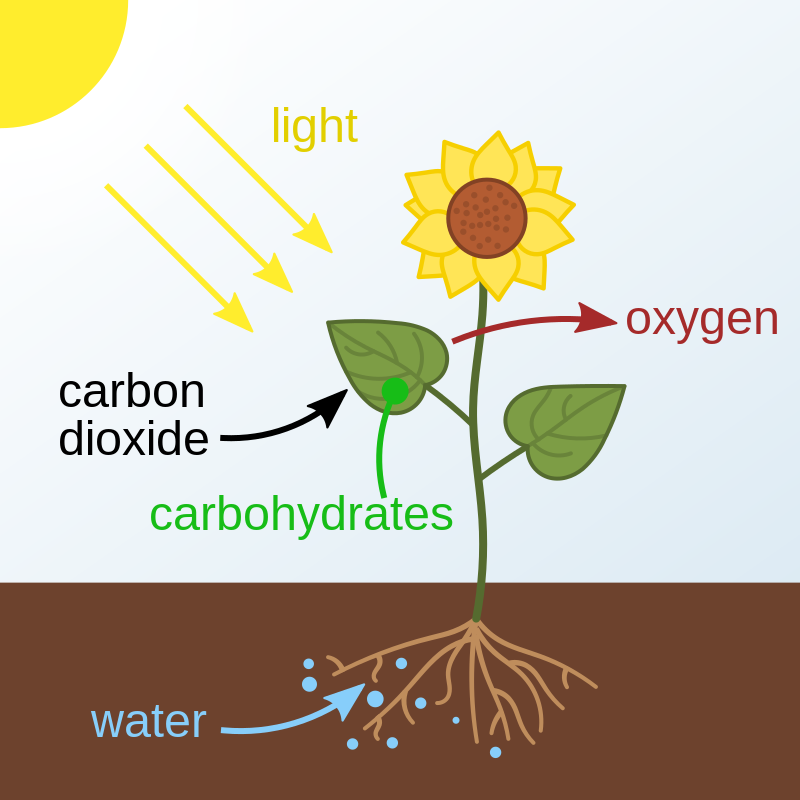
Photosynthesis uses sunlight, water, and carbon dioxide to create food. The food produced is a sugar called glucose.
Key Ingredients
Plants need three main ingredients to make food. These ingredients are sunlight, water, and carbon dioxide.
Sunlight provides energy for the process. Water comes from the soil and travels through the plant’s roots. Carbon dioxide is absorbed from the air through small openings in the leaves.
- Sunlight: Energy source for photosynthesis
- Water: Transported from roots to leaves
- Carbon Dioxide: Taken from the air
Role Of Chlorophyll
Chlorophyll is a green pigment found in plant leaves. It plays a crucial role in photosynthesis.
Chlorophyll absorbs sunlight and uses its energy to convert water and carbon dioxide into glucose. This process releases oxygen as a byproduct.
- Chlorophyll: Absorbs sunlight
- Converts ingredients into glucose
- Releases oxygen into the air

Credit: www.youtube.com
Light-dependent Reactions
Plants make food using sunlight in a process called photosynthesis. Light-dependent reactions happen first. These reactions use light to create energy molecules.
This energy helps plants turn water and carbon dioxide into food. The light-dependent reactions take place in parts of the plant cell called thylakoids.
Capturing Sunlight
Plants capture sunlight using pigments like chlorophyll. Chlorophyll is green and found in chloroplasts. It absorbs light mostly from blue and red parts of the spectrum.
The absorbed light excites electrons, giving them energy. These high-energy electrons start the process of energy creation in the plant.
Water Splitting And Oxygen Release
Plants split water molecules during light-dependent reactions. This process is called photolysis. Water breaks into oxygen, protons, and electrons.
- Oxygen is released into the air
- Protons help create energy molecules
- Electrons replace those lost by chlorophyll
Energy Conversion
Plants convert light energy into chemical energy. This energy is stored in molecules called ATP and NADPH. These molecules power the next steps of photosynthesis.
ATP stores energy like a battery. NADPH carries electrons and helps build sugar from carbon dioxide.
Calvin Cycle
The Calvin Cycle is a process plants use to make food. It happens in the chloroplasts of plant cells. This cycle helps plants turn carbon dioxide into sugar.
The cycle uses energy from sunlight, which plants capture in an earlier step called photosynthesis. The Calvin Cycle has three main parts to make sugar.
Carbon Fixation
Carbon fixation is the first part of the Calvin Cycle. In this step, the plant takes carbon dioxide from the air. The plant uses a special enzyme called Rubisco to attach carbon dioxide to a molecule called RuBP.
This process creates a new molecule that quickly splits into two 3-carbon molecules. This step is important because it starts the process of turning carbon dioxide into sugar.
Sugar Formation
In sugar formation, the plant uses energy from ATP and NADPH. These energy molecules come from sunlight. They help change the 3-carbon molecules into a sugar called G3P.
Some G3P molecules leave the cycle to form glucose and other sugars. Other molecules recycle to keep the cycle going and fix more carbon dioxide.
- ATP provides energy for the chemical reactions.
- NADPH provides electrons to help build sugar.
- G3P is the building block for glucose and starch.
Factors Influencing Food Production
Plants make their own food through photosynthesis. This process depends on several key factors. These factors affect how well plants can produce food.
Understanding these factors helps us know why plants grow better in some places. It also helps farmers improve crop yields.
Light Intensity
Light provides energy for photosynthesis. When light is strong, plants make more food. Low light slows down food production.
Too much light can also harm plants. They may close their leaves to protect themselves.
- Bright light increases photosynthesis rate
- Low light reduces food production
- Extreme light can damage leaves
Carbon Dioxide Levels
Carbon dioxide is a key ingredient in photosynthesis. Higher levels of carbon dioxide help plants make more sugar.
If carbon dioxide is low, plants cannot produce enough food. This slows their growth and development.
- More carbon dioxide increases photosynthesis
- Less carbon dioxide reduces sugar production
- Plants need a steady carbon dioxide supply
Temperature Effects
Temperature affects the speed of chemical reactions in plants. Photosynthesis works best in moderate temperatures.
Too hot or too cold temperatures slow down food production. Extreme heat can damage plant cells.
- Optimal temperature speeds up photosynthesis
- Cold slows down food manufacturing
- High heat may harm plant tissues
Plant Adaptations For Efficient Food Making
Plants make their own food through photosynthesis. They use sunlight, water, and carbon dioxide to create energy. Plants have special features to help this process work well.
These features help plants get enough sunlight and air. They also keep water inside. This way, plants can make food even in tough conditions.
Leaf Structure
Leaves have a flat and thin shape. This shape helps leaves catch more sunlight. Inside, leaves have layers with many cells full of chlorophyll.
Chlorophyll helps plants absorb light. The veins in leaves carry water and food to other parts of the plant. The leaf shape and veins help plants make food fast.
Stomata Function
Stomata are tiny holes on the leaf surface. They open and close to control air flow. This lets carbon dioxide enter and oxygen leave the leaf.
Stomata also help control water loss. They close when it is hot or dry. This keeps the plant from losing too much water while still making food.
Photosynthetic Variations
Some plants have special ways to do photosynthesis. These help them live in dry or hot places. They use water and sunlight more efficiently.
- C3 plants do normal photosynthesis in cool areas.
- C4 plants save water and work well in hot sunlight.
- CAM plants open stomata at night to keep water.
Importance Of Plant Food Manufacturing
Plants make their own food through a process called photosynthesis. This process uses sunlight, water, and carbon dioxide to create energy. The food made by plants is essential for their growth and survival.
Plant food manufacturing is important not only for plants but also for all living beings. It supports life on Earth in many ways.
Ecosystem Support
Plants provide food and oxygen to many animals and insects. They form the base of most food chains. Without plants making food, ecosystems would not survive.
Photosynthesis helps keep the air clean by absorbing carbon dioxide and releasing oxygen. This balance is crucial for all living things.
- Plants feed herbivores, which feed carnivores
- Oxygen from plants supports animal and human breathing
- Plants help regulate the climate by storing carbon
Human Benefits
Humans depend on plants for food, medicine, and materials. The food plants make provides nutrients that keep people healthy. Many medicines come from plant parts.
Plants also support industries like farming, textiles, and paper. The energy plants produce fuels many human activities.
- Fruits and vegetables provide vitamins and minerals
- Plants supply raw materials for clothes and paper
- Forests protect soil and water resources for humans

Credit: sizzlekidz.com
Frequently Asked Questions
What Process Do Plants Use To Make Food?
Plants use photosynthesis to make food. They convert sunlight, water, and carbon dioxide into glucose and oxygen. This process occurs mainly in the leaves’ chloroplasts.
Why Is Chlorophyll Important In Food Production?
Chlorophyll absorbs sunlight, which powers photosynthesis. It gives plants their green color and helps convert light energy into chemical energy for food.
How Do Plants Get Raw Materials For Food?
Plants absorb water through roots and carbon dioxide from air. These raw materials are essential for photosynthesis to produce glucose.
What Role Does Sunlight Play In Plant Food Manufacturing?
Sunlight provides energy for photosynthesis. Without sunlight, plants cannot convert carbon dioxide and water into glucose, their primary food source.
Conclusion
Plants make their own food through a process called photosynthesis. They use sunlight, water, and air to create energy. This energy helps them grow and stay alive. Without plants making food, life on Earth would be very different. They provide oxygen and food for animals and humans.
Understanding how plants make food helps us appreciate nature more. It also reminds us to protect green spaces around us. Simple, yet powerful. Nature’s way of feeding the world.