Are you confused about the terms fertilizer and plant food? You’re not alone.
Many gardeners and plant lovers use these words as if they mean the same thing. But knowing the difference can make a big impact on how you care for your plants. Imagine giving your garden exactly what it needs to grow stronger and healthier.
That’s what understanding this difference can do for you. Keep reading, and you’ll discover simple facts that will help you make better choices for your plants—and see better results faster.
Fertilizer Basics
Fertilizer and plant food are terms often used in gardening. Both help plants grow better. They add nutrients to the soil or plants. Knowing the difference helps you choose the right product for your garden.
Fertilizer is a material that supplies nutrients to plants. Plant food can mean fertilizer but also natural nutrients made by the plant itself. This guide explains how fertilizers work and their types.
Types Of Fertilizers
Fertilizers come in several forms. Each type works differently in the soil and for plants.
- Organic fertilizers:Made from natural materials like compost, manure, or bone meal.
- Inorganic fertilizers:Made from synthetic chemicals and minerals.
- Slow-release fertilizers:Release nutrients slowly over time.
- Liquid fertilizers:Ready-to-use liquids applied directly to plants or soil.
Common Nutrients In Fertilizers
Plants need certain nutrients to grow well. Fertilizers provide these nutrients in different amounts.
| Nutrient | Role in Plant Growth | Common Sources |
|---|---|---|
| Nitrogen (N) | Helps leaves and stems grow green and strong | Ammonium nitrate, urea, blood meal |
| Phosphorus (P) | Supports root growth and flower development | Bone meal, rock phosphate, superphosphate |
| Potassium (K) | Improves overall plant health and disease resistance | Potash, potassium sulfate |
| Secondary nutrients | Calcium, magnesium, sulfur needed in smaller amounts | Lime, Epsom salt, gypsum |
| Micronutrients | Iron, zinc, copper help with specific plant functions | Trace minerals in fertilizers |
How Fertilizers Work
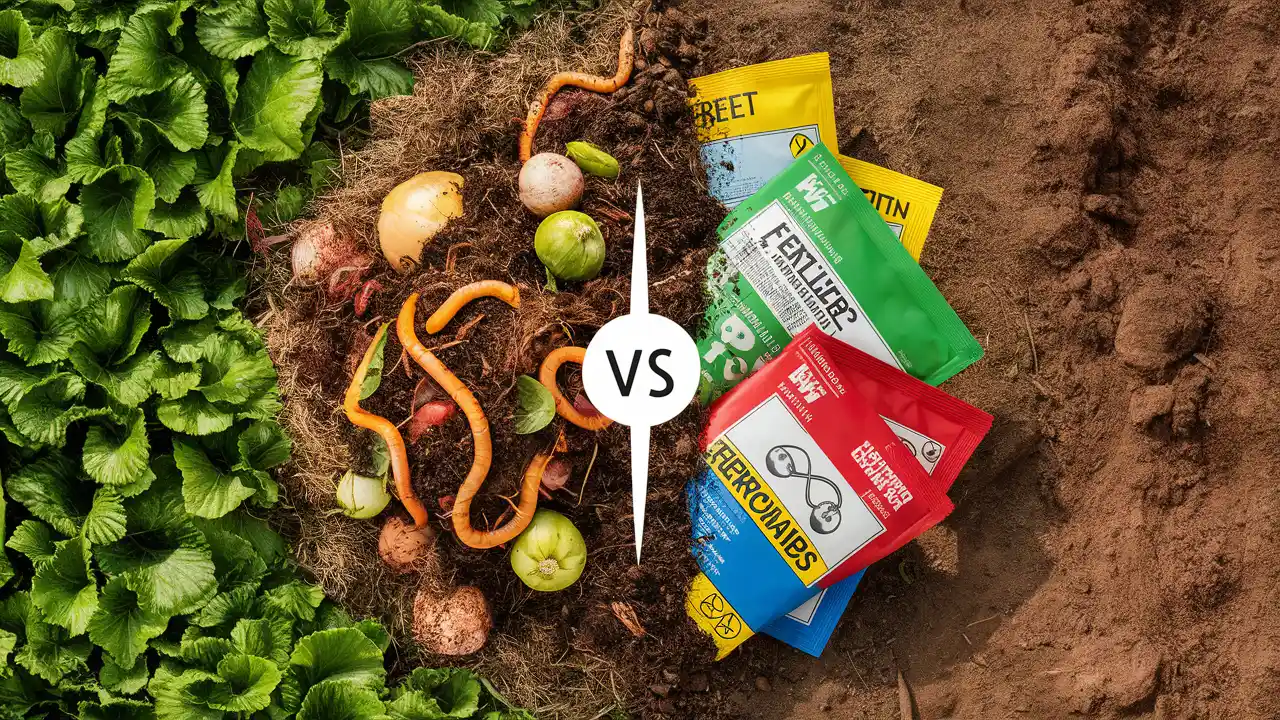
Fertilizers add nutrients that plants use to grow. They fill gaps in the soil where nutrients are low.
- Plants absorb nutrients through roots or leaves.
- Fertilizer breaks down in soil to release nutrients.
- Good fertilizer use improves plant size, color, and yield.
- Too much fertilizer can harm plants or pollute water.
Credit: fertilizerproductionline.org
Plant Food Explained
Plant food helps plants grow strong and healthy. It provides essential nutrients that plants need.
Understanding plant food is crucial for better gardening results. It differs from regular fertilizers.
Natural Sources Of Plant Food
Natural plant food comes from many sources. These sources enrich the soil and feed the plants.
- Compost: Made from decomposed organic matter.
- Manure: Provides nutrients and improves soil structure.
- Bone meal: Rich in phosphorus for root development.
Role Of Soil In Plant Nutrition
Soil plays a key role in plant nutrition. It acts as a reservoir of nutrients and water.
| Soil Type | Characteristics |
| Sandy | Drains quickly, low in nutrients |
| Clay | Holds water, rich in nutrients |
| Loamy | Balances drainage and nutrient retention |
Plant Food Vs Nutrients
Plant food includes a mix of nutrients. These nutrients are vital for plant growth and development.
While plant food is a mixture, nutrients are individual elements like nitrogen and potassium.
Key Differences
Many people confuse fertilizer with plant food. Both help plants grow, but they are not the same. Understanding the difference can improve how you care for plants.
This article explains the key differences by looking at composition, impact on growth, and how to apply them.
Composition Comparison
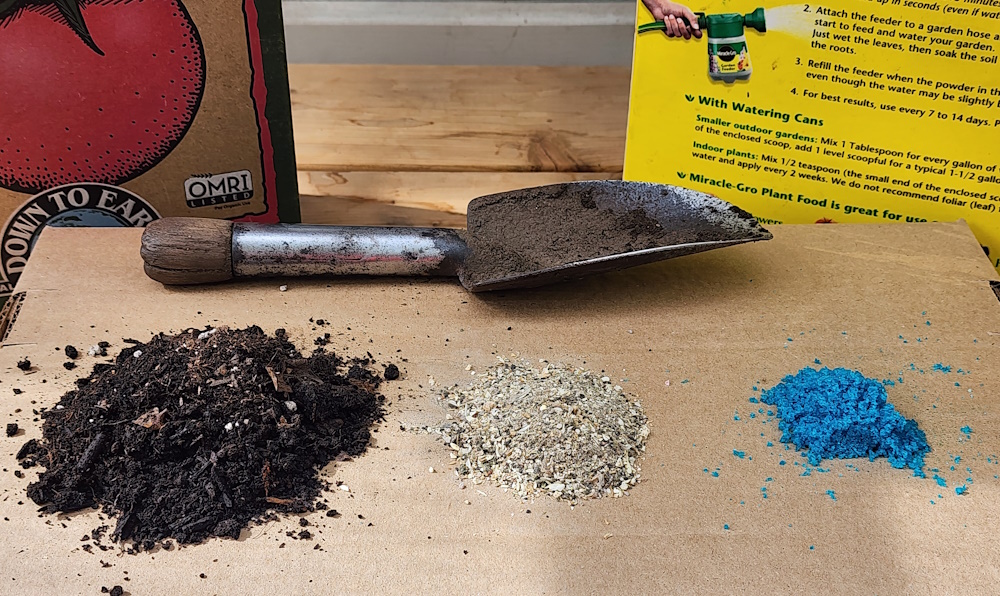
Fertilizers and plant food differ mainly in what they contain. Fertilizers have specific nutrients needed by plants. Plant food is a broader term and can include natural and synthetic substances.
| Aspect | Fertilizer | Plant Food |
|---|---|---|
| Main Nutrients | Nitrogen (N), Phosphorus (P), Potassium (K) | Includes fertilizers and organic matter like compost |
| Form | Usually chemical compounds | Can be natural or synthetic substances |
| Purpose | To supply specific nutrients to plants | To provide nutrients and improve soil health |
Impact On Plant Growth
Fertilizers directly feed plants with essential nutrients. Plant food supports growth but also improves soil quality. This difference affects how plants respond.
- Fertilizers boost quick nutrient supply.
- Plant food may work slower by enriching soil.
- Fertilizers focus on plant needs only.
- Plant food supports long-term plant health.
Application Methods
How you apply fertilizer and plant food can vary. Fertilizers often need precise amounts and timing. Plant food application is usually more flexible.
Common application methods include:
- Spreading granules around plant roots.
- Mixing into soil before planting.
- Using liquid forms as foliar sprays.
- Adding organic matter like compost to soil.

Credit: www.reddit.com
Benefits And Drawbacks
Fertilizer and plant food help plants grow healthy. Both add nutrients, but they work differently.
Knowing their benefits and drawbacks helps gardeners choose the best option for their plants.
Advantages Of Fertilizers
Fertilizers provide plants with specific nutrients fast. They are made to give exact amounts of nitrogen, phosphorus, and potassium.
They help increase plant growth and crop yield quickly. Fertilizers are easy to apply and control.
- Supply precise nutrients quickly
- Boost plant growth and yields
- Easy to apply and measure
- Improve soil fertility in the short term
Advantages Of Natural Plant Food
Natural plant food comes from organic sources like compost and manure. It improves soil health and structure over time.
This type of plant food releases nutrients slowly, feeding plants for a longer time. It supports beneficial soil organisms.
- Improves soil health naturally
- Releases nutrients slowly
- Supports good soil microbes
- Reduces chemical buildup in soil
Environmental Considerations
Fertilizers can cause pollution if used too much. Nutrients may run off into water, harming plants and animals.
Natural plant food is safer for the environment but can take longer to work. It helps keep soil healthy without chemicals.
- Excess fertilizer can pollute water
- Natural plant food reduces chemical risks
- Slow nutrient release lowers runoff chances
- Both require proper use to protect nature
Choosing What’s Best
Plants need nutrients to grow strong and healthy. Fertilizers and plant food both provide these nutrients. Knowing the difference helps you choose the right option for your garden.
Fertilizers add specific nutrients quickly. Plant food often means natural sources that feed the soil and plants slowly. Picking the best depends on your plants and soil needs.
Factors To Consider
Think about the soil type, plant type, and growth stage. Soil tests can show what nutrients are missing. Your climate and watering habits also matter.
- Soil nutrient levels
- Plant species and needs
- Growth phase of the plant
- Local weather conditions
- Water availability
When To Use Fertilizers
Use fertilizers when plants need a quick nutrient boost. They work well if soil lacks nitrogen, phosphorus, or potassium. Fertilizers help during active growth or fruiting.
Fertilizers are best for:
- Deficient soil nutrients
- Fast-growing plants
- Short growing seasons
- Boosting flowering or fruiting
When To Rely On Natural Plant Food
Natural plant food comes from compost, manure, or organic matter. It feeds the soil and plants slowly. Use it to improve soil health over time.
Natural plant food suits:
- Maintaining soil quality
- Long-term plant health
- Organic gardening methods
- Reducing chemical use
Credit: thecoeurdalenecoop.com
Frequently Asked Questions
What Is The Main Difference Between Fertilizer And Plant Food?
Fertilizer provides essential nutrients to plants, mainly nitrogen, phosphorus, and potassium. Plant food includes fertilizers and natural sources like compost. Fertilizers are manufactured, while plant food covers all nutrient sources that help plant growth.
Are Fertilizers Natural Or Synthetic Plant Foods?
Fertilizers can be both natural and synthetic. Natural fertilizers come from organic matter like manure. Synthetic fertilizers are chemically manufactured to supply specific nutrients quickly. Both types aim to improve plant health and growth effectively.
Can Plant Food Include Soil Amendments?
Yes, plant food includes soil amendments like compost and mulch. These improve soil quality and provide nutrients. Fertilizers focus on nutrient supply, while plant food is a broader term that includes all substances supporting plant growth.
How Often Should Fertilizers Be Applied To Plants?
Fertilizer application depends on plant type and growth stage. Generally, apply fertilizers during active growth periods, about every 4-6 weeks. Overuse can harm plants and soil, so follow product instructions carefully for best results.
Conclusion
Fertilizer and plant food both help plants grow. Fertilizer adds nutrients to the soil. Plant food feeds plants directly. Knowing the difference helps you choose right. Use fertilizer to improve soil quality. Use plant food for quick plant energy. Healthy plants need both for best growth.
Choose products based on your garden’s needs. Simple steps lead to strong, green plants. Keep your garden thriving with the right care.