Have you ever thought about the convenience of having an extra refrigerator outside? It sounds perfect for storing extra drinks or hosting those delightful summer barbecues.
But before you move your fridge outdoors, there are a few essential things you need to know. Is it safe? Will it last? And most importantly, will it impact your energy bill? By the end of this article, you’ll have all the answers you need to make an informed decision.
So, if you’re curious about whether you can keep a refrigerator outside, keep reading to discover the surprising truths and practical tips that can save you time, money, and hassle.
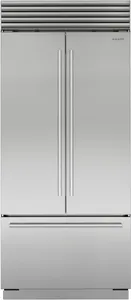
Credit: www.donsappliances.com
Outdoor Refrigerator Basics
Placing a refrigerator outside needs special care. Not all fridges work well outdoors. Understanding the basics helps keep your food safe and your appliance lasting longer.
Outdoor refrigerators are designed differently than indoor ones. They must handle weather changes, dirt, and moisture without breaking down. Choosing the right type and features is key to success.
Types Suitable For Outdoors
Some refrigerators are built specifically for outdoor use. These models have stronger insulation and tougher materials. Common types include:
- Built-in outdoor fridges for patios and kitchens
- Portable mini fridges with weatherproof designs
- Outdoor beverage coolers with stainless steel bodies
Standard indoor fridges usually cannot handle outdoor conditions. They risk damage from rain, sun, and temperature swings.
Weather Resistance Features
Outdoor refrigerators need certain features to survive outside. Look for:
- Waterproof seals to keep moisture out
- UV-resistant coatings to avoid sun damage
- Rust-resistant materials like stainless steel or aluminum
- Temperature control that works in both hot and cold weather
- Proper ventilation to prevent overheating
These features protect the fridge and maintain its cooling power. They help the appliance last through all seasons.

Credit: www.amazon.sg
Placement Considerations
Placing a refrigerator outdoors needs careful thought. The right spot helps the fridge last longer and work well. Avoid areas that expose the fridge to harsh weather or extreme heat. Think about how the fridge will get power and if it’s easy to clean around it. Proper placement keeps your fridge safe and efficient.
Choosing The Right Location
Select a flat, stable surface to keep the fridge steady. Avoid placing it on dirt or grass to prevent moisture damage. A shaded area helps the fridge stay cool and reduces energy use. Make sure the spot has good airflow around the fridge. Leave space for the door to open fully without obstruction.
Protecting From Sun And Rain
Direct sunlight can overheat the fridge and increase power use. Use an awning or canopy to block sun rays. Rain can cause rust and electrical problems. Place the fridge under a covered porch or shelter to keep it dry. Check for leaks or water pooling near the fridge regularly.
Power And Ventilation Needs
Setting up a refrigerator outside demands careful attention to its power and ventilation needs. Without proper electrical safety and airflow, your fridge might not work efficiently or could even become a hazard. Let’s look into what you need to keep your outdoor fridge running smoothly and safely.
Electrical Safety Tips
Outdoor environments expose electrical appliances to moisture, dust, and temperature changes. Make sure your fridge is plugged into a weather-resistant outlet with a ground fault circuit interrupter (GFCI). This device cuts power quickly if it detects any electrical faults, protecting you from shocks.
Use heavy-duty, outdoor-rated extension cords if the outlet is far away. Avoid running cords through puddles or across walkways where they can get damaged or cause trips. Regularly inspect plugs and cords for cracks or frays to prevent electrical fires.
Ensuring Proper Airflow
A refrigerator needs enough space around it to release heat effectively. Placing it too close to walls or other objects blocks the vents and forces the compressor to work harder. This not only wastes energy but can also shorten the life of your fridge.
Position your outdoor refrigerator with at least 2–3 inches of clearance on all sides and more at the back, where most ventilation happens. If your fridge is in an enclosed space like a shed, consider adding vents or a small fan to improve air circulation. Have you checked if your fridge feels hotter than usual outside? That’s a clear sign it needs better airflow.
Common Risks Of Outdoor Use
Placing a refrigerator outside may seem like a convenient solution, especially during parties or for extra storage. However, using a refrigerator outdoors comes with several risks that can affect its performance and lifespan. Understanding these risks helps you decide if it’s worth the gamble or if you should look for alternatives made specifically for outdoor use.
Temperature Fluctuations Impact
Refrigerators are designed to operate within a stable temperature range. Outdoor environments, however, expose them to constant swings from hot days to chilly nights. These temperature changes force the compressor to work harder, which can lead to premature wear and even failure.
Imagine your fridge running non-stop during a heatwave, then struggling to keep things cold when temperatures drop below freezing at night. This inconsistent workload can cause your food to spoil faster and increase your energy bills. Have you noticed your fridge sounding louder or cycling more often when placed outside?
Potential Damage From Moisture
Moisture is another big enemy of outdoor refrigerators. Rain, dew, and humidity can seep into the fridge’s electrical components and metal parts. This moisture can cause rust, short circuits, or even complete breakdowns over time.
Even if your fridge is under a covered patio, humidity can still cause damage. Think about how a little water inside your fridge’s wiring could lead to costly repairs or safety hazards. Would you want to risk the safety of your appliance and your stored food just to save space?
Maintenance For Longevity
Keeping a refrigerator outside requires careful maintenance to ensure it lasts long. Outdoor conditions can wear down its parts quickly. Regular upkeep protects the fridge from damage and keeps it working well.
Simple steps can extend its life and maintain efficiency. Focus on cleaning and preparing the fridge for different seasons. These tasks help avoid costly repairs and keep food safe.
Cleaning And Care
Clean the fridge regularly to prevent dirt build-up. Dirt and debris can block vents and reduce cooling power. Wipe the exterior with a damp cloth to remove dust and grime.
Inside, remove old food and spills immediately. Use mild soap and water to clean shelves and drawers. Avoid harsh chemicals that can damage surfaces.
Check the door seals often. Damaged seals let cold air escape, wasting energy. Replace seals if they are cracked or loose.
Seasonal Preparation
Prepare the fridge for weather changes to avoid damage. In cold months, insulate the fridge to protect it from freezing temperatures. Use a weatherproof cover or place it in a sheltered area.
During hot seasons, ensure good airflow around the fridge. Avoid direct sunlight, which makes the compressor work harder. Check the cooling coils for dust and clean them regularly.
Before winter, drain water from the fridge to prevent freezing. Unplug and dry it if you plan to stop using it for a while. This prevents mold and mechanical problems.
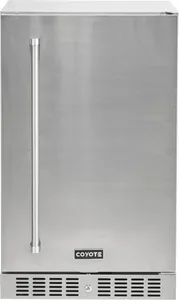
Credit: www.arizonaapplianceandhome.com
Alternative Cooling Solutions
If you’re thinking about keeping your drinks and snacks cool outside, a traditional refrigerator might not always be the best fit. Luckily, there are several alternative cooling solutions designed specifically for outdoor use. These options offer flexibility, durability, and convenience, making your outdoor experience much more enjoyable.
Portable Coolers
Portable coolers are an excellent choice if you need something lightweight and easy to move. They come in electric and non-electric versions, allowing you to choose based on your power source availability. Some electric coolers can plug into your car or a portable battery, keeping your items chilled on road trips or outdoor gatherings.
Besides portability, these coolers often have insulated walls that keep ice longer than standard coolers. They’re perfect for camping, picnics, or backyard parties where space is limited, and you want quick access to cold drinks. Have you ever tried one on a hot day? You’ll notice how much more refreshing your beverages feel.
Built-in Outdoor Units
For those wanting a more permanent outdoor cooling solution, built-in outdoor refrigerators are worth considering. These units are designed to withstand weather conditions like rain, sun, and humidity. They often come with stainless steel finishes and weatherproof seals, ensuring durability and long-term performance.
Built-in units fit seamlessly into outdoor kitchens or patio bars, providing easy access without stepping inside the house. They usually offer larger storage space and come with advanced cooling systems to maintain consistent temperatures even in warm environments. Wouldn’t it be great to open a fridge right next to your grill without running back inside?
Frequently Asked Questions
Can Refrigerators Be Used Outdoors Safely?
Most refrigerators are designed for indoor use only. Outdoor exposure can damage components and reduce efficiency. Specialized outdoor refrigerators are available for safe use outside. Using a standard fridge outdoors may void the warranty and shorten its lifespan.
What Damages Can Outdoor Exposure Cause To Refrigerators?
Outdoor elements like rain, humidity, and sun can harm a fridge. Moisture may cause rust, electrical shorts, and insulation damage. Direct sunlight can overheat the compressor, reducing performance. Extreme temperatures may cause mechanical failures or food spoilage inside.
How To Protect A Refrigerator Kept Outside?
Place the fridge under a covered, well-ventilated area to shield it from rain and sun. Use a weatherproof cover when not in use. Ensure the unit is elevated off the ground to avoid water damage. Regular maintenance helps extend its outdoor life.
Are Outdoor Refrigerators Energy Efficient?
Outdoor refrigerators are designed to handle varying temperatures efficiently. They use stronger insulation and robust compressors to maintain consistent cooling. Indoor models used outside often consume more energy due to strain. Investing in a purpose-built outdoor fridge saves energy and money.
Conclusion
Keeping a refrigerator outside can work, but it needs care. Protect it from rain, sun, and dust. Choose a spot with shade and good air flow. Check the temperature range the fridge can handle. Regular cleaning helps it last longer.
Watch for any signs of damage or wear. This way, your fridge stays safe and works well outdoors. Simple steps make all the difference. Think about your needs and space before placing a fridge outside.