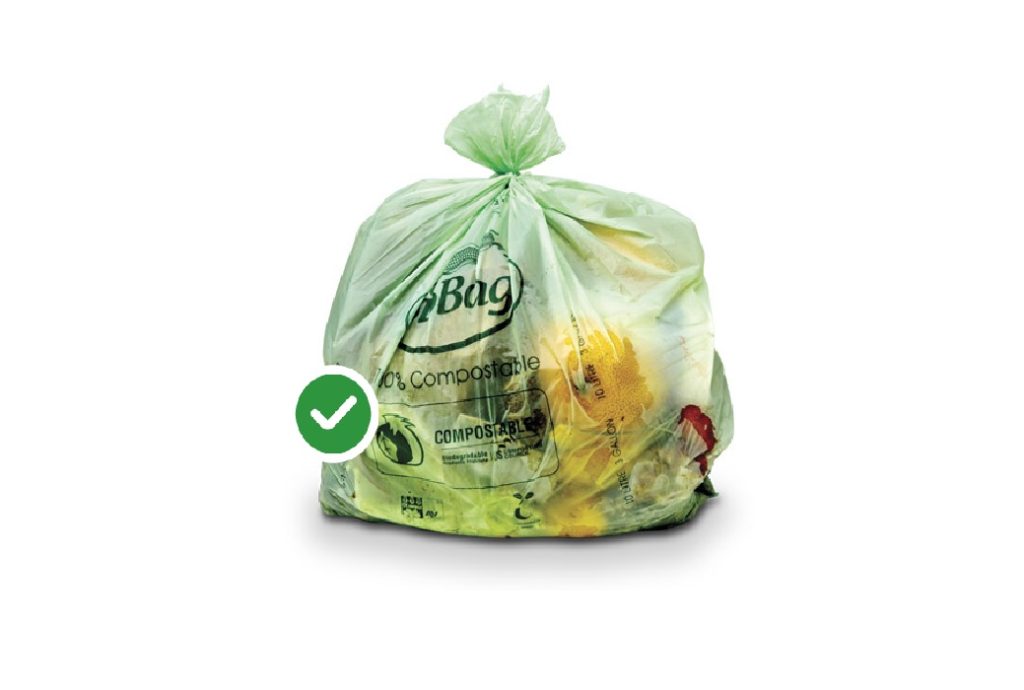
Are you wondering if those compostable bags you use can go in your green bin? It’s a common question that many people have as they try to make eco-friendly choices.
You want to do the right thing for the environment, but the rules around composting can be confusing. You’ll discover the truth about compostable bags and whether they belong in your green bin. Keep reading to find out how to handle your waste properly and make sure your efforts really help the planet.
Compostable Bags Explained
Compostable bags are made to break down naturally. They help reduce plastic waste in landfills.
These bags can often be placed in green bins for composting. Understanding their materials and breakdown process is key.
Materials Used
Compostable bags are made from natural materials. These include plant starches, vegetable oils, and cellulose.
Some bags use polylactic acid (PLA), made from corn or sugarcane. These materials help bags break down faster.
- Plant starches like corn or potato
- Vegetable oils
- Cellulose from plants
- Polylactic acid (PLA) from corn or sugarcane
How They Break Down
Compostable bags break down in composting conditions. They need heat, moisture, and microbes to decompose.
In a green bin, these bags usually break down within a few months. They turn into nutrient-rich compost.
- Require warm temperatures
- Need moisture and air
- Microbes help break down materials
- Decompose into compost in months

Credit: www.amazon.ca
Green Bin Purpose
Green bins are used for collecting organic waste. They help in composting and reducing landfill waste.
Compostable bags are often confusing. People wonder if they can go in the green bin.
Types Of Waste Accepted
Green bins accept a variety of organic materials. These materials break down into compost.
- Fruit and vegetable scraps
- Eggshells
- Yard waste like leaves and grass
- Compostable bags if certified
Processing Methods
After collection, waste goes through processing. It turns into compost through natural methods.
| Method | Description |
| Aerobic | Uses air to break down waste |
| Anaerobic | Breaks down waste without air |
| Windrow | Piles waste in long rows |
Compatibility Of Compostable Bags With Green Bins
Many people wonder if compostable bags can go in green bins. These bins collect food scraps and yard waste for composting.
It is important to know the rules about using compostable bags in green bins. This helps keep the compost clean and effective.
Municipal Guidelines
Most cities have specific rules about compostable bags. Some allow them, while others do not.
- Check if your local green bin program accepts compostable bags.
- Only use bags certified as compostable by recognized standards.
- Do not use plastic bags labeled as biodegradable or compostable but not certified.
- Some places ask you to empty the food scraps directly into the bin.
- Follow any instructions from your waste collection service.
Common Misconceptions
People often confuse compostable bags with plastic bags. Not all bags break down properly in compost systems.
| Misconception | Fact |
| All compostable bags are safe for green bins | Only certified compostable bags are safe |
| Biodegradable bags and compostable bags are the same | Biodegradable bags may leave plastic residues |
| Plastic bags labeled “eco-friendly” can go in green bins | Plastic bags should never go in green bins |
| Compostable bags always break down quickly | Breakdown time depends on the composting process |
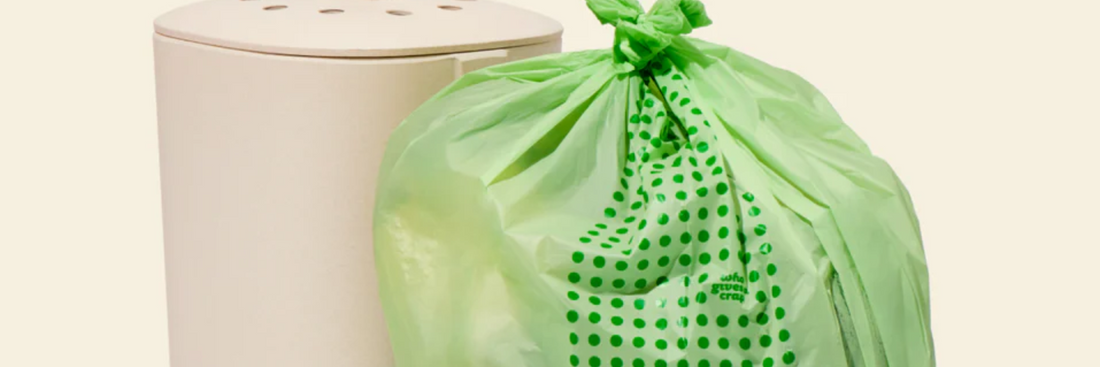
Credit: www.kimecopak.ca
Environmental Impact
Compostable bags are designed to break down naturally. They reduce plastic waste and pollution.
Using compostable bags in the green bin can help manage food and garden waste better. It supports a cleaner environment.
Benefits Of Compostable Bags
Compostable bags help reduce plastic pollution. They break down into natural materials in compost sites.
These bags keep green bins cleaner. They stop food waste from sticking to the bin walls.
- Reduce plastic waste in landfills
- Help create nutrient-rich compost
- Keep green bins clean and odor-free
- Support waste management systems
Potential Drawbacks
Compostable bags need special conditions to break down. If not composted correctly, they may not decompose fully.
Some bags can confuse people about recycling. They might end up in the wrong waste stream.
- Require industrial composting facilities
- Can contaminate recycling if mixed incorrectly
- May not break down in home compost bins
- Higher cost than regular plastic bags
Proper Disposal Tips
Compostable bags are designed to break down in special conditions. Knowing how to dispose of them correctly helps reduce waste.
Not all bags labeled compostable are suitable for green bins. It is important to identify the right type before disposal.
How To Identify Compostable Bags
Look for clear labels that say “compostable” or “biodegradable.” These bags often have certification marks from recognized organizations.
- Check if the bag has a certification logo like BPI or ASTM D6400.
- Read the packaging to see if it mentions industrial composting.
- Feel the texture; compostable bags are usually thinner and softer.
- Look for the expiration date, as some bags degrade over time.
Alternatives To Compostable Bags
Using alternatives can reduce confusion and help the environment. Some options work well for waste disposal or shopping.
| Alternative | Description | Use |
| Reusable Cloth Bags | Made from cotton or hemp | Shopping and storage |
| Paper Bags | Biodegradable and recyclable | Light shopping and compost |
| Plastic Bags | Recyclable but not compostable | Waste disposal, recycling bins |
| Compostable Bags | Break down in industrial composters | Green bin only if allowed |
Future Of Compostable Packaging
Compostable packaging is growing as a choice to reduce waste. People want bags that break down easily and help the environment. This change affects how we use green bins for composting.
Understanding new materials and rules helps us know if compostable bags belong in green bins. This topic looks at what is coming next for compostable packaging.
Innovations In Materials
New materials make compostable bags better for the planet. Scientists create bags that break down faster and leave no harmful waste. Some bags use plant fibers, starch, or special bioplastics.
- Plant-based plastics that degrade in weeks
- Starch blends that turn into compost easily
- Bags that dissolve in water without pollution
- Materials safe for home and industrial composting
Policy Trends
Governments set rules to manage compostable packaging and green bins. Policies guide what bags can go in green bins to avoid contamination. These rules help recycling programs work well.
| Region | Policy Focus | Impact on Compostable Bags |
| Europe | Strict compostable standards | Only certified bags allowed in green bins |
| North America | Labeling and sorting rules | Clear instructions for consumers |
| Asia | Industrial composting growth | More facilities accept compostable bags |
| Australia | Ban on single-use plastics | Push for compostable alternatives |

Credit: www.walmart.ca
Frequently Asked Questions
Can Compostable Bags Be Disposed Of In The Green Bin?
Yes, most compostable bags can go in the green bin. They break down with food scraps during composting. However, always check local guidelines to confirm accepted bag types.
Are All Compostable Bags Suitable For Green Bin Use?
No, not all compostable bags are accepted. Only certified compostable bags that break down in municipal compost systems should be used.
How Do Compostable Bags Affect The Composting Process?
Compostable bags speed up waste breakdown and reduce plastic contamination. Proper bags improve compost quality and support eco-friendly waste management.
Can Biodegradable Bags Replace Compostable Bags In Green Bins?
Biodegradable bags often don’t break down fully in compost systems. Compostable bags are preferred for green bins to ensure complete decomposition.
Conclusion
Compostable bags can often go in the green bin, but check local rules first. Some places accept them, while others do not. Using the right bags helps keep the compost clean and healthy. Avoid plastic bags that do not break down easily.
Choosing proper bags supports better waste management and the environment. Small changes in sorting waste make a big difference. Always follow your community’s guidelines for the best results. Composting right helps reduce landfill waste and saves resources. Easy steps like these protect the planet for future generations.