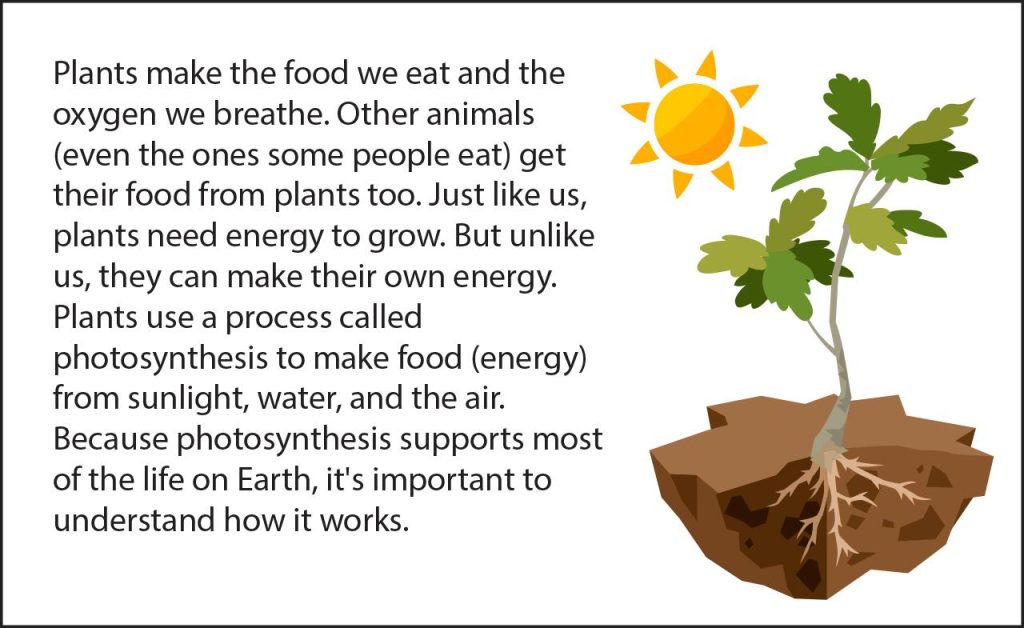
Have you ever wondered how plants manage to feed themselves without a grocery store or kitchen? It might seem like magic, but plants have a fascinating way of creating their own food right from sunlight, water, and air.
Understanding this natural process can change the way you see the world around you. Keep reading, and you’ll discover the simple steps plants use to turn sunlight into energy, helping them grow and thrive—something that’s not just cool but essential for all life on Earth.
Photosynthesis Process
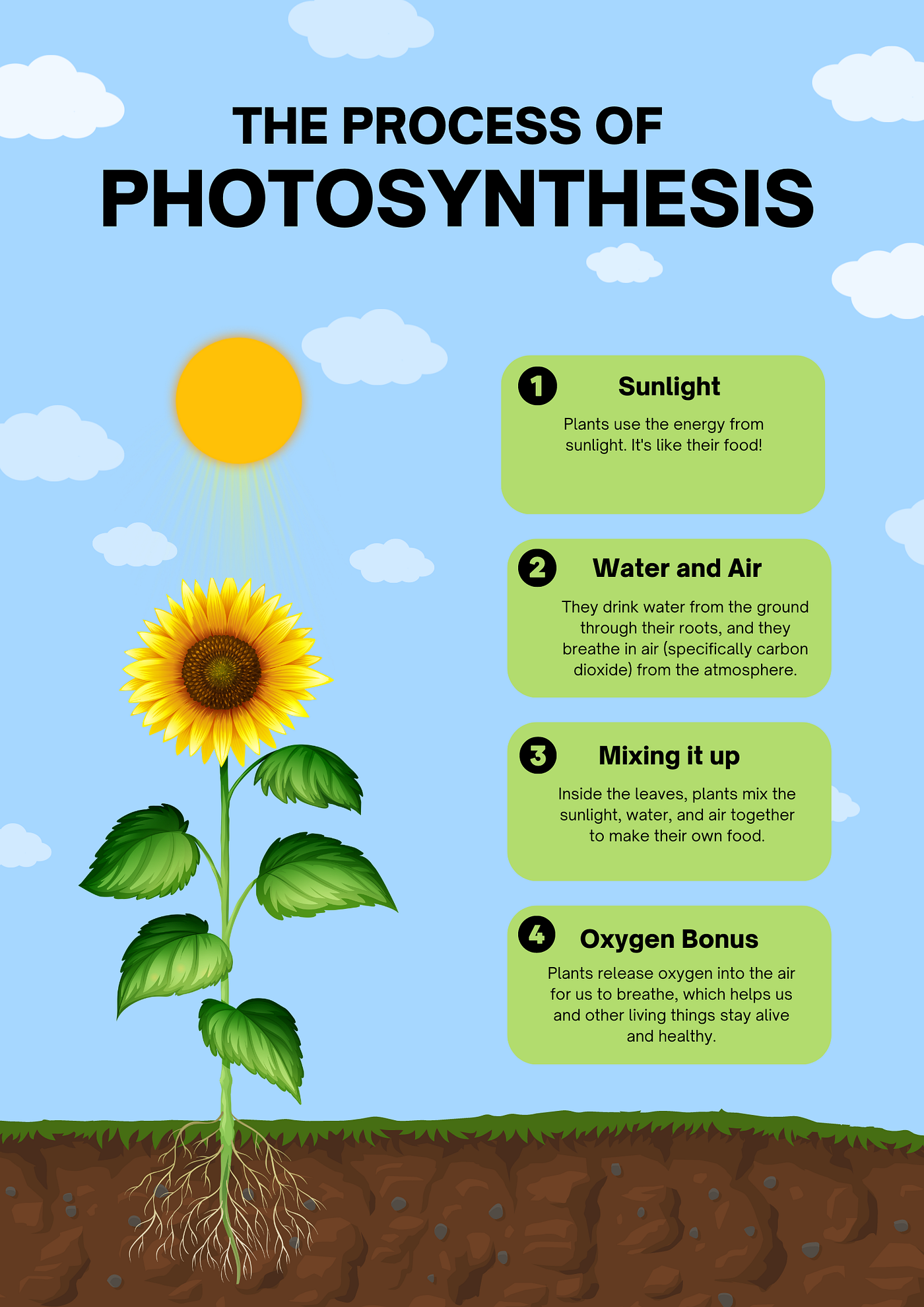
Plants make their own food through a process called photosynthesis. This process changes sunlight into energy plants can use.
Photosynthesis happens mainly in the leaves of plants. It uses sunlight, water, and carbon dioxide to produce food and oxygen.
Role Of Chlorophyll
Chlorophyll is a green pigment found in plant leaves. It helps plants absorb sunlight needed for photosynthesis. Without chlorophyll, plants cannot capture light energy.
Light Absorption
Plants absorb light mostly from the sun. Different colors of light have different energy levels. Chlorophyll absorbs mainly blue and red light for photosynthesis.
- Sunlight provides energy for the process
- Chlorophyll captures light in leaves
- Light energy starts chemical reactions
Conversion Of Carbon Dioxide And Water
Plants take in carbon dioxide from the air and water from the soil. Inside the leaves, light energy helps change these into glucose and oxygen. This happens in tiny parts called chloroplasts.
| Substance | Source | Role in Photosynthesis |
| Carbon Dioxide | Air | Used to make glucose |
| Water | Soil | Splits to release oxygen |
| Glucose | Produced inside plant | Plant food and energy |
| Oxygen | Released to air | Byproduct for breathing |
Production Of Glucose And Oxygen
Glucose is a sugar that stores energy for the plant. Oxygen is released into the air as a waste product. Both are important for life on Earth.
Photosynthesis formula:
6 CO2+ 6 H2O + light energy → C6H12O6+ 6 O2

Credit: askabiologist.asu.edu
Key Components Involved
Plants create their own food through photosynthesis. This process needs specific components to work.
Let’s explore the key parts involved in this vital process.
Leaves And Chloroplasts
Leaves are the main sites for photosynthesis in plants. Inside leaves are cells containing chloroplasts, which hold chlorophyll.
| Component | Function |
| Leaves | Capture sunlight |
| Chloroplasts | House chlorophyll |
| Chlorophyll | Absorbs light |
Sunlight As Energy Source
Sunlight provides the energy needed for photosynthesis. Plants capture this light energy and convert it into chemical energy.
- Sunlight hits the leaves
- Chlorophyll absorbs the light
- Energy transforms into sugars
Water Uptake And Transport
Plants absorb water from the soil through their roots. This water travels up to the leaves to aid in photosynthesis.
Carbon Dioxide Intake
Plants take in carbon dioxide from the air through tiny openings called stomata. This gas is essential for making glucose.
Stomata open and close to regulate gas exchange, ensuring the plant gets enough carbon dioxide while minimizing water loss.
Stages Of Food Production
Plants make their own food through a process called photosynthesis. This process has different stages that work together. Each stage plays a special role in creating energy for the plant.
Understanding these stages helps us see how plants grow and survive using sunlight, water, and air.
Light-dependent Reactions
This stage happens in the parts of the plant called chloroplasts. The plant uses sunlight to break down water molecules. This process creates oxygen and energy molecules called ATP and NADPH.
- Sunlight is absorbed by chlorophyll
- Water molecules split into oxygen and hydrogen
- Oxygen is released into the air
- Energy molecules ATP and NADPH are formed
Light-independent Reactions
This stage does not need sunlight directly. It uses the energy from ATP and NADPH to turn carbon dioxide into glucose. Glucose is a type of sugar that plants use for food.
| Substance | Role |
| ATP | Provides energy for sugar formation |
| NADPH | Supplies electrons for chemical reactions |
| Carbon dioxide | Converted into glucose |
| Glucose | Stores energy for the plant |
Energy Storage And Usage
Plants store glucose as starch for later use. This stored energy helps plants grow and repair. Plants also use glucose to make other important molecules.
- Glucose converts to starch for storage
- Stored energy supports growth and repair
- Glucose helps make cellulose for cell walls
- Energy powers all plant activities
Factors Affecting Food Creation
Plants make their own food through photosynthesis. This process needs certain conditions to work well.
Several factors affect how well plants create food. These include light, water, carbon dioxide, and temperature.
Light Intensity
Light provides energy for photosynthesis. When light is bright, plants make more food. Too little light slows down food creation.
Water Availability
Water is a key ingredient in photosynthesis. Plants need enough water to survive and make food. Lack of water can stop photosynthesis.
Carbon Dioxide Levels
Plants use carbon dioxide from the air to make food. Higher carbon dioxide levels can increase food production up to a point.
- Carbon dioxide enters leaves through tiny holes called stomata.
- Too little carbon dioxide limits photosynthesis.
- Too much can cause stomata to close and slow down the process.
Temperature Effects
Temperature changes affect enzymes that help photosynthesis. Warm temperatures speed up the process. Very high or low temperatures slow it down.
| Temperature Range | Effect on Photosynthesis |
| 10°C – 35°C | Optimal for most plants |
| Below 10°C | Slows down food creation |
| Above 35°C | Can damage enzymes and reduce food making |
Importance To Ecosystems
Plants make their own food through photosynthesis. This process is very important for life on Earth. It helps keep ecosystems healthy and balanced.
Plants are the base of many ecosystems. They support animals, insects, and other living things. Understanding how plants create food shows why they matter so much.
Oxygen Release
Plants release oxygen into the air during photosynthesis. They take in carbon dioxide and give out oxygen. This oxygen is what animals and humans need to breathe.
Without plants, the air would have less oxygen. This would make it hard for many creatures to survive. Plants keep the air fresh and clean.
Foundation Of Food Chains
Plants are the first step in most food chains. They make energy from sunlight and store it in their leaves and roots. Animals eat plants to get this energy.
Herbivores eat plants. Carnivores eat herbivores. This shows how energy moves through the ecosystem. Without plants, food chains would break down.
- Plants convert sunlight into food energy
- Herbivores rely on plants for nutrition
- Carnivores depend on herbivores for energy
Impact On Climate
Plants help control the climate by absorbing carbon dioxide. This gas traps heat in the atmosphere. Plants lower carbon levels and cool the Earth.
Forests and plants act like natural air filters. They reduce the effects of climate change. Healthy plant life means a healthier planet for all living things.

Credit: sizzlekidz.com
Credit: sklep.kagero.pl
Frequently Asked Questions
How Do Plants Make Food From Sunlight?
Plants use photosynthesis to convert sunlight into food. Chlorophyll absorbs light energy, which helps transform carbon dioxide and water into glucose and oxygen.
What Role Does Chlorophyll Play In Food Production?
Chlorophyll captures sunlight energy for photosynthesis. It gives plants their green color and enables the conversion of light into chemical energy.
Why Is Photosynthesis Important For Plants?
Photosynthesis produces glucose, the plant’s energy source. It also releases oxygen, essential for life on Earth, supporting both plants and animals.
Can Plants Make Food Without Sunlight?
Plants need sunlight for photosynthesis. Without light, they cannot produce glucose and will eventually weaken or die.
Conclusion
Plants make their own food using sunlight, water, and air. This process is called photosynthesis. It helps plants grow and gives us oxygen to breathe. Without plants creating food, life on Earth would be very different. Understanding this natural process shows how important plants are for our world.
Next time you see a green leaf, remember the magic happening inside it every day. Simple, yet amazing.