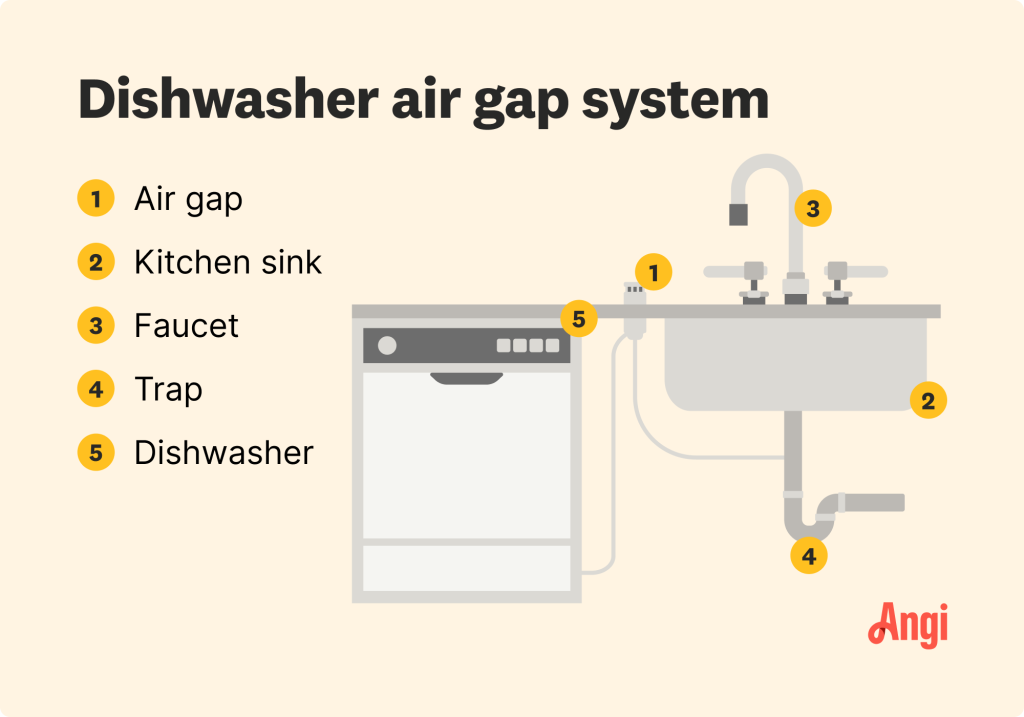
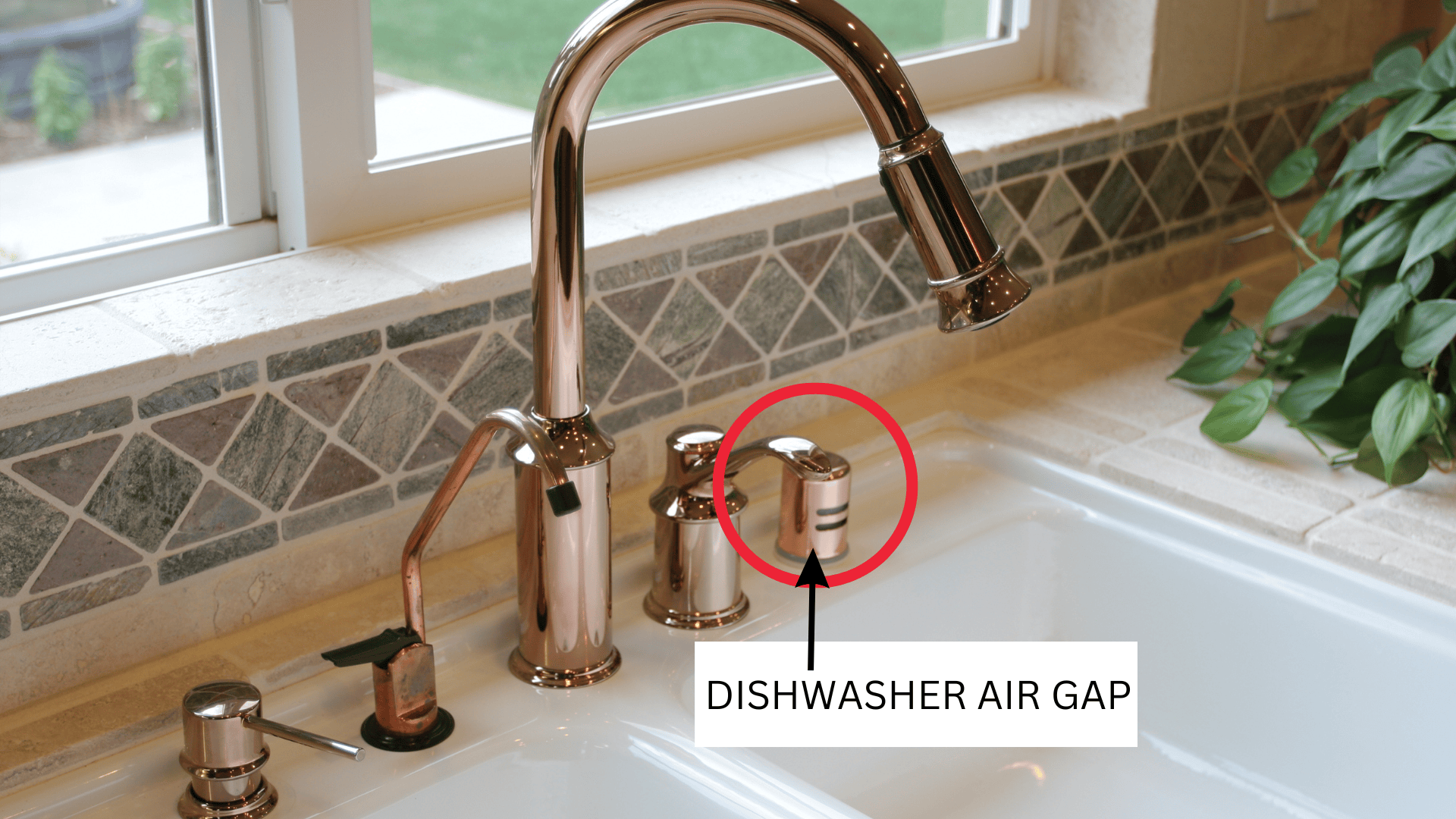
Have you ever noticed that little metal or plastic fixture sitting next to your kitchen faucet and wondered what it’s for? That’s the dishwasher air gap, and it plays a crucial role in keeping your kitchen safe and hygienic.
But do you really need one? If you’re like most homeowners, you want to ensure your kitchen is running smoothly without any unnecessary gadgets. Understanding the purpose and benefits of a dishwasher air gap can save you from potential plumbing disasters and keep your kitchen free from contamination.
We’ll delve into why this small device might be more important than you think, and how it could make a big difference in your daily life. Keep reading to discover if a dishwasher air gap is the missing piece in your kitchen puzzle.
What Is A Dishwasher Air Gap
A dishwasher air gap is a small but crucial device installed on your kitchen sink or countertop. Its main job is to prevent dirty water from your sink or garbage disposal from flowing back into your dishwasher. Without it, you risk contaminating your clean dishes with harmful bacteria and debris.
Purpose Of An Air Gap
The air gap acts as a safety barrier between your dishwasher and the sink drain. It stops backflow, which is when wastewater tries to return to the dishwasher through the drain hose. This is especially important in households where the sink and dishwasher share a drain line.
Think about it: have you ever noticed a strange smell or dirty water pooling at your dishwasher’s bottom? An air gap helps prevent that by ensuring wastewater flows in only one direction—out of your dishwasher and into the plumbing system.
How It Works
The air gap sits above the sink and is connected to two hoses. One hose runs from your dishwasher to the air gap, and the other goes from the air gap to the drain or garbage disposal.
When the dishwasher pumps out water, it travels through the first hose to the air gap. Inside the air gap, there is a small space filled with air. This space breaks the connection between the dishwasher and the sink drain, making it impossible for dirty water to flow backward.
If backflow tries to happen, the water spills out of the air gap’s opening onto the sink or countertop instead of entering the dishwasher. This visible leak alerts you to a blockage or problem in your drainage system that needs fixing immediately.

Credit: www.youtube.com
Why Backflow Matters
Backflow might sound like a plumbing term you don’t need to worry about, but it directly affects the safety of your water supply. It happens when dirty water flows backward into your clean water system, which can cause serious contamination. Understanding why backflow matters helps you protect your health and keep your dishwasher working properly.
Health Risks Of Contaminated Water
Contaminated water can carry harmful bacteria, viruses, and chemicals. These pathogens can cause illnesses ranging from mild stomach upset to severe infections.
Imagine running your dishwasher only to have dirty water sneak back into your clean dishes. That’s a real risk without proper backflow prevention.
People with weakened immune systems, children, and the elderly are especially vulnerable. Even if you feel fine, long-term exposure to contaminated water can lead to chronic health problems.
Common Causes Of Backflow
Backflow typically happens when there’s a sudden drop in water pressure, like during a water main break or heavy usage in your neighborhood. This pressure change can suck dirty water into your clean water lines.
Another common cause is improper plumbing setup, such as missing or faulty air gaps and backflow preventers. Dishwashers without an air gap are especially at risk because they connect directly to your drain system.
Have you ever noticed your sink or dishwasher gurgling? That could be a sign of backflow trying to happen right in your kitchen.
Local Plumbing Codes And Regulations
Local plumbing codes and regulations play a big role in deciding if a dishwasher air gap is needed. These rules protect your home’s water supply from contamination. They vary depending on your city, state, or country. Knowing these rules helps you avoid fines and keeps your plumbing safe.
Plumbing codes focus on stopping dirty water from flowing back into clean water lines. An air gap is a simple device that creates a physical break between the dishwasher drain and the sink drain. This break stops dirty water from siphoning back into your dishwasher or drinking water.
Where Air Gaps Are Required
Many local codes require air gaps for dishwasher installations. These rules are common in:
- New home constructions
- Major kitchen remodels
- Areas with strict health regulations
Some states or cities may demand an air gap on all dishwasher drains. This is especially true in places with older plumbing systems. The air gap must be installed above the sink or countertop, making it visible and accessible.
Exceptions And Alternatives
Some local codes allow alternatives to air gaps. These include:
- High loop drain installations
- Air break devices
Exceptions depend on local rules and the type of plumbing in your home. High loops raise the dishwasher drain hose above the sink’s flood level rim. This prevents backflow but may not be as foolproof as an air gap.
Always check your local plumbing code before choosing an option. Some areas do not allow alternatives and strictly require an air gap for safety.
Signs You Need An Air Gap
Not sure if your dishwasher needs an air gap? Look for clear signs that point to potential drainage issues. Recognizing these early can save you from costly repairs and unpleasant surprises in your kitchen.
Water Backing Up Into Dishwasher
Have you noticed water pooling inside your dishwasher after a cycle? This often means the drain hose is blocked or the water has nowhere to go. An air gap can prevent dirty water from flowing back into your dishwasher, ensuring it drains properly.
Without an air gap, wastewater may flow back from the sink drain or garbage disposal. This can cause flooding or leave dirty water inside your dishwasher. If you see water backing up, it’s a strong sign you need an air gap installed.
Foul Odors Or Slow Drainage
Do you smell bad odors coming from your dishwasher or notice it drains slower than usual? These are common symptoms of drainage problems. When wastewater doesn’t flow out efficiently, it can stagnate and create unpleasant smells.
Installing an air gap helps keep dirty water from contaminating your dishwasher’s clean water supply. It also improves drainage speed by breaking the vacuum that slows water flow. If your dishwasher smells or drains slowly, an air gap might be the simple fix you need.
Installing A Dishwasher Air Gap
Installing a dishwasher air gap is a smart move to keep your kitchen safe from dirty water backflow. This small device acts as a barrier, ensuring wastewater doesn’t contaminate your clean dishes or sink. If you’re wondering how to add one to your dishwasher setup, here’s a straightforward guide to help you get it done efficiently and correctly.
Tools And Materials Needed
- Dishwasher air gap kit (includes the air gap and hoses)
- Adjustable wrench or pliers
- Phillips and flathead screwdrivers
- Drill with a hole saw bit (size depends on your countertop thickness)
- Measuring tape
- Plumber’s putty or silicone sealant
- Towels or rags for cleanup
Having all these items ready before you start will make the process smoother. Missing even one tool can slow you down or cause frustration.
Step-by-step Installation Guide
First, you need to find a suitable spot on your sink or countertop for the air gap. Usually, it’s placed near the faucet where there’s a pre-drilled hole or space to drill a new one.
Next, use the drill and hole saw bit to create a hole if there isn’t one already. Make sure to measure carefully so the air gap fits snugly.
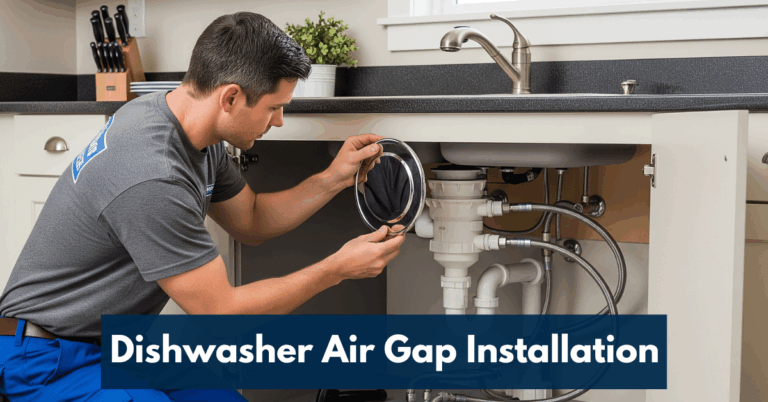
Once the hole is ready, insert the air gap fitting from above the counter. Secure it underneath with the mounting nut that comes with the kit.
Now, connect the shorter hose from the dishwasher’s drain outlet to the smaller inlet on the air gap. Then, attach the longer hose from the air gap’s larger outlet to your garbage disposal or sink drain.
Use the adjustable wrench to tighten hose clamps and ensure a leak-proof connection. Add plumber’s putty or silicone sealant around the air gap base on the countertop to prevent water seepage.
Finally, run your dishwasher through a cycle and check for leaks or improper drainage. If water backs up or leaks appear, double-check hose connections and tighten as needed.
Have you ever noticed a strange smell or slow draining in your sink after running the dishwasher? Installing an air gap can often solve these issues by stopping dirty water from flowing back into your clean dishes. Why leave your kitchen vulnerable when a simple device can provide peace of mind?
Credit: gps-plumbing.com
Air Gap Vs. High Loop Drain
Choosing between an air gap and a high loop drain matters for dishwasher installation. Both prevent dirty water from flowing back into your dishwasher. The right choice depends on your kitchen setup and local plumbing rules.
Differences In Design
An air gap is a small device mounted on the sink or countertop. It has two hose connections: one from the dishwasher and one to the drain. It creates a physical gap between water sources.
A high loop drain means routing the dishwasher drain hose up to the underside of the countertop before going down to the drain. It relies on gravity and hose height to stop backflow.
Effectiveness In Preventing Backflow
The air gap is very effective because it blocks any water from flowing backward. It uses an open space that air fills to stop water from returning.
The high loop drain works well but depends on proper hose placement. If the loop is not high enough, water can still flow back into the dishwasher.
Maintenance Tips For Dishwasher Air Gaps
Maintaining your dishwasher air gap is key to keeping your dishwasher working well. Regular care stops blockages and bad smells. It also prevents water from backing up into your sink or dishwasher. Simple maintenance keeps your system clean and safe.
Cleaning And Inspection
Check the air gap at least twice a year. Remove the cover and look inside. Dirt and food bits can clog the air gap. Use a small brush or pipe cleaner to clear any buildup. Rinse the parts with warm water to wash away debris. Make sure the air gap is dry before putting the cover back.
Troubleshooting Common Issues
Water not draining properly often means a clogged air gap. Look for signs of water pooling or slow drainage. Unclog the air gap by cleaning the hoses connected to it. Check for cracks or damage in the air gap parts. Replace any broken pieces to avoid leaks or backups. Listen for unusual noises during dishwasher cycles that may indicate a problem.
Credit: callwhitney.com
Frequently Asked Questions
What Is A Dishwasher Air Gap And Why Use It?
A dishwasher air gap prevents dirty water from flowing back into the dishwasher. It ensures clean water by blocking contamination. Building codes often require it for safety. It protects your kitchen plumbing and dishwasher from potential health risks.
Do All Dishwashers Require An Air Gap?
Not all dishwashers legally require an air gap. Requirements vary by local plumbing codes. Some areas allow alternatives like high loop drains. However, installing an air gap is the safest option to prevent backflow issues.
How Does A Dishwasher Air Gap Work?
The air gap creates a physical break in the drain line. It lets wastewater flow out without allowing it to return. This prevents dirty water from contaminating the dishwasher and your home’s water supply.
Can I Install A Dishwasher Air Gap Myself?
Yes, installing an air gap can be a DIY project. It requires basic plumbing skills and tools. Follow manufacturer instructions and local codes for proper installation. If unsure, consult a professional plumber for safety.
Conclusion
A dishwasher air gap helps keep your water clean and safe. It stops dirty water from flowing back into your dishwasher. Many local rules ask for an air gap to protect your home. Installing one is simple and gives peace of mind.
Think of it as a small guard for your kitchen. Choosing to add an air gap means fewer plumbing problems later. It’s a smart step for any dishwasher setup. Keep your dishwasher working well and your water safe.