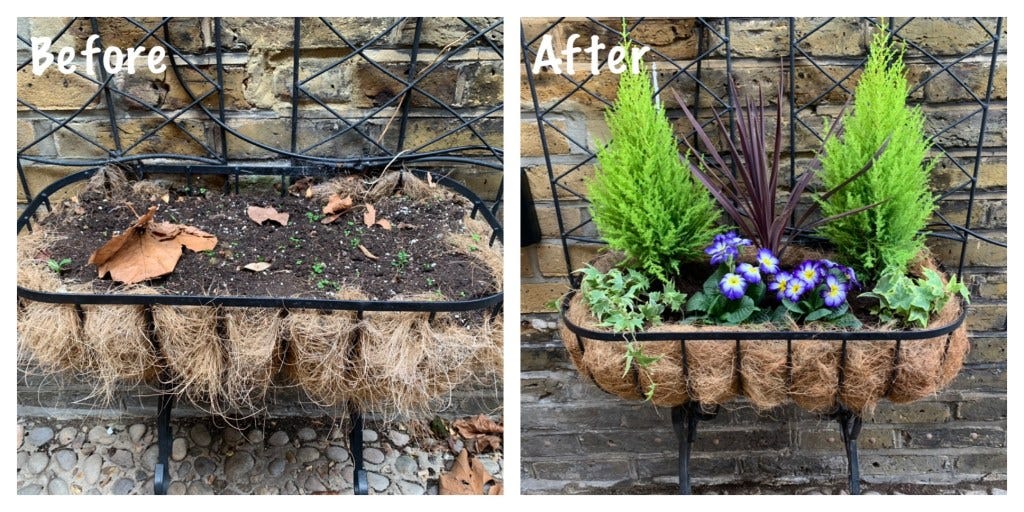
Are you looking for a simple, natural way to boost your gardening game? Coconut liners for planters might be just what you need.
These eco-friendly liners not only help your plants thrive but also keep your pots clean and long-lasting. Imagine giving your plants the perfect home that breathes well, drains easily, and looks great—all while helping the environment. Keep reading to discover how you can use coconut liners to transform your planters and make your garden flourish like never before.
Benefits Of Coconut Liners
Coconut liners are popular for planter use. They offer many benefits to gardeners and plants.
These liners help plants grow better while protecting the environment. Learn why coconut liners are a good choice.
Eco-friendly And Sustainable
Coconut liners are made from natural coconut fibers. This makes them biodegradable and compostable.
They reduce waste by using coconut husks that would otherwise be thrown away. Using them helps protect forests and reduce plastic use.
- Made from renewable coconut fibers
- Biodegrades naturally over time
- Reduces plastic waste
- Supports sustainable farming
Improved Drainage And Aeration
Coconut liners allow water to drain freely. This stops water from pooling at the bottom of planters.
The fibers also create air pockets. These pockets help oxygen reach plant roots. Good air and water flow help plants grow strong.
- Prevents waterlogging and root rot
- Improves oxygen flow to roots
- Helps plants stay healthy and grow
Natural Pest Resistance
Coconut fibers naturally resist some pests. This reduces the need for chemical pesticides.
The rough texture and natural oils in the fibers keep insects away. Plants in coconut liners stay safer from damage.
- Contains natural oils that repel pests
- Reduces insect damage to plants
- Supports organic gardening practices
Choosing The Right Coconut Liner
Coconut liners are popular for lining planters. They help keep soil in place and allow water to drain.
Picking the right liner is important. It affects plant health and planter durability.
Different Sizes And Thicknesses
Coconut liners come in many sizes and thicknesses. Choose one that fits your planter well.
Thicker liners hold soil better but take longer to break down. Thin liners drain well but may tear.
- Small liners fit hanging baskets and small pots
- Large liners suit big planters and window boxes
- Thick liners last longer for outdoor use
- Thin liners work well indoors or in sheltered areas
Selecting Liners For Various Planter Types
Different planters need different liners. Choose liners that match planter shape and material.
Some liners fit round pots, others fit rectangular or square planters. Flexible liners work best for odd shapes.
- Hanging baskets need liners that hold soil but allow drainage
- Wooden planters benefit from liners that protect wood from moisture
- Plastic pots may need liners to improve drainage
- Metal planters require liners to prevent rust and soil loss
Checking Quality And Durability
Good quality liners last longer and support plant growth. Look for dense, well-made coconut fibers.
Durable liners resist tearing and hold soil without breaking down too fast. Check for even thickness and firmness.
- Inspect liners for holes or weak spots
- Choose liners with tightly packed fibers
- Avoid liners that feel too dry or brittle
- Check if liners are pre-shaped for easy fitting
Preparing Coconut Liners For Use
Coconut liners are great for planters. They help retain moisture and support plant health. Preparing them correctly is key to successful planting.
To get the best results, follow these simple steps. Learn how to soak, trim, shape, and protect your liners.
Soaking And Trimming Tips
Soak coconut liners before use. This makes them flexible and easier to handle.
- Fill a bucket with water.
- Place the liner in the water for 10-15 minutes.
- Remove and let it drip dry.
Trim the liner to fit your planter. Use sharp scissors for clean cuts.
Shaping Liners To Fit Planters
Shaping the liner is easy once it’s soaked. Press it gently into the planter.
Adding Protective Layers If Needed
If your area is very dry, consider adding a protective layer. This helps keep moisture in.
| Layer Type | Benefit |
| Plastic Sheet | Retains moisture |
| Mulch | Reduces evaporation |
| Burlap | Extra insulation |
Credit: medium.com
Planting With Coconut Liners
Coconut liners are natural and eco-friendly options for planters. They help retain moisture and allow good air flow to plant roots.
Using coconut liners can improve plant health and make your container garden more sustainable.
Best Soil Mixes To Use
Choose soil that drains well but holds some moisture. Coconut liners dry out faster than plastic pots.
- Use a mix of potting soil and coconut coir for good drainage
- Add perlite or sand to keep the soil light
- Mix in compost to provide nutrients
- Avoid heavy clay soils that stay wet too long
Plant Selection For Coconut Liners
Choose plants that enjoy good air circulation around roots. Coconut liners work well with many flowers and herbs.
| Plant Type | Suitability | Notes |
| Petunias | High | Thrives in well-drained soil |
| Basil | High | Needs moderate watering |
| Succulents | Medium | Use sandy mix, less watering |
| Ferns | Low | Needs more moisture than liners hold |
Watering And Maintenance Tips
Coconut liners dry faster than plastic pots, so check soil moisture often. Keep plants hydrated without waterlogging.
- Water plants early in the day to reduce evaporation
- Use a spray bottle for gentle watering
- Check soil moisture by touching the soil surface
- Remove dead leaves to avoid mold growth
- Fertilize monthly with a balanced, water-soluble fertilizer
Maintaining And Reusing Liners
Coconut liners are natural and eco-friendly for planters. Taking care of them helps save money and the environment. Proper maintenance keeps liners strong and reusable.
Learn simple ways to clean, dry, and compost coconut liners. These steps make your liners last longer and reduce waste.
Cleaning And Drying Methods
Clean liners after use to remove dirt and plant debris. Use water and a soft brush to scrub gently. Avoid harsh chemicals that can damage fibers.
- Rinse liners with warm water.
- Use a soft brush to clean stuck dirt.
- Shake off excess water.
- Hang liners in a shaded, airy place to dry.
- Let liners dry completely before storing.
Extending Liner Lifespan
Handle liners carefully to avoid tears. Store them in a dry, cool place. Avoid direct sunlight for long periods to stop fibers from breaking down.
| Tip | Reason |
| Clean liners after use | Prevents mold and rot |
| Dry thoroughly | Stops mildew growth |
| Store away from sun | Protects fibers from damage |
| Handle gently | Reduces tears and breaks |
Composting Old Liners
Old coconut liners break down well in compost. Cut liners into small pieces for faster decomposition. Add them to your compost pile with green waste.
- Cut liners into small strips
- Mix liners evenly with other compost materials
- Turn compost regularly to speed decay
- Use finished compost to enrich garden soil

Credit: www.amazon.ca
Creative Uses For Coconut Liners
Coconut liners are a natural choice for gardeners. They help keep soil in place and allow water to drain. These liners are made from coconut fibers and are eco-friendly.
You can use coconut liners in many creative ways. They add a rustic look and support healthy plant growth. Here are some ideas to try with coconut liners.
Vertical Gardens And Hanging Planters
Coconut liners are perfect for vertical gardens and hanging planters. Their fibers hold soil well and allow roots to breathe. This makes them ideal for small spaces.
- Line pockets of vertical garden frames for planting herbs and flowers.
- Use liners in hanging baskets to prevent soil loss.
- Mix coconut fibers with soil to improve drainage and aeration.
- Attach liners to walls or fences to create green living walls.
Combining Liners With Decorative Pots
Adding coconut liners inside decorative pots protects the pot and keeps soil tidy. Liners fit well and help water drain away from roots. This keeps plants healthy and pots clean.
| Type of Pot | Benefit of Using Coconut Liner |
| Ceramic | Prevents soil from sticking to pot walls |
| Metal | Stops rust by reducing moisture contact |
| Plastic | Improves drainage and airflow to roots |
Craft Projects With Coconut Fibers
Coconut fibers from liners can be used in craft projects. They add texture and natural color. You can make coasters, mats, or even small plant holders.
- Weave small baskets for succulents
- Create natural coasters by pressing fibers flat
- Make textured picture frames by gluing fibers
- Use fibers as stuffing for homemade garden ornaments
Credit: medium.com
Frequently Asked Questions
What Are Coconut Liners Used For In Planters?
Coconut liners act as natural, breathable liners for planters. They hold soil and moisture while allowing drainage. This prevents root rot and improves aeration, promoting healthy plant growth. They are eco-friendly alternatives to plastic liners.
How Do You Install A Coconut Liner In A Planter?
Place the coconut liner inside the planter, shaping it to fit snugly. Fill it with soil and plant your seeds or seedlings. Ensure the liner covers drainage holes for water flow. No additional tools are needed for installation.
Can Coconut Liners Improve Plant Drainage?
Yes, coconut liners enhance drainage by allowing excess water to flow out. They prevent waterlogging and root rot. Their fibrous structure retains moisture while letting air circulate, creating an ideal environment for roots.
Are Coconut Liners Eco-friendly For Gardening?
Absolutely, coconut liners are biodegradable and sustainable. Made from coconut husks, they reduce plastic waste. Using them supports eco-friendly gardening by promoting natural materials and minimizing environmental impact.
Conclusion
Coconut liners help plants grow healthy and strong. They keep soil moist and let air flow well. Using them is easy and good for the environment. They fit many planter shapes and sizes. Choose coconut liners to give your plants a natural home.
Try them in your garden or patio pots. Enjoy greener plants with less mess and fuss. Simple, natural, and effective—coconut liners work great!