Have you ever struggled to connect your garden hose to a faucet or sprinkler, only to find the threads don’t match? You’re not alone.
Knowing the right thread size for your garden hose can save you time, frustration, and money. You’ll discover exactly what thread size you need and how to identify it easily. By the end, you’ll be confident in choosing the perfect hose that fits your garden setup seamlessly.
Keep reading to make your watering tasks simple and hassle-free!

Credit: www.amazon.com
Common Garden Hose Thread Sizes
Garden hoses connect to various tools and water sources. Knowing the thread size helps you find the right fit. Thread size affects how well your hose fits connectors and faucets.
This guide covers common thread sizes used in garden hoses. It explains sizes used in the US and other countries. You will also learn the difference between male and female threads.
Standard Thread Sizes In The Us
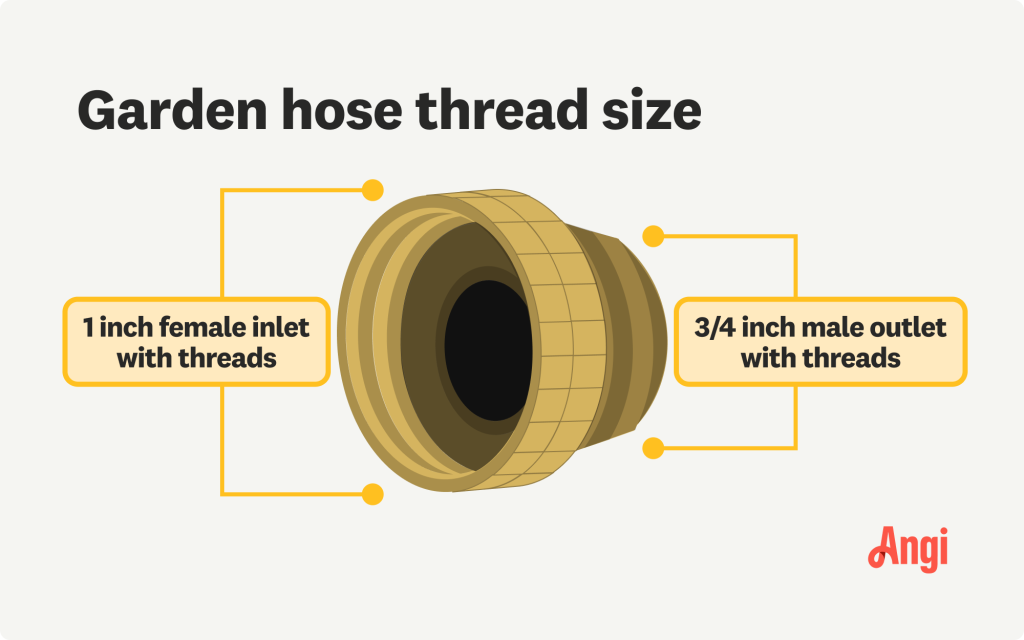
The US uses specific thread sizes for garden hoses. The most common size is called GHT, or Garden Hose Thread. GHT has a standard size that works with many tools and faucets.
| Thread Type | Size (inches) | Thread Pitch (TPI) |
| Garden Hose Thread (GHT) | 3/4″ | 11.5 |
| Iron Pipe Thread (NPT) | 1/2″ | 14 |
| Iron Pipe Thread (NPT) | 3/4″ | 14 |
Metric Thread Sizes Used Globally
Many countries use metric thread sizes for garden hoses. These sizes are measured in millimeters and have different thread pitches. Metric threads work well with local water systems.
- M22 x 1.5 mm is common in Europe
- M24 x 1.5 mm is used in some countries
- Metric threads may not fit US fittings
Differences Between Male And Female Threads
Thread types can be male or female. Male threads stick out and screw into female threads. Female threads are inside and receive male threads.
- Male threads are on hose ends or connectors
- Female threads are on faucets or hose couplings
- Matching male and female threads is important for a tight seal

Credit: www.amazon.com
Measuring Your Garden Hose Thread
Understanding the thread size of your garden hose is important. It helps ensure a proper fit with no leaks.
Knowing how to measure the thread size can save you time. It also helps avoid frustration when purchasing hose attachments.
Tools Needed For Measurement
Having the right tools makes measuring easier. These tools are simple and can be found at home or in a hardware store.
- Ruler or measuring tape
- Thread gauge (optional)
- Pen and paper for notes
Step-by-step Measurement Guide
Follow these steps to measure your garden hose thread. Accurate measurements help in selecting the right fittings.
- Lay the hose flat on a table.
- Use the ruler to measure across the thread’s diameter.
- Note the measurement in inches or millimeters.
Identifying Thread Pitch And Diameter
Thread pitch and diameter are key to fitting parts together. Understanding these terms helps in buying compatible accessories.
Pitch refers to the space between threads. Diameter is the width across the thread.
- Use a thread gauge to find the pitch.
- Measure diameter with a ruler.
- Record both for future reference.
Choosing The Right Hose Fittings
Using the correct hose fittings ensures your garden hose works well. It stops leaks and keeps water flowing smoothly.
Understanding thread sizes helps you pick the right fittings. This guide explains how to match sizes, use adapters, and avoid common errors.
Matching Thread Size To Fittings
Garden hoses usually have two common thread sizes: 3/4 inch and 1/2 inch. Most garden hoses use a 3/4 inch thread, called GHT (Garden Hose Thread).
To match your fittings correctly, check the thread size on both the hose and the accessory. Using the same size ensures a tight seal and no leaks.
Adapters For Mismatched Threads
Sometimes, your hose and fitting have different thread sizes or types. Adapters solve this problem by linking mismatched threads.
- Use a 3/4 inch to 1/2 inch adapter if sizes differ.
- Choose brass adapters for durability.
- Check if the adapter fits male or female threads.
- Ensure the adapter has rubber washers to prevent leaks.
Common Mistakes To Avoid
| Mistake | Result | How to Fix |
| Using wrong thread size | Leaks and loose fittings | Measure threads before buying |
| Mixing thread types | Cross-thread damage | Match thread type (GHT, NPT) |
| No washers in fittings | Water leaks | Add rubber washers to fittings |
| Over-tightening connections | Damaged threads or fittings | Tighten by hand, then a little more with wrench |
Thread Types In Garden Hoses
Garden hoses connect to water sources using specific thread types. These threads make sure hoses fit tightly. Knowing the thread size helps avoid leaks and loose connections.
There are several common thread types used in garden hoses. Each type has unique features and fits certain fittings. Understanding these threads helps you choose the right hose or adapter.
National Hose Thread (nht)
National Hose Thread, or NHT, is a common thread in North America. It is designed for garden hoses and water fittings. NHT has a 3/4-inch diameter and 11.5 threads per inch.
NHT threads are tapered, which means the thread diameter gets smaller along the length. This taper helps create a tight seal when connected.
- Size: 3/4 inch diameter
- Thread count: 11.5 threads per inch
- Tapered thread for tight sealing
- Used mainly in the USA and Canada
Garden Hose Thread (ght)
Garden Hose Thread, or GHT, is a standard for garden hoses in the US. It has the same size as NHT but is not tapered. GHT threads are straight, not angled.
Because GHT threads are straight, they require a rubber washer to prevent leaks. GHT is used for hose ends and connectors.
- Size: 3/4 inch diameter
- Thread count: 11.5 threads per inch
- Straight thread design
- Uses rubber washers to seal
British Standard Pipe (bsp)
British Standard Pipe, or BSP, is a thread type used in the UK and other countries. BSP threads come in two types: parallel and tapered. They are common for water pipes and hoses.
BSP threads are measured in inches but differ from NHT and GHT. They have different thread angles and pitches. BSP fittings need compatible connectors for a tight fit.
- Used mainly in the UK and Commonwealth countries
- Available as parallel (BSPP) or tapered (BSPT)
- Different thread angle than NHT and GHT
- Sizes vary, commonly 1/2 inch or 3/4 inch
Ensuring A Leak-free Connection
Garden hoses use a standard thread size to connect to faucets and accessories. The common size is 3/4 inch garden hose thread (GHT). This size helps create a tight and secure fit.
To keep water from leaking, you need to focus on the connection between hose and faucet. Proper tools and techniques ensure a leak-free setup.
Using Teflon Tape And Sealants
Teflon tape wraps around the threads to fill gaps. It stops water from seeping through small holes. Use tape on male threads only.
Sealants can also help. They form a waterproof layer over the threads. Choose sealants made for water connections to avoid damage.
- Wrap Teflon tape clockwise around threads
- Use 2-3 layers for best sealing
- Apply sealant evenly and let it dry before connecting
Proper Tightening Techniques
Tightening the hose connection too much can cause damage. Too loose, and water leaks out. Hand-tighten first, then use a wrench if needed.
Stop tightening when the connection feels firm. Avoid forcing it to prevent breaking the threads or fittings.
- Start by hand-tightening the hose
- Use pliers or wrench for a slight extra turn
- Do not over-tighten to avoid damage
When To Replace Worn Threads
Threads on hoses and faucets wear out over time. Worn threads cause leaks and poor connections. Check threads regularly for damage.
Replace hoses or fittings if threads look stripped, cracked, or bent. New parts keep your water flow steady and leak-free.
- Look for cracks or missing thread pieces
- Replace if connection leaks after tightening
- Use new hoses for long-lasting results
Special Considerations For Different Hose Materials
Garden hoses come in many materials, affecting thread size and fit. Rubber and vinyl hoses have key differences to know.
Understanding these helps you pick the right hose and avoid leaks or damage at the connection points.
Rubber Vs. Vinyl Hose Threads
Rubber hoses usually have thicker, more flexible threads. Vinyl hoses often have thinner, less flexible threads. Both types commonly use a 3/4 inch GHT (garden hose thread) size.
Thread size is standard, but material affects how well the threads hold up and seal tight. Rubber can handle slight thread irregularities better than vinyl.
Durability And Thread Wear
| Hose Material | Thread Durability | Common Wear Issues |
|---|---|---|
| Rubber | High | Less prone to cracking, but can deform |
| Vinyl | Moderate | Threads may crack or break under stress |
Rubber threads last longer and resist damage better. Vinyl threads wear faster and need careful handling to avoid breaks.
Maintenance Tips For Longevity
- Check threads for cracks or damage before use.
- Clean threads regularly to remove dirt and debris.
- Use thread tape to improve seal and reduce wear.
- Store hoses off the ground in a cool, dry place.
- Avoid overtightening connections to prevent thread damage.

Credit: www.amazon.com
Frequently Asked Questions
What Is The Standard Thread Size For Garden Hoses?
The standard thread size for most garden hoses is 3/4 inch GHT (Garden Hose Thread). This size fits typical hose connectors and outdoor faucets in the United States. It ensures compatibility between hoses, nozzles, and sprinklers for easy and secure connections.
How Do I Measure Garden Hose Thread Size?
Measure the outer diameter of the hose fitting threads with a ruler or caliper. The standard size is usually 3/4 inch. Also, check the thread pitch to confirm it matches GHT standards for proper fitting and leak prevention.
Are Garden Hose Threads Different Worldwide?
Yes, garden hose thread sizes vary by region. The US uses 3/4 inch GHT, while Europe often uses 1/2 inch BSP threads. Always check local standards before purchasing fittings to ensure compatibility with your garden hose.
Can I Use Adapters For Different Hose Thread Sizes?
Yes, adapters convert between various thread sizes and types. They help connect hoses with mismatched threads, such as GHT to BSP. Choose high-quality adapters to maintain a secure and leak-free connection.
Conclusion
Knowing the right thread size helps you pick the correct garden hose. Most hoses use a standard 3/4-inch thread size. This size fits most outdoor faucets and accessories. Using the correct size avoids leaks and connection problems. It also saves time and effort during setup.
Now you can buy hoses and fittings with confidence. Simple details like thread size make gardening easier. Remember, a proper fit keeps water flowing smoothly in your garden.