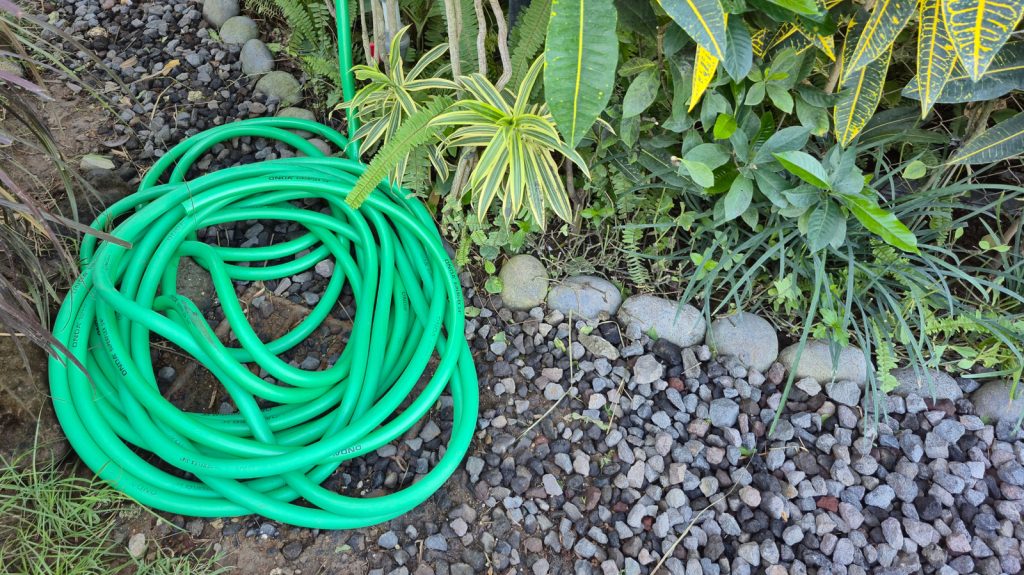
Have you ever wondered what happens to your old garden hose once it’s worn out? You might be surprised to learn that not all garden hoses are easy to recycle.
If you care about the environment and want to reduce waste, knowing whether your garden hose can be recycled is important. You’ll discover the truth about garden hose recycling and learn simple steps you can take to keep your garden green in more ways than one.
Keep reading to find out how you can make a difference with your everyday gardening tools.
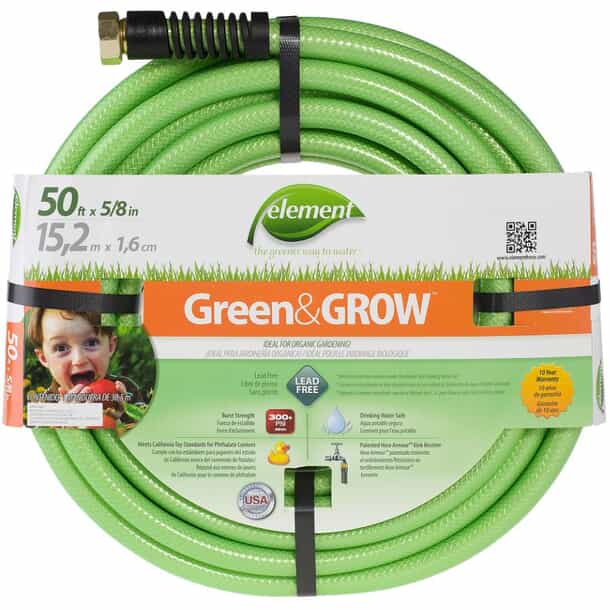
Credit: www.homehardware.ca
Garden Hose Materials
Garden hoses come in different materials. Knowing what they are helps with recycling and use.
Each material has unique features and effects on the environment.
Common Hose Types
Garden hoses are mostly made from these types:
- Rubber hoses – strong and flexible
- Vinyl hoses – lightweight and affordable
- Soaker hoses – porous for slow watering
- Expandable hoses – stretch when water flows
Material Composition
Most garden hoses have layers of different materials. Here is a simple comparison:
| Hose Type | Main Material | Additional Layers |
|---|---|---|
| Rubber Hose | Natural or synthetic rubber | Reinforced with fabric or wire |
| Vinyl Hose | Polyvinyl chloride (PVC) | May have nylon mesh for strength |
| Soaker Hose | Rubber or vinyl with pores | None or simple mesh layers |
| Expandable Hose | Latex or TPE inner tube | Polyester outer fabric |
Environmental Impact
Recycling garden hoses is tough because of mixed materials. Here are key points to know:
- Rubber hoses can sometimes be recycled but need special facilities.
- Vinyl hoses are hard to recycle due to chemicals.
- Expandable hoses mix plastics and fabrics, making recycling rare.
- Soaker hoses often cannot be recycled because of their design.
- Cutting hoses into pieces and repurposing them is a common reuse method.
Recycling Possibilities
Garden hoses are common tools in many homes. People wonder if they can be recycled.
Recycling hoses helps protect our environment. Let’s explore how and where this is possible.
Local Recycling Programs
Some towns have recycling programs for garden hoses. These programs vary by location.
- Check with your local waste management for options.
- Look for special collection days for garden tools.
- Contact local recycling centers for advice.
Specialized Facilities
Special facilities recycle hoses into new products. This reduces waste in landfills.
| Facility Name | Location |
| Eco Recyclers | California |
| Green Earth Center | Texas |
| Recycle Hub | New York |
Challenges In Recycling Hoses
Recycling hoses is not always easy. There are challenges to consider.
Creative Reuse Ideas
Old garden hoses can be reused in many fun and useful ways. Instead of throwing them away, try these ideas to give them a second life.
Creative reuse helps reduce waste and saves money. You can use garden hoses for projects around your home and for crafts.
Garden Projects
Garden hoses work well for several outdoor projects. They can protect plants or create garden borders.
- Cut hoses to make flexible plant ties
- Use hose pieces to edge garden beds
- Create drip irrigation lines by poking small holes
- Make hose coils for hose holders or plant stands
Home Diy Uses
Garden hoses can help in many simple home projects. They offer protection and organization options.
- Cut hose into strips to protect sharp tool handles
- Use hose pieces as bumpers on furniture edges
- Create non-slip grips for jars or tools
- Wrap hose around pipes to prevent damage
Crafting And Art
Old hoses can be turned into creative art and craft items. Their texture and flexibility inspire many ideas.
- Cut and shape hose pieces into bracelets or rings
- Use colorful hoses for weaving baskets or mats
- Make wall art by bending hoses into shapes
- Create coasters or trivets by coiling hoses tightly
Disposal Tips
Garden hoses are made from materials that can be hard to recycle. It is important to find safe ways to dispose of them. Proper disposal helps protect the environment.
Here are tips to dispose of garden hoses in a way that reduces waste and helps the community.
Safe Disposal Methods
Check with local waste centers to see if they accept garden hoses. Some places have special recycling programs for garden tools. Avoid throwing hoses in regular trash bins.
If no recycling is available, cut the hose into small pieces. This can prevent it from tangling in machines at disposal sites. Always follow local rules for hazardous waste.
Avoiding Landfill Waste
Avoid sending garden hoses to landfills. They take a long time to break down and add to pollution. Look for recycling centers that accept plastic or rubber materials.
Try to reduce waste by using hoses longer or repairing leaks. This lowers how often you need to throw them away.
- Repair small holes with tape or patches
- Store hoses properly to prevent cracks
- Use hose reels to avoid tangles and damage
Donation And Repurposing
Donate old but usable garden hoses to community gardens or schools. They can reuse them for watering plants or craft projects. This extends the hose’s life and helps others.
Repurpose hoses at home by turning them into items like garden ties, mats, or crafts. Cutting and reshaping hoses can give them a new use.
- Cut hoses into strips for plant ties
- Use hose parts for garden edging
- Create coasters or mats from old hose pieces
Sustainable Alternatives
Garden hoses are common in many homes. Their materials affect the environment. Choosing sustainable options helps reduce waste.
This guide explores eco-friendly hose choices, care tips, and ways to cut plastic waste.
Eco-friendly Hose Options
Traditional garden hoses often use PVC or rubber, which can harm the environment. Look for hoses made with natural or recycled materials instead.
- Hoses made from recycled rubber reduce landfill waste.
- Natural latex hoses are biodegradable and flexible.
- Polyurethane hoses are durable and free from harmful chemicals.
- Hoses with biodegradable coatings break down faster after use.
Maintenance For Longevity
Proper care extends hose life and lowers the need for replacements. This saves materials and energy.
- Drain water from the hose after each use to avoid cracks.
- Store hoses away from direct sunlight to prevent damage.
- Check for leaks and repair small holes promptly.
- Use hose reels or hangers to avoid kinks and tangles.
- Clean hoses regularly to prevent mold and dirt buildup.
Reducing Plastic Waste
Many garden hoses contain plastics that are hard to recycle. Reducing plastic waste helps the planet.
| Action | Impact |
|---|---|
| Choose hoses with recycled content | Supports recycling markets |
| Recycle old hoses properly | Prevents landfill buildup |
| Donate usable hoses | Extends product life |
| Use hose repair kits | Reduces waste from replacements |
| Buy fewer, better-quality hoses | Less frequent disposal |
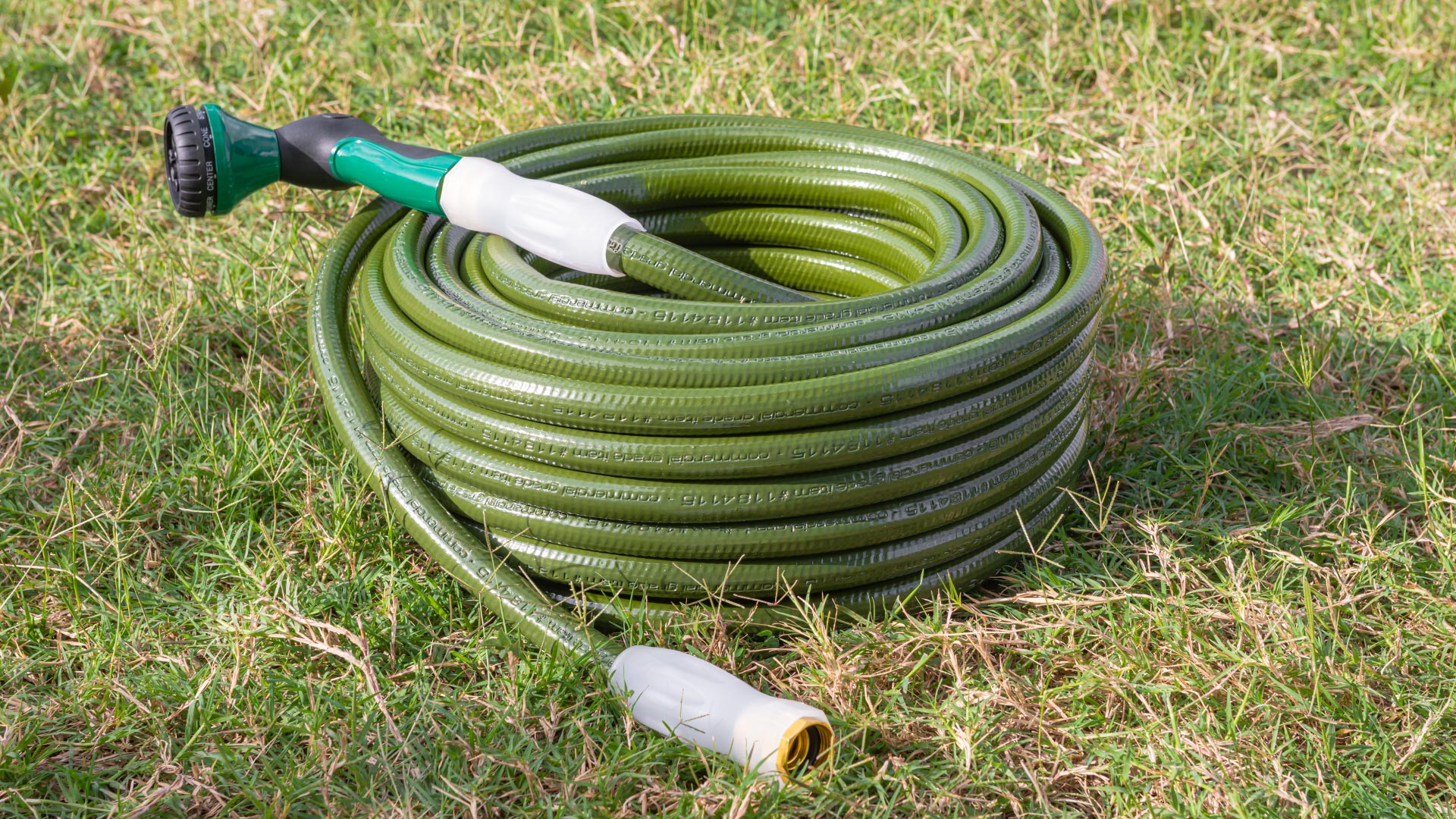
Credit: anacondapipeandhose.com

Credit: recyclemedinacounty.com
Frequently Asked Questions
Are Garden Hoses Recyclable In Regular Curbside Programs?
Most garden hoses are not accepted in curbside recycling due to mixed materials. They often contain rubber, plastic, and metal, which complicate recycling. Specialized recycling centers or programs are better suited for hose recycling. Check local facilities for proper disposal options.
How Can I Recycle Old Garden Hoses Effectively?
To recycle old garden hoses, contact local recycling centers or garden stores. Some offer hose recycling or repurposing programs. Alternatively, consider creative reuse ideas like crafting or donating if the hose is still usable. Avoid throwing hoses into regular trash to reduce landfill waste.
What Materials Are Garden Hoses Made Of?
Garden hoses typically consist of rubber, vinyl, and sometimes metal. These mixed materials make recycling difficult in standard facilities. Knowing the hose’s material helps determine the best recycling or disposal method. Choose hoses labeled as recyclable for easier processing.
Can Garden Hoses Be Repurposed Instead Of Recycled?
Yes, garden hoses can be repurposed for crafts, edging, or ties in gardening. Repurposing extends their life and reduces waste. It is a sustainable alternative when recycling options are limited or unavailable. Creative reuse helps minimize environmental impact.
Conclusion
Garden hoses can be recycled, but it depends on the material. Many hoses contain mixed plastics and rubber, making recycling tricky. Check with local recycling centers for specific rules. Cutting old hoses into smaller pieces helps in some programs. Reusing hoses for crafts or garden ties is also a good option.
Taking simple steps protects the environment and reduces waste. Keep learning about recycling to make better choices. Small actions make a big difference for our planet.