Have you ever wondered how plants make their own food? It’s a fascinating process that happens all around you, yet many don’t fully understand it.
Knowing how plants create food can change the way you see nature and even help you grow healthier plants yourself. You’ll discover the simple steps behind this amazing natural process and why it’s so important for life on Earth. Keep reading—you’re about to unlock the secret that powers every green leaf you see.

Credit: sizzlekidz.com
Photosynthesis Basics
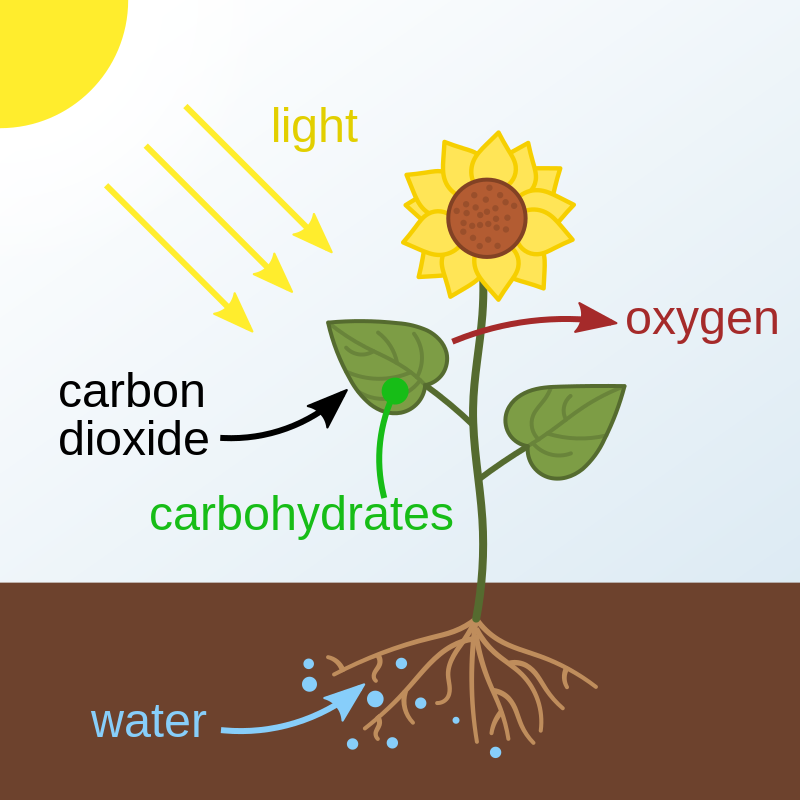
Plants make their own food through a process called photosynthesis. This process uses sunlight, water, and air to create energy.
Photosynthesis happens mostly in the leaves of plants. It helps plants grow and gives us oxygen to breathe.
Light Energy Capture
Plants capture light energy from the sun using special parts in their cells. This energy starts the food-making process.
Light energy is needed to change water and carbon dioxide into sugar and oxygen.
Chlorophyll Role
Chlorophyll is a green pigment in plant leaves. It absorbs sunlight and helps turn light into energy.
Without chlorophyll, plants cannot capture enough light to make food.
Carbon Dioxide Absorption
Plants take in carbon dioxide from the air through small openings in their leaves. This gas is one of the main ingredients for photosynthesis.
The carbon from carbon dioxide helps build sugar molecules that feed the plant.
Water Uptake
Roots absorb water from the soil and send it to the leaves. Water is essential for photosynthesis to happen.
Water splits into oxygen and hydrogen during photosynthesis. Oxygen is released into the air.
Chemical Reactions Involved
Plants make food through a process called photosynthesis. This involves several chemical reactions.
Photosynthesis occurs in the chloroplasts of plant cells. It turns sunlight into chemical energy.
Light-dependent Reactions
Light-dependent reactions happen in the thylakoid membranes. Sunlight is captured by chlorophyll.
This energy splits water molecules into oxygen, protons, and electrons. Oxygen is released into the air.
- Sunlight excites electrons
- Water molecules split
- Oxygen is a byproduct
Calvin Cycle
The Calvin Cycle takes place in the stroma of the chloroplasts. It uses energy from ATP and NADPH.
Carbon dioxide is fixed into organic molecules. This process does not require light.
- Carbon dioxide is captured
- ATP and NADPH provide energy
- Glucose precursors are formed
Glucose Formation
Glucose is a simple sugar used by plants for energy. It is formed after several steps in the Calvin Cycle.
Glucose can be stored as starch or used immediately. It is vital for plant growth and energy.
- Glucose stores energy
- Essential for plant metabolism
- Can be converted to starch
Factors Affecting Food Production
Plants make their own food through photosynthesis. This process depends on several factors. These factors can change how much food plants produce.
Understanding these factors helps us grow healthier plants. It also helps improve food production in farms and gardens.
Light Intensity
Light is the energy source for photosynthesis. Higher light intensity means more energy for plants. This helps plants make more food. Too little light slows down food production.
Water Availability
Water is essential for photosynthesis and plant growth. Plants need water to carry nutrients and keep cells healthy. Lack of water reduces food production. Too much water can harm roots and stop growth.
Carbon Dioxide Levels
Carbon dioxide is a key raw material in photosynthesis. Higher carbon dioxide levels can increase food production. Plants absorb carbon dioxide from the air through tiny pores called stomata.
Temperature Impact
Temperature affects the speed of photosynthesis. There is an ideal temperature range for most plants. Too low or too high temperatures slow down the process.
| Temperature Range | Effect on Food Production |
| Below 10°C (50°F) | Slow photosynthesis |
| 20°C – 30°C (68°F – 86°F) | Optimal food production |
| Above 35°C (95°F) | Reduced photosynthesis |

Credit: www.youtube.com
Importance For Plant Growth
Plants make their own food through a process called photosynthesis. This process is very important for plant growth.
Food made by plants helps them grow strong and healthy. It also supports many other life forms on Earth.
Energy Supply
Photosynthesis turns sunlight into energy for plants. This energy powers all their activities.
Plants use this energy to make food from water and carbon dioxide. Without energy, plants cannot survive.
Growth And Development
The food made by plants helps them grow roots, stems, and leaves. It also helps them make flowers and fruits.
Good growth depends on enough food and energy. Healthy plants can resist disease and survive harsh conditions.
Oxygen Release
During photosynthesis, plants release oxygen into the air. This oxygen is vital for animals and humans to breathe.
Oxygen release also helps keep the air clean. Plants play a key role in maintaining Earth’s atmosphere.
Adaptations In Different Plants
Plants make food through photosynthesis. They use sunlight to turn carbon dioxide and water into energy. Different plants have special ways to do this.
These ways help plants live in many environments. Some live in hot places. Others live where water is scarce. They use different processes to survive.
C3 Pathway
C3 plants use the most common method to make food. They take in carbon dioxide directly during the day. This process works well in cool and wet places.
Examples of C3 plants are rice, wheat, and beans. These plants do best where sunlight and water are enough. Their leaves have many stomata to take in air.
C4 Pathway
C4 plants have a special way to save water. They fix carbon dioxide in a different cell before using it. This helps them survive in hot and dry places.
- They close stomata more often to keep water.
- They store carbon dioxide in bundle sheath cells.
- This process is faster under strong sunlight.
Common C4 plants include maize, sugarcane, and sorghum. These plants grow well in warm, sunny areas with less water.
Cam Pathway
CAM plants open their stomata at night to save water. They take in carbon dioxide then and store it for daytime use. This helps in very dry environments.
| Feature | C3 Plants | C4 Plants | CAM Plants |
|---|---|---|---|
| Stomata Open | Daytime | Daytime | Nighttime |
| Water Use | Higher | Lower | Lowest |
| Environment | Cool and wet | Hot and dry | Very dry |
| Examples | Rice, wheat | Maize, sugarcane | Cactus, pineapple |
Survival In Harsh Environments
Plants use many tricks to live in tough places. Some grow thick leaves to store water. Others have deep roots to reach underground water.
- Waxy leaf surfaces reduce water loss.
- Small or no leaves lower evaporation.
- Many have hairs to reflect sunlight.
- Some close stomata during the hottest hours.

Credit: www.youtube.com
Human Impact On Plant Food Process
Plants make food through photosynthesis. This process uses sunlight, water, and carbon dioxide. Humans affect this natural process in many ways.
Human activities can change how well plants grow and produce food. Some impacts are harmful and reduce plant health.
Pollution Effects
Pollution from factories and cars adds harmful gases to the air. These gases can damage leaves and reduce photosynthesis.
Water pollution also harms plants by contaminating the soil and water they need. Chemicals in polluted water can stop plants from making food.
- Air pollution blocks sunlight
- Acid rain harms plant leaves
- Soil pollution reduces nutrient absorption
Climate Change Consequences
Climate change changes temperature and rainfall patterns. These changes affect how plants grow and make food.
Higher temperatures can speed up or slow down photosynthesis. Less water from droughts can stop plants from making enough food.
- Heat stress reduces plant growth
- Irregular rain affects water supply
- Extreme weather damages plant cells
Agricultural Practices
Farming uses many chemicals like fertilizers and pesticides. These can change soil health and affect plant food production.
Overuse of fertilizers can harm roots and reduce plants’ ability to make food. Good farming practices help plants grow strong.
- Proper fertilizer use supports photosynthesis
- Crop rotation keeps soil healthy
- Reducing pesticides protects beneficial insects
Frequently Asked Questions
What Is The Process That Makes Food For Plants?
Photosynthesis is the process plants use to make food. Plants convert sunlight, water, and carbon dioxide into glucose and oxygen. This process happens mainly in the leaves’ chloroplasts. It provides energy for growth and development.
How Do Plants Use Sunlight To Make Food?
Plants absorb sunlight through chlorophyll in their leaves. Sunlight powers photosynthesis, enabling conversion of water and carbon dioxide into glucose. This glucose serves as food, providing energy for the plant’s functions.
Why Is Chlorophyll Important In Food Production For Plants?
Chlorophyll captures sunlight needed for photosynthesis. It acts as a catalyst, converting light energy into chemical energy. Without chlorophyll, plants cannot produce glucose or survive.
What Role Does Carbon Dioxide Play In Plant Food Production?
Carbon dioxide is a key ingredient in photosynthesis. Plants take it from the air and combine it with water. This forms glucose, which serves as the plant’s food and energy source.
Conclusion
Plants make their own food through a simple process called photosynthesis. They use sunlight, water, and air to create energy. This process keeps plants alive and helps them grow. It also supports all life by producing oxygen. Understanding this helps us appreciate plants more.
Nature’s way of feeding plants is truly amazing. It shows how everything in the environment works together. This knowledge helps us take better care of our world. Photosynthesis is a key to life on Earth. Simple, yet powerful.